In that single moment, everything made sense: I realized that as parents, we are here to guide, educate, and protect — never to abuse, hit, manipulate, or harbor hatred toward our children as I felt my father hated us.
Trauma can arrive dressed in many different circumstances. You may be the victim of a criminal act. Your house may be destroyed by fire, flood or tornado. You may be fired from a job you loved. An illness or accident may change what you physically can do. Someone you dearly love may reject you or die. Even good things require us to explore a different version of who we are. We fall in love, marry, have a child, start a new career. No one gets through life without a trauma or two changing the trajectory of your future. At those junctures in life, we have to reimagine who we are now. What changes must I make in order to live the life I now have? Today I have the privilege of interviewing Helen Arias.
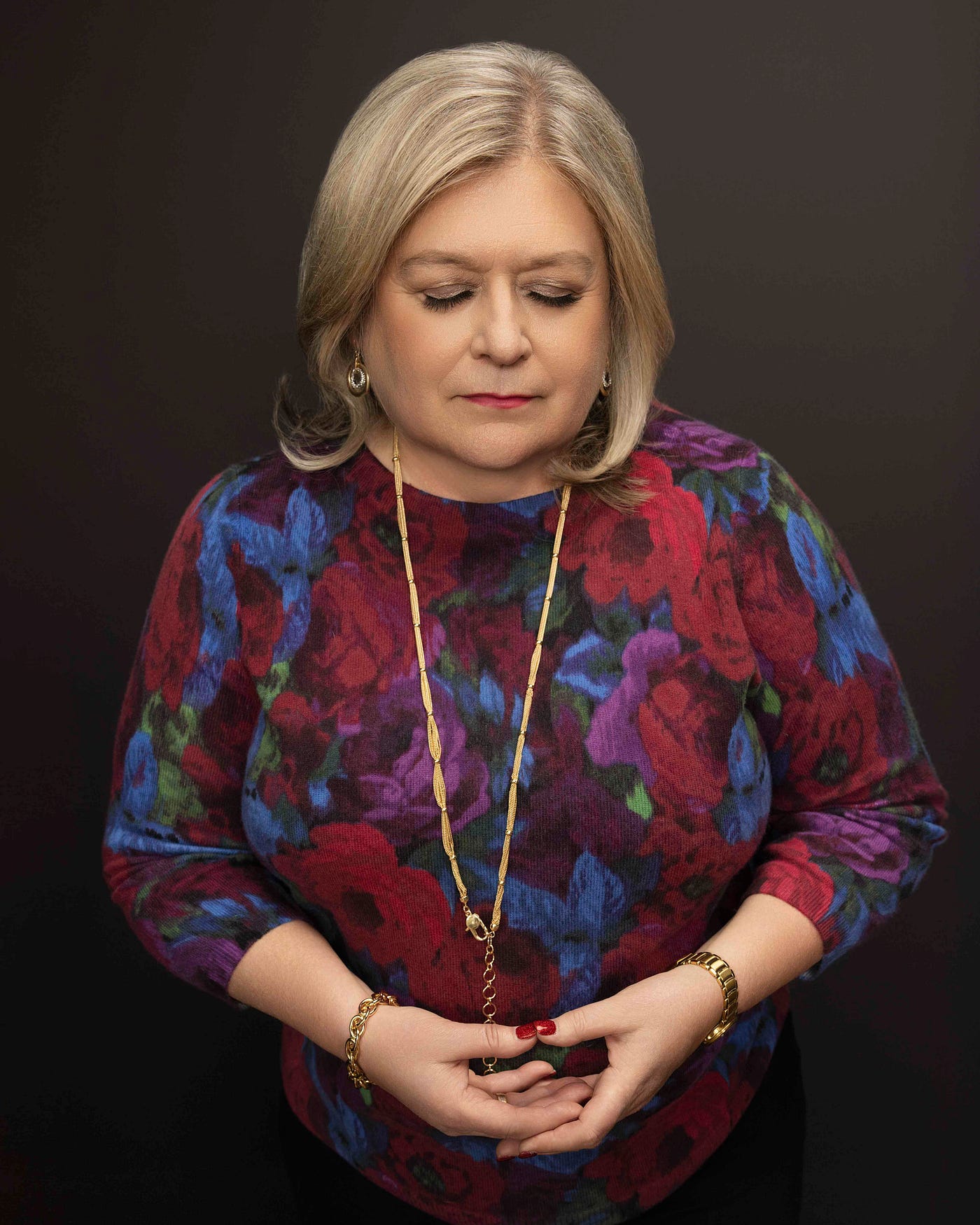
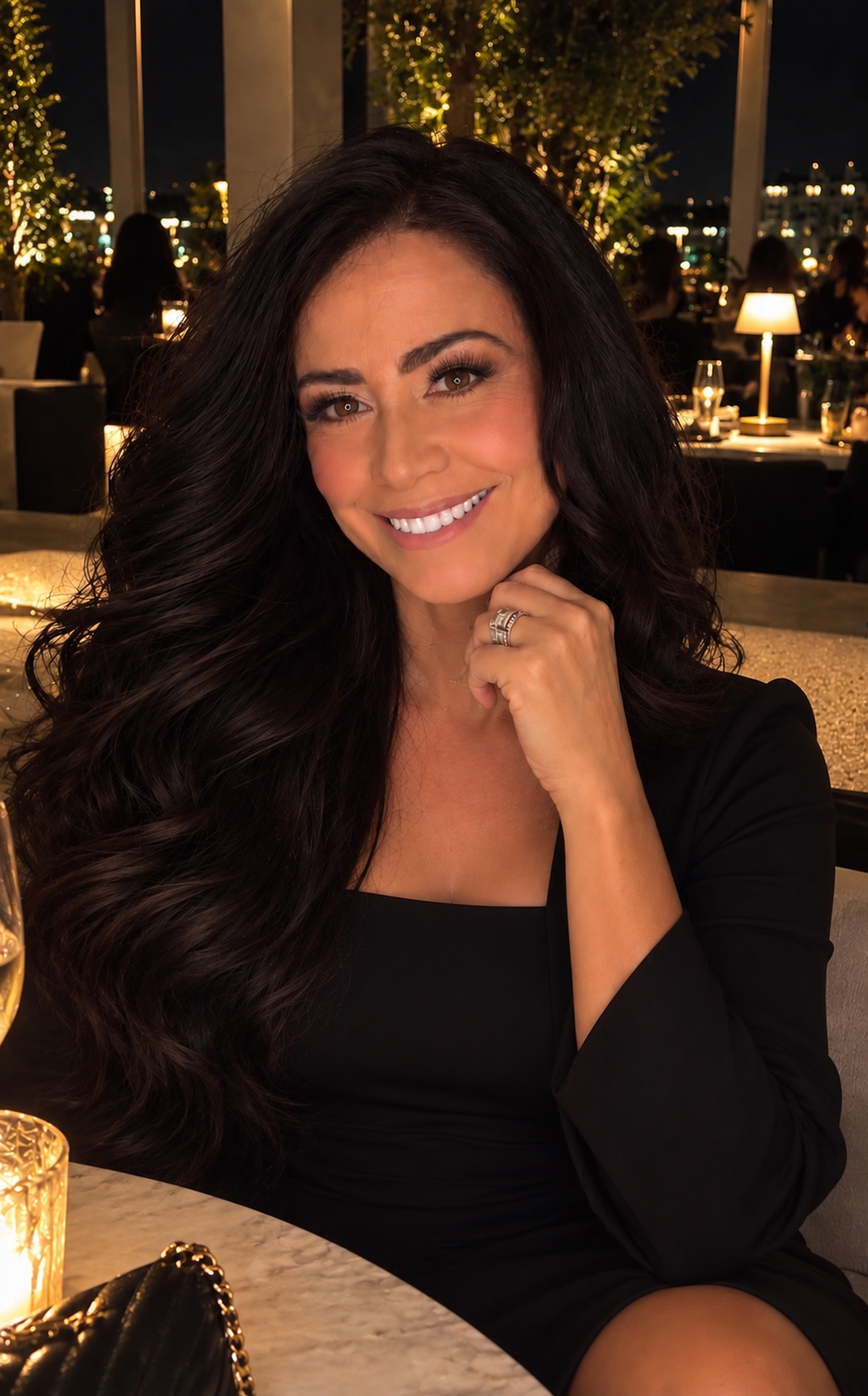
Helen Arias is an author, mother, wife, entrepreneur, and a passionate advocate for human resilience. Through her literary work, including her book Mariposa de Piedra, Helen channels her personal experiences of overcoming adversity to inspire others to turn their deepest pain into strength. Believing that true worth is measured by the goodness of one’s character rather than academic titles, she dedicates her life to guiding and reminding her readers that it is possible to break generational chains and build a meaningful future, even amidst the hardest battles.
Thank you so much for joining us in this interview series! Before we dive in, our readers would love to “get to know you” better. Please describe who you were before circumstances required you to change.
Before life forced me to become a warrior, I was a young woman who simply wanted to be loved, protected, and guided by her family. I was full of dreams, deeply sensitive, and always trying to find a sense of safety in a home that unfortunately became a battlefield. I was someone who trusted blindly, unaware of how much darkness and cruelty could live under the same roof.
Was the life change something you chose? Or was it thrust on you unexpectedly, as a surprise? Please explain in detail.
It was completely thrust upon me, violently and without warning. Abuse, rejection, and betrayal are never things you choose. I will never forget the night my father chose to prioritize another woman and left me locked out, sleeping in the street, in a public park. The next morning, as a friend and I were getting ready to sing at a friend’s graduation, my father walked out of the house hand-in-hand with that woman. As he passed me, he very casually tossed my keys onto the floor with total contempt — he never even handed them to me in my hands, and he never once apologized. That wasn’t a choice I made; it was a brutal awakening that ripped away any illusion of safety I thought I had.
What were your initial feelings about this change in circumstances? Give a few examples.
At first, I felt completely shattered, worthless, and deeply confused. First, I felt an overwhelming sense of abandonment, wondering why the person who was supposed to protect me was the one hurting me the most. Second, I felt profound humiliation — standing there with my keys on the ground, realizing how little I mattered in his eyes. Third, deep down, a quiet spark of survival also ignited; a mix of sorrow and fierce anger that whispered to me: “You cannot let this break you; you have to find a way out.
How long did it take to see how you could survive or thrive in your new circumstances?
It didn’t happen overnight; it was a slow and daily battle. But the true, powerful turning point came when I became a mother for the first time. Holding my first child in my arms changed everything instantly. In that single moment, everything made sense: I realized that as parents, we are here to guide, educate, and protect — never to abuse, hit, manipulate, or harbor hatred toward our children as I felt my father hated us. Experiencing that pure, unconditional love gave me the final, absolute strength I needed to break ties with my father once and for all and stop just surviving, so I could truly thrive.
What are five important choices you made that helped you adjust to the change in your life?
1. Choosing to break ties in life: I made the conscious, courageous choice to cut toxic ties with my abuser while he was still alive, refusing to wait for an apology that would never come.
2. Commitment to my education and growth: I decided that my mind and my future belonged to me, so I threw myself into studying and working hard to build an independent life as an entrepreneur and professional.
3. Redefining parenthood and family roles through love: Becoming a mother redefined my entire world. Holding my first baby made me realize that respect is earned through guidance and love, never through violence or emotional cruelty. I chose to pour my heart into being the mother, wife, and daughter I always needed, making sure my children never know the fear or hatred I grew up with.
4. Prioritizing character over titles: I made the firm decision that no matter how many degrees or career achievements I obtained, my true legacy would be simply to be remembered as a good person.
5. Embracing my vulnerability and healing: Instead of hiding my struggles with depression, I chose to face them head-on, sharing my story through my book, Mariposa de Piedra, to prove to others that healing is possible and that we can always rise from the ashes.
Have you been able to flourish in your new circumstances?
Yes, absolutely. Despite still managing the heavy days and the reality of depression, I have built a life filled with genuine purpose. I am blessed to be a successful entrepreneur, a loving wife, a dedicated mother, and a good daughter, while sharing my message globally through my book Mariposa de Piedra. Flourishing doesn’t mean the scars disappear; it means you grow around them and choose to bloom anyway.
What do you like or value about the new you that has emerged as a result of these circumstances?
I deeply value my inner strength and my unshakeable empathy. The trials I survived stripped away any superficial attachments and taught me what truly matters. I learn how to say NO and STOP, I love that I am a woman of unbreakable character who refuses to let bitterness win, and who chooses to lead with kindness, integrity, and deep compassion for others.
If some time has passed, have you found things about the original trauma for which you now feel gratitude?
It is difficult to feel grateful for the cruelty itself, but I am profoundly grateful for the person it forced me to become. That deep pain stripped away my naivety and gave me an unshakeable resilience. It taught me how to stand entirely on my own two feet and gave me a profound empathy for others who are silently suffering.
What are the best outcomes that are a direct result of the personal growth that was forced from you as a result of this trauma? Describe.
The greatest outcome is the complete freedom of breaking generational curses and building a healthy, loving sanctuary for my own family. Another incredible outcome is the ability to connect deeply with readers through my writing, helping them realize that they are not alone. Turning my deepest wounds into a beacon of hope for others is a victory I never could have imagined.
Was any particular person, or book instrumental in helping you formulate who the new you could be following this trauma?
My mother was a huge pillar of endurance for me; watching her strength and grace taught me how to keep going even when the ground beneath us was shaking. Additionally, pouring myself into literature and writing my own book allowed me to physically rip out the suffocating pain that had been trapped in my heart, my chest, and weighed down my back for years. It became my ultimate therapeutic anchor, allowing me to reshape my identity from a victim of circumstance to the author of my own destiny.
Have there been opportunities to encourage or support others who are going through similar traumas? Please describe.
Yes, absolutely. Through speaking about my journey, connecting with readers of Mariposa de Piedra, and counseling-related studies, I constantly meet people battling similar shadows. Being able to look someone in the eye who feels completely broken and tell them, “I have walked through that fire, and you can survive it too,” is one of the greatest privileges of my life.
Is there any particular person with whom you’d love to share a meal or a conversation about the lessons learned through trauma?
I would love to share a conversation with other resilient women and authors who have turned profound personal pain into universal healing. Sharing a quiet meal with someone who truly understands the weight of rebuilding a life from scratch, without needing to explain the dark parts, is a deeply comforting thought.
I am so grateful you’ve been able to share this experience. It is truly inspiring!