Our grandfather was correct: a full-service hotel is not a real estate investment, but as it turns out neither are office buildings. Amidst the current climate, companies and employees now require and expect hospitality-focused design, services and amenities.
Business
Shane Connell of The Connell Company: The Conservative Financial Discipline That Built A Debt-Free Commercial Real Estate Portfolio
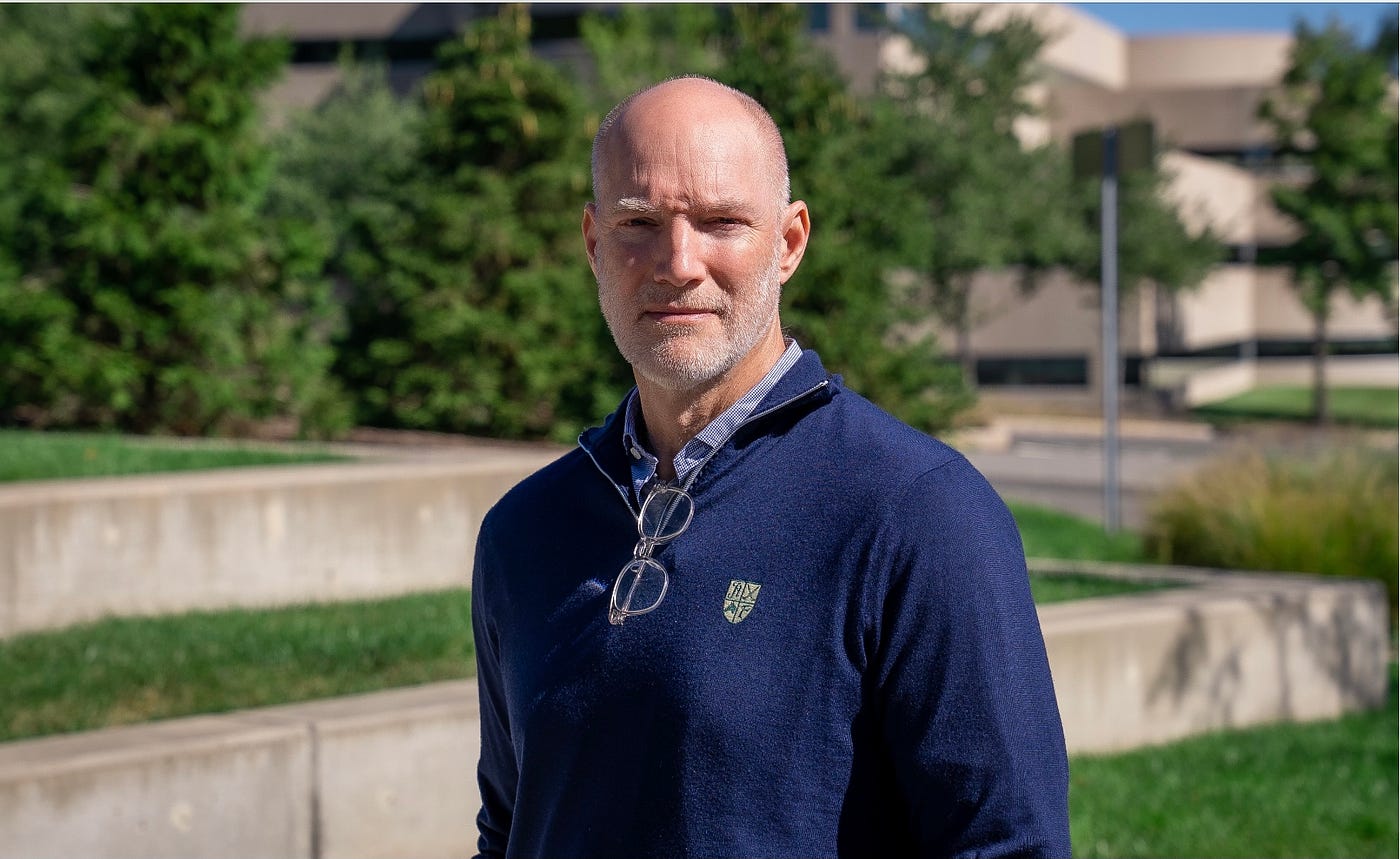
As a part of my series about the ‘Five Things You Need To Know To Succeed In The Real Estate Industry’, I had the pleasure of interviewing Shane Connell.
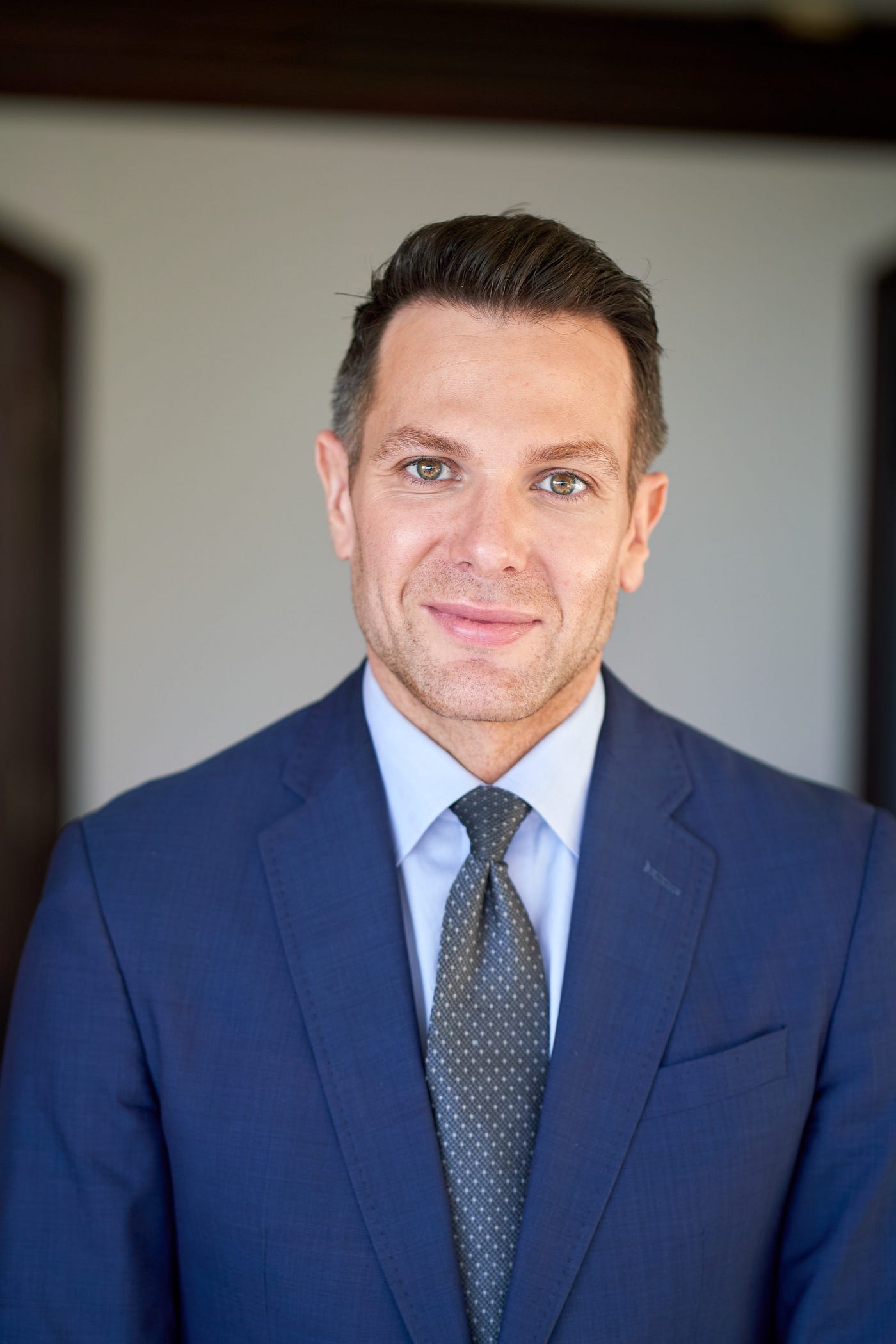
Shane Connell is the Executive Vice President of The Connell Company, one of the largest diversified, privately-held companies in the United States, and is currently leading the $400-million transformation of The Park at Berkeley Heights, a collegiate-inspired, mixed-use campus.
Thank you so much for doing this with us! Can you tell us the “backstory” about what brought you to the Real Estate industry?
I’m part of the fourth generation that is active in The Connell Company’s family business, which was founded in 1926 as a rice trading company. In the early 1980’s the company entered the real estate business when it developed a 428,000 square foot office building in New Jersey. I joined the family business in 1995 and started working in the real estate division shortly thereafter. I’m now responsible for growing and operating the real estate group for future generations.
Can you share with our readers the most interesting or amusing story that occurred to you in your career so far? Can you share the lesson or takeaway you took out of that story?
My grandfather always warned us to never enter the hotel business because it is not a true real estate investment, but rather an operating business that requires daily sales of rooms and a large, complex team to run and maintain the hotel to the highest quality of service. In 2018, as we began the first phase of repositioning our office park into a mixed-use campus, we built a hotel in The Park, located in Berkeley Heights, NJ. Our grandfather was correct: a full-service hotel is not a real estate investment, but as it turns out neither are office buildings. Amidst the current climate, companies and employees now require and expect hospitality-focused design, services and amenities. Our experience in owning a hotel has been a huge benefit to better understanding how to upgrade, design and service our office buildings to create a more authentic hospitality-driven business campus.
Do you have a favorite “life lesson quote”? Can you share a story or example of how that was relevant to you in your life?
The Park’s master brand quote is “live your life”. We chose this quote for multiple reasons. It represents that we should live our lives to the fullest and that life is more than just about work. A balanced work/life experience is integral to one’s productivity and mental wellbeing. This quote also represents equality for everyone. We believe everyone should be able to live a peaceful and rewarding life, regardless of race, sexual orientation or gender — everyone deserves to live their life.
Are you working on any exciting new projects now? How do you think that will help people?
The Park, originally Connell Corporate Park, was formerly a traditional suburban office park with five office buildings totaling 1.2 million SF. My generation is stewarding the reimagination of The Park into a hospitality-driven, collegiate-inspired business campus that offers a work/life balance workspace solution. Our repositioning strategy for The Park is to transform it into an urban type of mixed-use campus, creating a culture that offers a work/life balance to employees, and therefore helps large and small tenants who locate to The Park better recruit and retain employees by offering elevated amenities, services, social options, wellness programming and shared indoor and outdoor spaces.
What do you think makes your company stand out? Can you share a story?
As a family business, we are more intimately connected to our employees, and as a result, offer above industry standard benefits. Employee benefits include full health care, free access to on premises primary care physicians, mental and physical therapy, concierge medical services, full dental care, life insurance and we fund 30% of every employee’s salary into their pension. As a result, we tend to keep our employees throughout their career and have experienced minimal turnover
None of us are able to achieve success without some help along the way. Is there a particular person who you are grateful towards who helped get you to where you are? Can you share a story about that?
My grandfather: Joining a family business lends itself to having the patriarch of the family be your mentor. Growing up around my grandfather and wanting to follow his example to grow and manage the company in his image is very important. His basic philosophy for commercial real estate (CRE) is still the philosophy we follow to this day: “Do not over leverage your real estate assets, pick the right location and build the best quality building.” These are still the guiding principles for our generational hold CRE strategy. As a result, we are extremely financially conservative and all five of our office buildings and the hotel at The Park were built without incurring debt.
Ok. Thank you for all that. Let’s now jump to the main core of our interview. Can you share 3 things that most excite you about the Real Estate industry? If you can please share a story or example.
1. Technology
o One of the most exciting changes in the real estate industry is around the vast transformations happening at the workplace and the resulting impact on office buildings. Technology has drastically changed how and where people work. Office buildings no longer just offer employees a place to sit from 9 a.m. to 5 p.m. They now need to offer work/life balance options and working spaces that include collaborative hubs, social spaces, convenient access to food, entertainment, outdoor spaces and superior technology.
2. Hospitality
o All real estate asset classes now have to offer more than just their original primary use. We are investing tens of millions of dollars into each office building to completely change their functionality and offerings with hospitality influenced designs, amenities and services. Additions include gyms, game rooms, dining centers, lounge seating, conference rooms, and catering solutions — all serviced by in-house hospitality, culinary, concierge, health & fitness and social activations teams.
3. Flex-Office Spaces and Social Hubs
o People now work at home, live at work, socialize at the office, eat with coworkers and friends, and so on. These workplace changes have led us to create Round Table Studios, our own co-working and flex workspace solution for the campus that includes all the new work/life offerings needed to change the way people live and work. RTS is not just a workplace solution, but also a social club that offers a members-only restaurant and bar, gym with fitness and nutritional teams and an evening social calendar with dinner options.
Can you share 3 things that most concern you about the industry? If you had the ability to implement 3 ways to reform or improve the industry, what would you suggest? Please share stories or examples if possible.
Our biggest concern is how quickly things change in the real estate industry. Real estate development is expensive and can take several years to design and then build, and during this time needs, technology and cycles can change and evolve. To be relevant, you need to be forward thinking, creative and bold, while at the same time remaining conservative so that the product is viable for many years. To diminish these risks, you need to create a lifestyle brand that is recognizable and relevant to your users and that continually grows and changes with market changes.
What advice would you give to other real estate leaders to help their teams to thrive and to create a really fantastic work culture?
- Be passionate about what you are doing and why you are doing it.
- Hire people who are also passionate about the vision of what you are doing and empower them to contribute toward the project’s goals.
- Everyone on the team should have a role and the opportunity to lead and influence their specific field to create, build and operate the property.
- Real estate is all about how the spaces are used and how people share experiences with others. The design and operating teams have to be aligned from the beginning to successfully implement the project’s vision.
Ok, here is the main question of our interview. You are a “Real Estate Insider”. If you had to advise someone about 5 non intuitive things one should know to succeed in the Real Estate industry, what would you say? Can you please give a story or an example for each?
1. Do a lot of research before you move forward with a project. Read about and visit other development projects that are trying to do the same thing as you and critique what you think they did right and what you think they did wrong. Then, decide how you can do it better. You don’t have to reinvent the wheel, just make the wheel better.
2. Think outside the box. Real estate is about how the building and spaces are going to be used and everything about the space needs to be considered. Review how you can design the space better and build as efficiently as possible.
3. Have patience and be flexible. The CRE markets can be volatile and cyclical. The cycle should determine when you buy, sell or build. To have a long career in CRE and to ride out cycles, you must have low leverage, staying power and patience.
4. Assemble your dream team. Align your firm with a core team of third-party professional resources that believe in your vision. The right team can help make every project better and easier. No matter how big or small the project, a consistent approach and team is required to be successful.
5. Listen and be open to different opinions. Your professional team’s opinions can sometimes be more important than your own. They are the experts in their respective fields and their opinion is being raised because it adds value to what you are doing, and it’s important to empower them with your trust.
Because of your position, you are a person of enormous influence. If you could inspire a movement that would bring the most amount of good to the greatest amount of people, what would that be? You never know what your idea can trigger. :-)
We have purposefully prioritized health and wellness, as well as sustainability, as two of our master cultural influences at The Park. It is no secret that true physical and mental wellbeing requires a genuine commitment to our planet. That’s why we have sustainably designed The Park’s environments and amenities to prioritize holistic wellbeing and embody sustainable design and operating methods. The Park is a model for convenience, autonomy, health and wellbeing.
We prioritize sustainability through our solar panel canopies, electric car charging stations, walking paths and bike share program throughout the campus. The Park also offers outdoor workplaces and scenic hiking and jogging trails between buildings to provide opportunities for self-reflection or group interaction. Thoughtful exercise options and mindfulness experiences have been incorporated into each re-envisioned building, and our restaurants feature fresh, locally sourced ingredients. Through these efforts, we hope to inspire others in the industry to inject healthy living-focused amenities and sustainability elements into their projects.
How can our readers further follow your work online?
The Park has a detailed and informed webpage on all the offerings and services at the campus that one can follow to see what new features and activities are being offered. The Park also has an Instagram account that showcases all the Park offerings.
The Park also has many sub brands and offerings that also have Instagram accounts and that showcase what they are doing. Accounts include, Embassy Suites of Berkeley Heights, Grain & Cane restaurant, Round Table Studios coworking and FIELDHOUSE gym and game room.
Thank you for your time, and your excellent insights! We wish you continued success.
JH
Written by
Jason Hartman
Editor & Journalist · Authority MagazineJason Hartman is a senior columnist at Authority Magazine covering Business and Tech, conducting primary-source Q&A interviews with founders, executives, and industry leaders.

Published inAuthority MagazineTop Lessons, Top Authorities · 42K Followers
Exclusive, curated interviews with the leaders and changemakers shaping tomorrow. Leadership lessons, industry deep dives, and executive profiles.