If you’re in an entrepreneurial environment, you will inevitably experience ups and downs. To manage that, you need the mental capacity and agility to move through the “muck” and know that it will end in a good place if you do the right things.
Business
Michelle Zimmerman of Sema4: The Conscientiousness and Resilience Test That Drives Precision Oncology Success
How does a successful, strong, and powerful woman navigate work, employee relationships, love, and life in a world that still feels uncomfortable with strong women? In this interview series, called “Power Women” we are talking to accomplished women leaders who share their stories and experiences navigating work, love and life as a powerful woman.
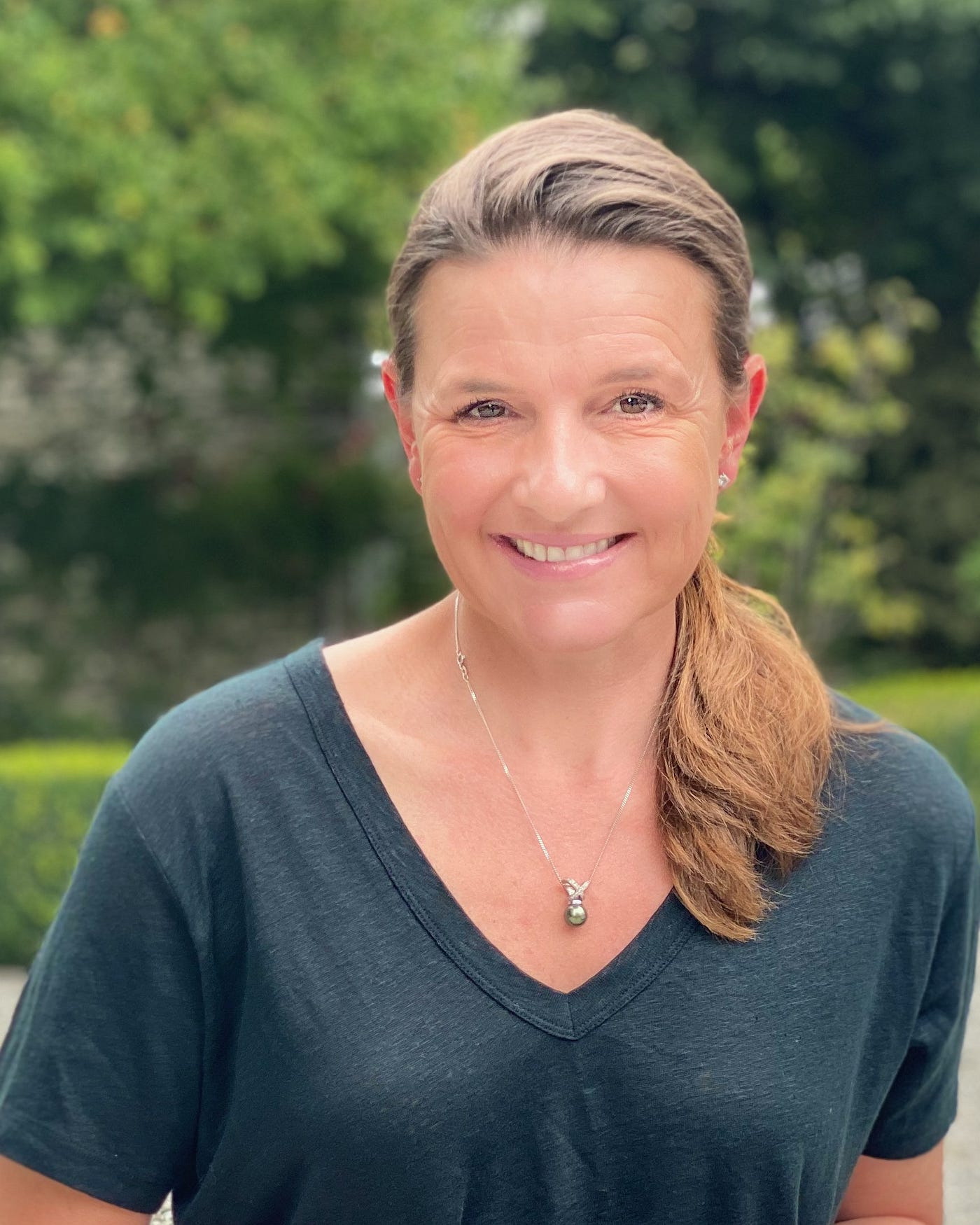
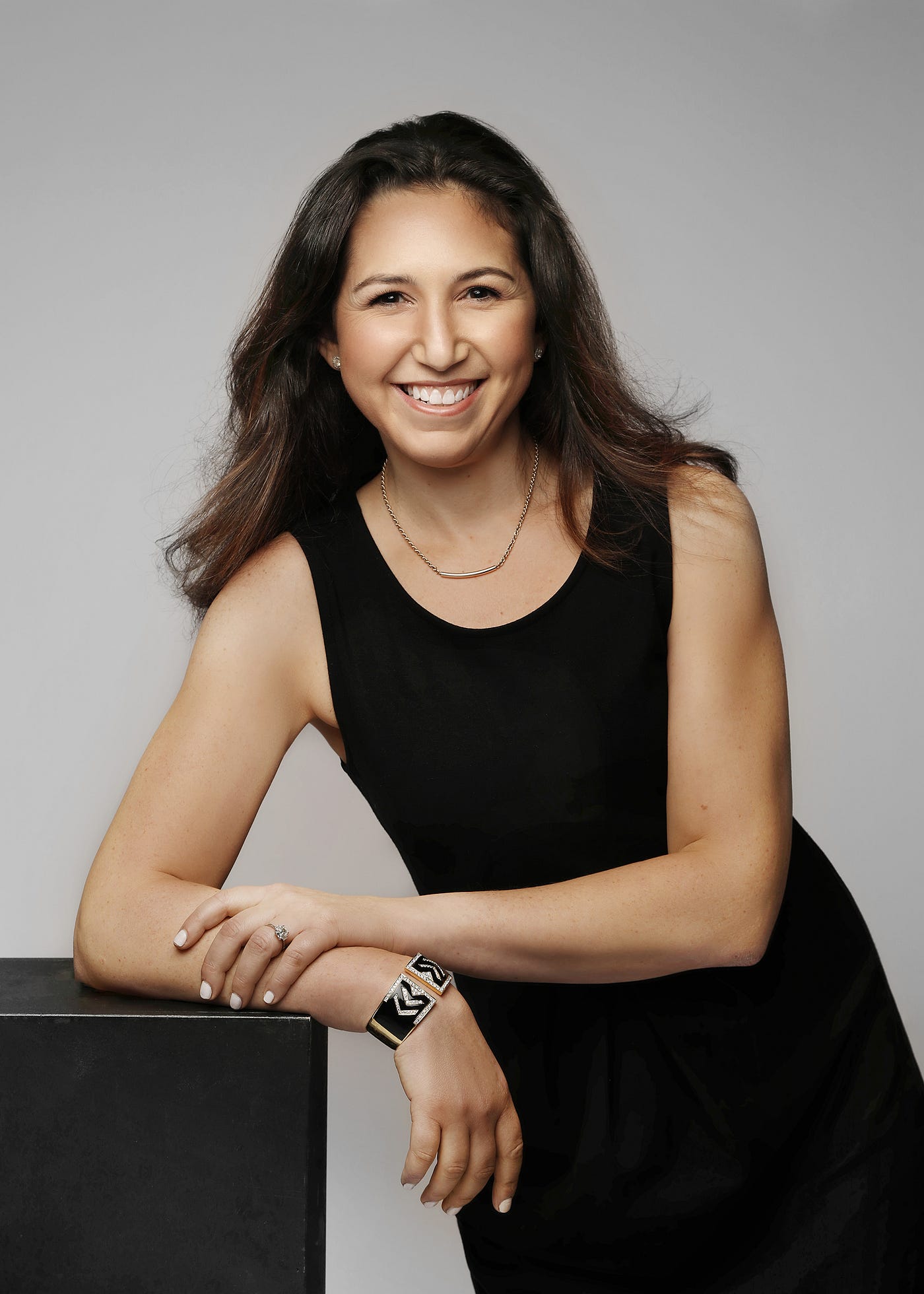
As a part of this series I had the distinct pleasure of interviewing Michelle Zimmerman.
Michelle Zimmerman serves as the Senior Vice President and General Manager of Oncology Solutions and Emerging Markets at Sema4, a patient-centered health intelligence company. Michelle is a seasoned healthcare executive with expertise building and growing companies in digital health, health services, health insurance, and health information. At Sema4, Michelle leads the oncology business unit, scaling the company’s data-driven solutions to enable precision cancer care, and also oversees the development of new lines of business to transform the standard of care across other areas of disease and wellness. Prior to joining Sema4, she served in leadership positions across a number of healthcare growth companies. Michelle began her career in management consulting with the Boston Consulting Group and then in corporate law with Paul Weiss, Rifkind, Wharton & Garrison.
Thank you so much for doing this with us! Before we dig in, our readers would like to get to know you a bit more. Can you tell us a bit about your childhood “backstory”?
I grew up in Toronto, Ontario in Canada and am a middle child. From an early age, I understood the importance of hard work and academics, the value of friends, family and community, and the benefits of taking a structured approach to the day to experience as much as possible. I had a diversity of interests and activities as I grew up, including figure skating and dancing, playing in and organizing team sports, including ice hockey, of course, classical piano, fundraising for numerous charities, and serving as a camp counselor, youth leader and tutor. I was also fortunate to travel with my family and to eventually backpack independently and with friends.
Can you tell us the story about what led you to this particular career path?
I’ve always been passionate about healthcare, finding inspiration in my mother who served as Chief of Medicine at an academic hospital in Toronto, one of few women to hold such a senior position at the time. Over multiple summer jobs I was exposed to different facets of healthcare. One notable experience involved my co-authoring a public health document that helped facilitate the passing of legislation to enable virtual pharmacies in Ontario. Although I initially took a different career path, I ultimately found my way back to healthcare. A pivotal moment is when I introduced myself to the then Aetna CEO, and his chief of staff, after watching him deliver a speech. That introduction led me to my first role in managed care and ultimately paved the way for me to establish a career in building technology-enabled healthcare service companies critical to transforming the delivery model to improve the standard of care.
Can you share the most interesting story that happened to you since you began your career?
Meeting the CEO and Chief of Staff of Aetna at a networking meeting about 10 years ago is one of the most significant and interesting moments in my career. Despite not having any direct experience in U.S. healthcare at the time, I leveraged the opportunity to secure a role in building and incubating healthcare technology companies that were funded by Aetna acting as a venture capitalist. It set me on the path to where I am today and shows the importance of networking and building relationships. I am still in touch with that chief of staff who took that call and navigated me to the right group.
You are a successful business leader. Which three character traits do you think were most instrumental to your success? Can you please share a story or example for each?
First, conscientiousness. Each time I took on a new leadership role in healthcare I was not initially a domain expert in the space and sometimes even had to expand my functional skillset beyond what was in my toolkit to be successful. For example, when I joined Sema4 to build our oncology business, while I had experience on the managed care side of oncology, I didn’t come from the precision medicine space. To become an expert as quickly as possible, I spoke to everyone I knew to get their input and spent many weekends poring over equity reports and industry journals. The work paid off.
Second, resilience. If you’re in an entrepreneurial environment, you will inevitably experience ups and downs. To manage that, you need the mental capacity and agility to move through the “muck” and know that it will end in a good place if you do the right things. Experience in other parts of life can be useful to develop resilience that can feed into your work life. For example, when I tore my ACL, I had one of the worst post-surgical healing experiences my physical therapist (PT) had ever seen. But, being an athlete, I was committed to getting back to normal activity as quickly as possible. So, I recruited my “team”, which included a PT and personal trainer to help me get there and followed their advice religiously. I probably looked pretty silly crunching into the gym with a brace day in and day out but it served me well as I ended up going from the worst my PT had ever seen to the fastest he had ever seen get back to running. There were many difficult steps where I could have given up, but I pushed through to make it happen.
Third, curiosity. As a leader, you are charged with building diverse teams of people who together can do the impossible. You need to be genuinely curious about people so that you can build effective relationships. For example, during my early days of working in healthcare, I ran a healthcare networking group in New York that was founded with 10–15 individuals I knew. They worked across different areas of healthcare and who were also people you would want to grab a drink or go for brunch with. The group met regularly, and each individual was asked to bring a “friend” — someone else who also worked in healthcare — so we could grow organically. It was my curiosity that motivated me to build this group. The highlight was watching others build relationships and find new jobs. I also cultivated many friendships that I maintain today.
Ok, thank you for that. Let’s now jump to the primary focus of our interview. The premise of this series assumes that our society still feels uncomfortable with strong women. Why do you think this is so?
Women are consistently judged differently because they often engage in a different way to men. This becomes particularly noticeable as you take on senior roles in your career where the room often has significantly more males than females. When a conversation is dominated by men, the flow and vocabulary used is different when there is more of a gender mix. And then, there are gender norms around the way women ought to behave. If women adapt to the gender mix in the room that behavior may be perceived negatively. Of course, this dynamic also wildly varies from company to company, depending on whether the leaders of the business truly see women as equal members of workforce. As society continues to reset expectations for women in the workforce, we’ll see even more progress but we’re not quite there yet.
Without saying any names, can you share a story from your own experience that illustrates this idea?
When I’m in the market talking to other people, I regularly engage with men at a senior level. With at least some of them, I observe that they are sizing me up and questioning my role and expertise in a way that a man in my position would never typically encounter. I think this type of situation is particularly challenging for younger looking women. As a woman, I need to work even harder to earn respect and to prove myself in these interactions. With men, they usually have credibility as soon as they walk in the room and will then only potentially lose it through the subsequent interaction.
What should a powerful woman do in a context where she feels that people are uneasy around her?
Hold one-on-one discussions with each person and get to know each other better as people. Sometimes people have presumptions about individuals, which may be untrue. If a woman is direct, she’s often framed a certain way. Having broader and personal relationships can change somebody’s perspective because that understanding is used as a filter for conversation. Help people understand you’re a real person with kids, interests, etc., and that you’re just trying to do your job.
What do we need to do as a society to change the unease around powerful women?
There are a couple of things. First, we need a systemic approach to increase the number of women in leadership positions, helping to further demonstrate their effectiveness in delivering business results and fostering a collaborative and high performing culture. Build an evidence base of women’s impact through more case studies that are made available across society. Second, more companies need to understand the inherent biases that create additional hurdles many women must go through to achieve growth and progress. Businesses need to create the right structure, such as implementing a sponsorship program, to help women reach their full potential.
In my own experience, I have observed that often women have to endure ridiculous or uncomfortable situations to achieve success that men don’t have to endure. Do you have a story like this from your own experience? Can you share it with us?
Yes, I have a few stories. When I was much younger, there were instances when men I was networking with propositioned me. It was challenging to let them down gently while still trying to maintain a productive professional relationship. And then, a little more recently, a man directly asked me if I was qualified to do my job despite the credentials I bring to the table. I usually shrug it off with a joke, but it is a sobering reminder of how far we still have to go.
In your opinion, what are the biggest challenges faced by women leaders that aren’t typically faced by their male counterparts?
There are a couple of challenges that stick out for me. First, some behaviors important for being an effective leader are expected from a man but are frowned upon if coming from a woman. This can make it difficult for women who often face a narrower path to winning respect and likeability. Second, having a family presents unique challenges for women. Besides the obvious aspect of carrying and giving birth to a child, the woman is most typically shouldering more than the lion’s share of responsibility with all aspects of care related to her child(ren). Men can get away with a lot less, giving them the opportunity to focus more on work.
Let’s now shift our discussion to a slightly different direction. This is a question that nearly everyone with a job has to contend with. Was it difficult to fit your personal and family life into your business and career? For the benefit of our readers, can you articulate precisely what the struggle was?
It’s always a work in progress but you can find the right balance by being very purposeful about structuring work and other parts of your life. Keys to success including working for a company that values the importance of family and having a role where there’s some flexibility with your hours and where you get your work done. It also helps to build your career in an industry for which you have great passion so that your job most often doesn’t feel like work. And then, of course, your partner. It is important to be with someone who supports your career and your aspirations, whose input you value and who also views parenting as a team effort.
What was a tipping point that helped you achieve a greater balance or greater equilibrium between your work life and personal life? What did you do to reach this equilibrium?
Over the years, I’ve found it important to be fluid and adaptable to reach my equilibrium. My priorities in terms of time allocation and mental space have changed as my life evolved from being single to getting married to becoming a mother. Consciously reprioritizing at different times in my life has allowed me to optimize for the right mix and to invest time in the things that are most important to me, which includes making time to give back to others. I’ve strived to do this even in the most challenging of times, such as last year when I became a first-time mother at the start of the global pandemic while simultaneously launching a new business unit.
I work in the beauty tech industry, so I am very interested to hear your philosophy or perspective about beauty. In your role as a powerful woman and leader, how much of an emphasis do you place on your appearance? Do you see beauty as something that is superficial, or is it something that has inherent value for a leader in a public context? Can you explain what you mean?
I personally focus more on my health and fitness versus having a strong beauty regiment. I’m committed to exercising at the crack of dawn every morning and spend far more time on that than putting on makeup. Regardless, there is still value placed on appearance in society and so, being aware of that, I do try to go the extra mile when the situation calls for it. Most importantly, however, I have found that a firm handshake, a smile, and an area of overlapping interest also go a long way.
How is this similar or different for men?
The bar is lower for men. If a man is wearing a suit or other appropriate attire, nothing else typically matters. At least right now, it’s impossible to get away from this dynamic. There seems to be more separation for men between their appearance, their likeability, and the credibility that they have to get their job done.
Ok super. Here is the main question of our interview. Based on your opinion and experience, what are the “Five Things You Need To Thrive and Succeed as a Powerful Woman?” (Please share a story or example for each.)
- Two-way support system. Life is a long game with ups and downs. Having a family, friends, and mentors supporting you throughout your career journey is irreplaceable. It’s also vital to build relationships through networking and get to know your colleagues better at a personal level. It’s equally important to give support. You want to be part of a community and give to others, especially with your time and relationships.
- Mental release. For me, it’s exercise. I love working out in large part because it’s a great stress reliever, it’s fun, and frankly, I get my best ideas during exercise.
- Self-discipline. It’s easy to be pulled in many different directions. Having the ability to sharply focus on what you’re seeking to accomplish is critical.
- Purpose. Think about your career as a journey that includes a series of roles and be purposeful about what you’re choosing and why. I’ve pivoted my career multiple times all while drawing upon and aggregating these different experiences and relationships to get to where I am today.
- Passion. Unless you truly care about what you’re doing, consider a different path. Without passion, it’s almost impossible to be creative and strategic enough to make the necessary impact that solves the problems in front of you.
We are very blessed that some very prominent names in Business, VC funding, Tech, and Health read this column. Is there a person in the world, or in the US with whom you would love to have a private breakfast or lunch with, and why? He or she might just see this if we tag them.
I would love to dine with Karen Lynch, the President and CEO of CVS Health. I’ve heard her name through the years and it’s amazing that she’s at the head of this business that could transform healthcare in the U.S. I’m interested in learning more about her journey, what it’s like to lead CVS Health, and her focus on elevating the company culture. As a special bonus, I’d like for us to do a pre- or post-meal cycle class with Robin Arzon on Peloton, perhaps a thematic ride with Madonna’s greatest hits.
Thank you for these fantastic insights. We greatly appreciate the time you spent on this.
MS
Written by
Ming S. Zhao
Editor & Journalist · Authority MagazineMing S. Zhao is a senior columnist at Authority Magazine covering Pop Culture and Business, conducting primary-source Q&A interviews with founders, executives, and industry leaders.

Published inAuthority MagazineTop Lessons, Top Authorities · 42K Followers
Exclusive, curated interviews with the leaders and changemakers shaping tomorrow. Leadership lessons, industry deep dives, and executive profiles.