Kid, don’t take anything personally…EVER. Not in work, music, life, or relationships.
INTERVIEW QUESTIONS:
Many successful people reinvented themselves in a later period in their lives. Jeff Bezos worked on Wall Street before he reinvented himself and started Amazon. Sara Blakely sold office supplies before she started Spanx. Dwayne "The Rock" Johnson was a WWE wrestler before he became a successful actor and filmmaker. Arnold Schwarzenegger went from a bodybuilder, to an actor to a Governor. McDonald's founder Ray Kroc was a milkshake-device salesman before starting the McDonalds franchise in his 50s.
How does one reinvent themselves? What hurdles have to be overcome to take life in a new direction? How do you overcome those challenges? How do you ignore the naysayers? How do you push through the paralyzing fear?
In this series called "Second Chapters; How I Reinvented Myself In The Second Chapter Of My Life " we are interviewing successful people who reinvented themselves in a second chapter in life, to share their story and help empower others.
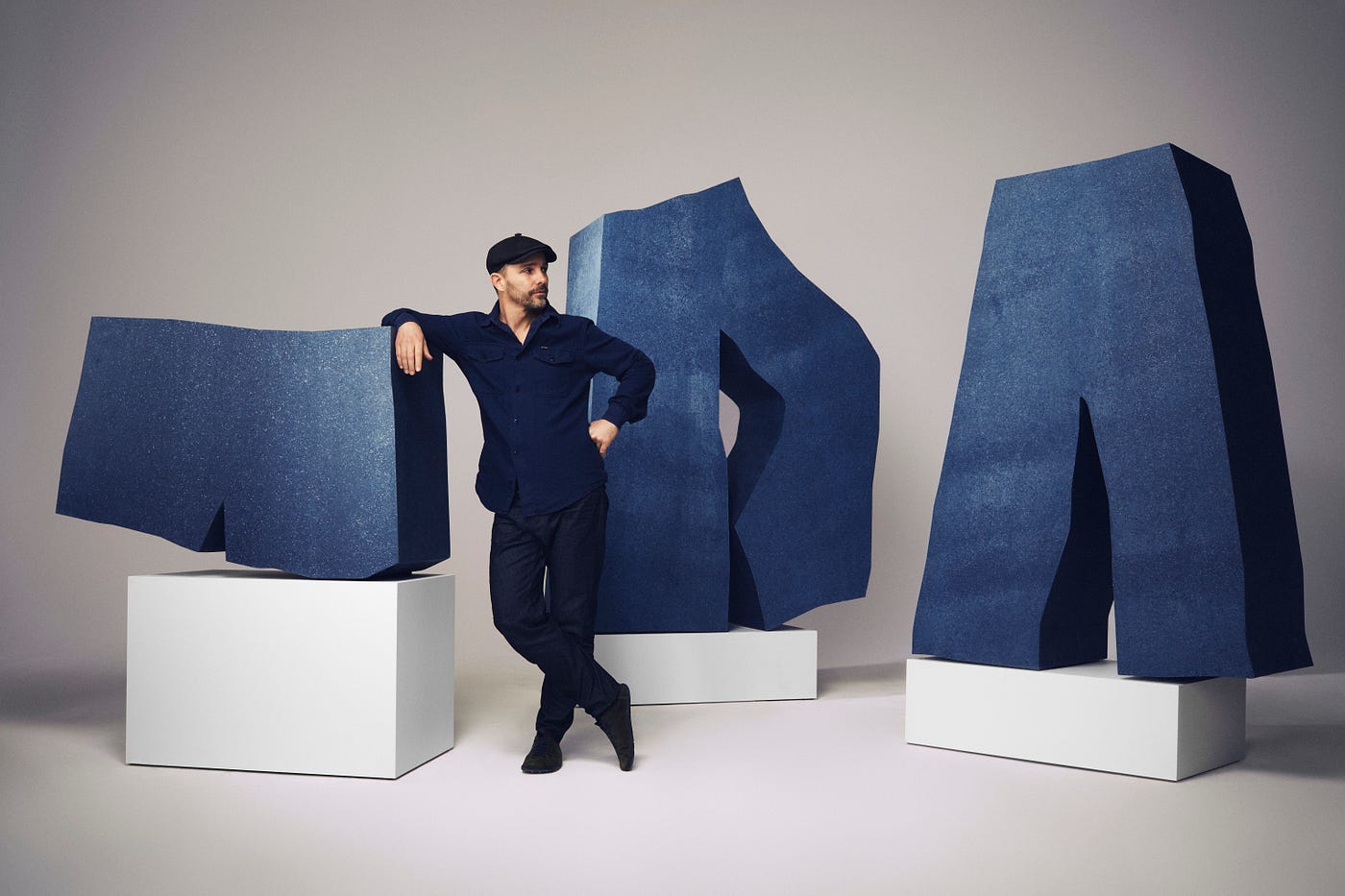
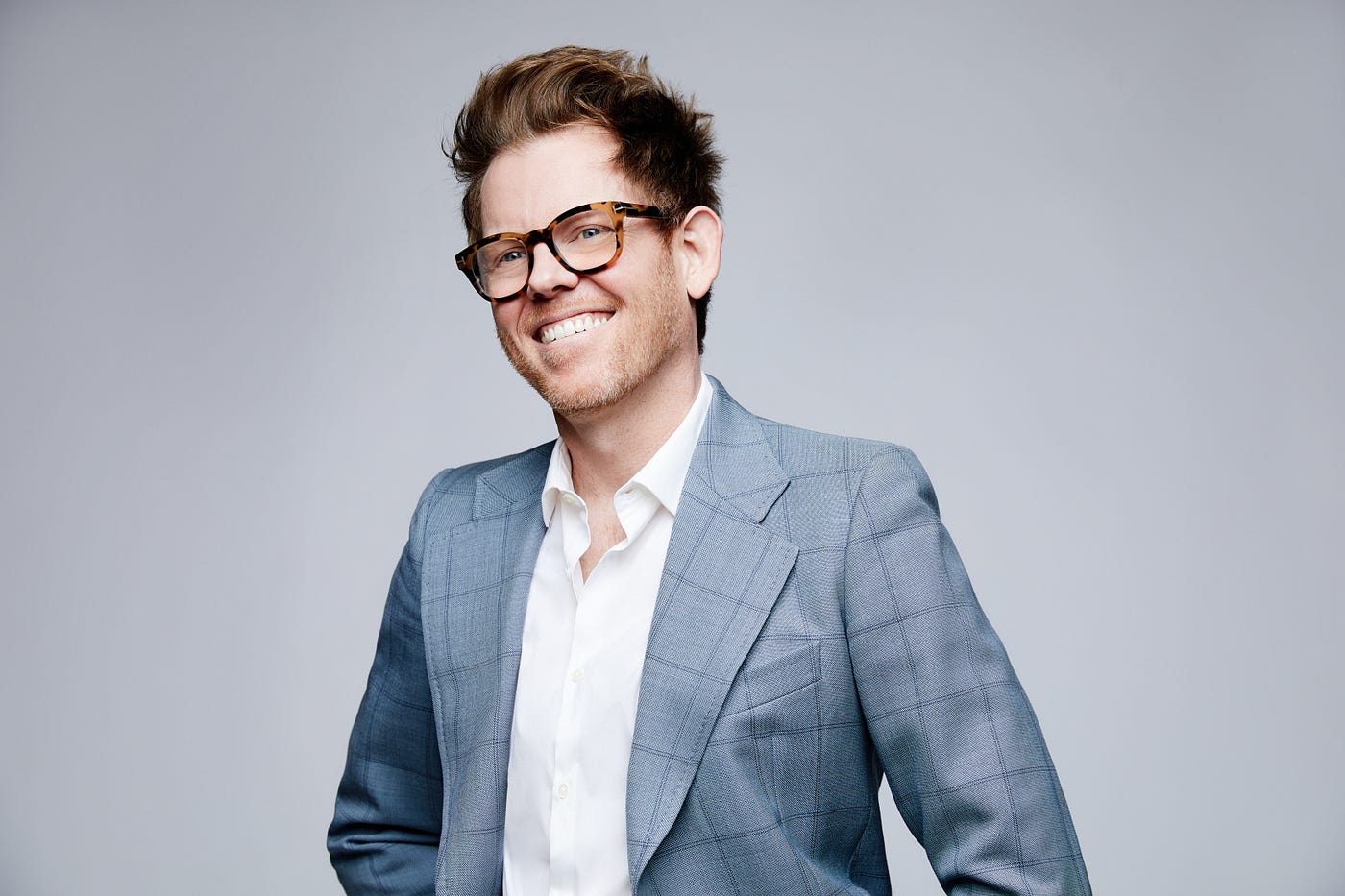
As a part of this interview series, I had the pleasure of interviewing Ryan Vaughn, Founder Backline Creative.
Throughout his more than 20-year career in music, Ryan Vaughn has had a hand in nearly every vertical in the industry, starting as a percussionist and drummer in both the studio and live on stage with artists of myriad genres, and transitioning to working in tour management, artist management, label management, production, consulting, A&R, digital distribution, marketing, publishing, and more. After working for 12 years as a professional drummer in NYC where he performed with more than 1,000 artists, on more than 100 albums, and multiple TV shows and movies, Ryan moved to Los Angeles to work as an executive, eventually founding his management company Backline Creative in October of 2017. Currently, Ryan works as a manager for independent artists at Backline Creative, and as the CFO of Head Bitch Music, the custom music and digital distribution company he runs with his wife and business partner, Jessica Vaughn.
Thank you so much for doing this with us! Before we start, our readers would love to “get to know you” a bit better. Can you tell us a bit about your childhood backstory?
I was born in Southern California and eventually moved to Prescott, AZ. Along the way I got into music at the age of 10 and started playing drums in grade school – I was definitely average at best compared to everyone else in California who had been taking lessons, but I persisted as best I could. After moving to Arizona, I discovered that kids there didn’t start taking music lessons or learning an instrument until 6th grade. So, I naturally chose to play drums, and because I had a year of experience over everyone else around me, I won the best parts, which gave me the confidence to lean into my desire to be a performer and musician. Looking back now, I might not have pursued music if my family hadn’t moved to Arizona because the missing link for me had always been confidence.
Eventually I started playing the drumset and inevitably joined jazz band. As time went on, I was fortunate enough to make the Sedona Jazz on the Rocks Youth Band my Junior year of high school where I traveled around Arizona and the Southwest as part of this all-star youth band, giving me more confidence to audition for the All-State Jazz Band my Senior year of high school, where I landed first chair. As a result, I was offered scholarships to continue my education in performance, eventually bringing me to Mesa Community College and later William Patterson University of New Jersey, before I settled into playing professionally in NYC.
Can you please give us your favorite "Life Lesson Quote"? Can you share how that was relevant to you in your life?
Back when I was finishing my bachelor’s degree and playing in a jam band called Swampadelica, my musical mentor Damian Calcagne told me “Kid, don’t take anything personally…EVER. Not in work, music, life, or relationships.” This quote has affected my life every single day since. I practice it as a husband, a friend, a musician, and even as a manager. Removing emotion and trying to be objective or coming to terms with knowing that people’s reactions whether positive or negative don’t reflect upon you, has been one of the hardest things to practice in my life. While it took me a while, it has helped me maintain and develop relationships throughout both my personal and professional life.
You have been blessed with much success. In your opinion, what are the top three qualities that you possess that have helped you accomplish so much? If you can, please share a story or example for each.
I’ve accomplished a lot through many means, but the three top qualities I think have helped me the most are:
1 – I’m Highly Organized.
My wife would joke that this comes from me being a textbook Virgo, and maybe it is! But I have always been into academia – I am great with numbers, words, I was the kid that sat in the front row at school, I asked questions, etc. That same skillset is what helped me excel at being a drummer as well. Learning how to do so many things at once isn’t easy, and when you’re drumming, you’re doing something different with each hand and foot, and coordinating all which takes a tremendous amount of time to master. That same eagerness to learn and organize also helped me be a better manager because I have to multi-task and juggle many different clients and projects at once. Without organization, I wouldn’t be where I am today.
2 – I Am Incredibly Persistent.
My persistence has impressed many of those around me, but in short, persistence is what allowed me to be a good businessman, entrepreneur, and professional drummer. I typically will take notes after I meet people, set reminders to pursue conversations and relationships, follow up with people consistently, etc. Persistence helped me get gigs, network, build my rolodex personally and professionally, and so much more. A great example of this goes back to when I was playing cajón for an artist at Rockwood Music Hall in New York City in 2005. No one else was really playing cajón at the time and I gained a reputation for being able to fill the space without being too loud – I sounded like I was playing a drumset without having a drumset. One night, three older gentlemen came around to talk to me and discuss how impressed they were with my work, and one gave me their card. I thought nothing much of it at the time, and I was planning on doing my usual routine for next day follow-ups, but when I looked at his card it read Benjamin Wagner, VP of MTV News. I thought to myself, “this is my big break!” Spoiler alert: it wasn’t, haha. After I emailed him the next day, he invited me to his apartment where I tracked cajón on his new album, The Desert Star. Through that one interaction and my persistence after the fact, he became one of my closest friends and mentors. Ben went on to introduce me to his network which inadvertently put me in contact with a plethora of performers which led to me becoming a working drummer.
3 – I Genuinely Love Music.
Sure, this can sound cliché, but in the end, nothing has been more influential in my life than music. Even when I stopped performing for my main source of income, I still couldn’t escape music… I had to work in the music industry in some way. I live and breathe it every day. Whether it’s marketing, social media, recording, mixing, mastering, performing, sync, or live performance, I’m lucky enough to have the real-life experience to be able to touch every single vertical for each client I represent. I truly love each aspect, including the boring stuff like admin and organization. I’ve learned that in the music industry you must genuinely love music to stay in it for as long as I have. There’s so many high highs and low lows, but the ride makes it all worth it at the end of the day.
Let’s now shift to the main part of our discussion about ‘Second Chapters’. Can you tell our readers about your career experience before your Second Chapter?
I can say without a doubt that it was amazing every single day. No two days were the same and I got to meet so many incredible people. To give full context, I’ve looked back to catalogue my experience and I’ve played with more than 1000 artists, and I have performed on more than 100 records in my career as a drummer/percussionist. That work defined my career and defined me as a human. I met my wife through it, I met my closest friends through it, and when I look back, I am so grateful that I chose to pursue my passion over money and stability. I could have pursued any other career: a doctor, a lawyer, a banker, or anything else really, but nothing was as fun. I took a risk in my 20s and I learned a lot about not only being a creative, but about life itself, and I never would have learned those lessons otherwise.
And how did you “reinvent yourself” in your Second Chapter?
In 2012, I had essentially already started reinventing myself. At the time, many of the places and companies I worked for (including ad agencies, recording studios, and live music venues) were starting to close or transition to DJs and negatively impact much of my work and income. As that steady income started to evaporate, I needed to make a change quickly and diversify because the odds of me landing a steady gig like the SNL band or the Late Show band were next to impossible. So, after hitting an emotional wall, I started looking into other industry verticals.
In 2016, I pivoted hard and moved to Los Angeles to marry my wife and I took a job as a booking agent which evolved into being an artist manager in 2017. Once that happened, I truly felt like I had found my new identity and it kickstarted my new chapter. While it was a slow evolution from performer to entrepreneur, the move to LA makes it feel like it happened overnight. I got older and had new priorities, and while it took a while, and saying no to 99% of gigs was hard, I’m fully into it after 7 years and I don’t regret any of my decisions.
Can you tell us about the specific trigger that made you decide that you were going to “take the plunge” and make your huge transition?
While I was starting to lose money and income, the biggest catalyst was falling in love with my wife. She didn’t want to move back to NYC and so I decided to kill two birds with one stone. She was not only the catalyst, but my biggest supporter. By believing in me and letting me use her brand and catalog as a guinea pig, I learned about all the things I now do day-to-day, and I would not be the professional I am without her.
What did you do to discover that you had a new skillset inside of you that you haven't been maximizing? How did you find that and how did you ultimately overcome the barriers to help manifest those powers?
Discovering my new skills took something very simple: I just started saying “yes” to everything and figuring it out. I attended a lecture by a working pianist while I was in college and he talked about his learning process which included ‘saying yes” to playing 3 hours of covers for a gig of which he knew zero songs, then going on to learn just enough to get through the gig. While it didn’t turn out perfect, he still took it with him and learned so much about himself and his abilities as a professional musician. I decided I should take that advice, and in October of 2017 one of my artist friends, Chris Ayer, kept asking me about managing him and so I decided to take the plunge – I said “yes.” Throughout that experience, even when I was uncomfortable and thought I was inadequate, I learned a lot and it proved essential in my metamorphosis from performer to executive.
In terms of barriers, it was two-fold for me:
1 – It took a few years to rebrand from drummer to industry professional. I feel like people didn’t believe me until 2021, and I had to jokingly say I was a “retired drummer” while saying no to 99% of gigs before the community really understood that I was serious about the new work I was doing.
2 – Trial and error, and repetition. I never realized that as a drummer I was always in the wings watching and absorbing information about what I saw around me, so by the time I said “yes,” I already knew a lot of what I needed to know to be an effective artist manager and music industry professional. The trial and error I went through was so important because after working on a hundred digital releases, I started to get the hang of it (fun fact: HBM released 365 digital releases in 2022), I learned how to properly negotiate publishing splits by doing it a hundred times, and so on and so forth. Eventually you realize you’re an expert in something when you can teach it, and I learned that through tutoring music theory in college. I started college knowing little to nothing about music theory, but after being encouraged to help others better understand music theory, I started tutoring all my classmates -- it’s the same with managing artists. These concepts stick with you in 1:1 meetings, calls, speaking at conferences, etc. This all allowed me to overcome feeling inadequate or underqualified as an artist manager.
How are things going with this new initiative? We would love to hear some specific examples or stories.
There are two sides to this:
1 – The Management Side.
The management side is fantastic. I have a full roster and all the artists I work with are excelling and growing at amazing rates. One of my artists FLAVIA recently signed with ONE FINNIX LIVE for international booking, which is super exciting! If you work in the music industry you know how hard it is to get a booking agent for an artist, especially an international agency, so it’s an absolute dream. We’ve also doubled her monthly listeners on Spotify in the last year, she’s had two HUGE syncs in Q1 2023 (Ginny & Georgia and Young Royals – both on Netflix), both of which helped her go viral and she even charted on TuneFind with both placements. We’re slowly building everyone’s brands and growing through syncs, touring, writing, etc., and it’s so amazing to see the fruits of our collective efforts in such a tangible way.
2 – The Label Side
Our label couldn’t be going better either. It feels like we’re growing by leaps and bounds. We’re working with amazing artists, and artists I used to look up to are asking me for advice on releasing their music independently. It’s unreal! I was a fan of these performers 20 years ago! It’s so cool on both a business and professional level that I’m able to work with them and provide them with my expertise.
Is there a particular person who you are grateful towards who helped get you to where you are? Can you share a story about that?
I think my first professor at Mesa Community College (MCC), Fred Forney, probably had the biggest influence on me as a young performer. Fred was the head of the jazz program as well as the Department Chair of the entire music curriculum at MCC. He recruited me out of high school to join the music program at Mesa Community College and I turned down full scholarships to all three in-state universities (NAU, ASU, and U of A) to study with Fred at MCC.
One story that sticks out was mostly an interaction Fred and I had in passing. I remember being spread thin around finals and juries (juries are performance-based finals for music performance majors) and I asked to be excused from an upcoming symphonic band performance so I could study and practice (there were typically 5-6 percussionists in symphonic band, so I thought I wouldn’t be missed). The conductor of the symphonic band was Fred’s mentor, Grant Wolf. I asked Grant if I could be excused because I was “drowning” in schoolwork. Naturally, Grant mentioned this to Fred and Fred called me to his office. All Fred said was “You’re not excused. Figure it out.” So, I did just that. I figured it out.
In hindsight, Fred was teaching me a real life lesson. Shit happens. We have to adapt and prioritize. Time management was challenging for me right out of high school, but the faculty at MCC really instilled a sense of realism in their students and most of the students that graduated from Fred’s program went on to be successful working musicians. Not only did we learn how to exist in academia, we all learned how to exist in the real world – we learned how to make a living.
Can you share the most interesting story that happened to you since you started in this new direction?
Working in the music industry, you quickly learn that almost everything you do is unexpected and interesting in some way, but I do have one really great example:
My first official management client, Chris Ayer, has since pivoted to being a full-time songwriter, meaning he doesn’t do much performing anymore, but one of our friends, Matt Simons (who has accumulated over a billion streams on Spotify alone) was offered direct support to open for the group 2CELLOS on their last tour. Long story short, Matt wanted Chris in the band and Chris said yes, but what we didn’t realize was the tour would be all arenas. They invited me along and I got to go to all these incredible venues all around the world as a manager and we closed it out with two nights at the Wembley Arena in London, UK. I got to bring my wife to London for not only her first time being there, but her first time out of the country, and we got to experience something so magical and hang out backstage with these world-class musicians. It was a truly humbling experience that made everything feel full circle. Here we were, musicians who not 10 years ago were struggling and starving in NBYC, both literally and metaphorically, now taking on these new roles, breaking bread and participating in something as special as that.
Did you ever struggle with believing in yourself? If so, how did you overcome that limiting belief about yourself? Can you share a story or example?
To be honest, this is something that is still an ongoing battle, and there’s nothing wrong with that. If you’re not nervous, you’re not a human. It’s normal to question yourself and feel like you’re not good enough to a certain degree. I’m always trying to humble myself and it’s nice to know that there’s something more to learn and to know. As a manager, there’s so many layers to the work we do, the moment we feel like we know it all is the moment something is wrong. No single person can know everything in each vertical and acknowledging that something is not your strength is important. As an extension, learning to delegate control is important to accept, too. Lean into your strengths, accept weakness and come to terms with knowing you can’t know everything, and things will be much easier - it’s certainly done that for me.
In my own work I usually encourage my clients to ask for support before they embark on something new. How did you create your support system before you moved to your new chapter?
I worked with my friends! It gave me a safe space to learn these new roles with people who I not only trusted but trusted me. They encouraged me and believed in me and my abilities before I did. Our pre-existing relationships and established bonds allowed me to take risks knowing they would be kind to me if I made a misstep. For me, I had known and had a decades-long relationship with my first management clients and that was an essential part of my growth and development.
Starting a new chapter usually means getting out of your comfort zone, how did you do that? Can you share a story or example of that?
I just jumped in head-first. You know, as a neurotic Virgo, I always want to be the best at what I do. As a result, I have major deep dives into learning about new subjects. When I decided to go into management, I bought a bunch of books, I watched a ton of videos, and I asked all my manager friends to coffee to learn what they knew. A great example comes from one of my clients who not long after I said yes to managing him, invited me to go to Amsterdam and represent him in a label negotiation. I had no business being there, but I decided to accept his invitation (say “yes” and figure it out later) and I immediately tried to learn all I could from various colleagues about negotiating label deals. I didn’t want to feel like I was posturing, and I didn’t want to look like an amateur in the room with people I had never met, so I called myriad attorneys and managers and sought their advice. That commitment to get out of my comfort zone in such an extreme way quickly built my confidence to continue in my role as an artist manager.
What are your "5 things I wish someone told me before I started" and why? Please share a story or example for each.
1 – It’s more work than you think!
Nothing can prepare you for the amount of work that comes with being an artist manager. I happened to get into management at a turning point (TikTok, streaming, and consumer consumption were just starting to take over the industry). I think I might have prepared differently if someone had told me how much work was ahead of me. I definitely would have taken a class or two rather than just watching videos or reading books, haha!
2 – You can’t do everything…
I have a bad habit of trying to touch everything in my business and it’s just not an effective leadership strategy. I continue to practice delegating and offloading work.
3 – Do it, delegate it, or dump it.
These wise words were gifted to me by my wife via her executive coach. I have always been bad at delegating work, so I take this mantra to heart. It’s similar to the above point, but it also alludes to the art of saying “no.” Over-extending oneself can also be a problem in today’s world, so I am also trying to turn down work that I really don’t have the bandwidth for these days. As a recovering drummer, it’s hard to turn down work. The FOMO is real!
4 – Establish a healthy work life balance.
This is also something I continue to struggle with. I have always been a workaholic and it’s easy when you love what you do! I am trying to be better at making time to relax, practice self-care, establish hobbies outside of my industry, hang out with friends and love ones, as well as take actual vacations.
5 – Keep your eyes on your own paper.
My management clients are probably sick of hearing this phrase, haha. As a drummer, I was always self-conscious about losing work to my colleagues because not only is side musician work highly competitive, it’s also highly subjective. It doesn’t really matter why I didn’t get called to play with an artist or play on a record because I have little to no control over those results. All I can control is how I prepare for shows and how I conduct myself on and off the stage. I feel like I could have been more supportive of my peers, and I could have spent more time working on myself as opposed to worrying about why something did or didn’t happen. I definitely practice this mantra daily!
You are a person of great influence. If you could inspire a movement that would bring the most amount of good to the most amount of people, what would that be?
From a music industry perspective, I would very much like to create a movement that brings more equity back to artists and creatives. The system as it stands now has just been “patched over” rather than rebuilt, even though it’s changed drastically in the last 20 years. None of the industry bureaucrats or major players really want to commit to a systemwide overhaul – they have too much to lose. A large portion of people in the industry say artists have more control than ever, but they still don’t have control over their money (specifically their royalties) or even their work (their copyrights).
Creatives need more ways to earn money without being taxed by countless middlemen or having to submit so much paperwork that they’re seemingly discouraged from wanting to collect their micro-pennies of royalties. The entire system feels like it’s designed to prevent artists from advocating for themselves or collecting what they’re owed. There are more than enough people in the music industry to make a change, but there are so many disincentives from power players and major authorities that indirectly prevent changes from moving forward. Changing how royalties are collected and distributed would help millions of artists all around the world.
We are very blessed that some very prominent names in Business, VC funding, Sports, and Entertainment read this column. Is there a person in the world, or in the US with whom you would love to have a private breakfast or lunch with, and why? He or she might just see this if we tag them. :-)
I would love to have lunch with John Silva from Silva Artist Management. John has worked with artists such as Beastie Boys, Beck, The Chicks, Foo Fighters, Norah Jones, Jenny Lewis, Jimmy Eat World, Nine Inch Nails, and Nirvana (to name a few). I have an immense amount of respect for what he’s accomplished in the music industry. John continues to attract the biggest clients in the world, and I think that it would be awesome to break bread and just pick his brain!
How can our readers further follow your work online?
You can follow me on socials personally at @ryandrummerboy, professionally at @backlinemgmt, on Linkedin, and on my websites www.backlinecreative.com and www.headbitchmusic.com.
Thank you so much for sharing these important insights. We wish you continued success and good health!