Being perceptive means not just functioning as an HR professional but also having a touch of psychology and finance expertise. It’s about understanding how these insights can impact your organization.
Business
Ruchi Kulhari of Unisys on Business Acumen, Empathy, and the Psychology of Leadership
The Unisys CHRO shares how her clinical psychology background shapes her approach to corporate strategy, business acumen, and boardroom leadership.

Most leaders don’t see how to employ HR as a strategic pillar of the business and this leaves a lot of professionals feeling somewhat frustrated. In this interview series, we talk to HR professionals, business leaders, and anyone who is an authority on HR who can share what companies can gain by having HR in the boardroom and why and how HR should help drive company decisions. This time we had the pleasure of interviewing Ruchi Kulhari.
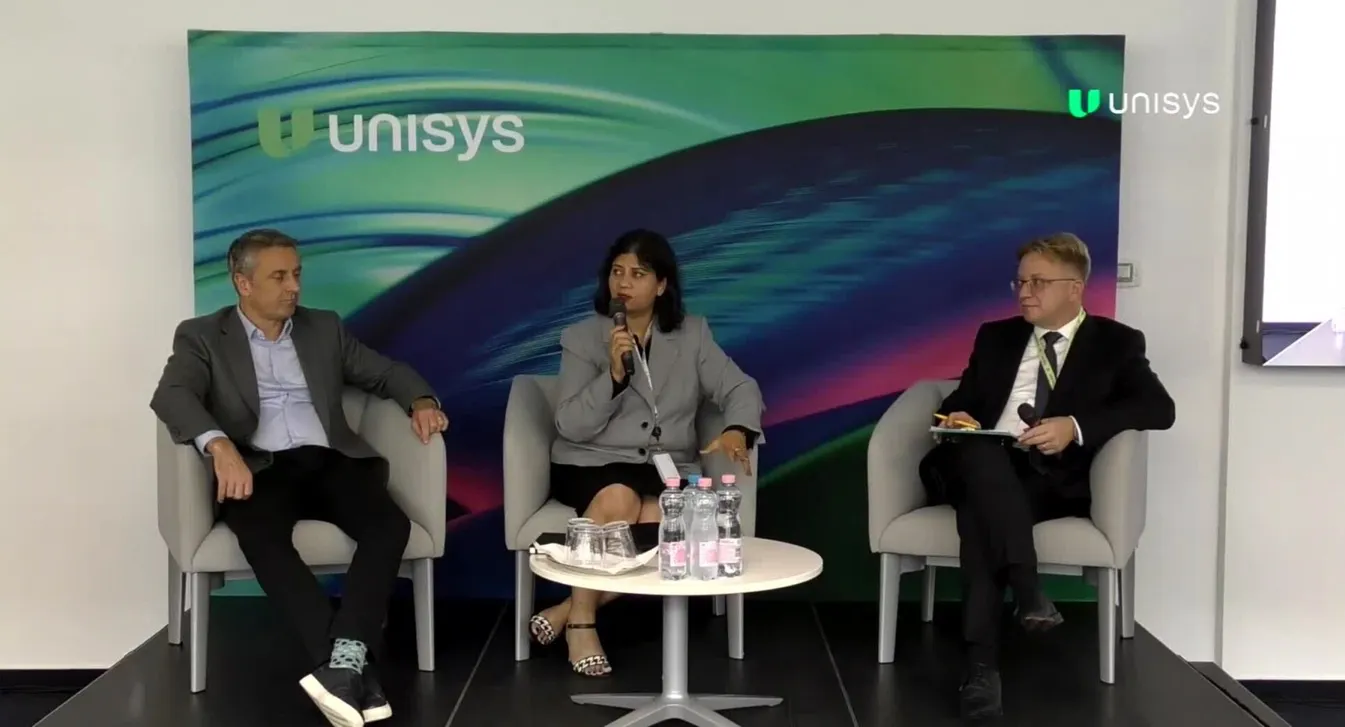
Ruchi Kulhari joined Unisys in April 2024 and serves as Senior Vice President and Chief Human Resources Officer (CHRO).
As the CHRO, Ruchi oversees human capital strategies for the company, including organizational design, associate training, recruitment, retention, leadership, career development, and inclusion initiatives for the company.
Prior to Unisys, Ruchi amassed nearly two decades of progressively senior-level human resources leadership experience, most recently serving as the chief people officer for Coforge. In addition to her time at Coforge, she has held global human resources roles with Infosys and EXL Services.
Thank you so much for your time! I know that you are a very busy person. Before we drive in, our readers would love to “get to know you” a bit better. Can you tell us a bit about your ‘backstory’ and how you got started?
I started my career as a clinical psychologist. Over the years, the psychometric evaluations, behavioral assessments and trainings brought me into the corporate world. I have had a rewarding career, from working in various spheres of HR and business to managing M&A and sales effectiveness, which has given me a deeper understanding of business operations. My journey has been rich and diverse, transitioning from learning and practicing behavioral therapy to reviewing P&L, and now leading HR at a global company. This diverse experience has allowed me to develop a unique perspective and a comprehensive understanding of both psychological principles and business strategies.
Is there a particular person who you are grateful for who helped get you to where you are? Can you share a story?
True success demands unwavering perseverance, an unbreakable will, and a village of supporters. My parents and my bosses — some more than others — have shaped me into who I am today, not just in my position but as a person and a leader.
Can you please give us your favorite “Life Lesson Quote”? Can you share how that was relevant to you in your life?
“It is not the critic who counts; not the man who points out how the strong man stumbles, or where the doer of deeds could have done them better. The credit belongs to the man who is actually in the arena, whose face is marred by dust and sweat and blood; who strives valiantly; who errs, who comes short again and again, because there is no effort without error and shortcoming; but who does actually strive to do the deeds; who knows great enthusiasms, the great devotions; who spends himself in a worthy cause; who at the best knows in the end the triumph of high achievement, and who at the worst, if he fails, at least fails while daring greatly, so that his place shall never be with those cold and timid souls who neither know victory nor defeat.” ― Theodore Roosevelt
In all aspects of life, you will face challenges. Often, it isn’t about whether you fail, but how you get back up and try again when you do. I try to live by this quote every day, to ensure that I am showing up in the arena of life and persevering through every success and failure. As a leader, I try to embody this mentality with my team, to help them feel empowered to learn new skills, take bold action and thrive in a culture that encourages innovation.
Thinking back on your own career, what would you tell your younger self?
If I could go back in time, I would share the following wisdom with my younger self:
- Embrace Failure: “Don’t fear mistakes — they’re your greatest opportunities to learn and grow.”
- Invest in Relationships: “Your network will be one of your most valuable assets. Build genuine connections, listen more and always offer value.”
- Trust Your Instincts: “Be confident in your decisions. While advice is valuable, don’t let doubt overshadow your intuition.”
Why do you think HR deserves a place in the boardroom and in high-level decision-making? Can you help articulate how a company will gain from that?
People are at the heart of every business. They drive success by managing customer relationships, creating innovative products and making tough decisions. Therefore, leaders who manage talent need to be involved in understanding business operations and goals. This way, they can create plans that lead to meaningful and impactful results without compromising the culture and value of the people who make up every organization.
From your experience, how can HR people and culture professionals ensure they’re involved in strategic planning processes?
HR leaders need to understand how their company operates and advocate for business growth. This means having a clear grasp of the organization’s financial health and profitability. While culture is created by everyone in the company, HR leaders play a crucial role in ensuring that all talent-related decisions support the company’s growth. By doing so, they can allocate resources effectively to the right people and teams, driving overall success. This also ensures that the growth and success of an organization is not built on a compromised culture.
A lot of folks believe that CHROs would make great CEOs, but often they’re overlooked. Why do you think that is?
There are two kinds of HR leaders: those who focus on execution and those who focus on impact. Impact-focused HR leaders go beyond doing “as asked by the business leaders” and onboarding new talent. They play a crucial role in building technology-ready workforces, deciding when and how to use AI, and demonstrating the ROI of their people strategy. I firmly believe that as HR leaders take a more active role in these strategies, they will continue to have a more active role in business decisions. After all, for any organization, the people strategy is the strategy for success.
The second and equally important reason is the readiness and maturity of an organization. If the business drivers in the company and the boards view the CHRO to only be the “People Administration Person” and required to work only on policies, manage rewards and recruit, then they will continue to pass on opportunities for CHRO’s, while not realizing what a great loss that is for the corporate world.
What skills can HR folks work on to become more effective business partners?
First and foremost, business acumen is a crucial, yet often overlooked skill for HR professionals. They cannot lead an organization’s people strategy without first understanding their organization’s offerings, its overall goals, and how it operates.
Another key competency I strongly advocate for is having an eye for detail. This isn’t just about scrutinizing documents; it’s about being empathetic and perceptive. It’s the ability to read between the lines and understand the deeper meaning behind organizational behavior — both people and strategy. This skill is akin to how law associates operate, meticulously reading every document and grasping the underlying intent, evaluating every expression and emotion when with colleagues.
Frankly, this is where I am so grateful for my psychology background! Being perceptive means not just functioning as an HR professional but also having a touch of psychology and finance expertise. It’s about understanding how these insights can impact your organization.
Here is the primary question of our discussion. Based on your experience and success, what are the five most important ways that HR can help drive company decisions? Please share a story or an example for each.
During my time as an HR professional, I have experienced the first-hand benefits to business growth and employee productivity when organizations prioritize the following:
- Efficient Recruiting: This means hiring with a purpose, so that you are hiring for the right skills and expertise, while also clearly communicating those needs with future employees. Transparency is key, so everyone feels empowered in the hiring process.
- Nurturing existing talent: Organizations must ensure there is a clear career path for their top talent, continuous training to help them succeed and consistent communication and action for how they can advance.
- Ensuring HR & company growth visions are aligned: To build a strong workforce, HR leaders must ensure there are no workforce planning gaps — this requires HR leaders to keep a pulse on business growth needs as well as what employees need to be successful and taking swift action to make it a reality.
- Strengthening an organization’s purpose-based culture: HR leaders are responsible for building and maintaining a healthy, value-based culture. At Unisys, this means ensuring that all employees live by our winning culture — which looks to challenge the status quo.
- Strategic alignment between people and company strategy: Just as HR professionals cannot succeed without clear knowledge of business operations and goals, employees cannot operate if they do not understand what the company is looking to achieve. HR leaders must prioritize communicating these initiatives and employees’ roles in achieving them.
Can you share 3 or 4 of the most common mistakes you have seen businesses make when faced with hard decisions? What should one keep in mind to avoid that?
When businesses face hard decisions, leaders can often fall into the following traps:
- Being too transactional: Viewing major decisions as mere transactions can be detrimental. Whether it’s choosing a business location, deciding on performance management tools, or implementing return-to-office policies, these decisions impact people’s lives beyond their professional roles. For instance, someone might struggle with RTO due to personal circumstances and shutting down an office might seem like an administrative decision, but it can disrupt employees’ lives. It’s crucial to consider the broader implications and what they mean for your teams.
- Prioritizing Profit Over People: While maintaining profitability is essential, businesses must remember their success hinges on their people. Distinguishing between the company and its employees can lead to a dangerous disconnect. Balancing business needs with employee well-being is vital for long-term success.
- Chasing Trends Without Careful Analysis: Adapting to change is necessary, but blindly following trends can be costly. Just because a strategy works for another company doesn’t mean it will work for everyone. Each organization is unique, and what works for one may not suit another. It’s important to evaluate new ideas critically and consider their fit within your company’s overall goals to decide what may work best.

Is there a person in the world whom you would love to have a private lunch with, and why?
I would love to have a private lunch with Indra Nooyi, former CEO of Pepsico, and Ajay Banga, CEO of the World Bank and former CEO of Mastercard. As fellow immigrants to the US who achieved success on their own terms and transformed the organizations they led, I admire them greatly. Meeting them and receiving some unfiltered advice would be invaluable. Their insights and experiences would undoubtedly inspire and provide valuable guidance for my own journey.
How can our readers further follow your work?
I am happy to connect by LinkedIn. I also encourage everyone to learn more about the groundbreaking work Unisys is undertaking to advance digital workplace solutions and AI innovations — which will help shape the way we work and live in the years to come.
Thank you so much for sharing these important insights. We wish you continued success and good health!
AM
Written by
Authority Magazine Editorial Staff
Editorial Desk · Authority MagazineThe Authority Magazine Editorial Desk produces, verifies, and edits long-form primary-source interviews with executives, innovators, clinicians, creators, and social impact leaders across Business, Tech, Pop Culture, Wellness, and Social Impact.

Published inAuthority MagazineTop Lessons, Top Authorities · 42K Followers
Exclusive, curated interviews with the leaders and changemakers shaping tomorrow. Leadership lessons, industry deep dives, and executive profiles.