I believe that people accept jobs from companies, but remain at jobs for people. As to half of the population being unhappy, I’d have to put that in the latter category.
Business
Rordan Shane: Why Appreciation Is Undervalued And Over-Needed In Modern Retail Leadership
Rordan Shane, President of Shane Co., shares how multi-generational retail leadership thrives by prioritizing authentic human connection, employee empowerment, and an eyes-on, hands-off management philosophy.
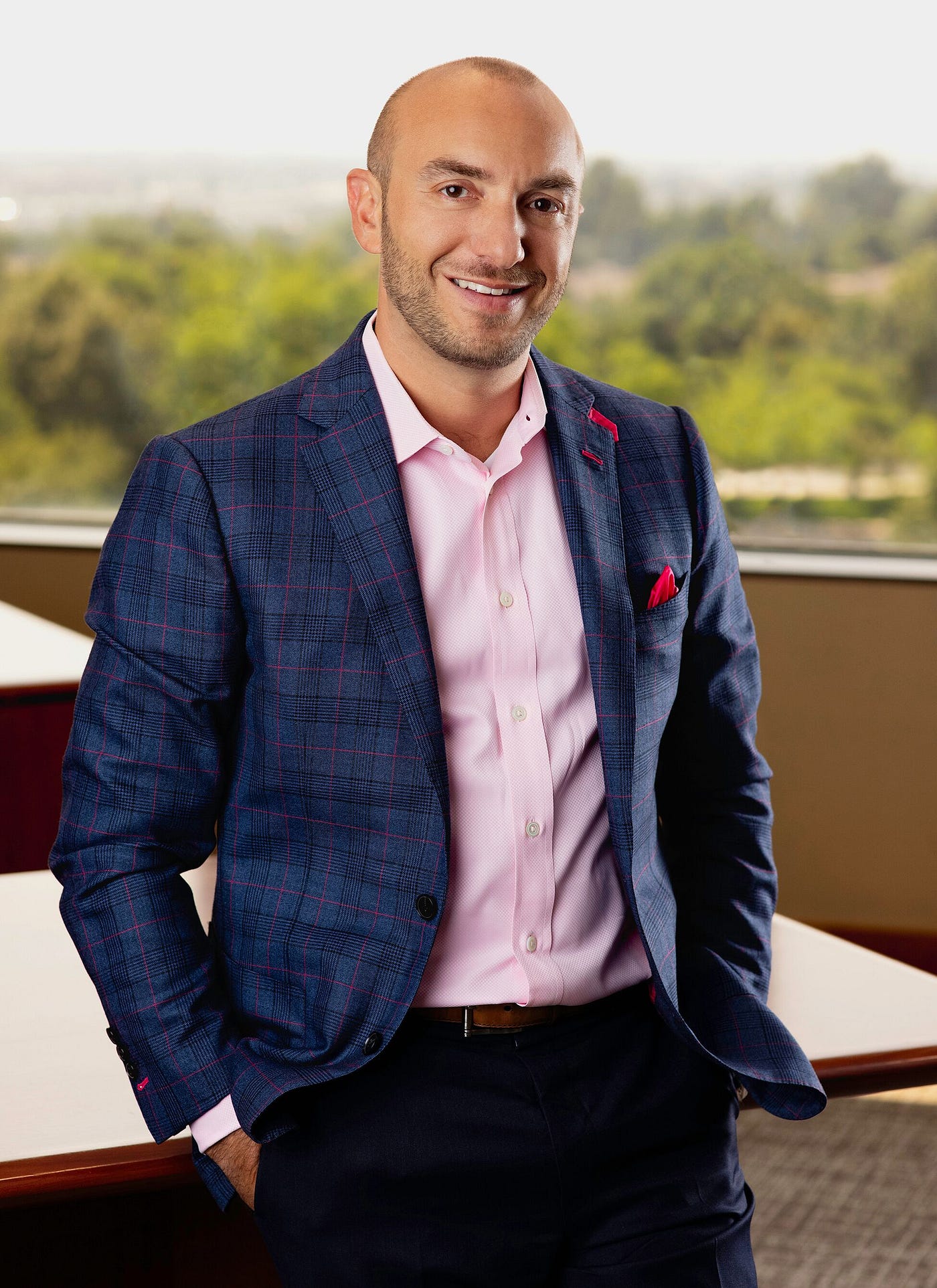
As a part of my series about about how leaders can create a “fantastic work culture”, I had the pleasure of interviewing Rordan Shane. Rordan is the President of Shane Co., the largest privately held retail jewelry chain in the United States. Rordan leads the American division and is responsible for the day to day retail operations of 20 stores across 13 states. Rordan is the fourth generation to run the company and is widely considered hands-on leader who prioritizes relationships with his team and customers. Rordan is proud of the family business that he’s been actively running with his father for more than a decade. He gained much of his business and jewelry acumen through first-hand experience and hard work. He is admired for his authentic nature, approachability and an eye for style. Rordan is enthusiastic to secure a future for Shane Co. and recognizes the need to be relevant to today’s customers, trends and values while maintaining the values of its founders. He is also the company’s cultural champion, nurturing an open door work environment that has translated into continual growth for the company. Rordan believes it’s the company’s people, culture and values that sets Shane Co. apart from its competitors.
Thank you so much for doing this with us Rordan! Can you tell us a story about what brought you to this specific career path?
I’m the fourth generation in my family to be in the jewelry business, so some might think my career path was predetermined, when the truth is quite the opposite. While I did grow up working in my family’s business, it was never my endgame to run it one day. I had always aspired to start my own business. However, the economic downturn of the late 2000s forced retailers, across the board, to adjust their operations. Joining the legacy went from optional to essential. I needed to step in to help ensure the future growth of the company.
Can you share the most interesting story that happened to you since you began leading your company?
I never lose sight of the fact that 99.9 percent of our sales are tied to an emotional time in someone’s life — whether an engagement, anniversary or birthday. Giving someone jewelry isn’t like giving someone chocolates; it’s a real investment in money and time. It’s not rare to see customers sit in their cars in our parking lot for a long time before coming through our doors. We appreciate that a visit to us usually marks a big moment in a person’s life, and we work very hard to make sure their experience with us is enjoyable. Of course, there are plenty of unique stories as well. Just last year, there was a couple in St. Louis who was misled by another jeweler in purchasing an engagement ring and bought a lab created diamond, believing it to be natural. We worked with the Diamond Producer’s Association and the media to replace their ring and educate the public about asking the right questions when purchasing diamonds. There was also a Shane Co. customer who lost her engagement ring four years ago in a Starbucks parking lot. Our team members found it this month after it was placed in the Starbucks tip jar. We then tracked down the customer and reunited her with her ring. Stories like this are why our company is so unique — our employees truly love what they do and will go above and beyond for our customers.
Are you working on any exciting projects now? How do you think that will help people?
We’re continually working on exciting projects. In our company, project idealization is a constant, and prioritizing which projects will give the company the best ROI is paramount for true success. As to helping people, this comes naturally. As we encourage ideas from every level of the company, the determination of ROI prioritization ignores who the author of the idea is. It’s a true meritocracy without any pride of authorship. Simply taking on that mindset helps everyone on our team greatly.
Ok, lets jump to the main part of our interview. According to this study cited in Forbes, more than half of the US workforce is unhappy. Why do you think that number is so high?
I believe that people accept jobs from companies, but remain at jobs for people. As to half of the population being unhappy, I’d have to put that in the latter category. People don’t always treat people well. They don’t always respect their ideas, show appreciation for their work, or care for them as human beings. In 2019, I feel appreciation of others is undervalued and over-needed.
Based on your experience or research, how do you think an unhappy workforce will impact a) company productivity b) company profitability c) and employee health and wellbeing?
I’m better able to answer how a happy workforce increases productivity, profitability, and overall wellbeing. There’s a difference between having and wanting to work — and I believe you can have both. People initially work because they have to, but when they go the extra mile to motivate others to want to work, another world opens up. Positivity begets positivity. A happy workforce doesn’t watch the clock. A person who is happy in their job will often subconsciously think about work even when they’re not ‘working.’ Doing well at one’s job brings a unique sense of pride and self-worth that can translate into productivity, profitability, and success for the company.
Can you share 5 things that managers and executives should be doing to improve their company work culture? Can you give a personal story or example for each?
1) Appreciate your people.
2) Empower your people. When people are empowered, they’ll give you everything they have and more. I used to speak more than I listened, but it’s hard to learn something new when you’re the one doing all the talking.
3) Trust your people. Once you believe your team is consistently producing a quality result or product, relinquish control. Let them do everything from brainstorming to final execution without needing to see or approve each step of the process. Not only do they step out of the box more comfortably, but it’s amazing what you can do with that newly found free time.
4) Hire people who are smarter than you. I don’t know a better way to learn and succeed than by surrounding yourself with people more knowledgeable in their area of expertise than you are. In meetings I’m known to say, “If I’m not the dumbest person in the room on this topic, whomever is beneath me should have some concerns.” It’s well worth checking your ego at the door for this one.
5) Take an ‘eyes on, hands off’ approach with your people. I’m not sure which is worse: micro-management or lack of management. This middle-ground approach ensures that you’re aware of everything that’s taking place within your area of responsibility without the risks and unpleasant work environment that results from either over-managing or under-managing your team.
It’s very nice to suggest ideas, but it seems like we have to “change the culture regarding work culture”. What can we do as a society to make a broader change in the US workforce’s work culture?
At the risk of sounding overly simplistic, I think some of the values my son is being taught this year in kindergarten apply here.
Treat people as you wish to be treated.
Listen to those around you.
Place self-accountability before blame.
Always do your best.
Have a positive attitude.
Balance learning with playing, and always try to have fun.
How would you describe your leadership or management style? Can you give us a few examples?
I try very hard to live by an eyes-on, hands-off style of management. I have regular touch-base meetings with my individual leaders, and I always start the meetings unstructured (e.g., ‘how are you doing personally? How’s the team doing? What’s keeping you awake at night? What are you most excited about that you’re working on now?). We can then dive into specific or planned subjects. I also like to manage by walking around. Meeting someone in their office vs. my own office is a nice place to start.
None of us are able to achieve success without some help along the way. Is there a particular person who you are grateful towards who helped get you to where you are? Can you share a story about that?
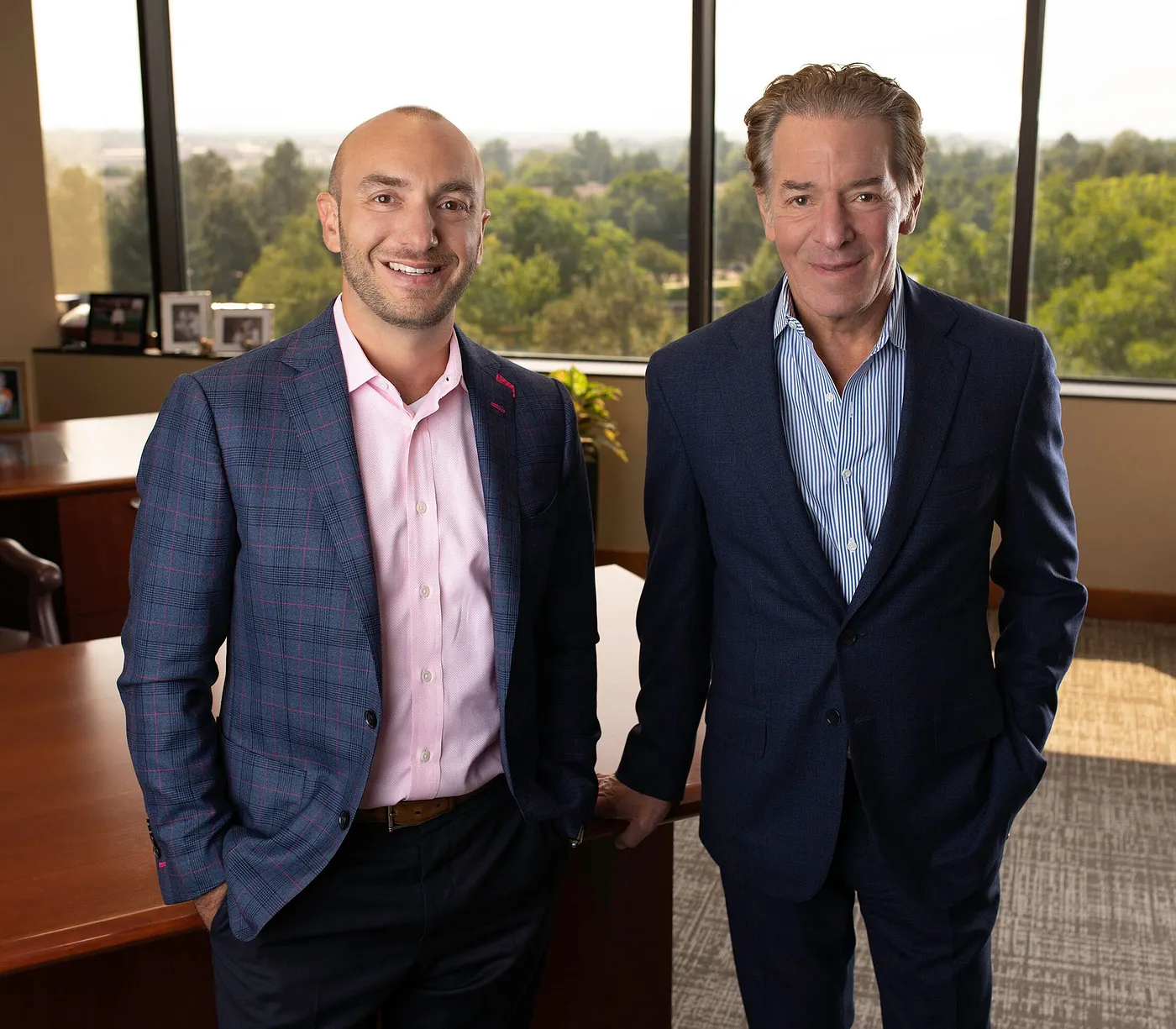
I wouldn’t be where I am today without my father, Tom Shane. I closely watch everything he does in his professional life, and I learn from him what I want to repeat, what I want to tweak and make my own, and what actions or behaviors I want to avoid.
How have you used your success to bring goodness to the world?
Goodness to the world is a big question to answer, but when I think about my small contribution here, I am reminded by our team members around the nation what a huge role our company plays in each of their individual lives. When we’re doing the right things right, we not only gainfully employ many people around the nation, but we give them and their families a living wage, health benefits, specific and general skillsets, and an overall sense of pride in their work, and in themselves. To me, that’s a start!
Can you please give us your favorite “Life Lesson Quote”? Can you share how that was relevant to you in your life?
I believe it was Harry Truman who said, “It’s amazing what you can accomplish if you don’t care who gets the credit.” I’d say much of my personality and subsequent leadership style is molded off of this idea. By finding power in people and allowing their successes to bring you confidence, I believe you will find much more joy, not only in work but also in life.
You are a person of great influence. If you could inspire a movement that would bring the most amount of good to the most amount of people, what would that be? You never know what your idea can trigger. :-)
The world moves quickly, and everything’s forever changing. Businesses grow, people grow; businesses go, people go. But the culture of a business, which I define as the company’s personality, has wide-reaching effects on an individual who works for that business, which they in turn then take home to their family and friends. The effect is contagious. I’m not sure if you’d define this as a movement or a common sense way of treating and leading people. However, as you site above that more than half the U.S. workforce is unhappy, imagine the good that would be brought to people if that statistic wasn’t a statistic at all.
Thank you for these fantastic insights. We wish you continued success!

Published inAuthority MagazineTop Lessons, Top Authorities · 42K Followers
Exclusive, curated interviews with the leaders and changemakers shaping tomorrow. Leadership lessons, industry deep dives, and executive profiles.