I believe that careers do not need to be mapped out in such a way that they become rigid, as you may miss out on great opportunities. You need to be agile, especially now with the world changing daily and becoming more unpredictable.
INTERVIEW QUESTIONS: Dr Patience Mpofu
How does a successful, strong, and powerful woman navigate work, employee relationships, love, and life in a world that still feels uncomfortable with strong women? In this interview series, called “Power Women” we are talking to accomplished women leaders who share their stories and experiences navigating work, love and life as a powerful woman.
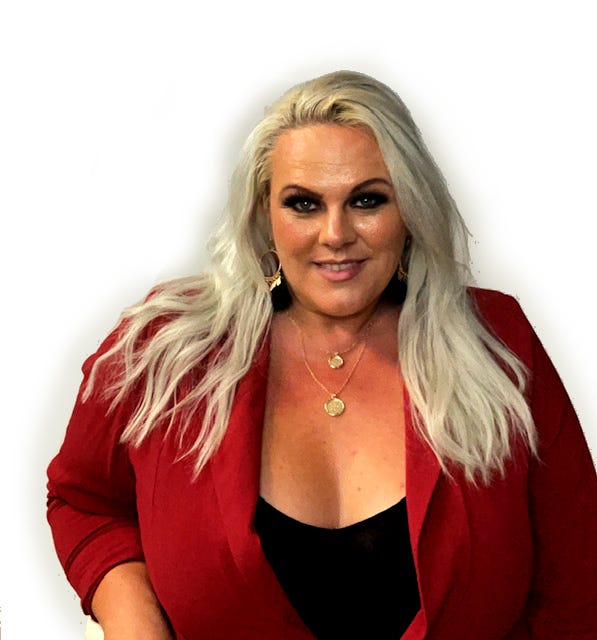
As a part of this series, I had the distinct pleasure of interviewing (Dr Patience Mpofu).
Introduction
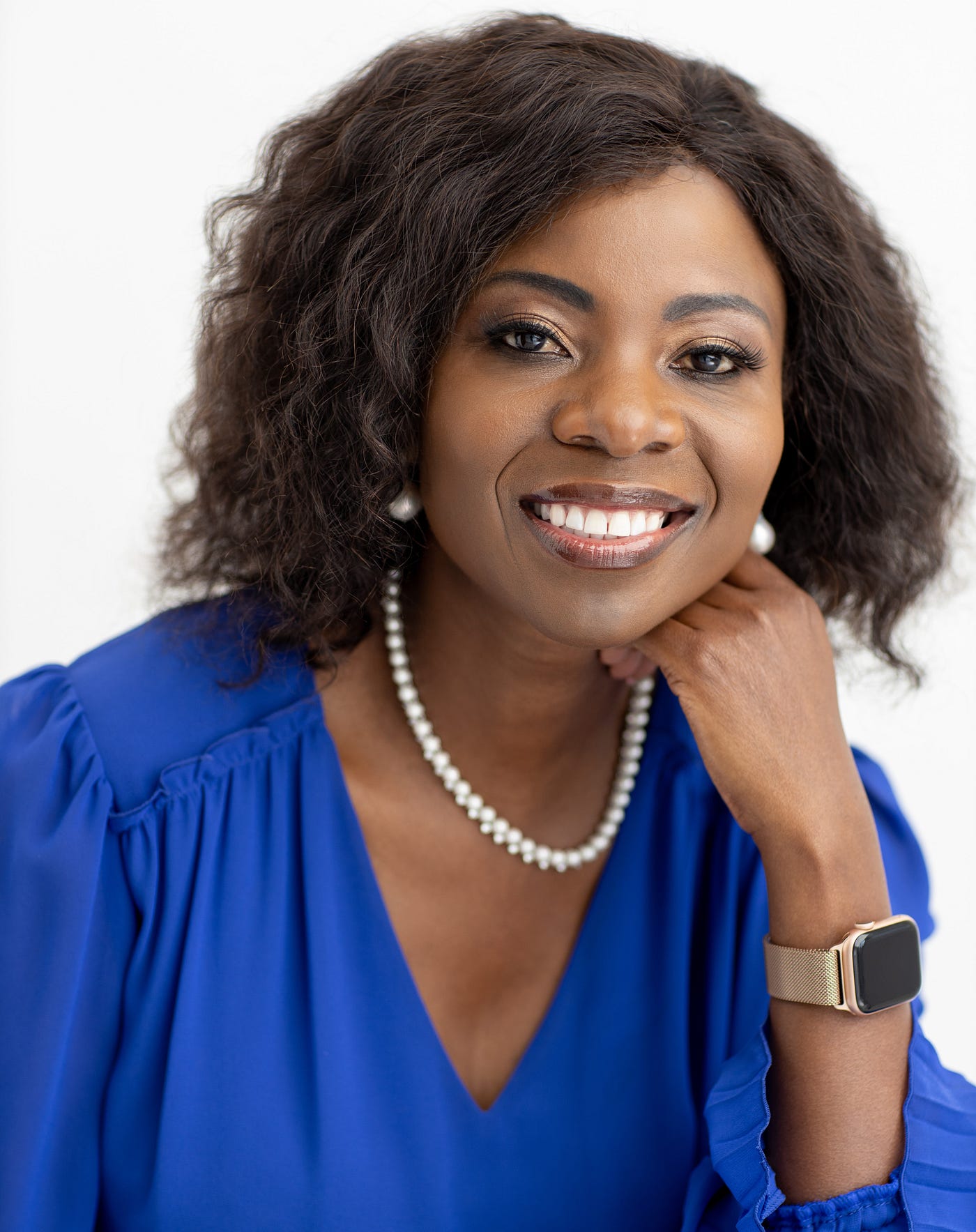
Dr Patience Mpofu, CEO of Insight Mining Experts, has more than two decades of global mining leadership experience. She is a G100 Global Chair for Sustainable Mining (ESG), an IWF Fellow Alumni, and an Executive Leadership Coach. She is an advocate for women in STEM and the author of the international best-seller "Unleashing My Superpowers." Patience, in fact, is a multi-award winner for the 2019 and 2020 CEO Global Most Influential Woman in Mining in South Africa, the SADC Region, and Africa. She is also a popular public speaker who appears on national radio and television on a regular basis.
Website: www.unleashingmysuperpowers.com
Thank you so much for doing this with us! Before we dig in, our readers would like to get to know you a bit more. Can you tell us a bit about your childhood “backstory”?
Thank you for giving me this wonderful opportunity to tell you my story today. I come from an interesting background and have a successful career in a male-dominated industry. With a few life-changing and career-changing epiphanies. I was born in Zimbabwe, became a South African citizen, and now live in Australia. My mother informed me that neither of my parents were expecting another girl. Despite their disappointment that I was a third girl after praying for a baby boy for so long, they quickly consoled each other and decided to name me Patience.
So my name was intended to be a reassurance to my father that he should be patient because a boy would eventually arrive. My parents waited over 17 years, with my mother having four pregnancies and three painful miscarriages, before being blessed with another son. As a result, I grew up believing that I was not enough because culture said so. A boy was valued more than a girl. I became pregnant at the age of 21, and sadly, my father died one month before I gave birth to my son. I, on the other hand, graduated from university with a STEM degree and a slew of honours.
Five years later, I divorced. As a single mother, I struggled, but six months later, I received a scholarship to study for a PhD in Australia. I struggled to adjust once more when I arrived in Australia as an international PhD student. I thought I wasn't enough until I saw Oprah say on TV, 'You are enough.' That was a lightbulb moment for me. Despite these obstacles, I was able to complete my PhD and work for top-tier mining companies for over two decades, rising to the C-Suite level. I am now recognised as a Global Thought Leader in Sustainable Mining (ESG). That concludes my back story.
Can you tell us the story about what led you to this particular career path?
Firstly, my career was not a straight line, but it allowed me to meet very interesting people and gave me a sense of progress and fulfillment. I am often asked a similar question by many people when I tell them I work in the mining industry, “what inspired you to go into a male-dominated workplace like mining, and how did you navigate the industry to succeed to a C-Suite level?” I always say, “Mining chose me”! I believe that careers do not need to be mapped out in such a way that they become rigid, as you may miss out on great opportunities. You need to be agile, especially now with the world changing daily and becoming more unpredictable. My career was not exactly where I visualised it to be in the initial stages. It has evolved with the changing times, which is also what is more important to me. Treating your career goals just like a company business plan is super important.
My upbringing in a Lemba (black Jew) tradition shaped my belief system, which led to me embarking on a STEM career. I wanted to be a medical doctor, but career choices were limited. I thought maybe a lawyer. I eventually settled for applied chemistry as I was a very curious person. I also thought there would be many more career choices with a STEM degree than being a lawyer.
My pursuit of a career that is male-dominated was unheard of. When my mother learned that I was working in the mining industry, she flipped. First, I worked for a mining company, and then I got a PhD in mining, which was too much according to her and many other people. Even today, she laments that I should have been a nurse. Power of the mind is unbelievable. After I got divorced, as mentioned earlier, I studied for a Ph.D. in mineral processing in Australia.
I received numerous awards while assisting more than ten mining companies in resolving sustainability issues. I received my PhD in Minerals and Material Sciences at the age of 32. I had over ten papers published in peer-reviewed journals and had presented at international and national conferences. Despite this professional success, the experience was not without its challenges. When I returned to South Africa, I worked for Anglo American. Getting your hands dirty is part of the game if you are a woman in STEM in mining.
I worked in some of the most remote locations, wearing overalls that never seemed to fit my waist or hips. The overalls were designed for men by men and owned by men. Working for various global mining companies, I rose through the ranks to the C-suite level, and in 2015, I attended Insead Business School for an Executive Program. In 2018, I was one of 36 women chosen for the prestigious IWF Fellows programme. A year later, I received three awards as Africa's most influential woman in mining. During the pandemic, I began writing my book, Unleashing My Superpowers, and I am proud to say that I am now an international best-selling author and a global thought leader in sustainable mining (ESG). In short, mining chose me, and I've since fallen in love with the industry because I believe it helps make the world a better place and is critical to achieving a Net-Zero future by 2050. My journey exemplifies the importance of grit, resilience, and self-belief in achieving professional goals.
Can you share the most interesting story that happened to you since you began your career?
Working in the mining industry was not something that I had earlier visualised as I said before. It’s an industry where you can easily have a love- hate relationship: love it for its rich culture and abundant opportunities, but hate it for some of the barriers that may exist for women to enter and to progress. My experience working in this industry made me realise that some of the barriers to women’s promotion was the inability to work in remote places. This makes male counterparts take on more challenging, high visibility projects, where they can be seen and get an opportunity to be promoted. This is especially true for jobs that need physical strength, like a rock driller in the mining industry.
As for the overalls that we wore when working in the mining operations, firstly, as they were not designed for women, you can look like some freaky humpty-dumpty. Those overalls were meant for males, so most of the time you will find that the waist is perfect, but the hip area is very tight or doesn’t fit at all. These are some of the things that may have changed over time, but in those days, you had to make do with those large-waisted overalls that were tight on the hips and made you feel self-conscious. Maternity wear overalls were never heard of either.
I didn't have a life-work balance. Many women share this sentiment. Some prefer the term "integration." Remote workplaces can be difficult for many women, particularly in mining, which is why most women are hesitant to take on difficult tasks. I was reviewing and benchmarking best practises for water tailings across all global operations, which was both challenging and exciting, but I was not prepared to leave my son and not be able to hug him or help him with his homework. I was capable of dealing with the difficulties of working at heights. We had to carry a bucket to collect the water samples, and the measurements were the easiest part. I have the highest regard for women who work at the rock face, as it is known.
This explains why there weren't many women working underground back then. My few underground experiences have convinced me that I do not want to work underground. However, technology is changing the face of the mining industry, creating ideal opportunities for more women to enter STEM fields.
You are a successful business leader. Which three character traits do you think were most instrumental to your success? Can you please share a story or example for each?
There are numerous character traits that come to mind, but three in particular stand out for me:
1. Confidence
"If you lack self-confidence, you will be defeated twice in life." "With confidence, you have won even before you begin," said Marcus Tulius Cicero, and it is true. To be a successful leader, you must have inner confidence, but more importantly, followers prefer to follow someone who is confident rather than arrogant. One example is when I thought I was passed over for a promotion.
I had delivered one of the organization's most important Key Performance Indicators (KPIs) and was hoping to be promoted to the Vice President level when I was told I wasn't ready. The company eventually hired someone, and needless to say, he had all of the necessary global credentials. Then, one day, while we were having a meeting, it was revealed that he was going to be away for a full month three to four times a year, and then the following year, he was going to take four to six months to compete in some sports. I was taken aback. It is critical to value yourself and understand your standards and boundaries. Some people have no standards and will accept whatever is thrown at them. This was a lightbulb moment for me. What followed was having the confidence to ask for what I wanted, asking for help, and being clear on my career goals. Life can take you anywhere if you wait for it to happen. When I think back on some of the breakthrough or epiphany moments, I realise that I had to be the driver: I had to make things happen. I had the guts to ask, but I also knew exactly what I wanted. I believe that confidence comes from knowing oneself and knowing when to walk away. It is an internal, unshakeable inner strength that is linked to self-belief and emotional intelligence, rather than an outward trait. As part of my development plan, I negotiated to attend an Executive Program at Insead. I took almost four months in total, including my leave. Then another company made me an offer. I discovered that I needed to have the confidence and courage to ask those uncomfortable questions. You end up second-guessing yourself and not asking the questions you want to ask if you read too much and overthink what other people will think. It's a skill I've honed over time. The more you do it, the more unconsciously skilled you become. So self-assurance played a significant role in my success.
2. Emotional Intelligence (Self Awareness):
Do you understand your challenges and superpowers as a leader? Most importantly, do you know what your "Why" is? Knowing oneself is the first step towards becoming the best leader possible. Constantly seeking feedback on my behaviours in order to improve my leadership and relationship-building abilities was critical to my success. It all starts with self-leadership and having the courage to ask for feedback and learn from it in order to move forwards, especially after a setback.
You become a more effective leader when you master yourself by challenging your own belief systems that may be impeding your ability to lead effectively and inspire others. As previously stated, when I felt I was passed over for a promotion, rather than becoming mired in grief and blame, I investigated how I contributed to what went wrong, assessing whether I had sized up the situation correctly and reacted appropriately. We were required to complete a 360-degree assessment at Insead, when I completed my Executive Program. I returned to my previous employer and asked for candid feedback. That feedback provided me with new perspectives on some of my blind spots and weaknesses. Being willing to learn from my mistakes was the first step towards becoming a better leader.
3. Courage
"If not me, then who, and if not now, when?" Rabbi Hillel's quote
As one inspirational global leader I interviewed once said, "If you want to be successful, go drink in dangerous waters." I concur with her. As a leader, you must be visible and bold, like a lion. True leaders live on in their teams' hearts and minds. I had the audacity to write a book that became a best-seller. This book is part of my Legacy Project for the International Women Forum Fellows Program. This is the first book of its kind, with the goal of empowering women who work in male-dominated industries. It takes bravery to share some of the insights from a survey of key challenges women face around the world. I call it "unleashing my superpowers" because you have to do something extra to be the change you want to see in the world. It's about stepping outside of your comfort zone and being a change agent. That speaks to bravery.
Ok, thank you for that. Let’s now jump to the primary focus of our interview. The premise of this series assumes that our society still feels uncomfortable with strong women. Why do you think this is so?
Many men are uneasy around strong women, and I believe there are several reasons for this. Firstly, it was influenced by culture. I come from a family where some still believe a woman's role is in the kitchen. Men are breadwinners, and women are stay-at-home mothers. In any history of work and workplaces, the boys' club has been around for a long time. As a result, men-built clubs to enjoy as they advanced through the ranks of their careers. These clubs have evolved but unfortunately some are not inclusive. Women were not permitted to attend these meetings, where a culture of sponsorship and networking was formed. So some are still stuck in that past of believing a woman’s place is in the kitchen.
They are sexist to some extent and some feel less "manly" in the presence of powerful women. Having to take direction from a member of the opposite sex can be a blow to their ego. Tis is also evident in our personal relationships as well. While some men adore a successful life partner, others can become very uncomfortable when she is either more or equally successful as he is. So when they see a woman who is worse a black woman, they can't reconcile the two. It is even worse in male-dominated industries such as mining.
Without saying any names, can you share a story from your own experience that illustrates this idea?
Many years ago, in my early career, I worked in mining and used to travel to mining operations to assist in the resolution of operational issues. Because I had a PhD, I was referred to as "Prima Donna." The worst part was being expected to help serve everyone in the meeting full of men tea or coffee because I was the only woman in the room. I declined politely or jokingly.
What should a powerful woman do in a context where she feels that people are uneasy around her?
True authentic leaders strive to serve rather than to be served. Being humble makes you more approachable to your followers and enables you to foster an atmosphere of open communication and more effective feedback. Have empathy, which is essential for being a successful leader. It improves your people skills and enables you to develop and maintain relationships with those you lead. This refers to having a high level of emotional intelligence (EQ). Leaders with this characteristic can easily "read" the room and project an energy that says, "I am approachable." It all comes down to establishing rapport with everyone.
What do we need to do as a society to change the unease around powerful women?
Women will continue to fall behind unless leaders in the workplaces and society understand and acknowledge how stereotypes and unconscious biases perpetuate the problem. More female role models are needed, particularly in male-dominated workplaces. Women make up half of the population, but they are under-represented in many industries at the C-Suite and Board levels. Leaders must look within themselves to not only encourage women to pursue leadership positions, but also to be male advocates for diversity and inclusion. Leaders must sometimes take bold action in order to move forwards. Leaders can assist women in not shrinking themselves to please others, but rather in unleashing their superpowers to excel. The workplace was designed by men and for men. It is time for leaders to consider what constitutes an inclusive workplace. Working together, business and government can create a new economic and social narrative for action, accelerating the process of change.
According to a global survey of women in C-Suite positions in male-dominated industries, 98 percent of the women said that if there were more women in leadership positions, more women would succeed. The second step is to recruit these C-Suite and board level female leaders, as this is where unconscious biases reside. To eliminate biases, recruitment should be done blind. A C-suite/board level male leader will sponsor another C-suite/board level male leader who looks, talks, and laughs at the same jokes as him.
According to research, male leaders are more likely to sponsor other male leaders. How can we encourage more male leaders to nominate qualified women for positions in the C-suite and on boards? According to a study conducted by Bohnet (2016), organisations can achieve diversity and inclusion if they redesign their practises and create new designs that make it easier for our biased minds to adjust to different ways of thinking. A simple first step is to implement a no-name, no-gender policy for CVs, including those submitted by executive search firms. It is referred to as a design decision by Bohnet (2016). Bad design, whether chosen consciously or unconsciously, results in bad outcomes. Bias is ingrained in our practises, not just in our minds.
We need more women in C-suite or board positions to serve as role models for younger women and girls. One example is how being led by a female CEO in a mining company inspired me. I've decided to make it my mission to highlight every woman leader in the mining industry's C-suite or board of directors in order to inspire other women. We have already led a successful campaign for women in STEM, and we will now focus on women in mining specifically.
In my own experience, I have observed that often women have to endure ridiculous or uncomfortable situations to achieve success that men don’t have to endure. Do you have a story like this from your own experience? Can you share it with us?
There are numerous barriers that prevent women from succeeding, particularly as they advance up the corporate ladder. We conducted a survey of 100 women, which revealed some of the issues that women face, particularly in the mining industry. A significant barrier and challenge for women below the C-Suite is that, despite working twice as hard, they are overlooked when its time for a promotion as they lack a sponsor or someone to champion for them. Despite their experience, they are constantly required to prove themselves. This is exacerbated when a male colleague with less experience is promoted. As previously stated, I experienced this when I felt I had worked extremely hard but was not promoted. This is an example of a glass cushion in my opinion.
So, how does a woman working in a predominantly male workplace ask for a sponsor? This is where the boys' club starts and thrives. In my case, for example, there were very few females at the time, and I would not have been recognised in my career if it hadn't been for the male champions who were my sponsors. A lack of sponsorship is preventing women from succeeding. As much as they need sponsors, women avoid mentoring relationships with senior men. Discomfort and fear of what others may think if they are seen with males having a mentorship lunch. So how does a black, intelligent female connect with a white, older male without feeling like she's dating him? Companies need to formalise such relationships and done at work. In addition, let's get more women in positions of power, including the C-Suite and the board of directors.
In your opinion, what are the biggest challenges faced by women leaders that aren’t typically faced by their male counterparts?
I'd like to highlight four major challenges that women leaders face that men dont. The first is the glass cliff. This is when a female leader is appointed to fix things during a crisis. There are many examples of this. During the COVID- 19 pandemic, we witnessed how many women rose to the occasion to lead. In the corporate world, most women don’t survive the glass cliff.
The second is women have to constantly to prove themselves. This talks to credibility. A man's reputation follows him from one situation to the next especially when he has sponsors. It is assumed that if he is successful in one role, he will be successful in another.
The third as mentioned before is lack of sponsorship or champions for women especially black women. Men are likely to sponsor other males who look like them and speak like them. This is a huge barrier for women as most males are in leadership positions hence disadvantages women. This talks to the glass cushion for males.
Lastly, men who are strong and assertive are praised for being strong and in control, whereas women who lead in the same way are accused of being aggressive and cold. When women ask for what they want they are labelled arrogant. When they ask for a seat at the table they are called, “demanding”. When they call out bullies, they are labelled, “difficult”. Society needs to change and start giving women leaders the respect they deserve.
Let’s now shift our discussion to a slightly different direction. This is a question that nearly everyone with a job has to contend with. Was it difficult to fit your personal and family life into your business and career? For the benefit of our readers, can you articulate precisely what the struggle was?
Most emphatically yes. As a single young mother, I had no life-work balance, which was a significant challenge in my early career. Many women share this sentiment. I considered the cost of marrying and having more children—how could I do this when I was already struggling with one child? Back then, being pregnant was a disadvantage, as you were paid less during maternity leave. Such a result was not feasible for me. Three years later, I decided to change roles within the same company because my son needed me more and I couldn't continue working in remote locations and travelling internationally. I applied for and was hired for a job that allowed me to care for my son while working without having to travel. It improved as I progressed through the ranks and my son grew older, but I was now smarter and in a long-term relationship with my partner. We were both overworked, but we made sure to prioritise spending time together, which was critical. Family vacations were non-negotiable. We loved going on safari in Africa because it allowed us to reconnect and unwind. Furthermore, creating rituals as a family, such as committing to having dinner together every weekend, was and continues to be important. It's about making time for family, prioritising family, and working together to establish non-negotiables. Of course, adaptability is essential. That was extremely beneficial. I also set aside "me time" for reading and visiting spas.
What was a tipping point that helped you achieve a greater balance or greater equilibrium between your work life and personal life? What did you do to reach this equilibrium?
When my company went through restructuring, I was exhausted from the process as I was overworked. My spirit was drained. Infact, I had a burn out. As Oprah says, ‘Most people suffer and chase a dream that doesn’t belong to them’. The choices we make can either enhance or drain our spirit. I took a redundancy package and decided I needed to make changes in my life, but not just externally anymore. My health and family mattered the most to me, and all I wanted was to spend more time with them. A part of me knew there was something deeper I needed to do. I realised I needed this break to reflect. How often do we leaders sacrifice our sleep, working through the night with no rest? Finding time to rest your mind, body and soul is super important. Taking time to reflect as a leader is important. I did just that. I took a year of sabbatical and fortunately, I was one of the 36 women accepted for the IWF Fellows Program which helped me to further develop myself while reflecting. Taking sabbatical leave allowed me to start the journey of self-discovery and personal development. I attended an impactful program that helped me to heal so that I could become my best self. Taking a sabbatical also helped me reset my priorities.
I work in the beauty tech industry, so I am very interested to hear your philosophy or perspective about beauty. In your role as a powerful woman and leader, how much of an emphasis do you place on your appearance? Do you see beauty as something that is superficial, or is it something that has inherent value for a leader in a public context? Can you explain what you mean?
Self-care and how you present yourself as a leader are critical. So, yes, how you present yourself has a significant impact on how others perceive you. But, most importantly, it is your level of comfort and confidence that is most important. Beauty is defined differently by different people, but I believe that beauty begins with your inner character. On the other hand, you may appear very presentable, but if you are not relatable to people, I doubt they will value your appearance. Yes, how you present yourself is important, but so are your interpersonal skills and character. Working in mining as a woman in STEM in operations does not count because safety gear is more important. I recall having to put on clothes that made me look like Humpty-dumpty. Things have changed, and more inclusive clothing is now available.
How is this similar or different for men?
I still believe that confidence is most important in how leaders show up — irrespective of gender. However, women tend to be judged far harsher, when it comes to looks. Men are not held to the same standards as women in terms of appearance. There are many studies that have shown that recruiters prefer more younger looking and better looking. Its important as leaders to mentor young leaders and girls that good character traits are far more important than looks. Such as intellectual curiosity, talents, integrity and compassion than just physical appearance.
Ok super. Here is the main question of our interview. Based on your opinion and experience, what are the “Five Things You Need To Thrive and Succeed as a Powerful Woman?” (Please share a story or example for each.)
Fortunately, I recently published a best-selling book as previously mentioned and it summarises exactly what it took me to succeed working in male-dominated workplaces. I have a summary of what I termed the “Peak Performance Model” which talks to leading oneself, then others, and then business.
Number one on the list is self-awareness
It all starts with leading self, and having the courage to request feedback, and learning from it to move forward. Know your values and what drives you and your organisation. As a leader, do you know your challenges and your superpowers. You are a leader of an organisation and you have people that report to you. Knowing oneself is the first step to being the greatest leader. What do you think your direct reports would say about your leadership style? What are four words and sentences that they would use to describe you? Practice having a growth mindset.
I have already given an example of how I requested a 360 degree feedback from my previous employer. It gave me perspective on my strengths and challenges
Then number two is Mind Power mastery
This talks to the total, physical, spiritual, emotional and mental capacity and having a strong belief in yourself. Starting with cognitive fitness, which is staying mentally healthy. We sometimes underestimate the power of having a healthy brain. When I neglected my health, I was not exercising, I had gained a lot of weight. I was not sleeping enough and therefore my brain was foggy. Taking care of yourself holistically is the first step to being an effective leader who can make sound judgements. Poor health results in poor judgement and decision making. Its also important to know when to take a break. Hence why I took sabbatical leave as I felt my entire body, mind and spirit were exhausted. I needed to recharge and reflect. This helped me gain perspective and review my mission and vision of what I wanted in life. The more cognitively fit you are, the better you will be able to make decisions, solve problems and deal with stress and change. Exercising builds physical capacity and promotes mental health. Spiritual capacity also gives a source of motivation. So mind power mastery is super important.
The third on the list is build relationships as you rise as a leader
As you advance, it is not so much about what you know as it is about who you know. Create connections with your subordinates, peers, and leaders. Networking is essential, both internally and with stakeholders. When I first started my Legacy Project, I interviewed over 30 global leaders at the C-Suite/Board level. I also wanted to conduct a survey to determine what it takes to be successful in a male-dominated workplace. I contacted my network again, this time through social media and personal contacts. I received a flurry of responses. You require a tribe that will support you and vice versa. You must nurture them in a reciprocal manner, just as you would any other relationship. Nobody wants to be around someone who is constantly looking for something from them. That is one of the most important points I teach my clients about relationship building. Even if you are a mentee, it is a two-way street. They were all members of my network.
The fourth is be guided by your why? Leading from your heart to leave a legacy
I was flying from South Africa to Sydney, Australia, one day, and as usual, I found myself in a bookshop at one of the airports, where I discovered Emily Esfahani's The Power of Meaning: The True Path to Happiness. This book had a profound impact on me. I realised there was a time when I temporarily lost my identity. The majority of people do. This is common when people retire without having thought through their next steps. It can be a total shock to your system when you lose your status, power, and, most importantly, meaning while working. This is especially true for men who have spent their entire lives working and have lost touch with their families.
Smith (2017) encourages us to live a more meaningful life so that when our time on earth comes to an end, we will be at peace. She encourages her readers to do something meaningful with their lives that will make them happy. A legacy is a part of you that will live on after you die. Ensure that your family, community, or business will remember you for something. Reflecting on my legacy changed my perspective and provided me with more meaning than I had when I was working. I became more intentional about how I lived my values and who I spent time with. My family became more important to me.
Last but not least, No 5 on the list is, Unleash Your Superpowers
You need to unleash something extra in order to be the change you want to see in the world. It’s about stepping out of your comfort zone and being a catalyst for change. As leaders, we have a responsibility to unleash our superpowers and help others do the same. The world needs leaders with a new set of competencies that are more human-centred. If we approach leading others with courage, empathy and confidence, we create an environment that allows those around us to thrive in their creativity. It goes beyond self to a higher level of consciousness that Mandela epitomised. He unleashed his superpower in jail and ultimately became president of his country. Use your voice for good, and raise it if you have to. If you’re still not heard, go outside and use it with greater force. That is truly unleashing your superpowers
This is the reason why I took sabbatical leave—to be the change I want to see in the world and unleash my superpowers. My mother taught me what we call Ubuntu, a concept that encompasses the leadership qualities required for the 21st century. Ubuntu translates to: I am, because of you. Women have superpowers and it’s time to unleash them! Wathinta umfazi, wathinta imbokodo is a South African Zulu language saying: You strike a woman, you strike a rock. Let us all shine our lights and lead the way for others to shine theirs. This is how we rise and lift others to rise.
We are very blessed that some very prominent names in Business, VC funding, Sports, and Entertainment read this column. Is there a person in the world, or in the US with whom you would love to have a private breakfast or lunch with, and why? He or she might just see this if we tag them.
I believe I would like to meet three people: Trevor Noah for his wit: During the pandemic, when I lost many family members, his wit kept me sane. Oprah Winfrey to express my gratitude for that special moment when I was watching her on TV and she said, "You are enough"! She transformed my life. Elon Musk to provide him with more information about the vast minerals in space, and I will most likely accompany him there to see the minerals for myself. I'd also like to learn more about his plans for space exploration.
Thank you so much for these wonderful insights. We are grateful for the time you spent on this.