When I stepped out of who I thought I should be and into who I really was, my business went through a huge leap.
Some writers and authors have a knack for using language that can really move people. Some writers and authors have been able to influence millions with their words alone. What does it take to become an effective and successful author or writer?
In this interview series, called “5 Things You Need To Be A Successful Author or Writer” we are talking to successful authors and writers who can share lessons from their experience.
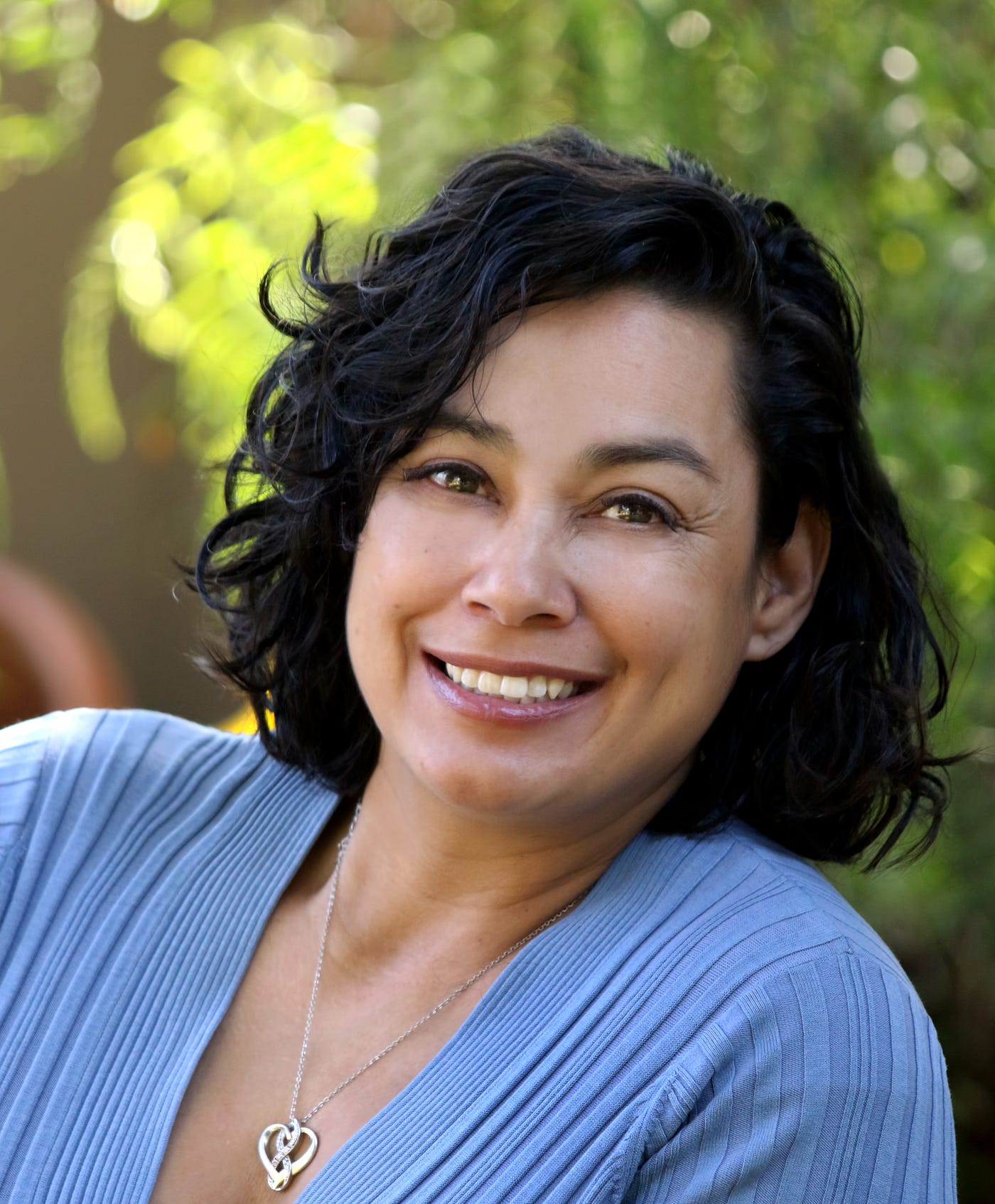
As part of this series I had the pleasure of interviewing Dr Morgana McCabe Allan.
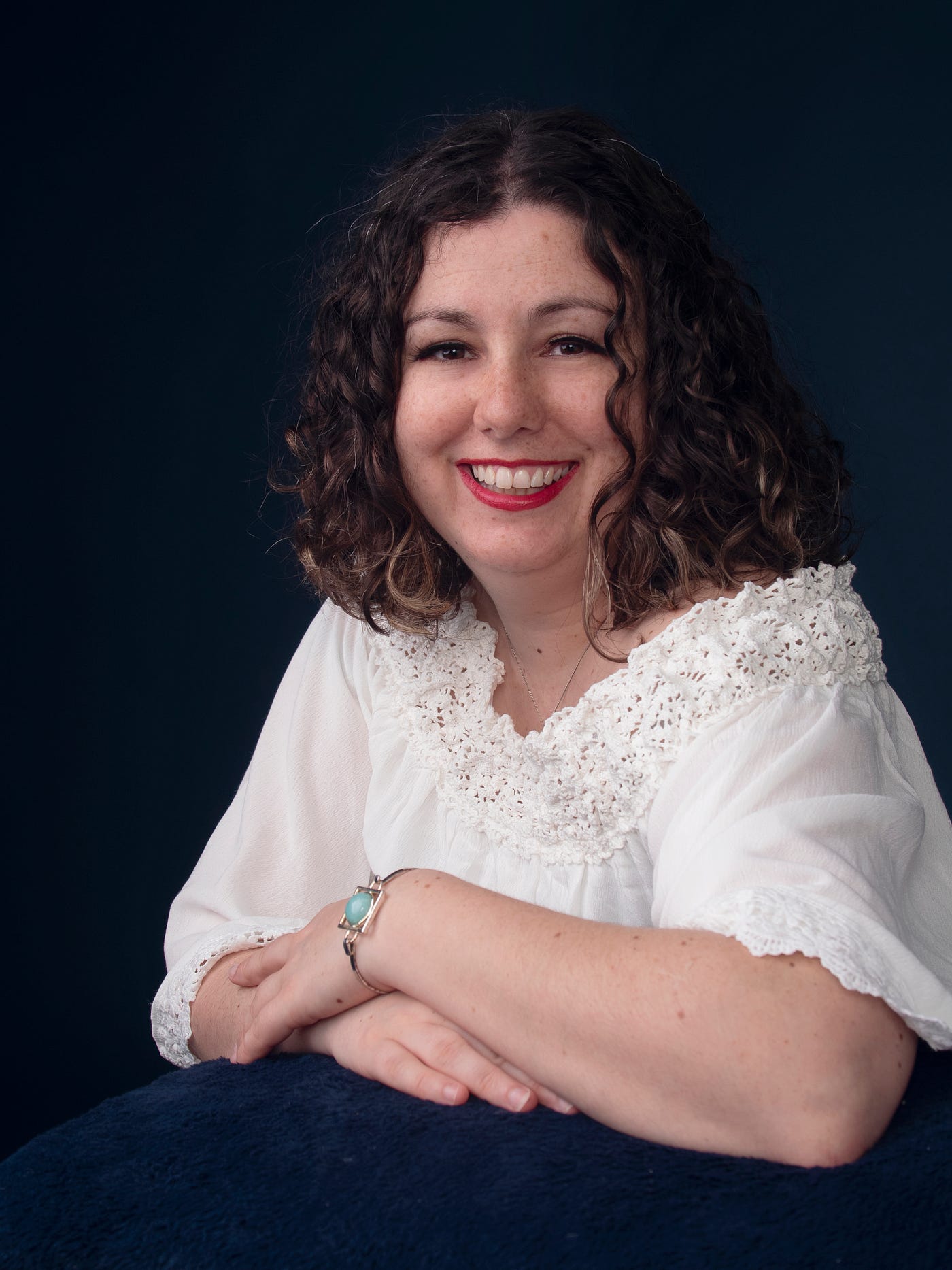
Dr Morgana McCabe Allan works with frustrated entrepreneurs to help them fall back in love with their businesses, achieve their goals and attract the right kind of clients. Morgana helps her clients shift their perspectives and design a new reality for themselves using manifesting, mindset and healing techniques, alongside powerful organic business strategies. She is the bestselling author of Unbecoming: the unorthodox guide to radical wholeness, which looks at how every thought we have is a result of the world we live in, the people we know, the experiences we have lived and the social constructs we exist alongside.
Thank you so much for joining us in this interview series! Before we dive in, our readers would love to “get to know you” a bit better. Can you tell us a bit about your ‘backstory’ and how you got started?
When I’m not writing, I work with frustrated entrepreneurs to help them fall back in love with their businesses, achieve their goals and attract the right kind of clients. I originally started out in academia and I have an interdisciplinary Ph.D which examines how our experience of identity and reality is constructed in relationship with everything we interact with, including people, places, things, ideas and emotions.
When I was working in academia, the work-life balance was very poor. I already had a history of ill health as a child and I decided I didn’t want to give my life away to anyone. I wanted autonomy and to share my ideas with the people who really wanted to hear them. Having my daughter Meribelle really lit a fire in me, I wanted to change the world for her. I already had two sons but giving birth to Meribelle was a turning point for me - I didn’t want the fear and shame associated with being a woman for her.
My book Unbecoming: the unorthodox guide to radical wholeness looks at we can achieve true success and create a more positive future by breaking free of the patterns we have always followed and learning to love and trust ourselves.
Can you share the most interesting story that occurred to you in the course of your career?
When I was working towards my Ph.D, I got funding to present my research at a conference in The Hague. I was sitting at a table with a professor from the Sorbonne in Paris and he asked me what I was doing at the conference and asked about my research. When I told him, he got really angry and started saying I had no right to study it at my age and that it was a tenure project. He threatened to contact my university and tell them to take me off the project. He called me a child and a girl and was really horrible to me.
There was a version of me that wanted the ground to swallow me up but some other part of me started speaking to him. I stood up for myself and told him I was the one who had conceived the entire research area and pioneered the methodology and theory. After that, he totally changed his tune. He suddenly saw me as legitimate. That was the moment I knew I would eventually leave academia. It is very easy to buy into that toxic masculinity but I realised I didn’t care if other people approved of me or not.
What was the biggest challenge you faced in your journey to becoming a writer? How did you overcome it? Can you share a story about that that other aspiring writers can learn from?
The biggest challenge I had to overcome was definitely my own mindset. Our culture encourages us to doubt our own creativity and our way of thinking and expressing ourselves if doesn’t fit into a tight framework of what is considered correct. As someone with neurodiverse traits and a history of trauma, I felt my truth didn’t measure up and I didn’t feel worthy. I used to send pitches to journals, get accepted and then never write them because I didn't believe I was good enough. Overcoming that changed everything. I started hitting 5,000- 10,000 good words in a day with consistency. It only took me 17 days to write my recent book. That's all down to mindset - learning to see and accept myself, my skills, my flaws, my incapacities and my capacities. That's how I got to the point where I can be original, creative and subversive and tell stories most people would struggle to share with the world.
When I first started my business, I didn’t share some of my stories like the fact I used to work as a stripper openly on public social media. There was a part of me that worried about people judging me. The day I just decided to share it, I had a coming out story on a Facebook live and I talked about how transformative the experience was for me. I immediately signed a client who watched the live who could relate to my story. She was an amazing ambassador for my brand. When I stepped out of who I thought I should be and into who I really was, my business went through a huge leap.
Can you share a story about the funniest mistake you made when you were first starting? Can you tell us what lesson you learned from that?
Early on in my studies, I was doing archaeology and anthropology and I had to go on an excavation. I had a wheelbarrow full of soil from the dig and I was asked to put it onto the spoil heap which was down a muddy hill. I underestimated how heavy it would be and very quickly, the wheelbarrow started getting away from me. I held onto it and then it hit a rock and I flew through the air, over the wheelbarrow and landed on the ground at the bottom. Everyone who saw laughed and I just pretended I was ok but really I wanted to cry.
The lesson I learnt from that is that it is ok to say no. I am only 5ft 2.5in, I could easily have said that it was a job for someone else. I was so eager to please that I thought it was important to be able to do everything. Nobody is going to say to me that you are too small and you can’t do that but it is ok for me to say no for myself. That’s not my zone of genius or even my zone of competence. After that, I decided to focus on what I can do which is exceptional rather than trying to become good at the things I am bad at.
In your opinion, were you a “natural born writer” or did you develop that aptitude later on? Can you explain what you mean?
I am a natural born writer but it is still something I have spent time practicing. In my childhood, I had poetry published when I was eight and I was assessed as having an adult reading age at about the same age. I have put thousands of hours into writing every different genre and working as an editor on different journals for free. So while I do see myself as a natural born writer, I don’t want to diminish the work that I have also put in to developing my skills.
What are some of the most interesting or exciting projects you are working on now?
I am working on an oracle cards project which I am really excited about. I am currently working with an artist and it has been an amazing journey. The finished result will be a deck of powerful and intuitive cards which is designed to complement the journey people go on when they read my book or take part in my coaching programmes, although they can also be used on their own.
Here is the main question of our interview. Based on your experience, what are the “5 Things You Need To Be A Successful Author or Writer”? Please share a story or example for each.
Self validation – You have to be able to validate yourself. When I was doing my master’s degree and early on in my Ph.D, I was still desiring other people’s approval. I passed my undergraduate and masters theses with perfect scores and I had my master’s published in its entirety in a major journal which is really unusual. After that, I pitched a lot of journals and got accepted into a dozen of them but I never wrote or submitted the articles because I was so frightened people wouldn’t like what I had written. I thought it was so important what other people thought. I had to shift away from that idea to get my work out and only care about my own view of it.
Discipline – You need to have discipline to be a writer, you can’t just wait around for inspiration. When I was doing my Ph.D, I would have moments of thinking I can’t believe I am doing this. I would think I didn’t have any ideas so I would just dump out whatever was in my brain and write and after about 10 minutes, the ideas would start to flow and I would be writing something great.
Focus – As a writer, I think you need a certain level of ruthlessness. As Stephen King wrote: “kill your darlings, even when it breaks your egocentric little scribbler’s heart”. Just because it is your favourite part doesn’t mean it necessarily should stay. My book could have easily been 300,000 words if I had let it but you have to be able to work out what to keep and what to leave out.
Self aware habits – You need to understand yourself and create a routine which works with who you really are rather than how everyone else does it. I put my laptop beside my bed at night and I write from the second I wake up. I don’t shower or do anything before I start writing. I write for a couple of hours, then I have a shower and I am able to go back to it. If I get up and have breakfast first, I will never in that day come close to the quality and quantity of writing I will if I start writing first thing.
Intention- You need to think about what happens after you finish writing. You can’t write a book with no thought about why you want to write it or who you are writing it for. Always write with intention. I wrote my book with an ideal reader in mind – someone who would love the book and take something positive away from it. You do need a strategy as well but a strategy with no intention just won’t work.
What is the one habit you believe contributed the most to you becoming a great writer? (i.e. perseverance, discipline, play, craft study). Can you share a story or example?
Courage – I know lots of people won’t think of courage as a habit but it definitely is. Being courageous is something you consciously choose to do. Courage has really helped me as a writer and in running my business. I share braver stories and show up in braver ways. Being able to show up in front of more people, including those who won’t like what I have to say, has been really important. I’ve practiced this bravery continually with my poetry, my short stories, even my posts on social media. If you are someone who never shares anything with anyone, it is going to be a much more challenging journey to get your book out there. You need to be able to step out of your safety zone to create anything new or original.
Which literature do you draw inspiration from? Why?
I am a very promiscuous reader. I draw inspiration from all kinds of disciplines and I enjoy reading all kinds of things. I always feel most inspired by poetry and people often describe my work as having a poetic nature. I love the intimacy of poetry which can end up being lost in longer forms of writing.
You are a person of enormous influence. If you could start a movement that would bring the most amount of good to the most amount of people, what would that be? You never know what your idea can trigger. :-)
All my work to date has been part of a movement to build alternatives to the patriarchal, racist, ableist society we live in. I want to inspire alternative ways of thinking and being and help people remember their sovereignty and ability to create not only their own reality but a new shared reality too. The model of our current society is deeply problematic and wounds a lot of people. I want us to move away from toxic masculinity to a more healing feminine way of being in the world.
One example of this is a movement I founded in 2011 called Love Archaeology when I was at Glasgow University. As a result of the crash in 2008, academic departments around the world were being threatened with closure and archaeology wasn’t considered an essential subject. I decided to run the movement in a feminine way – we operated entirely from principles of love. We never said our subject was more valuable than another and we never spread any negative messages. Instead we communicated in a positive way about the history and places that people love. In just five weeks, we had followers in 39 countries and sold merchandise in 29 countries. The department was not only saved, it was commended. In my own business, I don’t set money goals as I feel that creates a masculine energy of chasing and lack. Instead, I focus on bringing people joy and working out what they need to hear from me right now. The rest of it all takes care of itself.
How can our readers further follow your work online?
Morgana’s work can be found on her website here. You can also find Morgana on Facebook and Instagram.
You can find Morgana’s bestseller book, Unbecoming: the unorthodox guide to radical wholeness on Amazon UK and Amazon US.
Thank you so much for this. This was very inspiring!