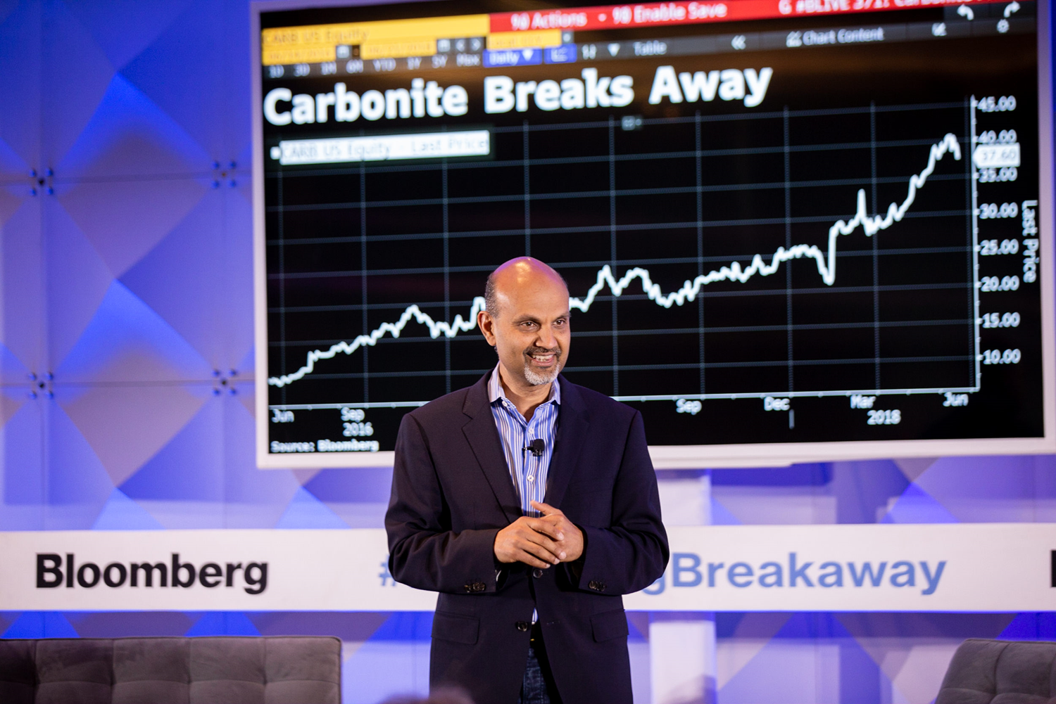
The best executives are those who lead by example. Being an executive isn’t just about delegation. It also requires the ability to make difficult decisions, often in an instant, and to be solution oriented.
Business
Lash Fary of Distinctive Assets on Cultivating Niche Markets, Navigating the Reality of Leadership, and the Art of Gift Giving
The founder of Distinctive Assets reflects on over two decades of celebrity product placement, the unglamorous realities of running a company, and the necessity of listening in leadership.

As a part of our series called ‘Five Things I Wish Someone Told Me Before I Became A CEO’ we had the pleasure of interviewing Lash Fary.
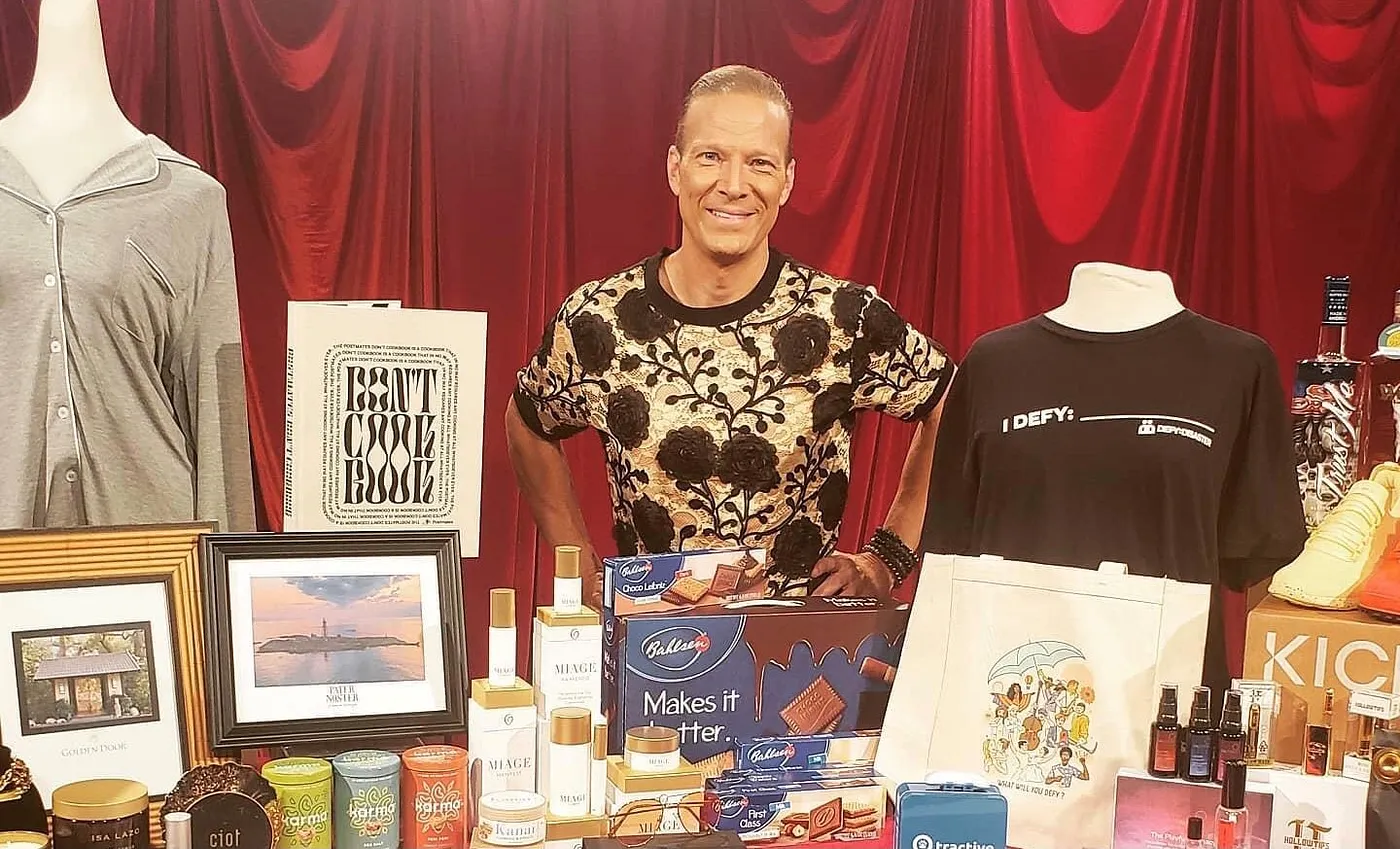
Lash Fary, President and Founder of Distinctive Assets, didn’t just corner the market on award show celebrity product placement; he literally invented it. Organically growing his privately-held niche marketing company over the past twenty-three years, Lash has become a well-known commodity in the worlds of gift giving, celebrity placement and product marketing. His reputation among companies big and small is to elevate and differentiate.
Thank you so much for joining us in this interview series! Before we dig in, our readers would like to get to know you a bit more. Can you tell us a bit about your “backstory”? What led you to this particular career path?
Even as child, I was passionate about gift giving…so I consider it a true blessing that I am able to make a living doing something I love. A chance meeting over two decades ago led to joining forces with my original business partner where we would bring clothing and jewelry onto television sets to sell to costume designers. That soon expanded into personal shopping for the actors on the shows, hosting pop up boutiques and an invitation to create the first-ever GRAMMY® Gift Bag. Twenty-three years later, we have now curated gift experiences for hundreds of notable events, thrown parties for A-list celebs and received tens of millions of media impressions about our work.
Can you share the most interesting story that happened to you since you began leading your company?
Of the hundreds of celebrities I have met, there are really only two who felt surreal. Surreal because their talents had long been such a profound part of my life. So when I had the opportunity to meet my idols Barbra Streisand and Bette Midler (both during GRAMMY rehearsals), these were moments that felt very significant. As a business owner, more often than not the focus is on the grind. Every so often you are given the chance to pause and appreciate your life with a sense of pride and wonder, and these were two of those moments.
Can you share a story about the funniest mistake you made when you were first starting? Can you tell us what lesson you learned from that?
I wish I had a personality where I could ever find humor in my mistakes. However, I do believe in the adage that there are no mistakes as long as you learn something. And let’s just say I have learned a lot over the years.
None of us are able to achieve success without some help along the way. Is there a particular person who you are grateful towards who helped get you to where you are? Can you share a story about that?
My sister, Paula, was like a guardian angel the first year or two of my business. As a 28-year-old running a business with multiple employees and doing almost everything for the first time, there were a number of oversights and miscalculations that led to cash flow crises, and my sister stepped up without hesitation with short-term loans that made all the difference.
As you know, the United States is currently facing a very important self-reckoning about race, diversity, equality and inclusion. This may be obvious to you, but it will be helpful to spell this out. Can you articulate to our readers a few reasons why it is so important for a business or organization to have a diverse executive team?
Twenty years ago, when “diversity & inclusion” wasn’t really a concept anyone talked about, my company was co-owned by a gay man and a Jew, run by women and had a staff that literally hit almost every ethnicity and age marker used by today’s HR standards. And even though it wasn’t done with any sort of deliberate thought or intention, it was perhaps part of the magic that helped make Distinctive Assets successful despite the odds. Diversity offers a full scope of perspective which provides the opportunity to make better decisions.
As a business leader, can you please share a few steps we must take to truly create an inclusive, representative, and equitable society? Kindly share a story or example for each.
I have recently been obsessed with “The Gilded Age” on HBO. Watching shows about elitism really crystalizes the importance of inclusivity, representation and equity. Those on the inside rarely see the need for change or inclusivity until they are forced to. They view it as a threat…if they view it as an issue at all. But change can’t just be pressure from the outside; it also requires allies from within who are enlightened, fair and just to extend a hand. It’s a push and pull.
Ok, thank you for that. Let’s now jump to the primary focus of our interview. Most of our readers — in fact, most people — think they have a pretty good idea of what a CEO or executive does. But in just a few words can you explain what an executive does that is different from the responsibilities of the other leaders?
It’s like being the captain of a ship. You decide the course. You adjust to weather conditions. Sometimes it’s about the cruise of catching a tail wind, and sometimes about battening down the hatches to weather a storm. And ultimately it’s about recruiting the best crew possible and inspiring them to perform at peak level, especially in the difficult moments.
What are the “myths” that you would like to dispel about being a CEO or executive. Can you explain what you mean?
In my case, being the CEO of a very small company, I’d say the biggest myth probably centers around “glamour”. There are so many unglamorous, mundane and intensive tasks that can fall to you. It is also a lot of pressure to be responsible for not just your livelihood but the livelihood of others as well. There are long hours and sleepless nights. People on the outside rarely see the struggle…only the rewards.
What is the most striking difference between your actual job and how you thought the job would be?
The amount of maintenance it takes year after year to stay on track. It’s like tending a garden …just because you had a bumper crop one year, doesn’t mean you will the next unless you put in the proper effort.
Do you think everyone is cut out to be an executive? In your opinion, which specific traits increase the likelihood that a person will be a successful executive and what type of person should avoid aspiring to be an executive? Can you explain what you mean?
No. Just as not everyone is cut out to be a tennis player. The best executives are those who lead by example. Being an executive isn’t just about delegation. It also requires the ability to make difficult decisions, often in an instant, and to be solution oriented. If you don’t like stress or pressure, being in a leadership position is probably not for you.
What advice would you give to other business leaders to help create a fantastic work culture? Can you share a story or an example?
Listen. Be kind. Acknowledge the work of others. Make it fun. As Maya Angelou once said, “People will forget what you said; people will forget what you did. But people will never forget how you made them feel.”
How have you used your success to make the world a better place?
I mean, don’t you love getting a goody bag when you leave a party?! In a way, I did that. I can’t end wars or poverty, but I can brighten someone’s day with a gift.
Fantastic. Here is the primary question of our interview. What are your “5 Things I Wish Someone Told Me Before I Started” and why? (Please share a story or example for each.)
1. Employees are not your friends. When you are fortunate enough to have great employees, it is easy to mistake friendliness for friendship. But ultimately, the relationship is transactional and that fact will always trump everything else…especially when they leave.
2. EGO is an acronym for Edging Good Out. Being insistent on doing something YOUR way vs being open to a better way that happens to be someone else’s idea will cost you time, money and resources. Be willing to set your ego aside to admit you don’t always have all the answers and need help … that you made a mistake … that someone else should take the lead on a certain task because they are better at it.
3. Don’t get complacent. Once you’ve had success, it’s easy to embrace a false sense of security that you’ll always have that success. I have been guilty over and over of taking extended time off in the wake of success. While it’s important to refuel and regroup, it’s also important to capitalize on momentum.
4. Say no more often. Saying yes can create unexpected opportunities … but saying yes just to avoid saying no is never enough of a reason. Not every opportunity makes sense, and while you are busy focusing on something which isn’t congruent with your company’s objectives, you could miss an opportunity that is. There were so many events I said yes to in the beginning of my business that simply cost me time and resources because I didn’t feel comfortable saying no.
5.Lowering overhead is the same as increasing revenue. If I could only get back the hundreds of thousands of dollars I spent on staff and resources I didn’t actually need or fully utilize. Cutting costs can contribute to your bottom line the same way increasing revenue does. That doesn’t mean you should be penny wise and pound foolish…but in hindsight I wish I had streamlined my operations way earlier on than I did.
You are a person of great influence. If you could inspire a movement that would bring the most amount of good for the greatest number of people, what would that be? You never know what your idea can trigger.
I am horrified by the amount of needless negativity people put into the world…especially via social media. When given the choice, be kind. If everyone focused on only sharing positivity whenever possible, the world would be a much better place.
Can you please give us your favorite “Life Lesson Quote”? Can you share how that was relevant to you in your life?
Hollywood rewards completion not perfection. As a perfectionist, I would have a tendency to keep fussing over a project…a press release, a launch, a proposal. While working on a pitch for a TV show concept for months and months, a friend in Development told me to just get it out there even if it wasn’t perfect. You miss 100% of the shots you don’t take. While I still want things to be their absolute best, I now embrace that doing something slightly imperfectly can often be better than doing nothing.
We are very blessed that some very prominent names in Business, VC funding, Sports, and Entertainment read this column. Is there a person in the world, or in the US with whom you would love to have a private breakfast or lunch with, and why? He or she might just see this if we tag them.
Alexis Ohanian. I often saw Alexis in Serena’s player’s box at tennis tournaments, and while I knew he had co-founded Reddit and was successful, I never took the time to learn anything specific about him. Recently I did. One of his companies, Invisible Universe, placed their Qai Qai doll (more than a doll really…she has her own animated social media persona) in our Nominee Gift Bag this year. He enthusiastically shared about the inclusion on his IG which prompted me to Google him. I was so inspired. Not just by his success but by how he is using his privilege and position for good. He is supporting equality, diversity and inclusion not just in thought but through action. He is leading by example. And what a shining example he is.
Thank you for these fantastic insights. We greatly appreciate the time you spent on this.
CK
Written by
Charlie Katz
Editor & Journalist · Authority MagazineCharlie Katz is a senior columnist at Authority Magazine covering Business and Tech, conducting primary-source Q&A interviews with founders, executives, and industry leaders.

Published inAuthority MagazineTop Lessons, Top Authorities · 42K Followers
Exclusive, curated interviews with the leaders and changemakers shaping tomorrow. Leadership lessons, industry deep dives, and executive profiles.