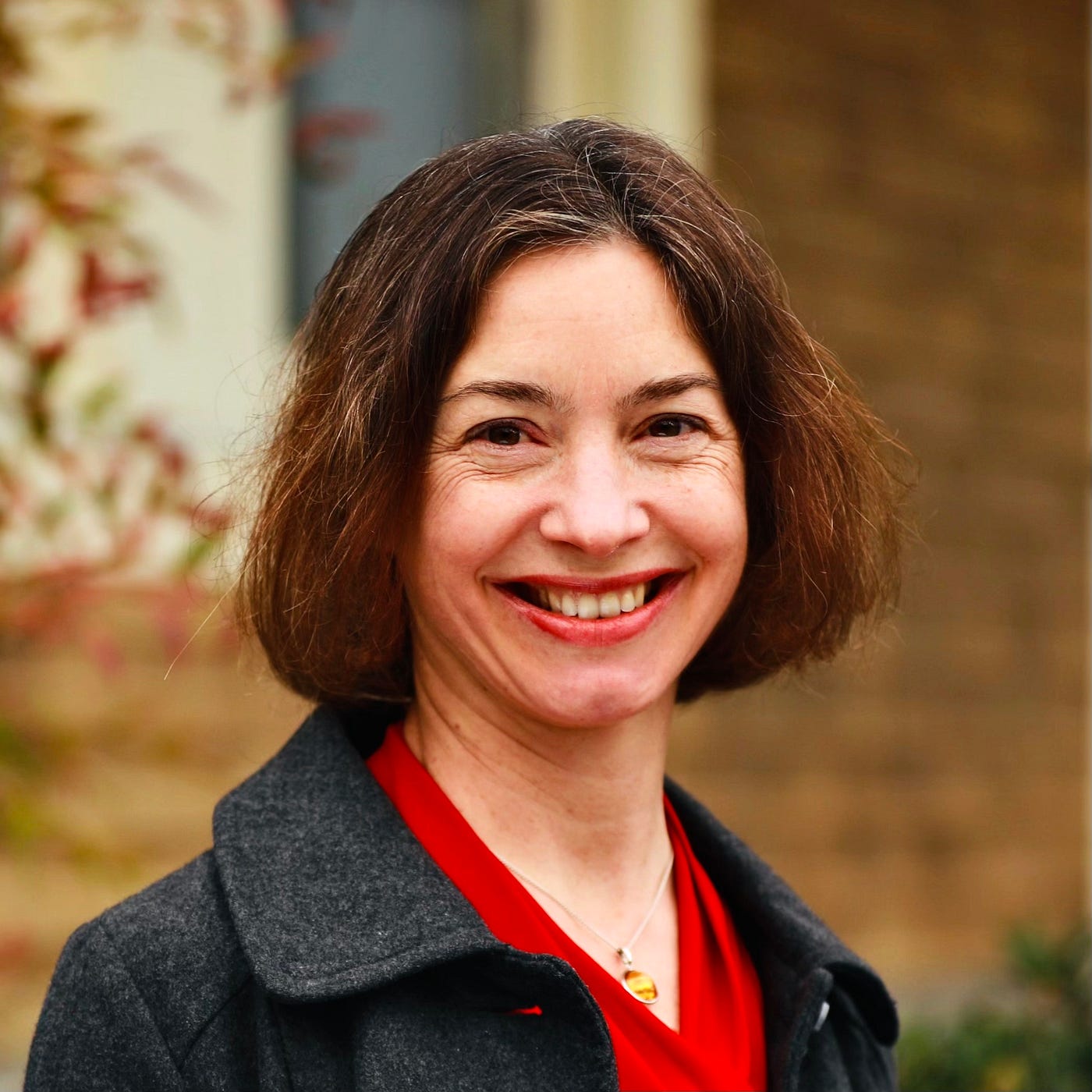
It is important to understand that there is no right or wrong on this journey. This is YOUR journey and your loved one’s journey, and everyone has their own path.
Note From Nancy Landrum: As a relationship coach, I understand the challenge of practicing what I teach! I have a great deal of respect and admiration for teachers, therapists, and coaches who “walk their talk.” I’m eager to hear your story and thank you for sharing it with our readers!
Mollie Kallen and Cancer Coach Connection on Lessons Learned as a Care-Giver
Being a caregiver is a role filled with both challenges and profound rewards. It requires compassion, resilience, and a commitment to the well-being of others, often under difficult circumstances. We would like to highlight practical advice, emotional reflections, and the impact of caregiving on both the caregiver and the ones they care for. As a part of this series I had the pleasure of interviewing Mollie Kallen, MS, CRC, CCM.
Mollie Kallen's Bio:
Mollie Kallen is an entrepreneur, speaker, cancer survivor, patient advocate, and the author of the upcoming book It’s Not About Me - How To Be Your Own Advocate Through Cancer (working title). She is also the founder of Cancer Coach Connection, where she works with patients, their family members, and providers, helping them navigate the difficulties of their diagnosis and treatments and effectively advocating for themselves to receive the best care possible.
With a background in education, Mollie earned her master’s in counseling from Northwestern University and took doctoral-level courses in psychology at the University of Cincinnati.
Over the past 30 years, Mollie has led over 600 case managers, advocating for patients’ rehab care in workplace injuries. Her company, Mollie Kallen Case Management, employed 600 case managers serving 200+ customers nationally. Since successfully transitioning out of this business, Mollie has continued her advocacy efforts, shifting the focus to helping cancer patients and their families around the world.
Inspired by successfully navigating her own battle with AML Leukemia, Mollie became an advocate for other cancer patients and their families. From teaching coping skills from the moment of diagnosis to proactively assembling patients’ support teams and dealing with feelings of abandonment, disenfranchisement, and even non-supportive providers, Mollie’s coaching clients receive support throughout their journey.
Mollie serves on many industry boards and is a frequent presenter at regional and national conferences. She has written many articles in the industry and is regularly featured in the media.
A passionate volunteer and hockey fan, Mollie is originally from Cincinnati, and currently lives in Boca Raton, FL with her husband and teenage son, and their dog and cat.
Thank you so much for doing this with us! Can you tell us a little about yourself? How did you find yourself in this role, as a caregiver?
I am Mollie Kallen and I’m originally from Cincinnati, Ohio and now live in South Florida. My background is in teaching and counseling, and I have started a website/company called Cancer Coach Connection wherein I offer coaching, speaking and consulting on how best to empower yourself as a patient, caregiver or provider through a cancer diagnosis.
I have been a caregiver in my personal life to my parents, however now I am in the role of being a cancer survivor and am a Cancer Coach to help others advocate for themselves and empower themselves through their cancer journey. This is NOT just for survivors, but also aimed towards caregivers as well. So, I have the dual perspective of being both a caregiver and being taken care of by a caregiver AND the counseling/teaching/coaching background to assist caregivers.
Looking back on your caregiving journey, what is one lesson you learned that you wish someone had shared with you earlier?
To ask for help when you need it. Do not be afraid to lean on YOUR village to help you navigate through your role as a caregiver. We all cannot do life alone and it is important to lean on your team. You might want to add professionals to your team that can offer you objectivity and expertise. Such experts are counselors, exercise trainers, yoga instructors, nutritionists, whatever you like or can afford. It can be as simple as listening to motivating podcasts or books or taking a walk. Listen to your body and your spirit.
What was the most unexpected thing you discovered about yourself through being a caregiver?
That I am stronger than I knew. We all have a pretty good self-barometer, but it is when we are faced with life’s challenges, do we really confront what we are made of/our strength and our resilience. Certainly, as a Cancer Survivor I learned that lesson.
Were there any moments when you felt like you got it wrong? How did you navigate those feelings and move forward?
It is important to understand that there is no right or wrong on this journey. This is YOUR journey and your loved one’s journey, and everyone has their own path. Sometimes there are roadblocks or deviations in this path, but it still belongs to you and although it is easy to do, do not compare your journey to someone else’s.
Everyone has bad days…days of self-doubt/fear/worry, but it is how you navigate through that which is always the WIN. It’s important to know that what you’re doing is enough; in fact, it is more than enough, and you are doing something incredible by being a caregiver.
Caregiving can be emotionally and physically demanding—what strategies or habits helped you stay grounded and find balance?
Maintaining your own health and well-being. As mentioned before, it is easy to lose sight of yourself when you are immersed in helping someone else. Maintaining some type of schedule is key. “Every morning, I will try to walk for 15 minutes” or try to meditate/yoga/read, etc. Getting good sleep and nutrition are also key as well as your mental health as discussed previously. Sometimes it is good to do some of these activities with your loved one if possible as that is a good release for them as well.
Is there a particular story or memory from your caregiving experience that stands out as a defining moment?
As a caregiver, I think one of the most beautiful moments for me was the ability to be there with both of my parents through the entire arc of their health journeys. The ability to be present with them was such a gift. Thankfully this was not during COVID as I can only imagine how horrible that is for the caregiver and the loved one. I was there every step of the way and their last moments in some ways were the most defining for me as a caregiver and as a daughter. They both thanked me endlessly and it was my honor to help them/be there for them. I was lucky enough to hold both their hands as they passed and that was my defining moment.
Were you given any advice or had you made any assumptions that turned out to be unrealistic? Unworkable? If so, name them and give examples of why those plans didn’t work.
I learned by watching (my parents as I discuss later) and I saw firsthand that if you take the time to help others, it will come back to you tenfold. My parents were big helpers but often did it anonymously, which to me is always a mark of doing good deeds – you aren’t doing them for the recognition. Being kind, helping others, caring for others in times of need is the right thing to do – no assumptions.
From your experience, what are “Five Things I Wish I Knew When I First Became a Caregiver”?
1 . Breathe – take the time, especially right at the beginning, to breathe and just process what is happening. This isn’t only for the beginning of the journey as there will often be “bumps” in the journey and taking a moment to breathe and process what’s going on not only enables you as a caregiver to better assist the patient AND make better choices for both of you but also helps to protect your mental and physical well-being.
2 . Accompany the patient on their visits – It is so important that someone always accompanies the patient to their appointments. As a patient, and I know this firsthand, you become easily confused, distracted, emotional and do not always pay the closest attention to what is being said. It becomes overwhelming and hard to process and that is why it is important to have someone else there to assist.
3 . Taking notes/journal – This is so important given the above. As a caregiver, it is helpful for you to take notes for the patient while you are at appointments as well as writing down questions that the patient may have BEFORE appointments, so they are not forgotten. Keeping a caregiver journal is helpful not only for yourself but for the patient to keep one as well. Keeping a journal is not only an effective way of tracking events/progress but also as a means to document feelings/emotions which serve as a release and stress buster for all.
4 . Stay organized – Both for the caregiver and the patient, it is so important to have one central place to keep all documentation while going through treatment. Find a good expandable folder and label it (medical, insurance, resources, etc.) and keep all the documents in one place. Especially at such a trying time, it’s so important not to lose information.
5 . Take time for yourself – As a caregiver, so much of your time and energy is devoted to your loved one. BUT, if you do not take care of yourself, you won’t be there for anyone. Odds are you have a life, a family, a job and to be present for everyone in your life (including your loved one) it is so important to maintain a sense of balance. That is taking care of yourself physically and mentally. Seeking a counselor, reiki instructor, yoga or any type of exercise and maintaining good nutrition and sleep is essential.
Here is brief video regarding the above
None of us are able to achieve success without some help along the way. Who has been the inspiration or model for you? Can you share a story about that?
My parents were and continue to be my role models in every aspect of my life. Watching them be caregivers to their family members and friends, modeled for me how to do the same when it was my turn. Learning by example. As a child, my father would take us many times to the “old home” to visit elderly relatives. I would watch him, and my mother comb my elderly aunt’s hair and kiss her as well as other family members. I remember once being in a room at the facility and my mother said, “look around you…they were all once doctors, lawyers, etc.” and that instilled in me the importance of respecting others at all stages in life.
How have you used your success to bring goodness to the world?
I am a big believer in mentorship and passing your truths and lessons to others. It is definitely a two-way street as I have learned so much from those I’ve mentored as well. I also believe in helping others/doing volunteer work. I’m not motivated by financial gain in writing my book/coaching, it is more of providing something that is not out there for others that is sorely needed. A practical guide of how to walk through this journey with helpful tips from all of those in the cancer village. I am also very active in many cancer related organizations and write articles and guest on podcasts
You are a person of great influence. If you could inspire a movement that would bring the most amount of good to the most amount of people, what would that be? You never know what your idea can trigger. :-)
I think I am actually doing this. I have developed my coaching, speaking and consulting work to bring the most amount of help and insight to people as well as writing my book. This is, I feel, my destiny and my biggest contribution to others.
Can you please give us your favorite "Life Lesson Quotes"? Can you share how that was relevant to you in your life?
“The human spirit is stronger than anything that can happen to it. Cancer showed me just how strong mine really was.” And “I am not what happened to me. I am what I choose to become. Cancer was a chapter, not my whole story.”
I kept a picture of Wonder Woman in my hospital room and throughout my care and when I would look at that picture, I envisioned myself as Wonder Woman. I kept fighting.
We are very blessed that some of the biggest names in Business, VC funding, Sports, and Entertainment read this column. Is there a person in the world, or in the US with whom you would love to have a private breakfast or lunch with, and why? He or she might just see this if we tag them :-)
There are so many people that I admire in all levels of society. Given the work that I am doing now, I would really love to connect to someone like Sheryl Crow or other well known cancer survivors in all walks of life to listen and learn from them and their stories. Music is a huge part of my life and was also a big part of my recovery and I am in awe of those who are not only talented but shine their spotlight on others by leading by example and sharing their stories. Carly Simon, Melissa Etheridge, are others in the music industry who have elevated others with their stories and their activism.
How can our readers follow your work online?
I have my website www.cancercoachconnection.com as well as social media (LinkedIn, Youtube, X, Facebook, etc.) and I am also writing my first book. It’s a practical guide for all of those in the cancer village (survivor, caregiver, provider, family/friends) of how best to walk through this journey as a warrior and with empowerment.
Thank you so much for joining us. This was very inspirational.
About the Interviewer: At 79 years young, Nancy guides couples to transformative relationship skills, specializing in strategies for stepfamilies to succeed. Nancy brings her MA in Spiritual Psychology, personal experience and research proven strategies to guide couples to healthy communication skills and relationship happiness. Nancy has contributed to multiple media outlets including Huffington Post, Psych Central, and Woman’s Day magazine, to name a few. Nancy coaches in person, on Zoom, in her online courses at www.MillionaireMarriageClub.com , on "Relationship Rehab" TV and Talk and has authored eight books, including "How to Stay Married & Love It!" and "Stepping TwoGether: Building a Strong Stepfamily". Nancy's goal is to lower the divorce rate globally.