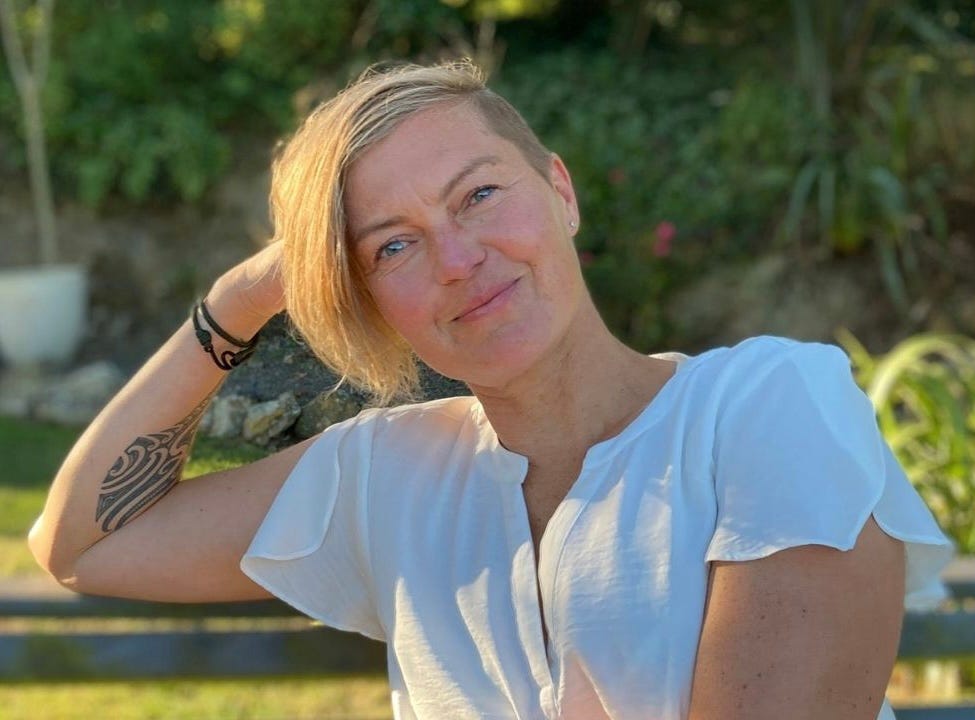
The person who has supported me every step of the way—both personally and professionally—is my mom. She instilled in me a deep appreciation for the power of herbs, crafting teas and home remedies, and has stood by my side through every challenge.
Total Health: (Dr. Jennifer Ruthensteiner, Reboot Center) On How We Can Optimize Our Mental, Physical, Emotional, & Spiritual Wellbeing
INTERVIEW QUESTIONS.
(If you are unable to download it, please click here or click File-Download)
Please answer the questions, and leave the questions formatted as they are in the document. We may schedule a follow-up call or skype to round things out.
Often when we refer to wellness, we assume that we are talking about physical wellbeing. But one can be physically very healthy but still be unwell, emotionally or mentally. What are the steps we can take to cultivate optimal wellness in all areas of our life; to develop Mental, Physical, Emotional, & Spiritual Wellbeing? As a part of our series about “How We Can Cultivate Our Mental, Physical, Emotional, & Spiritual Wellbeing”, we had the pleasure of interviewing Dr. Jennifer Ruthensteiner.
(kindly insert your three sentence bio paragraph written in third person here. The rest of the interview should be in first person:)
Dr. Jennifer Ruthensteiner is a pioneer in restorative healthcare, blending cutting-edge science with natural medicine to reverse disease, optimize body and mind, and extend healthspan. Founder of Reboot Center, she challenges the broken sick-care model, guiding patients toward peak performance and longevity through biohacking and personalized therapies. A sought-after health and life strategy coach, prolific writer, speaker, and contributor to various professional publications, she is on a mission to redefine health, empowering individuals and communities to reclaim vitality and design a life of resilience and unstoppable energy.
Thank you so much for joining us in this interview series! Before we dive into the main focus of our interview, our readers would love to “get to know you” a bit better. Can you tell us a bit about your childhood backstory?
I grew up near Vienna, Austria, surrounded by nature, which sparked my early passion for holistic healing. My journey into medicine began as a personal quest to overcome my own health challenges—a knee tumor at age 4, blood poisoning at 8, and chronic fatigue, anemia, and hypothyroidism through my teens and 20s. These experiences revealed just how fragile health can be—and fueled my determination to restore and optimize it for myself and others.
What or who inspired you to pursue your career? We’d love to hear the story.
It was my early childhood health struggles that ignited my determination to become a physician and thereby help people with deep, restorative solutions to chronic illnesses. Over time, my own healing journey, combined with my clinical work, solidified my commitment to helping others break free from the sick-care model and reclaim their vitality through personalized, sustainable, and non-toxic strategies.
Today, I provide root-cause patient care and client coaching that blends biohacking, restorative medicine, and nutrigenomics to help others reverse disease and optimize wellness. My approach integrates advanced methods like detoxification, lymphatic support, hormone balancing, cellular rejuvenation, and metabolic therapies—bridging cutting-edge science and new technologies with time-tested natural medicines.
None of us can achieve success without some help along the way. Was there a particular person who you feel gave you the most help or encouragement to be who you are today? Can you share a story about that?
The person who has supported me every step of the way—both personally and professionally—is my mom. She instilled in me a deep appreciation for the power of herbs, crafting teas and home remedies, and has stood by my side through every challenge. Her unwavering presence has shaped me as a mother, business owner, physician, and self-made woman.
On the professional side, one mentor who stands out among the many I’ve been fortunate to learn from is Dr. Dietrich Klinghardt. During my last two years of medical school and the year following graduation, I had the great privilege of working with him. He introduced me to a completely different perspective on disease and showed me diagnostic and assessment methods beyond traditional Western, naturopathic, and functional medicine approaches. I am deeply grateful to Dr. Klinghardt for taking me under his wing early in my career journey.
Can you share the funniest or most interesting mistake that occurred to you in the course of your career? What lesson or takeaway did you learn from that?
Entrusting an employee with the company credit card for holiday party preparations! Let’s just say she went ALL OUT—but it ended up being the best holiday party Reboot Center has ever had. Lesson learned? Sometimes, letting go of control leads to unexpectedly awesome results.
Is there a particular book that made a significant impact on you? Can you share a story or explain why it resonated with you so much?
One of my all-time favorite books is Lao Tzu’s Tao Te Ching. Its timeless wisdom offers a profound guide to harmony, balance, and the natural flow of life. Especially when I’m moving at full speed in a million directions, reading a few pages helps ground me in presence, balance, and peace.
True wellness isn’t about force or control but about aligning with the body’s—and the universe’s—innate intelligence. Life flows effortlessly once we move past the surface ripples. The Tao flows effortlessly, and so does optimal health when we remove obstacles and support our body’s natural rhythms.
Tao Te Ching helps me stay centered in my own microverse, reminding me that healing arises from stillness, awareness, and alignment with nature’s wisdom. It is a remarkable book that has deeply informed my work with patients and clients.
Can you share your favorite “Life Lesson Quote”? Why does that resonate with you so much?
One of my favorite quotes comes from Christopher Robin in Pooh’s Grand Adventure: “You’re braver than you believe, stronger than you seem, and smarter than you think.”
This quote resonates SO deeply with me! It’s a powerful reminder that we often underestimate our own strength, resilience, and wisdom. In moments of doubt, I go right back to these words—they help me dig deeper, trust myself, and recognize that I’m capable of far more than I realize. That goes for all of us!
What are some of the most interesting or exciting projects you are working on now? How do you think that might help people?
I’m moving more into the speaking circuit, which will help me share my message with the world in ways that are much more difficult to do in a clinical 1-on-1 setting. Speaking on stage is daunting and definitely still outside my comfort zone (for now), but I’m excited to share the knowledge and insights I’ve honed over 20 years in private practice. Our nation and world are trapped in a sick coma of chronic, lifestyle-induced diseases, and we need a MASSIVELY BIG wake-up call. Families and children deserve to learn how to cultivate their minds, nourish their bodies, reconnect with each other and with themselves, break free from addictions—including sugar, processed foods, endless ‘doom-scrolling’—and embrace a more resilient, upgraded state of being.
OK, thank you for all of that. Let’s now shift to the core focus of our interview. In this interview series we’d like to discuss cultivating wellness habits in four areas of our lives: Mental wellness, Physical wellness, Emotional wellness, & Spiritual wellness. Let’s dive deeper into these together. Based on your research or experience, can you share with our readers three good habits that can lead to optimum mental wellness? Please share a story or example for each.
Optimizing metabolism is key to mental clarity, focus, and long-term brain health. The brain is an energy powerhouse! When metabolism lags, cognition suffers. Blood sugar imbalances, mitochondrial dysfunction, toxins, and inflammation all drive brain fog, cognitive challenges, and mood instability. I’ve seen patients dramatically improve focus and emotional resilience simply by stabilizing blood sugar with a real food diet (ie. avoiding processed and ultraprocessed foods).
Chronic stress hijacks the body, keeping it in fight-or-flight. Simple shifts—deep nasal breathing, lymphatic activation, and vagus nerve work—reset the system. I’ve had countless patients experience profound anxiety relief with structured daily breathwork. Proper breathing is a game-changer.
Social connection is massively powerful medicine—it regulates cortisol, boosts immunity, and enhances neuroplasticity. I’ve seen patients regain energy and joy simply by engaging with a supportive community. In my practice, I foster connection through group activities and health challenges, making the journey to better health both engaging and fun. When you surround yourself with people who uplift you, mental wellness follows.
Do you have a specific type of meditation practice or Yoga practice that you have found helpful? We’d love to hear about it.
Stress is a major contributor to chronic disease. As a busy mom, business owner, physician, and speaker, I face plenty of stressors daily. To manage this, I practice simple mindfulness meditation at least once a day to tap into deep calm and inner presence. This helps me understand the nature of the stressor, identify where it manifests in my body, and create an effective stress response strategy. It only takes 5-10 minutes in the morning, and I repeat it as needed throughout the day.
Thank you for that. Can you share three good habits that can lead to optimum physical wellness? Please share a story or example for each.
When my grandmother was still with us, she used to say, “You are what you eat, what you read, and with whom you communicate.” That wisdom has stayed with me, and I still live by it today.
What you eat: I tell my patients and my kids to keep it simple—whole foods, mostly veggies, and as organic as possible. Avoid sugar. And avoid everything processed and ultra-processed - this isn’t really food.
What you read: This includes social media and movies. The brain doesn’t distinguish between real and imagined stress—it all feels real. So why watch scary movies before bed or start the day with alarming headlines? Staying informed matters, but balancing it with activities that support your nervous system is key to maintaining a healthy neurological state.
With whom you communicate: It’s often said that you are the average of the five people you spend the most time with. Being connected with people who respect and encourage you on your life path is vital.
Two additional key habits are daily movement and adequate sleep. Muscle is the tissue of longevity, so staying strong into old age is important. As for sleep, we as a nation are massively sleep-deprived. During deep sleep (specifically, slow-wave sleep), the body focuses on tissue growth and repair, muscle recovery, immune function, and hormone regulation.
My patients who really take optimizing these five lifestyle elements seriously shift their health into the green quickly!
Do you have any particular thoughts about healthy eating? We all know that it's important to eat more vegetables, eat less sugar, etc. But while we know it intellectually, it's often difficult to put it into practice and make it a part of our daily habits. In your opinion what are the main blockages that prevent us from taking the information that we all know, and integrating it into our lives?
More and more, we’re wired to seek quick fixes, especially in a world that constantly offers instant gratification. Research suggests that our attention span shortens with each passing generation, driven by the rise of digital technology and constant stimuli. This shift has made it more difficult for many to build grit, work hard and stay committed to long-term goals, especially when results are delayed—weeks, months, sometimes even years. Undoing a health-compromising habit can be incredibly challenging—whether it’s alcohol, coffee, cigarettes, painkillers when they’re not truly indicated, illegal drugs, or something else. What I’ve found is that having a supportive community is key. This is why Alcoholics Anonymous is so effective.
In my practice, I host group challenges where patients support each other in avoiding certain substances/habits for a set period of time. Every year, I lead a ‘Coffree Challenge’ (aka. Coffee-Free Challenge) for a month as well as a ‘Mocktail Challenge’ (aka. Alcohol-Free Challenge), also for a month. Currently, I’m guiding a patient group through a 6-month Disease Reversal through Nutrition Challenge, which involves sticking closely to a whole-food, paleo-style diet. The collective dynamic of the group plays a significant role in helping the individual participants stay on track, plus it makes the process fun!
Can you share three good habits that can lead to optimum emotional wellness? Please share a story or example for each.
Deep breathing: Even the simplest breathwork can shift the nervous system from anxiety to calm. One of my go-to techniques is a few slow, deep breaths in and out through the nose. I’ve seen patients go from anxious spirals to a grounded state in under a minute using this method. Breath is our built-in reset button—we just have to use it.
Adequate sleep & daily downtime: Sleep detoxifies the brain, balances hormones, and supports gut health—all crucial for emotional wellness. The average adult needs 7.5–8.5 hours per night, but in the U.S., most get less than 7. I’ve had patients struggling with mood swings and brain fog see remarkable improvement just by prioritizing quality sleep and scheduling intentional downtime during the day.
Centering with my ‘4M Technique’: When patients feel overwhelmed, unfocused, or disconnected, I guide them through a 4M centering technique I’ve developed :
Mind & Senses (connection to the sky above)
Muscles & Structure (grounding through the body)
Mitochondrial Memory (awareness of the past)
Metabolism & Momentum (vision for the future)
By visualizing themselves at the epicenter of these four directions, they shift from mental chaos to calmness and a sense of connectedness within themselves and the universe.
Do you have any particular thoughts about the power of smiling to improve emotional wellness? We’d love to hear it.
Smiling and having fun are powerful! Laughter truly is the best medicine. Young kids instinctively get this—they can go from fighting over a toy to laughing together in seconds. In the face of life’s challenges, keeping things light is essential, especially for protecting the autonomic nervous system.
When something feels overwhelming, I use a simple trick: mentally zooming out, as if standing on the moon, looking down at our human worries. From that perspective, they suddenly don’t seem so big at all!
Finally, can you share three good habits that can lead to optimum spiritual wellness? Please share a story or example for each.
Spirituality is such a personal journey! I grew up in a relatively atheistic family, so I didn’t develop a deep spiritual connection until later in life. Now, I cultivate it daily through a few practices, including these:
Inner intuition: To me, cultivating my sense of intuition is a deeply spiritual practice. I hone it through meditation, asking questions in stillness, and quieting my mind to listen for answers. This practice strengthens my inner guidance, especially when it comes to my health. Intuition is the best physician!
Expanding consciousness: I believe our consciousness transcends the physical body. I visualize it like the ocean - our physical body is the reactive surface, but deeper layers hold the stillness and wisdom of our everlasting consciousness.
Heart-centered being: I see the heart as more than just a pump; it is also an energetic bridge to spirit. I practice moving through life heart-first as opposed to head-first, engaging in conversations from a heart perspective.
Do you have any particular thoughts about how being “in nature” can help us to cultivate spiritual wellness?
Nature is spirit—raw, wild, and seemingly random, yet perfectly organized. Every twig, blade of grass, and fallen leaf has its place. Spirit is everywhere.
Nature is my sanctuary. Living on a rural island, I’m surrounded by untamed beauty. I run on trails, not roads—turning long runs into moving meditations. Nature quiets my mind while awakening my senses. And the simple, joyful act of running keeps me in the NOW.
Being in my body is also being in nature. My body is a reflection of the natural world, a hologram of its rhythms. When I immerse myself in the wild, I realign with nature’s spirit—and carry that harmony with me through each day.
Ok, we are nearly done. You are a person of great influence. If you could inspire a movement that would bring the most amount of good for the greatest number of people, what would that be? You never know what your idea can trigger.
I would inspire a Restorative Health Revolution—a movement shifting us from chaos, drama, and chemical-laden foods (which drive chronic disease and medication dependence) to wildly upgraded health—clarity of mind, freedom of body, and deep spiritual connection.
Too many are stuck in a cycle of medicating symptoms instead of addressing root causes, leading to diminished joy, productivity, and creative potential. I want to wake people up to the power of restorative medicine—a renewed lease on life.
Imagine a world where families reclaim their health through nutrient-dense food, movement, deep sleep, and connection. Where children grow up resilient, free from preventable chronic disease. Where healthcare focuses on optimization, not just survival.
This movement would empower individuals to break free from pharmaceutical dependence and embrace bio-individual, data-driven, longevity-focused health. Because real health isn’t just the absence of disease—it’s thriving.
We are very blessed that some of the biggest names in Business, VC funding, Sports, and Entertainment read this column. Is there a person in the world, or in the US, whom you would love to have a private breakfast or lunch with, and why? He or she might just see this, especially if we both tag them :-)
David Goggins
How can our readers further follow your work online?
Website: rebootcenter.com
Dr. Jennifer, Unfiltered (daily posts): rebootcenter.com/unfiltered
IG, FB: @rebootcenter
LinkedIn: /drjenniferruthensteiner
Articles in various publications, including NDNR and Today’s Practitioner
Thank you for these really excellent insights, and we greatly appreciate the time you spent with this. We wish you continued success.