I went to a Montessori school, before it was cool, and have always been lucky to have grown in an environment that fostered my creativity and independence.
(If you are unable to download it, please click File-Download)
INTERVIEW QUESTIONS:
As a part of our series about Mental Health Champions helping to promote mental wellness, I had the pleasure to interview Manu Muraro.
(kindly insert your three-sentence bio, written in the third person here:)
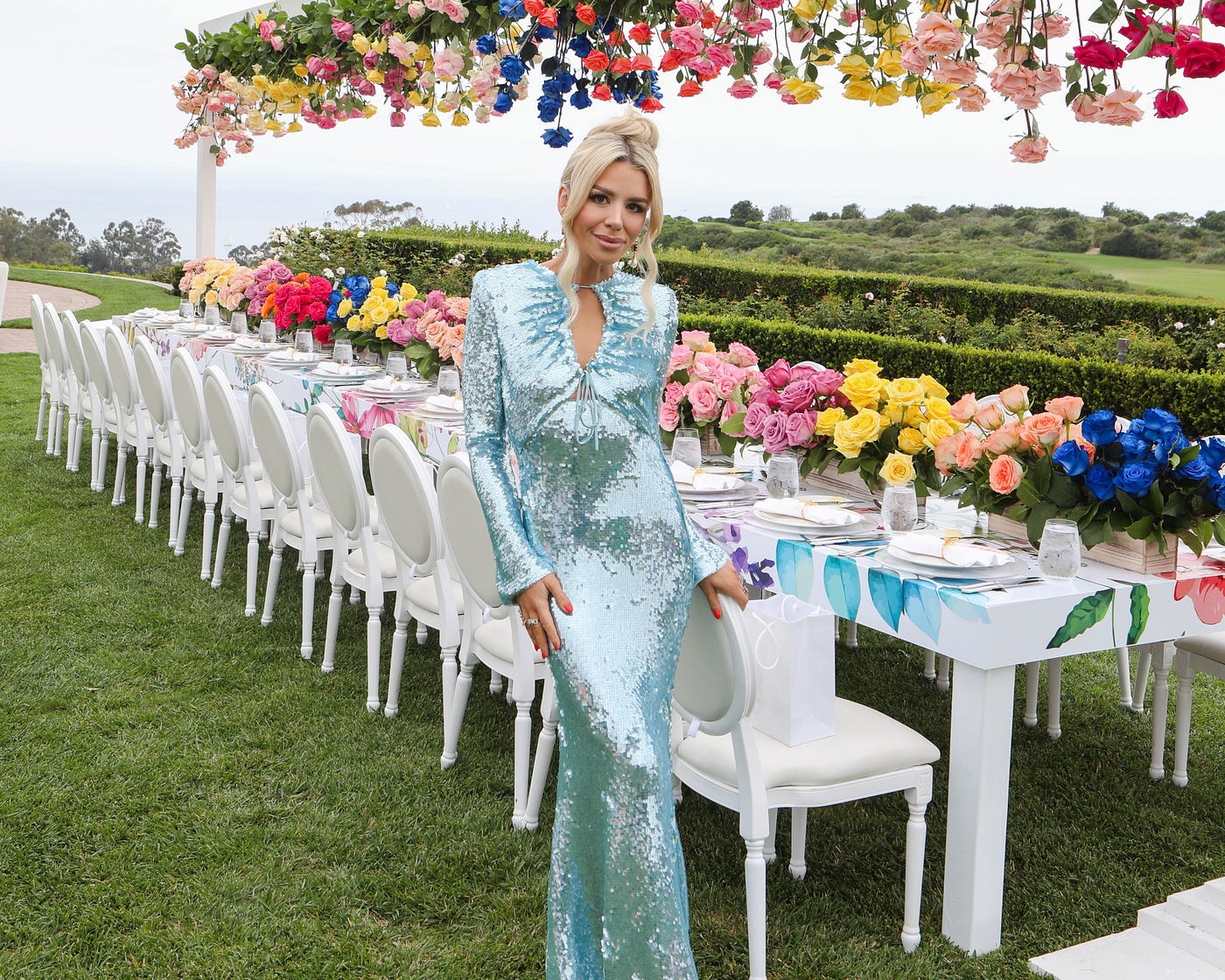
Manu Muraro is the founder of Your Social Team, an Instagram coaching and templates business that helps ethical brands with a sense of humor grow their organic engagement and sales using Instagram, while putting their mental wellness ahead of social media likes.
Born and raised in Brazil, Manu moved to the U.S. right out of college, to work for Cartoon Network, where she made an award-winning career in creative for 15 years before starting her own business.
Thank you so much for doing this with us! Before we dig in, our readers would like to get to know you a bit. Can you tell us a bit about how you grew up?
I was born and raised in the São Paulo area, in Brazil. My dad is a doctor and professor. My mom was a self-employed interior designer, but dedicated most of her time to my sisters and me as we were growing up. Between my parents' professions, I was always a lot more interested in mom’s drawing table with collections of fancy coloring pencils than my dad’s piles of books and overnight shifts. I went to a Montessori school, before it was cool, and have always been lucky to have grown in an environment that fostered my creativity and independence. My upbringing was pretty uneventful in the best of ways.
You are currently leading an initiative that is helping to promote mental wellness. Can you tell us a bit more specifically about what you are trying to address?
Mental Wellness has been increasingly a bigger priority in my business as the years pass. When I started Your Social Team, my focus was to help small businesses, mostly women-owned, to grow their businesses using Instagram. But as you start looking closer at the impact of social media on people's mental health, it becomes clear that helping them manage their expectations, mindset and let go of vanity metrics is just as important as getting Instagram followers or teaching them how to sell on social media.
Can you tell us the backstory about what inspired you to originally feel passionate about this cause?
Since the early days of my business, I noticed people would take any lack of results from social media very personally. Engagement is down? Forget it’s a major holiday, and everyone is off. They would always think it was happening because they were doing something wrong, people didn’t like them, or the algorithm was against them. That led to lower self-esteem and imposter syndrome.
To fix it, they would do more! I see these small businesses posting a large quantity of content, being part of several social media courses and memberships, following dozens of social media experts who naturally are all different people and give them conflicting advice, and spending hours every week just engaging with random accounts in the hopes of getting followers. By doing that, some end up working longer hours, being exhausted, and burning out. I also see many business owners not meeting client deadlines because they spend all their time posting and engaging.
Observing their cycle and how everyone was so affected by it, I started putting mental wellness front and center. I went as far as completely revamping my monthly Instagram coaching membership to provide a lot less, saving their time and headspace for other things. That included a big drop in their monthly fees, but it was very worth it!
Many of us have ideas, dreams, and passions, but never manifest them. They don't get up and just do it. But you did. Was there an “Aha Moment” that made you decide that you were actually going to step up and do it? What was that final trigger?
My aha moment was very much tied to mental wellness and putting myself and my family first. I had worked full-time for over 15 years before I started my business. When my youngest daughter was 1, I was laid off, and I started looking for my next position. What I saw when interviewing for different companies was that every position required more than the last, except with lesser pay. Working eventual nights and weekends without talks of overtime pay, a list of skills that was impossible for one person to have, descriptions that explained how you’d do 3 jobs… The last straw was when I was at the last round of interviews and had been interviewed by 7 people in that department. They all seemed miserable. When I got home, I wrote all their thank you emails, and not one of the 7 responded. That's when I decided that I wanted to do my part to fix this problem and do things my way. So I started freelancing and building a presence on social media. After a few months, I hosted my first social media workshop bringing this mindful approach to how we see and interact with social media, especially Instagram.
Can you share the most interesting story that happened to you since you began leading your company or organization?
This is my favorite story because it showed me our voices have power! Earlier this year, it was brought to my attention that an original video of mine with my face on it was being used by another Instagram coach’s account without my permission. This is a copyright infringement and is against Instagram’s terms. With a closer look, we noticed they had been doing the same thing daily to hundreds of others to advance their business.
This happens all the time, but no one talks about it. But I did. I educated all other women on how to have Instagram take down unauthorized regrams, and talked a lot about the unethical regram culture on Instagram. The topic started being discussed and shared within the Instagram experts community. Three days later, the Head of Instagram Adam Mosseri posted a video announcing that Instagram was going to do more to value original content compared to reposted content.
None of us can be successful without some help along the way. Did you have mentors or cheerleaders who helped you to succeed? Can you tell us a story about their influence?
Absolutely! I always tell people that my business did not start growing and succeeding until I started investing in help, resources, and education. My husband was always my biggest cheerleader. He has always been an entrepreneur, so he did all my business setups, LLCs, bank accounts, accounting, etc. Things my creative brain would definitely struggle with. He was also the one who would always say a big YES when I asked if I should invest a few thousand dollars in a big course or program. Those investments were really what made my business take off. I also worked with a mentor at the beginning of my business who helped me with my offers and strategy, and later contracted a very experienced general manager, who has had an amazing impact on how the business runs. Sometimes we think we should save money at all costs and just Google and DIY everything. But we don’t understand the cost of using our own hours in tasks we don’t have the knowledge or tools to do can get very high.
According to Mental Health America's report, over 44 million Americans have a mental health condition. Yet there's still a stigma about mental illness. Can you share a few reasons you think this is so?
I think this comes from centuries ago when people didn’t discuss their health because they wanted to look proper and perfect or because they saw it as a weakness. It’s also an invisible condition, so it makes it easier to ignore and hide, which unfortunately makes others feel more isolated and alone, thinking they are the only ones suffering from it. On the bright side, I see this changing, and social media plays a big role in this. So many influencers discuss and normalize mental illness today. It’s refreshing to see.
In your experience, what should a) individuals b) society, and c) the government do to better support people suffering from mental illness?
I think destigmatizing it is a great start. People can access care and resources if they feel the need to pretend they don’t have it or are welcome to openly talk about it. I think all 3 can and should do more for awareness. Access to treatment is also something that we need to see a lot more. Most people can’t access or afford it.
What are your 5 strategies you use to promote your own well-being and mental wellness? Can you please give a story or example for each?
I say no a lot. I have been invited to speak at a conference that would be good for me, professionally. But I said no because it was on the weekend and that’s the time I spend with my family. I do this often, and that’s a boundary that I have no problem sticking to.
I deleted my Facebook newsfeed. This was during the pandemic and the 2020 elections. Not an easy time for mental wellness. Between people’s opinions about Covid to everyone’s strong political opinions, that was such a relief. There are a couple of different ways to do this, but I deleted the Facebook app from my phone and downloaded the Chrome extension.
I don’t get caught on social media vanity metrics, which are the followers and likes of the world. Even being a social media expert, I never archive a post because it had lower performance or worry about it. Instead, I track business metrics that are more important to me, like my business revenue. Because why would I mind fewer likes if my business is still growing?
I take vacations and time off. Family is super important to me, and I make sure I am not working 24/7 all year long. Even though I do work a lot and have to tone it down some, I still disconnect a few times a year and take real vacations – not just vacations where you’re doing a “quick post” every day.
I pet my dog, Willie Nelson. Sitting on the floor in silence with a sweet dog for a few minutes at a time does wonders!
What are your favorite books, podcasts, or resources that inspire you to be a mental health champion?
I get more inspiration from the women in my community than from books and podcasts. I surround myself with others who have similar goals and outlooks, and we collaborate and often discuss how we can help improve the industry and each other!
If you could tell other people one thing about why they should consider making a positive impact on our environment or society, like you, what would you tell them?
Be transparent and be kind. I don’t think anyone needs to share everything about their lives or businesses, or create content for others about everything, by any means. But for the things we choose to share, we should tell the truth and be honest, especially as we broadcast to an audience on social media. With having a platform comes responsibility, and we are responsible for the impact our words have.
How can our readers follow you online?
You can follow me @yoursocialteam on Instagram and TikTok.
This was very meaningful, thank you so much. We wish you only continued success on your great work!
Thank you for having me!
About the Interviewer: Inspired by the father of PR, Edward Bernays (who was also Sigmund Freud's nephew), Michelle Tennant Nicholson researches marketing, mental injury, and what it takes for optimal human development. An award-winning writer and publicist, she's seen PR transition from typewriters to Twitter. Michelle co-founded WasabiPublicity.com