That moment taught me something I still carry today: thoughtful decisiveness isn’t abrasive — it’s clarifying. It signals progress, confidence, and forward motion. Sometimes we have to take risks and not do things perfectly to learn from them.
Sigma Nursing CEO Lucas M. Davis shares how mission-driven leadership, process-oriented habits, and radical candor transform organizations and empower nursing professionals.
That moment taught me something I still carry today: thoughtful decisiveness isn’t abrasive — it’s clarifying. It signals progress, confidence, and forward motion. Sometimes we have to take risks and not do things perfectly to learn from them.
As part of our series called “Five Things You Need To Be A Highly Effective C-Suite Executive,” we had the pleasure of interviewing Lucas M. “Luke” Davis.
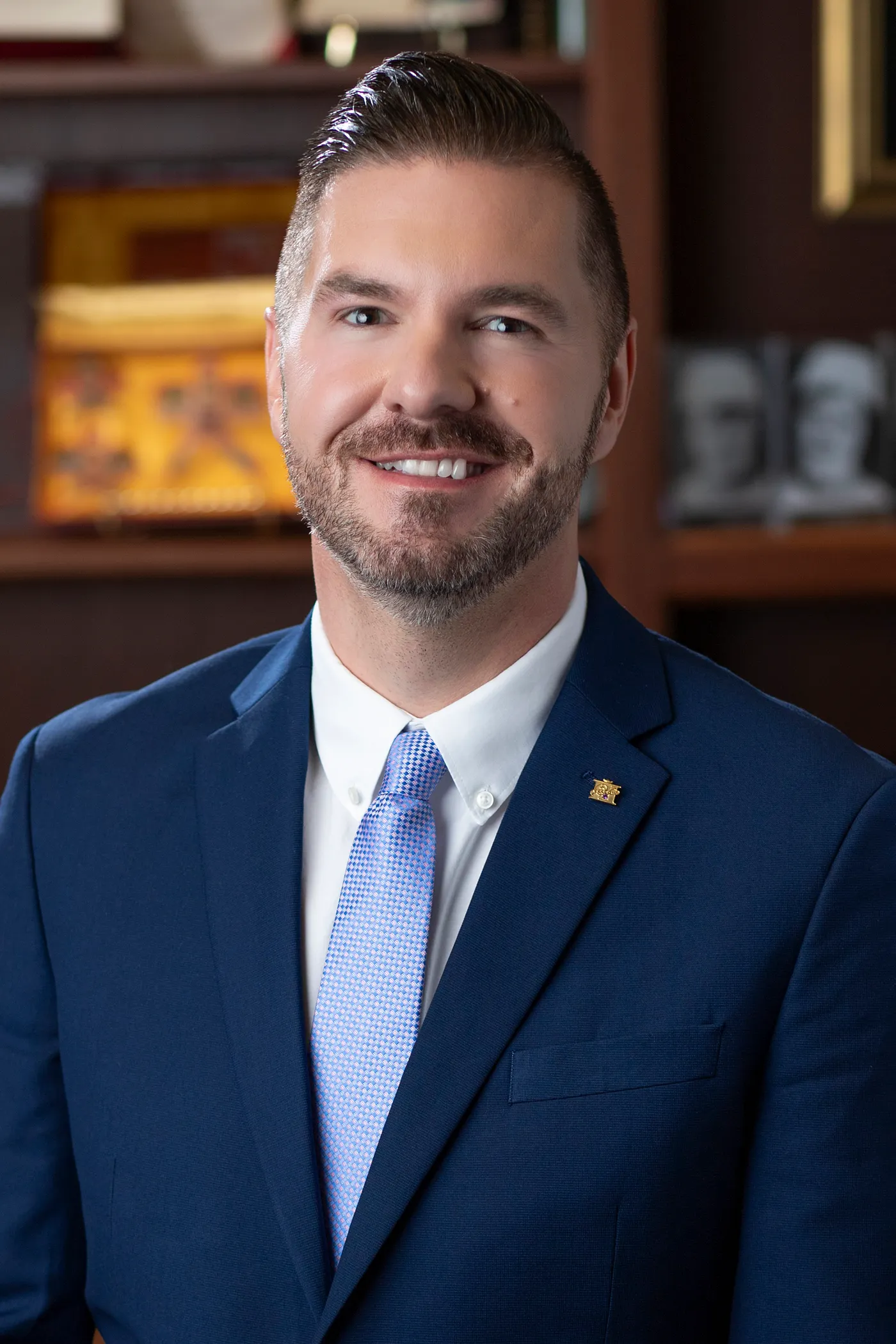
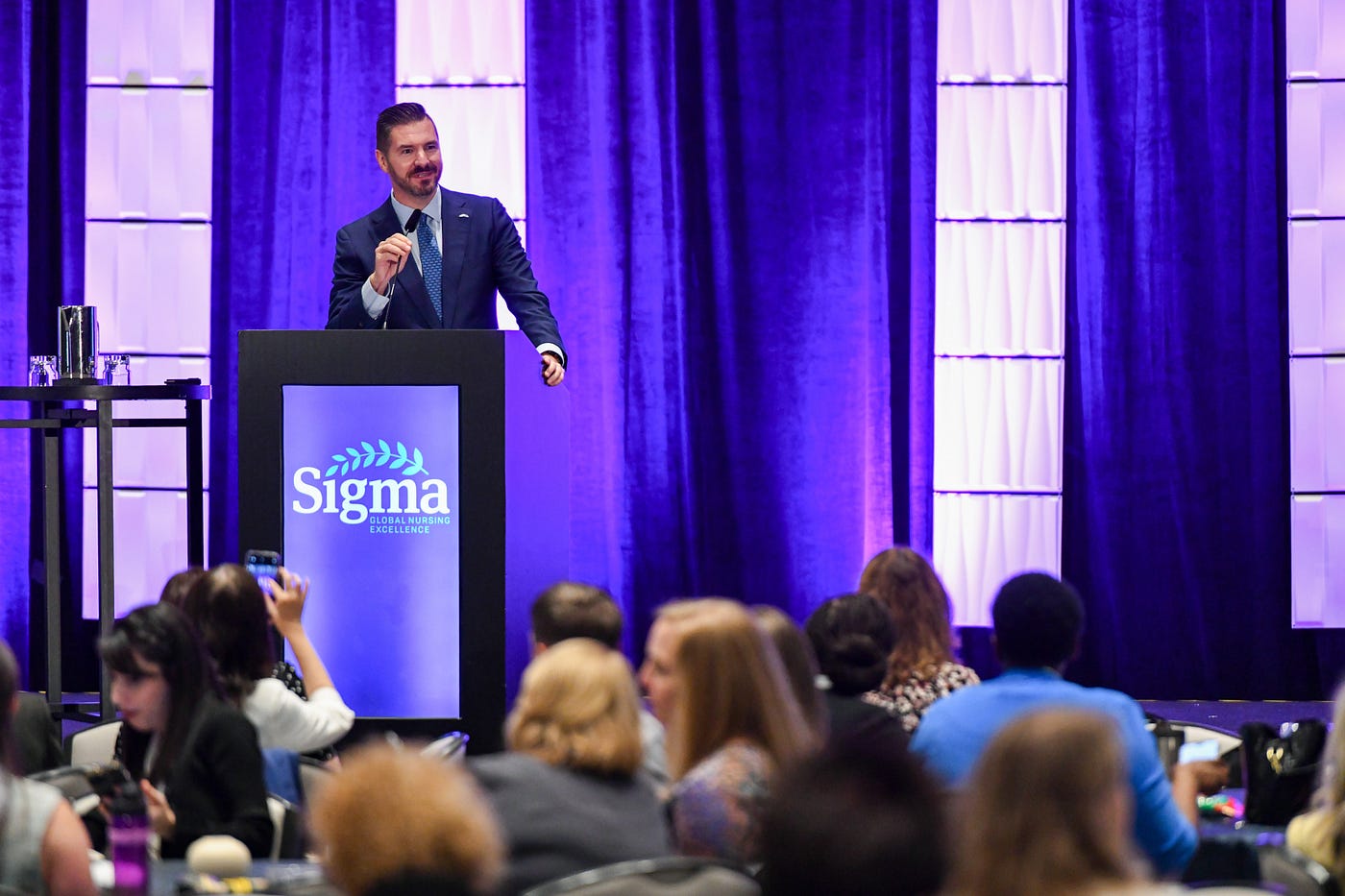
Lucas M. Davis (Luke), MEd, CAE, ACC, SHRM-SCP, SPHR, ICE-CCP, is the Chief Executive Officer (CEO) of Sigma Nursing, where he leads a global community of nurses dedicated to advancing healthcare and strengthening the profession worldwide. His leadership centers on people, process, and progress.
Before joining Sigma, Luke served in senior leadership roles across association management and talent development, where he led organizational transformation, strengthened systems, and built high-performing teams. His background as a certified coach informs his people-centered, growth-oriented approach to leadership. At Sigma, he is committed to strengthening leadership development, expanding global partnerships, and increasing the visibility and influence of nurses. A mission-driven and values-grounded leader, Luke serves as an intentional partner to nurses — championing their expertise and ensuring their voices shape the conversations that matter most in global health. He leads with a passion for potential, helping individuals, organizations, and the profession reach their highest level of impact.
Thank you so much for joining us in this interview series. Before we dive into our discussion, our readers would love to “get to know you” a bit better. Can you share with us the backstory about what brought you to your specific career path?
I’ve spent my career in mission-driven organizations because I’m wired to build things that matter. Early on, I saw a pattern: incredible purpose, undercut by weak systems or stagnant culture. I remember thinking, “The mission isn’t the problem — the execution is.” That became my lane. When Sigma came along, it felt like the perfect alignment of purpose and opportunity — a global community of more than 100,000 nurses and a chance to modernize how we support them. I couldn’t imagine a more meaningful challenge. It energizes me.
Can you share the most interesting story that happened to you since you started your career?
In one of my early leadership roles, I walked into a team meeting where ninety minutes had been spent debating a decision that should have taken ten. I paused the discussion, made the call, and explained the reasoning. Half the room looked relieved; the other half looked stunned.
That moment taught me something I still carry today: thoughtful decisiveness isn’t abrasive — it’s clarifying. It signals progress, confidence, and forward motion. Sometimes we have to take risks and not do things perfectly to learn from them.
Can you please give us your favorite “Life Lesson Quote”? Do you have a story about how that was relevant in your life?
“Our greatest glory is not in never falling, but in rising every time we fall.” — Nelson Mandela
That quote has shaped my leadership more than almost anything else. Early in a previous role, I noticed that missed deadlines had become normalized — not out of malice, but habit. People simply accepted it as “how things are.” I made it clear on day one that we weren’t walking past that anymore. Within a quarter, the entire operating rhythm had changed. It reinforced a simple truth: if you tolerate something, you endorse it. Because once you stop tolerating something, you stop teaching people it’s acceptable.
Is there a particular book that made a significant impact on your leadership style? Can you share a story or an example of that?
The Power of Habit by Charles Duhigg.
Duhigg’s concept of “keystone habits” fundamentally changed how I approach organizational transformation. You don’t need to fix a hundred symptoms — you need to identify the two or three habits that are driving them. That idea is the backbone of the “Process” part of my People, Process, Progress framework. When you get the foundational habits right, everything else becomes easier and more sustainable. Get a few critical behaviors right, and the rest follows.
What do you think makes your company stand out? Can you share a story?
Our members. Full stop.
Since 1922, Sigma has been powered by nurses who bring extraordinary commitment to their profession and to each other. One of my favorite examples is Ellen — a member of many decades who still regularly attends conferences and events. Described by colleagues as “a force in nursing,” Ellen is always among the first to find me at Sigma programs, offering candid feedback and reminding me — through her presence alone — that I am responsible for stewarding an organization that continues to reflect the strength and dedication of nurses like her. When you see that level of lifelong dedication, it reframes everything. It reminds you that your job is to continue the momentum of an organization shaped by generations of nurses like her — and to lead it forward with the same purpose and resolve they’ve shown for decades.
You are a successful business leader. Which three character traits do you think were most instrumental to your success? Can you please share a story or example for each?
Decisiveness. When the data is clear, I move. In one role, I phased out a resource-draining program and redirected those resources to initiatives with measurable impact. That single decision unlocked future growth by freeing up capacity and resources.
Candor. As Brene Brown has famously stated, “Clear is kind. Unclear is unkind,” a philosophy I believe creates trust, alignment, and the conditions for people to do their best work. Early on in my time at Sigma, I raised performance expectations significantly. Some of our team rose to the challenge; others chose different paths. Both outcomes were healthy because everyone understood the standard established.
Commitment to developing talent. I invest heavily in people — coaching, mentorship, and leadership pipelines — because organizations rise or fall on the strength of their teams. When you develop one person well, you lift the entire system around them.
Leadership often entails making difficult decisions or hard choices between two apparently good paths. Can you share a story with us about a hard decision or choice you had to make as a leader?
One of the hardest decisions I’ve made was restructuring a team that was performing “fine” on paper but was built for a different era of the organization. No one had done anything wrong, but the structure was holding us back. Those types of decisions are never easy, but they’re necessary. I led with transparency, dignity, and a clear moral compass. The right decision isn’t always the comfortable one, but it’s still the right decision. Leadership means making the call anyway.
Most of our readers — in fact, most people — think they have a pretty good idea of what a C-Suite executive does. But in just a few words can you explain what a C-Level executive does that is different from the responsibilities of other leaders?
C‑Suite leaders don’t own a function — they own the outcome of the entire organization. They hold the 30,000‑foot view and ensure the whole system is aligned, resourced, and moving in the right direction. It’s not about solving one problem. It’s about making sure you’re solving the right ones.
What are the “myths” that you would like to dispel about being a C-Suite executive? Can you explain what you mean?
Myth: It’s glamorous. It’s not. It’s constant decision-making, problem-solving, and hard conversations. Myth: It’s lonely. It can be, but only if you isolate yourself. The best leaders stay connected to their people at every level.
What are the most common leadership mistakes you have seen C-Suite leaders make when they start leading a new team? What can be done to avoid those errors?
Throughout my career I’ve seen two extremes, which are equally concerning:
Absorbing the status quo because they’re hesitant to disrupt.
Changing everything too fast before building trust.
Both of these fail. You have to earn the right to transform an organization. The most effective leaders start by listening deeply, learning the culture, and building credibility. Then, they move confidently with pace and purpose.
In your experience, which aspect of running a company tends to be most underestimated? Can you explain or give an example?
Culture maintenance.
Culture doesn’t erode in big moments — it erodes in small compromises. Missed commitments. Avoided conversations. Inconsistency.
At Sigma, we treat culture with the same rigor as our financials. We audit it, we invest in it, and we involve staff at every level. It’s daily work, and it’s worth it.
Ok super. Here is the main question of our interview. What are your “Five Things You Need To Be A Highly Effective C-Suite Executive”? If you can, please share a story or an example for each.
1. Willingness to make unpopular decisions.
If you need universal approval to be comfortable with your work, this isn’t the job for you. Early at Sigma, I changed initiatives that weren’t delivering value for our members or the organization. Understandably, it was initially unpopular — until the results proved the decision right.
2. Operational discipline.
C-suite executives must understand that vision is meaningless without execution. A great idea is just that: a great idea. You must bring the idea to fruition for it to actually matter. Process isn’t bureaucracy; it’s how you turn ideas into outcomes.
3. Ability to see people clearly and place them well.
Talent decisions are among your most high-value opportunities as an executive. The right person in the right seat can change everything.
4. Emotional steadiness under pressure.
Your team mirrors your energy. Calm leadership creates stability, even in unstable situations.
5. Holding people to high standards as an act of respect.
High expectations communicate belief in someone’s potential. Lowering standards to make people comfortable sends the opposite message.
In your opinion, what are a few ways that executives can help to create a fantastic work culture? Can you share a story or an example?
You must model the behavior you expect. You can’t create a fantastic culture without enthusiastically participating in it yourself. If you want accountability, be accountable. If you want candor, practice it. If you want honesty, go first.
A fantastic work culture means that throughout the organization, your employees are thriving and succeeding. Executives have a huge hand in this: people thrive when expectations are clear and when they understand how their work connects to the mission. At Sigma, we’ve built a culture where direct feedback is normal and high performance is celebrated — because we reinforce it every day.
You are a person of great influence. If you could start a movement that would bring the most amount of good to the most amount of people, what would that be? You never know what your idea can trigger. :-)
Organizational honesty.
So much dysfunction comes from people not saying what they really think — or not feeling safe enough to. If every organization committed to radical candor and psychological safety, the impact on productivity, innovation, and human satisfaction would be enormous.
Honesty shouldn’t feel harsh or dangerous. It’s extremely liberating, and it should feel that way.
How can our readers further follow you online?
You can connect with me on LinkedIn at Lucas M. “Luke” Davis (https://www.linkedin.com/in/lucasdavis/), and learn more about Sigma at sigmanursing.org.
Thank you for the time you spent sharing these fantastic insights. We wish you only continued success in your great work!
The Authority Magazine Editorial Desk produces, verifies, and edits long-form primary-source interviews with executives, innovators, clinicians, creators, and social impact leaders across Business, Tech, Pop Culture, Wellness, and Social Impact.

Exclusive, curated interviews with the leaders and changemakers shaping tomorrow. Leadership lessons, industry deep dives, and executive profiles.

 Yitzi Weiner
Rana Mohammad reveals how a casual Sunday gathering of friends watching television in Indiana evolved into The Normies, a global digital production company.
 Yitzi Weiner
How two podcast hosts turned a shared obsession with true crime into a global phenomenon through fierce independence, rigorous research, and unwavering persistence.
The roofing entrepreneur and movement creator explains how scaling a business to fifty million dollars led him to build a global platform centered on kindness and giving back.
Former Marine and entrepreneur Dana Peters shares how refusing to accept failure and prioritizing radical customer experience built an explosive e-commerce success.
Wells Fargo executive Stephen DeStefani discusses launching successful enterprise neurodiversity programs, creating inclusive workplace cultures, and unlocking untapped talent pools.
The financial expert and CEO explains how accounting serves as the foundation of investment research and why traditional Wall Street metrics mislead everyday investors.
The Jabil executive vice president of operations shares lessons from his three-decade rise through the manufacturing floor, emphasizing servant leadership and deep customer alignment.
The Johnson & Johnson leader shares her unique journey into healthcare, the intersection of medtech and artificial intelligence, and why taking care of yourself is the foundation of effective leadership.