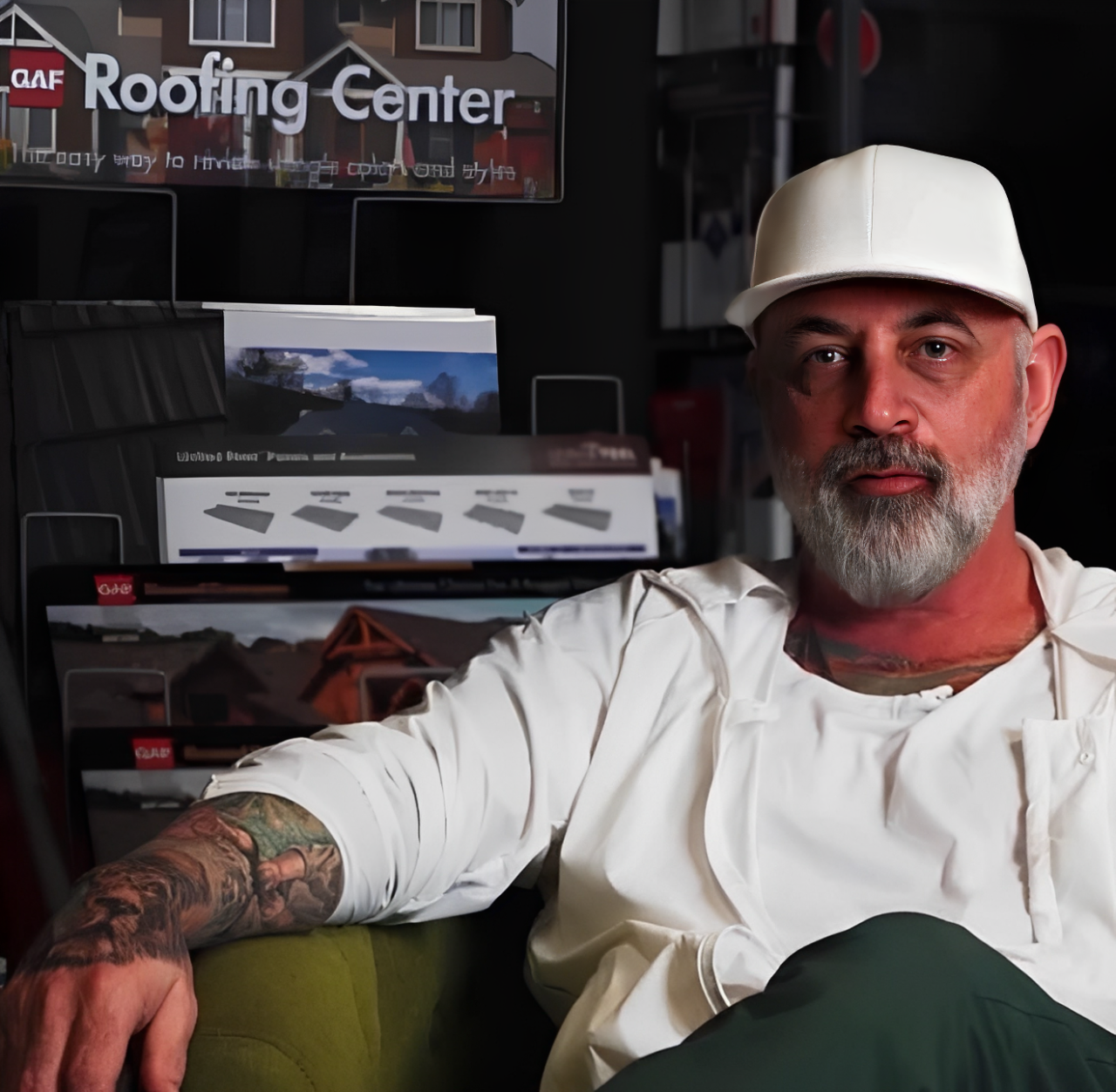
We keep our word, no matter the cost, and we put our customers first.
Business
Dana Peters of PROOF Wallets: How Relentless Execution and Extreme Customer Service Scaled an E-Commerce Brand to $18 Million in Its First Year
Former Marine and entrepreneur Dana Peters shares how refusing to accept failure and prioritizing radical customer experience built an explosive e-commerce success.
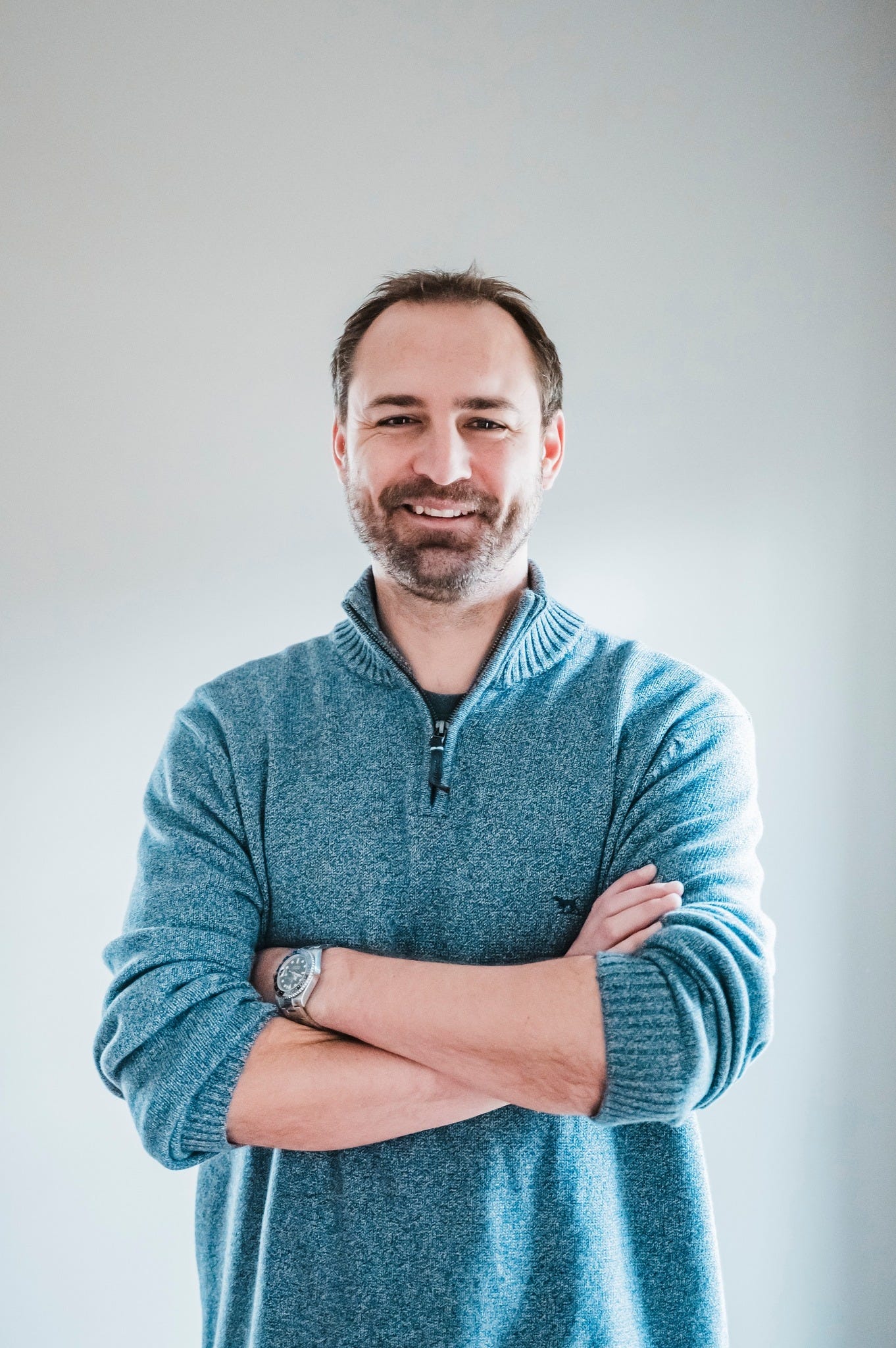
Starting a business from the ground up comes with its own set of challenges — limited resources, building a customer base from nothing, and navigating the uncertainty of uncharted territory. What does it take to succeed as a first-time founder? What lessons can new entrepreneurs learn from those who have been through the process? In this interview series, we are talking with startup founders who can share insights on the unique challenges of launching a business from scratch.
As part of this series, I had the pleasure of interviewing Dana Peters.
Dana Peters is an entrepreneur and former Recon Marine who spent seven years mastering the grit of in-house manufacturing and e-commerce before launching his most successful venture to date. As a founder of PROOF Wallets, he has led the brand’s explosive growth from zero to $18 million in sales within its first year of operation. Dana is known for a “no alternative” approach to business, leveraging data-driven scaling and a radical commitment to customer experience to dominate competitive markets.
Thank you so much for joining us in this interview series! Can you tell us a story about what brought you to this specific career path?
My father was an entrepreneur, so this path was always somewhere in the back of my mind. That said, I am the youngest of four children, and while my brother Chet, now my business partner, and I went into business, our two older siblings went into the medical field. Because of that, I cannot say it was simply programmed into me just because of my dad.
I definitely showed entrepreneurial tendencies at a very young age. When Chet and I were about six and eight years old, instead of setting up the traditional lemonade stand, we decided to set up a tadpole stand. We would go catch tadpoles from a nearby pond and sell them in our driveway. We would also go door-to-door as handymen. I am not sure we actually fixed anything, though. The homeowners typically just found something random, like a light switch, and asked us to take it off and swap it with another one or something of that nature.
We both enlisted in the Marine Corps right out of high school. I kept a journal while in Afghanistan, and much of it is filled with business ideas I came up with while there. When my enlistment was up, I went to The Ohio State University to study engineering with the sole intention of starting a viable business before I graduated. I thought it would be the best opportunity for me to meet someone I could go into business with. It turns out that person ended up being my brother.
I dropped out with a semester remaining. I recall saying, “If we make $500 for one more day in a row, I am quitting my job and dropping out of school.”
Can you share a story about the funniest mistake you made when you were first starting? Can you tell us what lesson you learned from that?
I think a lot of entrepreneurially-minded people fall into this trap when they are younger, but in the earliest days of college, I was so focused on trying to make money quickly that I got pulled into “investing” in cannabis-related penny stocks, which were all the craze at the time. I made myself, Chet, and one of my best friends more money than we could have dreamed of at that point in our lives, and then lost all of it, and more, just as quickly.
The lesson was simple. Stay away from the get-rich-quick mentality. It rarely works out. Wealth can be built quickly, but it will never happen if you are focused on shortcuts instead of building something real.
Can you tell us a story about the hard times that you faced when you first started your journey?
The hardest part of starting is dealing with the fear of what other people will think of you. Starting a business that can produce life-changing wealth is an extreme fringe scenario. We all know the stats. If you are just looking at the odds, you are almost certain to fail, and even more so if the goal is to build something that generates eight or nine figures.
So when I quit my job and dropped out of my engineering degree with a single semester remaining, it was obviously seen by others as irrational, or even insane. You tell your family you are going to miss a holiday gathering because you need to work, knowing they are probably thinking, “work for what? You sell trinkets online. That is a hobby/side hustle, not a business.”
My wife still has friends who ask her, even to this day, how I make enough money selling wallets online for her not to work.
What it really comes down to is learning to stop caring about what other people may or may not think, and not allowing that noise to impact your actions. It does not matter. Only you know what is best for you. Only you can fully understand the end goal you have in mind and the actions required to get there.
Where did you get the drive to continue even though things were so hard?
This is one of the simpler things for me. I never could fathom any other alternative. It did not matter how many times I failed or how long I failed for. There was not even the slightest consideration of calling it quits and getting a normal job. The only way I was not going to achieve success, in my mind, was if I died. Success was and always will be the only option.
Even when I had a normal corporate job while in college, I spent the entire day working on building my own business. Somehow, I was considered a phenomenal employee, but I was doing only what I had to do there and nothing more. Knowing what I know now, I would never hire myself as an employee. My mind was always focused on building my own dream business.
So, how are things going today? How did grit and resilience lead to your eventual success?
People look at PROOF Wallets and the staggering growth we have achieved in just 18 months from launch and see it as an overnight success. Overnight successes rarely happen. PROOF Wallets is the result of seven straight years of relentless hard work and learning our craft from the ground up. Then, with all of that knowledge and experience, pivoting and applying it to the right product and brand made it possible to scale rapidly.
You cannot learn this in college. You cannot learn it in a year. Even if someone explains exactly how it should be done, you still have to experience much of it yourself and learn the hard lessons firsthand before you truly understand it.
What do you think makes your company stand out? Can you share a story?
We prioritize customer service over every other aspect of our business, and we are willing to go to extreme lengths to deliver an experience our customers will never forget.
Last Father’s Day, a customer named Bonnie ordered a customized wallet for her husband. She placed the order two weeks in advance, but due to an unexpected surge in customization requests, her order was at risk of not arriving in time. Even though it meant wiping out our profits by overnighting thousands of packages, we still honored our promise to deliver.
When we discovered that overnight shipping was not possible to her remote location, Bonnie reached out to me directly. She was a traveling nurse and was heartbroken that her husband might not receive his gift while she was away. I told her I would be on a plane first thing in the morning and hand-deliver the wallet myself. I met her family, and ended up missing my own Father’s Day due to flight cancellations.
That moment perfectly reflects how we operate. We keep our word, no matter the cost, and we put our customers first.
Can you share a tough decision you had to make as a founder that had a lasting impact on your business?
Our first e-commerce business started with us manufacturing everything ourselves because we did not know any other way. I bought a CNC mill on a credit card, put it in my garage under my bedroom, we taught ourselves how to use it, and we started machining everyday carry products. Over time, that grew into a 20,000-square-foot automated manufacturing facility with a very loyal customer base.
It was a profitable business, but it operated in a restricted category where online advertising was virtually impossible. All growth came from word of mouth and SEO. While most founders would have been happy running it long term, I knew it could never reach the scale I was aiming for due to both the niche nature of the products and the advertising limitations.
That brand was what started everything, but every minute we spent on it eventually became a major opportunity cost. We decided to focus on building PROOF Wallets in a massive, competitive market and looked for a way to wash our hands of the original brand, even if it meant shutting it down.
There was only one buyer who I felt could truly scale it. We made a simple, trust-based deal with no drawn-out due diligence. We were not trying to maximize the sale. We wanted the brand to succeed with the right people.
Letting go of something we spent seven years building was hard, but it freed us to focus on something much bigger. I only wish we had made the decision sooner.
What marketing or sales strategies were most effective in getting your first customers?
Transparency, genuineness, and confidence. We do not sugarcoat anything. We speak from the heart, show who we are as people rather than a faceless brand, and confidently convey the quality of our product.
“WE DELIVER PERFECTION” was our breakthrough tagline. It gave us permission to show the world exactly what we stand for. We made it clear that we set a new standard for customer service and that our wallet is the only wallet worth owning. We said “The Hype is Real” before there was any hype, because we believed it.
We do not focus heavily on marketing features. We market who we are, the values we stand for, and the people who carry our wallets. People support the brand and the mission first. The exceptional product and service are a bonus.
Which tips would you recommend to other Fresh Founders about how to develop the relentlessness and “stick-to-it-ness” needed to keep a new business going?
First and foremost, it comes down to a “there is no alternative” mentality. That is not something you can really be taught. I think it is either in you or it is not. If you truly have that mindset, the only thing that can stop your eventual success is death. The variable is not if you succeed, but how long it takes, and that part can be influenced by strategy.
If you have that mentality, the single most valuable recommendation I can make is to invest in mentorship. Pay people who have already achieved what you are pursuing for their time and advice. Many of our most pivotal, game-changing strategies came directly from these conversations. Our leadership team spends several hours each month learning from people further ahead than us, and I can only recall one of these calls that I did not walk away with immediately actionable insight.
None of us are able to achieve success without some help along the way. Is there a particular person who you are grateful towards who helped get you to where you are? Can you share a story?
Two people I am especially grateful for are Mike Beckham of Simple Modern and Logan Chierotti of Clinician’s Choice. I heard both of them speak at a conference, and their stories had a major impact on me. They made one point very clear: if you want to build a nine-figure brand, you cannot stay in a niche industry. That was my first real wake-up call and the catalyst for pivoting away from our original brand.
Later, I reached out to both of them for one-on-one calls to pressure test our plans. This is something I preach a lot now. Confirmation is often more valuable than direction. People come up with great strategies all the time, but hesitation and lack of confidence stop them from acting. Many of these calls are about getting validation or pushback. Having someone who has already been there and who I deeply respect confirm a plan immediately accelerates action. And when they push back, it saves you from making costly mistakes.
Can you share a few ideas or stories from your experience about how to successfully ride the emotional highs & lows of being a founder?
I honestly do not have great advice here. I am the only one balding in my family, and when people joke about “ripping their hair out,” I have literally ripped my hair out in my earlier years of business.
Something I wish I had heard much earlier was a quote from Jeff Bezos: “Stress is a result of inaction.” I never understood it like that until I read that. You already know exactly what action would reduce your stress, but you just avoid it. Maybe it is a friend you hired who is not pulling their weight, but you do not want to damage the relationship. Maybe it is a mortgage payment that is crushing you financially. Selling the house and downsizing would solve the problem, but nobody wants to make that move.
In my experience, the emotional lows usually come from delaying hard decisions. Taking action is uncomfortable in the moment, but inaction is what creates long-term stress.
What are the 5 biggest lessons you’ve learned on this journey, and how did you learn them? Please share a specific experience or challenge that shaped each lesson
1. Make your values and principles crystal clear.
They become the north star for expectations and decision-making. I heard this advice from day one, but it sounded corporate and lame, so we ignored it. That was a massive mistake and one I regret not fixing much earlier. Now our principles and values are literally printed on massive metal signage covering our walls. Without that clarity, culture drifts. You hire people who do not fit, and you make decisions that conflict with each other.
2. People rarely change.
I have hired people whom I believed had real potential but were in a bad place in life. I wanted to allow them to start fresh and build something most people only dream about. It never worked. You reset expectations, things improve for a week, and then you find yourself having the same conversation again and again. If you have to have the same conversation more than once, that is your signal to make a change.
3. Remove cancerous people immediately and communicate clearly.
One toxic person can do immeasurable damage to a team. That can show up as a culture mismatch or someone who spreads rumors and stirs fear.
A recent example was when we announced we were selling our other brand. One employee began telling people their jobs would disappear or be sent overseas. I only found out because employees called me in tears, asking if it was true. It was not. In reality, we planned to move those employees into higher responsibility, higher-paying roles focused on PROOF Wallets. The failure was ours. We assumed that was obvious and did not communicate it clearly.
We have been through tight financial periods before, and the only thing we have ever done is stop paying ourselves. We have never cut people just because they were no longer convenient. However, newer team members did not know that history, and silence created fear.
Today, we make it very clear that anyone can come to us directly with concerns. We have zero tolerance for baseless rumors. Clear communication protects good people, and removing toxic ones protects the entire organization.
4. One communal mission.
Healthy debate is encouraged. If you believe something should be done a certain way, speak up and defend it. The key is that the discussion ends with a clear decision. Once that decision is made, everyone commits to it 100 percent. There is no room for someone who leaves a conversation resentful, hoping the plan fails because it was not their idea. For any given task, we align around one mission. Regardless of personal preference, everyone fully supports the agreed path forward.
5. Bonuses do not motivate people.
Early on, we believed that large bonuses would push people to perform at a higher level year after year. That does not work. If someone is not already performing, more money will not change that. High performers are naturally motivated. Pay people well, but do not expect compensation alone to turn a non-performer into a performer.
How did you approach funding your business in the early days? Did you bootstrap, seek investors, or take another approach? Please explain why you took that course of action.
I borrowed $1,500 from my wife to buy our first inventory and paid it back within a few weeks. Outside of that, I never borrowed money from individuals and never put additional personal capital into the business.
As we grew, the machinery we needed started costing hundreds of thousands of dollars, and buying everything in cash became a bottleneck. We built a relationship with a local credit union and used equipment loans to fund the next stage of growth. From day one, Chet and I had the mindset of building an empire, not paying ourselves, so every dollar went back into the business. It may have been close to 2 full years before Chet and I ever had a paycheck.
We initially started the first brand with two other partners, but they needed short-term income and consistently pushed to take cash out. Chet and I reinvested our share instead, often into more machinery. It became clear very early that if we wanted to build a real company, we needed to buy them out as soon as possible.
What advice would you give to someone who is thinking about starting a business but is afraid to take the leap?
It really comes down to the “there is no alternative” mindset. If you have not even started yet and fear of failure is stopping you, then you are already in trouble. You are going to fail, especially early on. If you truly believe there is no other option, you will fail, learn, adjust, and keep going until it works.
I think of Alex Honnold, the free climber people criticize for risking his life. To him, it is not a risk. He has absolute confidence in his ability, and the idea of failure is not something he weighs. Not climbing would feel worse than falling. That is the mentality required to succeed at extraordinary levels. When there is no alternative, the ups and downs stop mattering.
You are a person of great influence. If you could start a movement that would bring the most amount of good to the most amount of people, what would that be? You never know what your idea can trigger. :-)
Give generously. That is the philosophy PROOF Wallets is built on. When Chet and I were developing the brand, we wanted a real mission behind it, not just a product to sell. After a lot of discussion, we realized that the moments that made us feel the best were always tied to generosity toward deserving people.
That idea was originally inspired by Mike Beckham and Simple Modern’s mission of “We exist to give generously.” What resonated with us was that we are a for-profit company with no obligation to give, yet we choose to. That freedom allows us to give in ways we believe are most meaningful.
One of the primary ways we do this is through customer experience. We have learned that consistent, small acts of generosity often outweigh the impact of a single grand gesture. Our team is empowered to act whenever they see an opportunity to make a real difference.
For example, a customer shared that he was buying a wallet to honor his survivor’s anniversary after nearly taking his own life years earlier. One of our team members surprised him with two of our most premium wallets engraved with a semicolon and the words “Your story is not over.” The semicolon represents that a sentence could have ended, but did not, just like a life or a story that continues. A handwritten note asked him to gift the wallets to two other people who might be struggling.
That customer was Adam Mock, a motivational speaker and coach who works with Fortune 500 companies, professional athletes, and major organizations. The experience was so profound and unexpected that he made it a core component of his talks, sharing our story with thousands of people. We had no idea who he was. We simply cared.
What we have learned is that generosity compounds. People want to support those who genuinely support others. My only caveat is this: take care of yourself first. If you limit your ability to build time and financial freedom, you limit how many people you can ultimately help. That is not selfishness. It is reality.
Be more generous. You will likely gain just as much from it as the person receiving it.
How can our readers further follow your work online?
Readers can follow me on LinkedIn and PROOF Wallets at carryproof.com, Instagram, and Facebook.
This was very inspiring. Thank you so much for joining us!
About The Interviewer: Dr. Sangani (“Doc”) is a thriving cardiologist, business owner, husband, father and friend. His latest venture — LifeRx — is a community committed to helping growth-minded professionals create happiness through the pillars of health, wealth and connection.
AM
Written by
Authority Magazine Editorial Staff
Editorial Desk · Authority MagazineThe Authority Magazine Editorial Desk produces, verifies, and edits long-form primary-source interviews with executives, innovators, clinicians, creators, and social impact leaders across Business, Tech, Pop Culture, Wellness, and Social Impact.

Published inAuthority MagazineTop Lessons, Top Authorities · 42K Followers
Exclusive, curated interviews with the leaders and changemakers shaping tomorrow. Leadership lessons, industry deep dives, and executive profiles.