The learning curve was very steep and I was easily one of the least experienced cooks in the kitchen. However, I was hungry to learn and was lucky to work under some incredible chefs that had the patience to mentor me along.
Business
Lucas Harrell: The Relentless Pursuit of Seasonality And Discipline That Shapes Michelin-Starred Culinary Success
The accomplished chef shares insights from his journey through top-tier kitchens and the essential mindset needed to thrive in the culinary world.
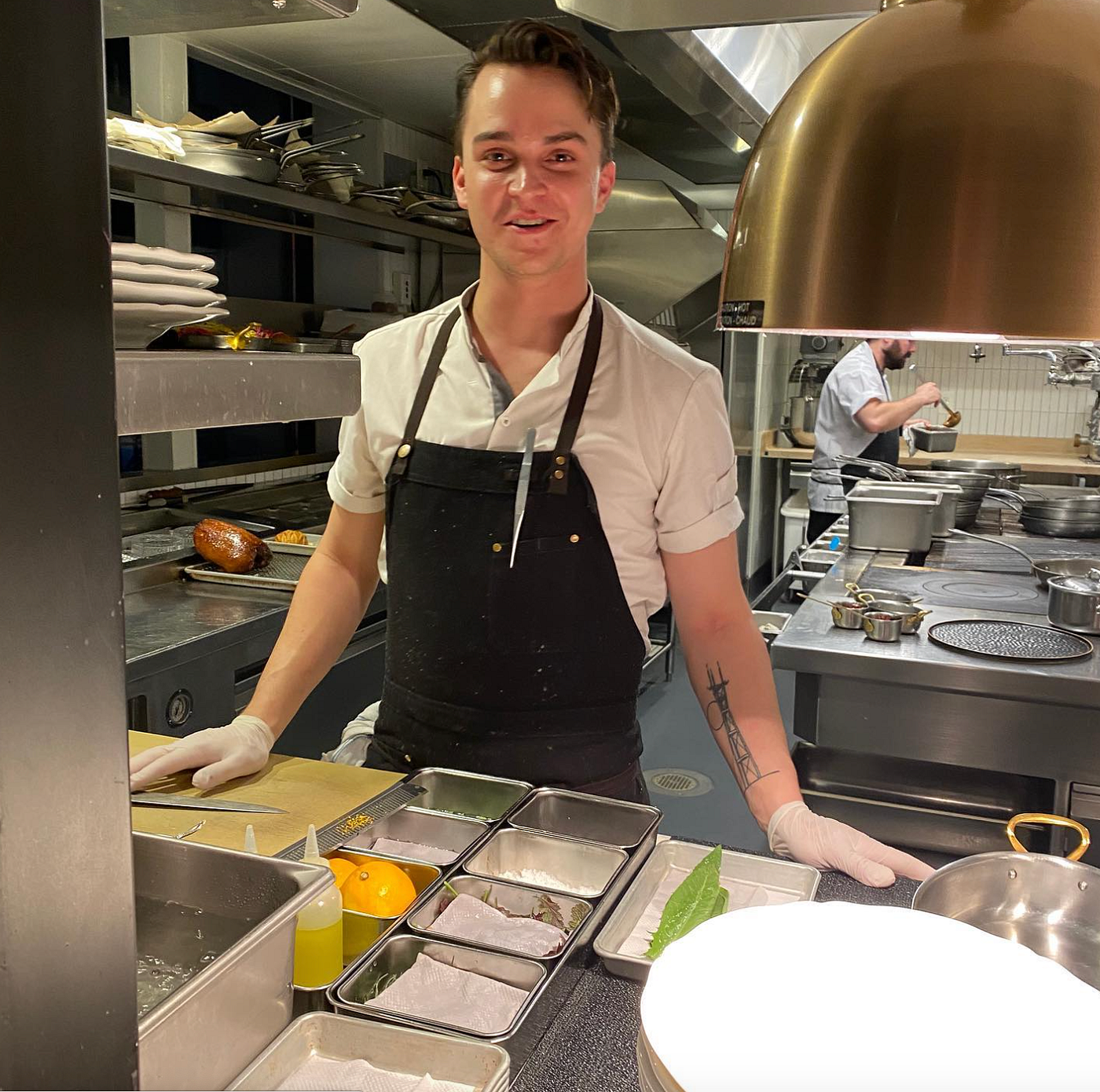
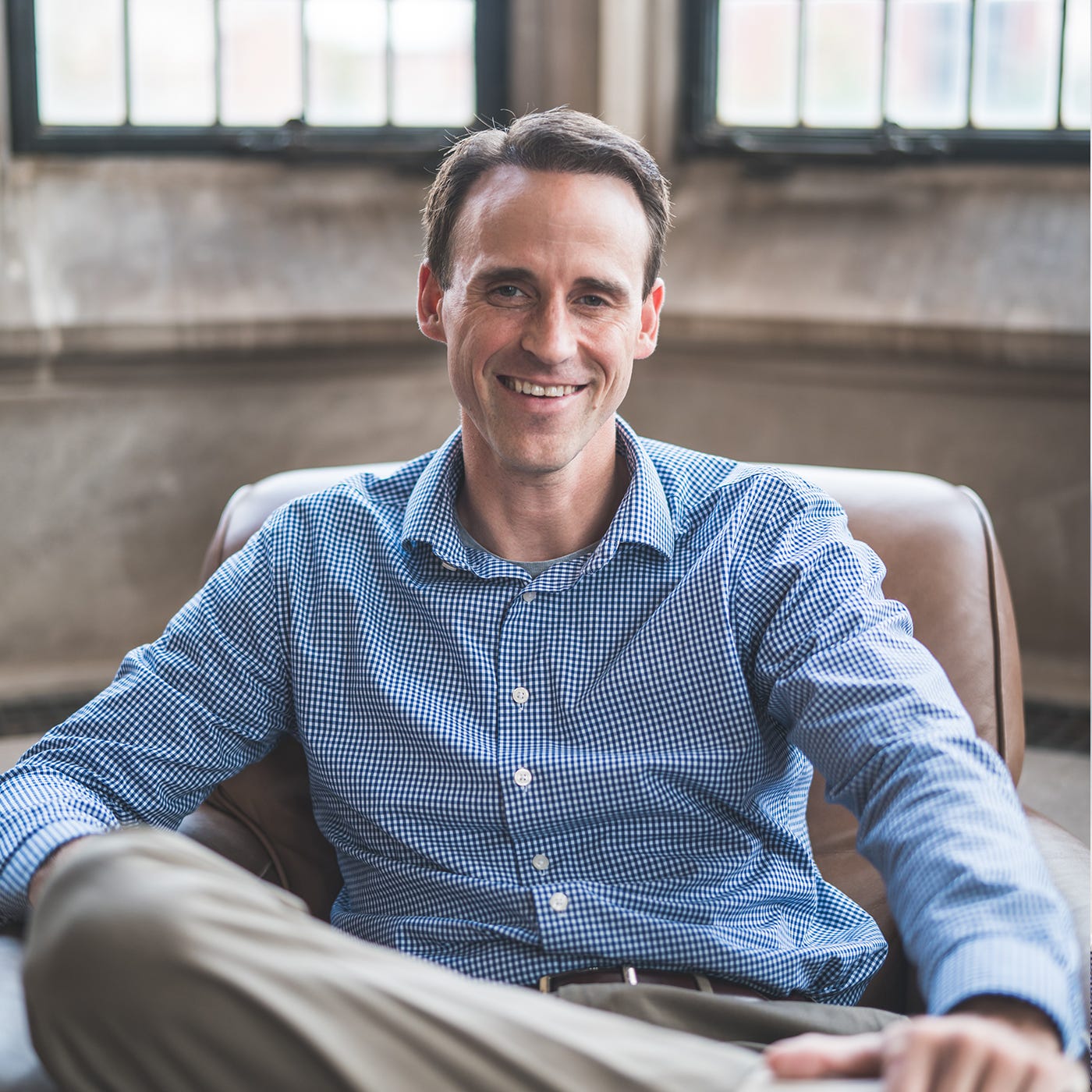
As part of our series about the lessons from influential ‘TasteMakers’, I had the distinct pleasure of interviewing Lucas Harrell.
Growing up in San Francisco, Lucas was exposed to the bounty that northern California produce has to offer at an early age. His mother, an excellent cook in her own right, and an immigrant from Cuba served as an early inspiration as she prepared classic Cuban dishes for his family of six regularly. After high school, he began his culinary career in Portland, Oregon starting as a dishwasher and prep cook. After a few years in Oregon, he decided to move home to San Francisco where he had the privilege of working under talented chefs at Petit Crenn, as well as two Michelin-starred Coi restaurant. In the summer of 2018, he moved to New York City and has since worked for Chef Matt Lambert at Michelin-starred Musket Room which led to his opening as sous chef at Francie in Brooklyn helmed by Chef Chris Cipollone. Francie quickly earned a Michelin star in just the first few months of opening.
Thank you so much for doing this with us! Our readers would love to ‘get to know’ you a bit. Can you share with our readers a story about what inspired you to become a restauranteur or chef?
While I don’t think there are many singular moments in my childhood or early life that inspired me to become a chef, I always knew that I was never going to be able to work or have a career that required me to be still. I was a very active and rambunctious child. I was always more engaged and focused with activities that were hands on, and interactive. My mother was also a fantastic cook, and was always cooking for our family of 6. I think the combination of my need to work actively, being surrounded by incredible northern California produce, and an early understanding of the value of home cooking and preparing a meal from scratch were very influential.
Do you have a specific type of food that you focus on? What was it that first drew you to cooking that type of food? Can you share a story about that with us?
Working fine dining in the United States often leans towards French technique particularly in the “New American” genre of restaurants. I grew up eating a wide range of cuisines in San Francisco and was exposed to so many different cultural flavors. However, I needed the discipline that came with brigade system, French leaning kitchens and techniques. I knew that the way my brain worked was not inherently suited for that type of kitchen, but I certainly needed it in order to progress in my career.
Can you share the funniest or most interesting story that has happened to you since you became a chef? What was the lesson or take away you took out of that story?
The most interesting thing that I have experienced personally was the move from San Francisco to New York. Many chefs make that move in either direction due to the pedigree of kitchens in both cities respectively. However it came at an interesting time for me, having worked in some really incredible restaurants in San Francisco I thought I was ready for anything. While I didn’t struggle to find work and was experienced enough to work in most kitchens the transition was still very difficult. I didn’t anticipate the difference in kitchen cultures and struggled with the difference in produce. It was a very humbling experience and I think it made me a much stronger chef in the long run.
Can you tell us a story about the hard times that you faced when you first started your journey? How did you overcome this obstacle?
I started my cooking career in Portland, Oregon at the age of 18. I cooked there for 3 years and that’s where I really learned the fundamentals of how to work in a kitchen but not necessarily how to cook like a pro. After my experience in Oregon, I knew I wanted to make a long term career out of cooking. The hardest step was definitely choosing to move back home to San Francisco to pursue work in what were at the time in the top 20- 30 restaurants in the country. I could have easily continued to work in Oregon, I would have continued learning there, I had great mentors and a solid friend group, but I knew I wanted to work with the best. My first restaurant in San Francisco was Dominique Crenn’s Petit Crenn. The learning curve was very steep and I was easily one of the least experienced cooks in the kitchen. However, I was hungry to learn and was lucky to work under some incredible chefs that had the patience to mentor me along.
In your experience, what is the key to creating a dish that customers are crazy about?
It has to be objectively delicious. Everyone has different palates and preferences. However, I believe for the most part if you have the technical skills and your fundamental seasoning / treatment of the products you are working with is strong it’s hard to make a bad dish. Sometimes the dishes you as the chef are least “excited” about are the ones that people go crazy for, and that I think just comes down to knowing how to season properly, exhibiting experience with your technique, hitting different textural notes etc. Having a high standard for the products you work with is also a huge part of that. Familiarity of the main ingredient of each dish is an easy way to connect with the guest, what makes them “go crazy” is that its one of the best versions of that product they have had in recent memory.
Personally, what is the ‘perfect meal for you’?
My perfect meal is very simple. I love sourdough bread ( a San Francisco staple). My perfect meal would be a huge tin of osetra caviar, a loaf of perfect freshly baked sourdough bread, cultured butter, and a bottle of Krug.
Where does your inspiration for creating come from? Is there something that you turn to for a daily creativity boost?
When I’m struggling to be inspired to create new food I usually just draw upon seasonality. Taking a trip to the farmers market early in the morning is usually a great way to get the creative juices flowing. Opening a cookbook I haven’t opened in a while, comparing techniques and dishes I see in the pages of the book to dishes I was once responsible for in past restaurants. The biggest is understanding the seasons. If I can physically see and taste the produce available to me at the time it’s much easier for me to think of possible combinations and new ideas.
What advice would you give to other chefs or restaurateurs to thrive and avoid burnout?
I think it’s important to take the time you have when its available. Learn how to really clock out when you are not needed. Its easy to get into the mindset of being always present no matter what and in some respect, you are always on the clock with availability to pick up the phone and answer emails or solve problems that might arise. But it’s important to put teams in place that you can trust and allow you to take some time to yourself.
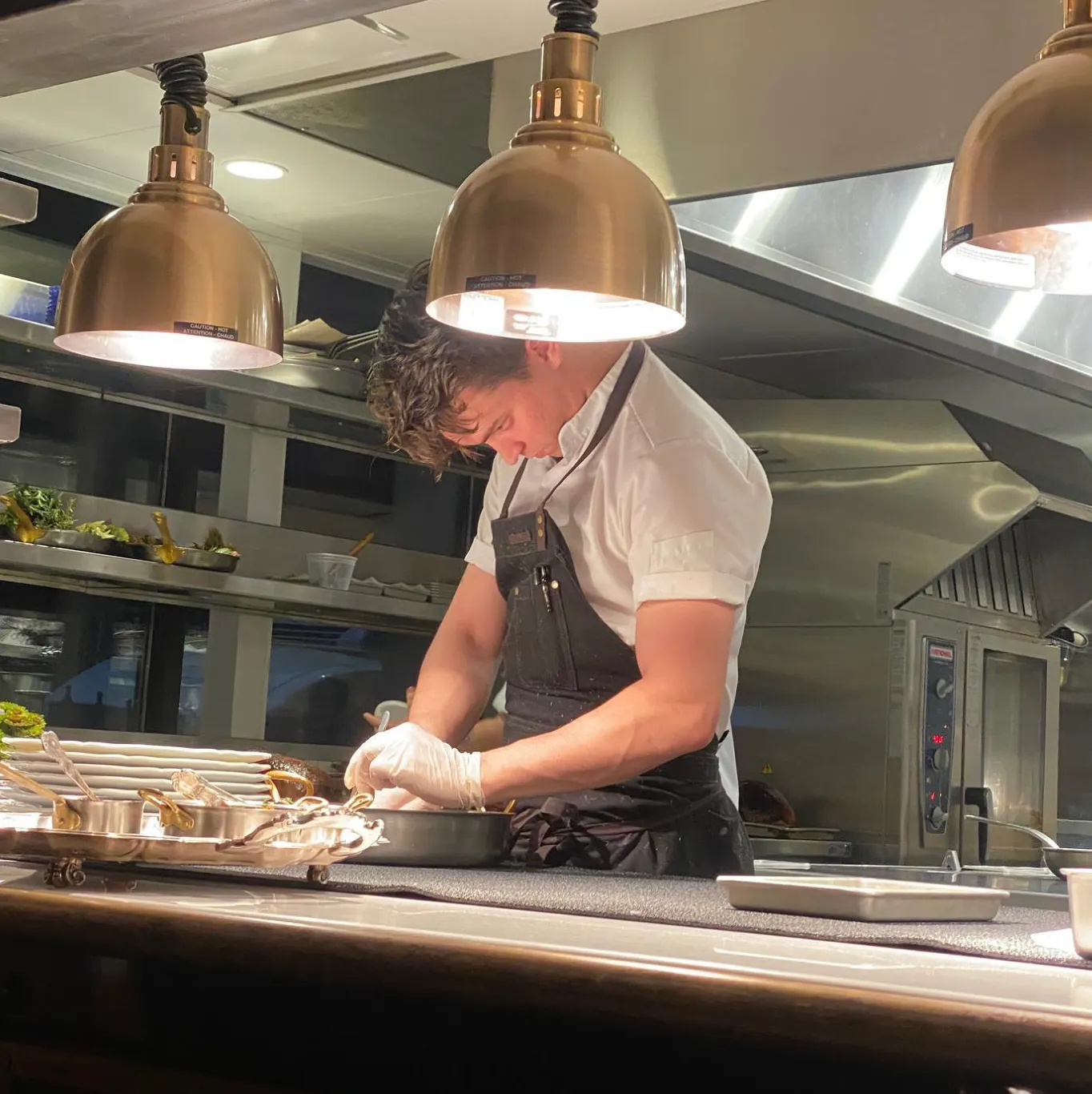
Thank you for all that. Now we are ready for the main question of the interview. What are your “5 Things I Wish Someone Told Me When I First Started as a Chef” and why?
In no particular order:
- Patience is the most important skill to have.
- You will fall in and out of love with cooking for a living and that’s normal.
- Live a healthier lifestyle sooner rather than later. Its easy to get caught up in the linecook flow of going out after shift all the time and just waking up and going straight to work. I wish I had started exercising earlier.
- Find another hobby you are equally passionate about.
- Competition is healthy in our line of work, but it isn’t everything.
What’s the one dish people have to try if they visit your establishment?
The flan. It’s my grandmother’s recipe passed down to my mother and now me. I’m very proud to serve it and it holds a special place in my childhood.
You are a person of enormous influence. If you could inspire a movement that would bring the most amount of good to the most amount of people, what would that be? You never know what your idea can trigger.
Kindness.
Thank you so much for these insights. This was very inspirational!
MM
Written by
Martita Mestey
Writer & ContributorContributor at Authority Magazine covering leadership, innovation, and industry insights.

Published inAuthority MagazineTop Lessons, Top Authorities · 42K Followers
Exclusive, curated interviews with the leaders and changemakers shaping tomorrow. Leadership lessons, industry deep dives, and executive profiles.