Being a marketer is fantastic because you’re able to experience both the strategy and implementation side of things. When I started as an Associate Brand Manager, there was a time where I was coordinating a satellite media tour for an executive.
Business
Gabrielle Wesley on Authentic Leadership, Iterative Learning, and Purpose-Driven Marketing at Mars Wrigley
The Chief Marketing Officer of Mars Wrigley North America shares how bringing your authentic self to work and embracing continuous iteration builds lasting career success.
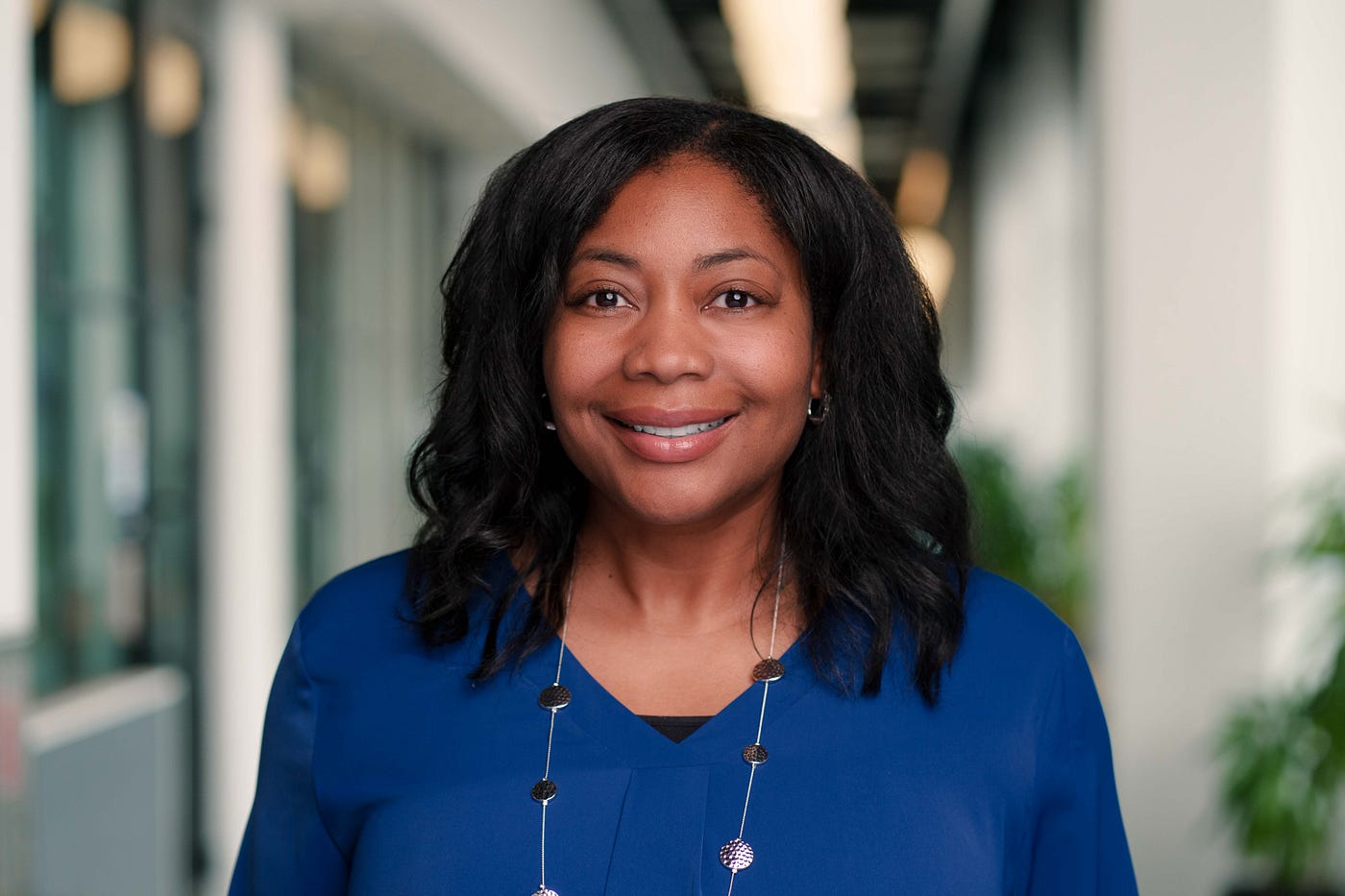
As part of our series called “Five Things You Need To Be A Highly Effective C-Suite Executive” we had the pleasure of interviewing Gabrielle Wesley, Chief Marketing Officer at Mars Wrigley North America.
Gabrielle Wesley is an experienced brand and general management professional with 20 years of experience in both consumer and private label CPG. She is a champion of identifying and validating new ways to reach consumers in an ever-changing marketplace and credits her success to her passion for One Demand partnership and being consumer-obsessed. As Chief Marketing Officer for Mars Wrigley North America and member of the North American Leadership Team, she leads the multi-billion dollar portfolio of iconic brands that include M&M’S®, SNICKERS®, SKITTLES®, STARBURST®, ORBIT® and ALTOIDS®. She began her career at Mars in the Petcare Division, where she led the billion dollar plus Wet Portfolio. Gabrielle has accelerated brands such as PEDIGREE®, CESAR®, NUTRO™, SHEBA® and IAMS™.
Prior to Mars, Gabrielle enjoyed an extensive career in brand management at both General Mills and ConAgra Foods. Gabrielle earned her MBA from the Ross School of Business at the University of Michigan in Ann Arbor (Go Blue!) and a bachelor’s degree in business administration from Tennessee State University. Gabrielle currently resides with her husband, two children and two dogs.
Thank you so much for joining us in this interview series. Before we dive into our discussion, our readers would love to “get to know you” a bit better. Can you share with us the backstory about what brought you to your specific career path?
My journey to becoming Mars Wrigley North America’s Chief Marketing Officer began when I was in high school. From a young age, I had a passion for brand marketing and brand management and I knew that marketing would allow me to have new, broader experiences throughout my career. After dabbling in financial services marketing during my college years, I went to business school at the University of Michigan to pursue the brand side, where I developed an interest in corporate social responsibility and cause-marketing. It was then that I realized I wanted to build my career with organizations that contribute positively to the world. I pursued this focus, which allowed me to interact and understand a variety of different brands and businesses before eventually landing at Mars in 2017 to explore the next phase of my career journey. As Senior Director of Marketing at Mars Petcare, I had the opportunity to work on brands including CESAR®, SHEBA® and PEDIGREE®, in service of creating a world where pets are healthy, happy and welcome everywhere. In June 2022, I joined the “the sweeter side of our business” as Chief Marketing Officer of Mars Wrigley North America, leading a portfolio of iconic brands that include M&M’S®, SNICKERS®, SKITTLES®, STARBURST®, ORBIT® and ALTOIDS®.
At Mars, we’re driven by a belief that the world we want tomorrow starts with how we do business today. Not only is Mars driven by purpose, but the company and I embrace a similar philosophy, which is that we believe everything we do can make the world a better place. This is the driving force behind our marketing function and something I champion with my amazing team of Associates.
Can you share the most interesting story that happened to you since you started your career?
Being a marketer is fantastic because you’re able to experience both the strategy and implementation side of things. When I started as an Associate Brand Manager, there was a time where I was coordinating a satellite media tour for an executive. As the executive completed interviews with each station, it was a rewarding feeling to know that the strategy I worked on with my team came to life in that moment. The feeling of fulfillment I had watching our spokesperson externalize the company’s messaging was the moment I knew this is what I really want to do with my career. Then a few hours later, I was setting up a booth at a trade show to connect directly with suppliers, vendors and other stakeholders. Marketing teaches you how to think both strategically and tactically. Strategically, we develop a plan that can help the company achieve its objectives, and tactically, we get into the “day-to-day” actions that help us bring the plan to life.
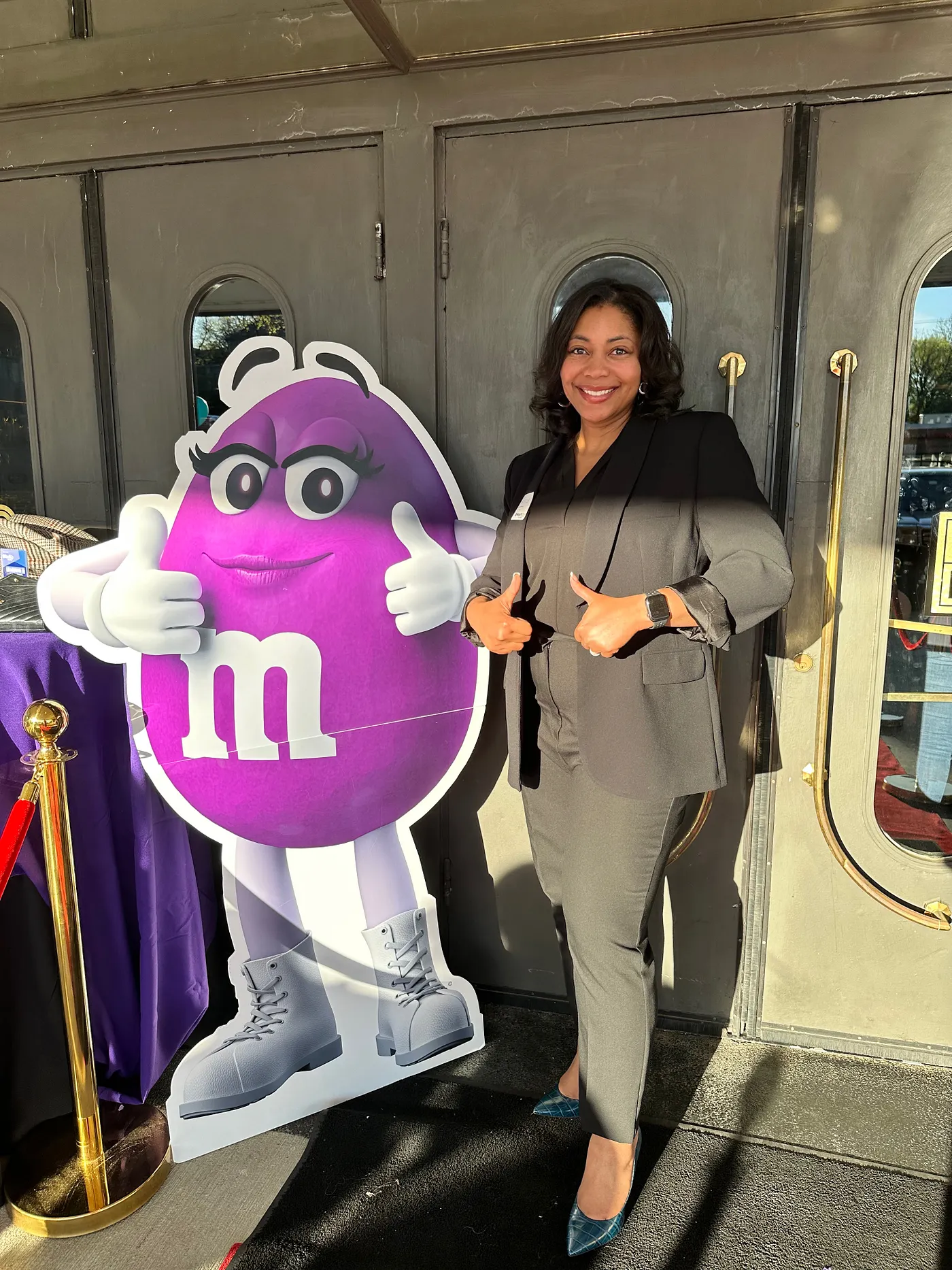
This is another reason I’m so passionate about working with brands. We can develop a strategy in a meeting room for one of our brands like M&M’S® or SKITTLES®, and a few days later I can be at an event walking around with our M&M’S spokescandies talking with people about our marketing efforts and sharing the “why” behind specific brand campaigns. A marketing career helps you see the full picture, from brainstorming sessions to tactical planning to implementation, and being part of that is incredible.
Can you please give us your favorite “Life Lesson Quote”? Do you have a story about how that was relevant in your life?
“Champions keep playing until they get it right.” — Billie Jean King. The paraphrase that I use often is: “In order to do something right, you have to do it at least twice.” I am a big fan of iterative learning and success. Each time you do something you learn more and you master more aspects to get better each time. I don’t necessarily strive for perfection, but I do strive to get significantly better each time through learning.
Is there a particular book that made a significant impact on your leadership style? Can you share a story or an example of that?
When I first became a manager, I read a book by Carla Harris called “Expect to Win.” Carla was the first Black partner at Morgan Stanley and is considered a legend in the financial services industry. The book touches on Carla’s experience and when she first entered the financial services industry, people didn’t think she was tough enough to make it. After receiving this feedback, she felt empowered to bring her authentic self to work each day and showcased her confidence and toughness moving forward. Carla’s story inspired me because it can be very easy to lose who we are if we try to become what other people are expecting or want us to be. This book helped me learn that as we grow as people and professionals, being true to yourself attracts individuals that respect your authenticity and remaining committed to your authentic self can help you rewrite narratives that are more aligned with who you are.
What do you think makes your company stand out? Can you share a story?
For me, what makes Mars stand out is aligned with what I mentioned earlier — for over a century, we’ve been driven by a belief that the world we want tomorrow starts with how we do business today. Specifically for Mars Wrigley, which is proudly part of the Mars family, our purpose is to inspire moments of everyday happiness, which we’ve really leaned into with M&M’S®. With M&M’S, we’re striving to create a more inclusive society and increase the sense of belonging for everyone. You may recall our refresh of our M&M’S spokescandies that took place earlier last year. This campaign had a seismic impact on the media and cultural landscape and brought about conversations on important topics like equality and female empowerment. We furthered this commitment to increasing inclusivity and sense of belonging by also introducing a new spokescandy, Purple, who represents authenticity and acceptance as well as the creation of the M&M’S FUNd Advisory Council, which drives M&M’S brand programming of diversity, inclusivity and belonging around the world. An additional way we’re making an impact and following our purpose with M&M’S is through our Flipping The Status Quo program, which provided 20 female winners with a grant of $10,000 to further fund their missions of positively impacting the community around them and paving new paths for those who follow. Winners received grants for Flipping the Status Quo in categories like disability inclusion, mental health stigmas, occupational gender stereotypes and immigration education, among others.
These are just a few examples of how Mars Wrigley is driving inclusivity and increasing the sense of belonging for all and I’m proud of how consistent we’ve been in sharing this message and leveraging our brand portfolio to influence positive societal impact.
You are a successful business leader. Which three character traits do you think were most instrumental to your success? Can you please share a story or example for each?
- Purposeful: As a purpose-driven leader, I strive to embody our purpose and use it as an anchor for everything we do as the Mars Wrigley marketing function. I mentioned earlier that I’ve always been drawn to purpose-driven work and passionately believe that we’re able to make the world a better place through our brands.
- Transparent: A guiding principle throughout my career is transparency. Being a leader means providing context to your team about WHY we’re doing what we’re doing or approaching a strategy — even a challenge — in a specific manner. In my experience, having transparency about the objective of a project or campaign helps ensure full buy in at the onset, which leads to stronger, more authentic and passionate work that we’re rallying around. Moreover, authentic leadership often requires transparency during tough yet constructive conversations.
- Motivating: I get energy from working with Associates to build actionable pathways to get Mars Wrigley’s brands from “where they are now” to “where they need to go.” This has manifested itself in the work we’ve done to ensure our brands have a place within culture, even elevating important conversations on equality, acceptance, and inclusivity, for example, while meeting consumers where they are. To ensure we’re delivering as a marketing function — using business as a force for good — I am consistently focused on empowering my team and inspiring action through my communication.
Leadership often entails making difficult decisions or hard choices between two apparently good paths. Can you share a story with us about a hard decision or choice you had to make as a leader?
There’s an underlying tension in marketing as a whole where marketing leaders feel the desire to either pick the marketing communications path or the business leadership path. Each option has its own benefits. Marketing communications has become so diverse and varied compared to what it used to be with just TV and print being the primary channels. Now it’s focused on managing how your brands appear to the rest of the world, and within this broader category, how they show up to different demographics of consumers. The other option is to be a general management marketer. A few years ago, I was faced with this fork in the road, but then realized it doesn’t always have to be one path or the other. I joined Mars because I get the best of both worlds as a marketing communications leader and a general management marketer. Admittedly, there aren’t very many companies where this is possible, but at Mars, I’m able to continue to satisfy my passion for brand marketing while also working with our other business leaders to further establish a connection with existing consumers and foster a connection with the next generation of consumers as well.
Ok, thank you for that. Let’s now jump to the primary focus of our interview. Most of our readers — in fact, most people — think they have a pretty good idea of what a C-Suite executive does. But in just a few words can you explain what a C-Level executive does that is different from the responsibilities of other leaders?
C-level leadership involves a lot of strategy development and planning but differs from other leaders because we manage people instead of projects. Throughout your career you learn to manage projects from start to finish, everything from deadlines, budgets, KPIs and tactics to recapping and analysis, but as a C-level executive, you’re managing the people who manage those projects. This requires an entirely different style of thinking — instead of thinking about what materials you need to achieve your specific project goals, you need to pivot to ensure your team has everything they need to be successful across every project they’re working on. It is critical to have a team development and resourcing mindset to ensure you’re providing enough employee power to help your team work toward the objective you’ve set out for them.
Another key difference is in how we think and plan. As a marketer, we tend to operate 12 to 36 months out. However, as a C-level leader, I’m focused on 2030. I’m asking myself “what do we want our Associates and our business to be in 5–10 years?” Once I have the answer to that question, I work with my team to understand the steps we need to take to reach that goal. From there, it’s up to individual team managers to plan out what tactics, campaigns or initiatives need to happen to help us make progress toward that goal. It’s paramount that C-level leaders continue to keep a pulse on the “day-to-day” work so they ensure teams have what they need to achieve success, but also to help mentor and coach. It’s your responsibility to help boost your team and further develop their skillsets. This is one of my favorite parts about being a marketing leader because not only do I get to interact with individuals who are passionate about the work they do, but I also get to share what I’ve learned throughout my career in service of preparing tomorrow’s marketers.
What are the “myths” that you would like to dispel about being a C-Suite executive? Can you explain what you mean?
I think the biggest myth is that C-level executives aren’t available to connect with their teams. While C-level executives oversee many different facets of the business (and are certainly very busy), I make it a priority to bring my best self to my team to provide them with the strongest counsel and advice and this is something I really admire about our entire leadership team at Mars. Connecting with Associates is always the priority because as a generational company, it’s in our DNA to invest and develop the next generation of talent. As leaders, it’s our responsibility to ensure we’re mentoring our Associates and empowering them to develop as professionals — and being able to see their progression as they continue to achieve success is a very rewarding feeling.
What are the most common leadership mistakes you have seen C-Suite leaders make when they start leading a new team? What can be done to avoid those errors?
One of the biggest mistakes that people make when getting to the C-level is not trusting their people. Everyone knows how difficult it is to give up control and shift to managing people instead of projects and daily “to-dos,” but it’s incredibly important that your teams know you trust them and have faith in their abilities. By nature, I’m a very curious person, so I’m constantly asking questions in meetings with my team. As a leader, I make it clear that my questions are to better understand and process what my team is presenting to me, so I can provide the best guidance or make the most informed decision — not me trying to poke holes in their logic or reasoning. I always want my team to know I have the utmost confidence in them.
Another mistake new C-level leaders make is being the sole decision maker. We make tons of decisions each day and it’s very easy to fall into a habit of making decisions that should come from a member of your team. There’s certainly a time where, as the leader, you’re supposed to make the decision, but it’s crucial to learn when and how to empower your team to drive the decision-making process. If team members make the wrong decisions, you’re always right there to help them course correct and learn from their mistakes. Ensuring team members learn from their mistakes is equally as important as empowering them to make decisions in the first place. It is one of the best opportunities for true growth.
In your experience, which aspect of running a company tends to be most underestimated? Can you explain or give an example?
We spend a large portion of our days at work, so it’s very important to remember to have fun. Because if you can’t laugh, smile or joke around, you’re going to burn out. I started my career in financial services, which tends to be a very serious environment. While I enjoyed my experience and learned a lot, part of my decision to go back to business school to get my MBA was because I wanted to work with brands and products that are purpose-driven and make people happy. This is exactly why I started my journey with Mars nearly six years ago — the joy I’ve experienced marketing products to pet parents who care so passionately about their four-legged family members while at Mars Petcare, to now, leading the marketing function at Mars Wrigley North America. We’re makers of the world’s most beloved treats and snacks. There is so much fun woven into all that we do and we bring that energy to our consumers too. Stressful times are par for the course, but when I need to decompress, I chew a stick of gum and am instantly reminded that I work for a company that sells candy. This always helps me re-center and re-focus my energy on the next task with my team.
Ok super. Here is the main question of our interview. What are your “Five Things You Need To Be A Highly Effective C-Suite Executive”? If you can, please share a story or an example for each.
1 . People forward: If you’re going to be a C-level executive, you absolutely have to be good with people. A huge part of our responsibilities involve networking, connecting and working with people, both internal and external stakeholders. It’s crucial to be able to be able to sit down, talk and understand other people’s thoughts and viewpoints, even if you disagree with them. Being able to interact and resolve disagreements is a vital skill to have.
2 . Good listener: Listening is crucial. As managers of people, not individual projects, it’s very important to listen so you can identify where your leadership and guidance is most needed. I also think it’s vital to be a good listener so team members feel comfortable coming to you should any problems arise. We all make mistakes and the only way to learn from them is to analyze the situation and see what can be done differently in the future. Ensuring your team members are comfortable sitting down with you for candid conversations, that ultimately lead to growth, is very important.
3 . Learning: Throughout my career, I’ve been in a constant state of learning. At the beginning of our careers, we are usually sponges, taking in as much knowledge and information as we can, but as careers go on, it’s vital to focus on continuously developing your skills and learning new things. I’m a huge sports fan so the analogy I encourage people to follow is to be a student of the game. Take Michael Jordan, Billie Jean King and Tom Brady, for example. Besides being legends in their respective sports, all have one thing in common — they’ve never stopped learning or developing their skills, and I’m a strong believer in this applying to both marketing and leadership. I’m constantly absorbing news and information about marketing and leadership, observing and listening to colleagues and other leaders discuss their learnings or advice to further my knowledge and growth.
4 . Courage: In my opinion, courage is something people underestimate in business today. Courage is being afraid to do something and doing it anyway because you know it’s the strategic move, even if it puts you, your team or business outside what’s comfortable. Having courage means you’re not afraid to be decisive and make a decision even if it’s the unpopular one. This type of action builds up your risk tolerance which helps you continue to stay on the edge and push your business ahead.
5 . Do what you love: This is easier said than done, but if you’re not smiling, and energized by the next challenge, then you’re probably doing yourself and your career a disservice. Of course, it takes time to figure out exactly what that passion is, but once you find it, you’ll know instantly because going to work gets easier, you lean into challenges that pop up and you’re excited by whatever comes next. As the CMO of a candy company — a dream I’m sure many of us had when we were growing up — I get to work on projects with our iconic brand portfolio that make a positive impact in our world because they’re grounded in our purpose of inspiring moments of everyday happiness. In doing what I love, I leave the workday with a smile on my face because I know I’m part of a company that’s bringing happiness to others.
In your opinion, what are a few ways that executives can help to create a fantastic work culture? Can you share a story or an example?
As an executive, part of championing a fantastic work culture is supporting the development and transformation of people. It’s about taking care of your team. Throughout my career, I’ve been a believer in self-advocacy when it comes to career progression and verbalizing your wants and desires to those around you. This has inspired my belief in the Platinum Rule — do onto other as they’ve said they want done to them. Take the time to listen to your teams about how they want to be managed, learn how they want to receive feedback and in what areas they want to be developed. Today’s office, whether in-person or virtual, is much more about a collaborative, inclusive work culture because we want people to be able to bring their true, authentic selves to work every day.
A big part of following the Platinum Rule is understanding your team members’ ambitions — what gets them excited? What are they motivated by? After learning this, you can work with your teams to develop a plan, set goals and steps to help empower them to achieve success.
One of my biggest learnings about how to foster a strong workplace culture is to meet people where they are and help them develop their skills, rather than set objectives you think they can reach. This is done by listening to their goals and learning how you can best help them on their journey. By taking the time to learn and listen, you’re establishing a strong connection and building trust with your team, ensuring they feel comfortable coming to you with any questions about projects, problem solve or ask for strategic counsel. A workplace where colleagues trust and are empowered by one another is a place where everyone can succeed and thrive.
You are a person of great influence. If you could start a movement that would bring the most amount of good to the most amount of people, what would that be? You never know what your idea can trigger. :-)
For generations, our brands have brought joy to consumers in different moments of their lives, helping bring people together. At Mars Wrigley, our purpose, inspiring moments of everyday happiness, is a north star for everything we do as a marketing function. My philosophy is: if we’re not having fun, if it’s not inspiring fun, and if it’s not making people happy, then we need to rethink our approach. There’s power in fun, happiness and joy. Finding a way to value and celebrate our differences in a positive way, instead of focusing on what separates us, could do a great deal of good in our world today.
Building on this area of focus, I think we should try to do more of what makes us happy in life. Being happy helps people make a positive impact on the world, even if it’s as small as making someone smile or lifting a colleague’s spirits if they’re having a rough day. If we’re able to better celebrate our differences, do more for ourselves, friends, family and coworkers and inspire fun, I’m confident our world will be a happier place where everyone can thrive.
How can our readers further follow you online?
You can find me on LinkedIn! For more about Mars Wrigley, visit our LinkedIn, Facebook and Instagram accounts.
Thank you for the time you spent sharing these fantastic insights. We wish you only continued success in your great work!
About the Interviewer: Douglas E. Noll, JD, MA was born nearly blind, crippled with club feet, partially deaf, and left-handed. He overcame all of these obstacles to become a successful civil trial lawyer. In 2000, he abandoned his law practice to become a peacemaker. His calling is to serve humanity, and he executes his calling at many levels. He is an award-winning author, teacher, and trainer. He is a highly experienced mediator. Doug’s work carries him from international work to helping people resolve deep interpersonal and ideological conflicts. Doug teaches his innovative de-escalation skill that calms any angry person in 90 seconds or less. With Laurel Kaufer, Doug founded Prison of Peace in 2009. The Prison of Peace project trains life and long terms incarcerated people to be powerful peacemakers and mediators. He has been deeply moved by inmates who have learned and applied deep, empathic listening skills, leadership skills, and problem-solving skills to reduce violence in their prison communities. Their dedication to learning, improving, and serving their communities motivates him to expand the principles of Prison of Peace so that every human wanting to learn the skills of peace may do so. Doug’s awards include California Lawyer Magazine Lawyer of the Year, Best Lawyers in America Lawyer of the Year, Purpose Prize Fellow, International Academy of Mediators Syd Leezak Award of Excellence, National Academy of Distinguished Neutrals Neutral of the Year. His four books have won a number of awards and commendations. Doug’s podcast, Listen With Leaders, is now accepting guests. Click on this link to learn more and apply.

Published inAuthority MagazineTop Lessons, Top Authorities · 42K Followers
Exclusive, curated interviews with the leaders and changemakers shaping tomorrow. Leadership lessons, industry deep dives, and executive profiles.