My parents are from Medellín, Colombia, while my extended family still lives there. I was born in Washington, D.C., raised bilingually in the Virginia suburbs, and always dreamed of becoming a musician.
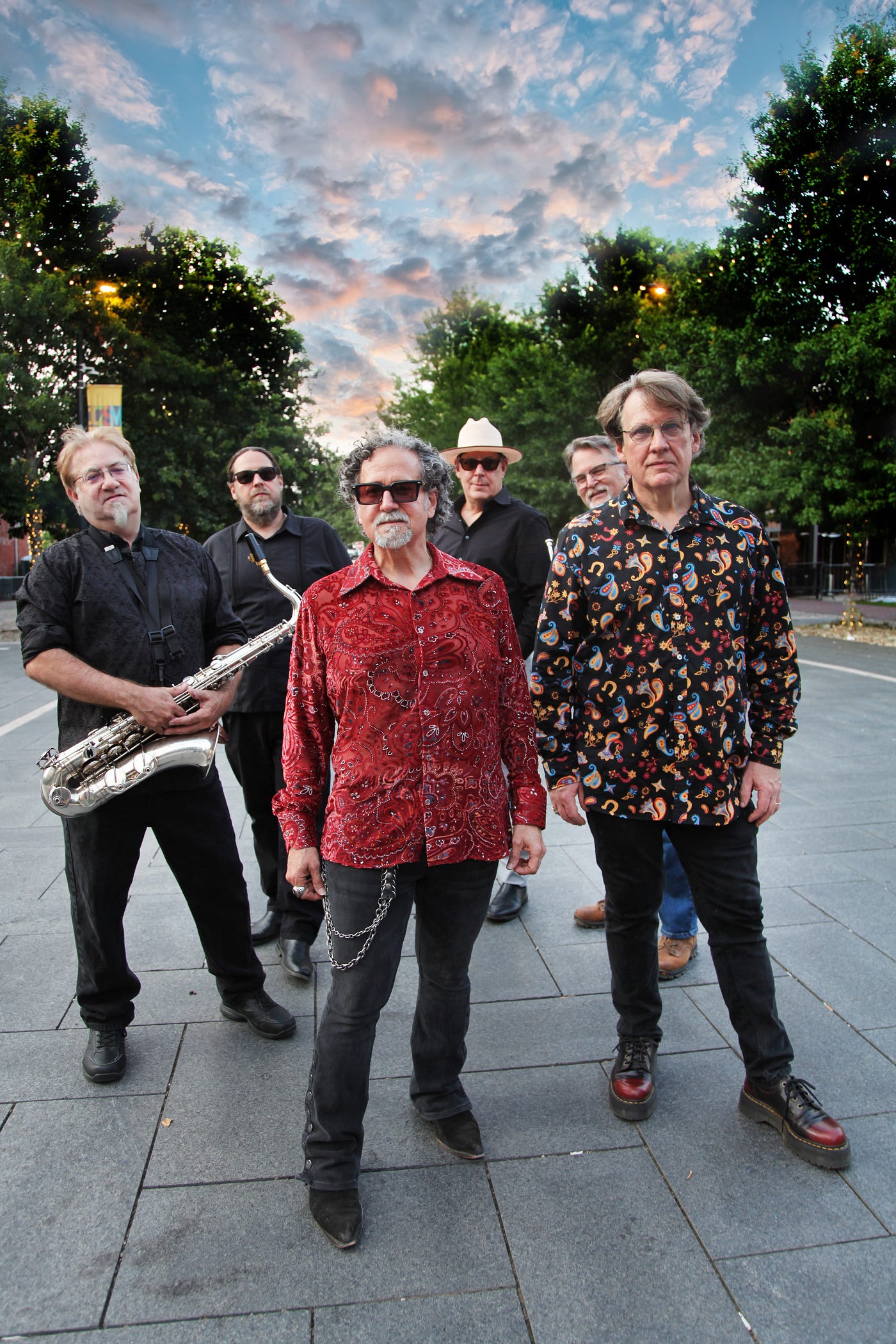
As a part of this series, we had the pleasure to interview Los Hermanos Alacranes.
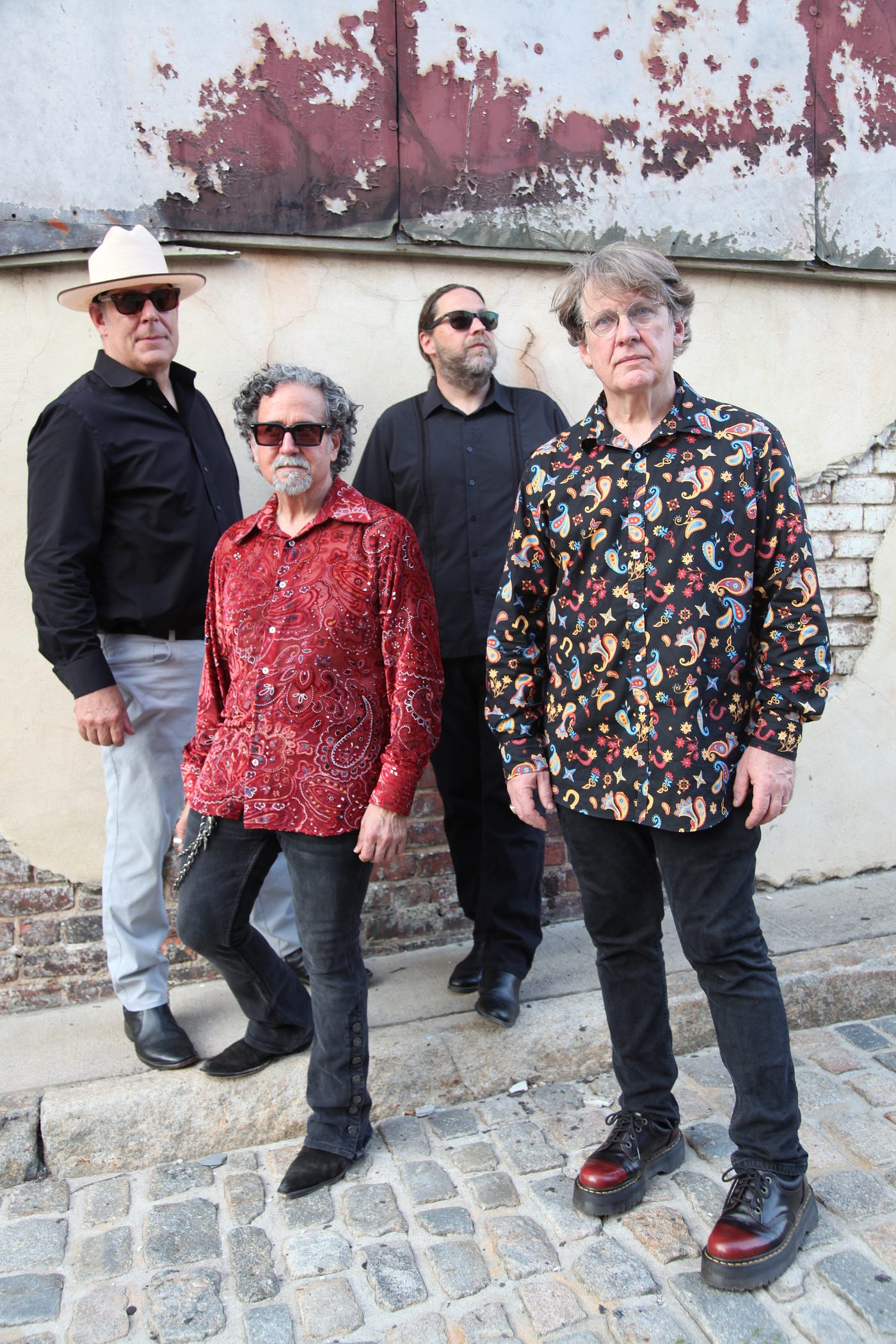
Richmond, Virginia-based The Scorpion Brothers / Los Hermanos Alacranes create “cinematic rock with a Spanish soul,” blending rock and roll, Cumbia, Ranchera, Mariachi, Americana, and power-pop into a distinctive bilingual sound. Singing in English and Spanish, the band combines Latin rhythms, driving guitars, cinematic storytelling, and electrifying live performances. Their forthcoming album, Twilight Songs, produced by GRAMMY-winning Los Lobos member Steve Berlin, marks their most ambitious and collaborative work yet. Exploring themes of nostalgia, connection, and the passage of time, the album captures the band’s evolving artistry and decades of musical experience. The Scorpion Brothers have opened for Los Lobos, performed at the Richmond Folk Festival, and earned recognition as Best Rock Band in Style Weekly’s 2025 Readers’ Poll, along with Best Rock Band and People’s Choice honors at the Richmond International Film Festival. With an energetic live show and a genre-defying sound, The Scorpion Brothers are expanding their reach beyond Virginia, bringing their unique blend of Latin and American rock and roll to new audiences.
Thank you so much for joining us in this interview series! Before we dive in, our readers would love to learn a bit about your “origin story”. Can you tell us the story of how you grew up?
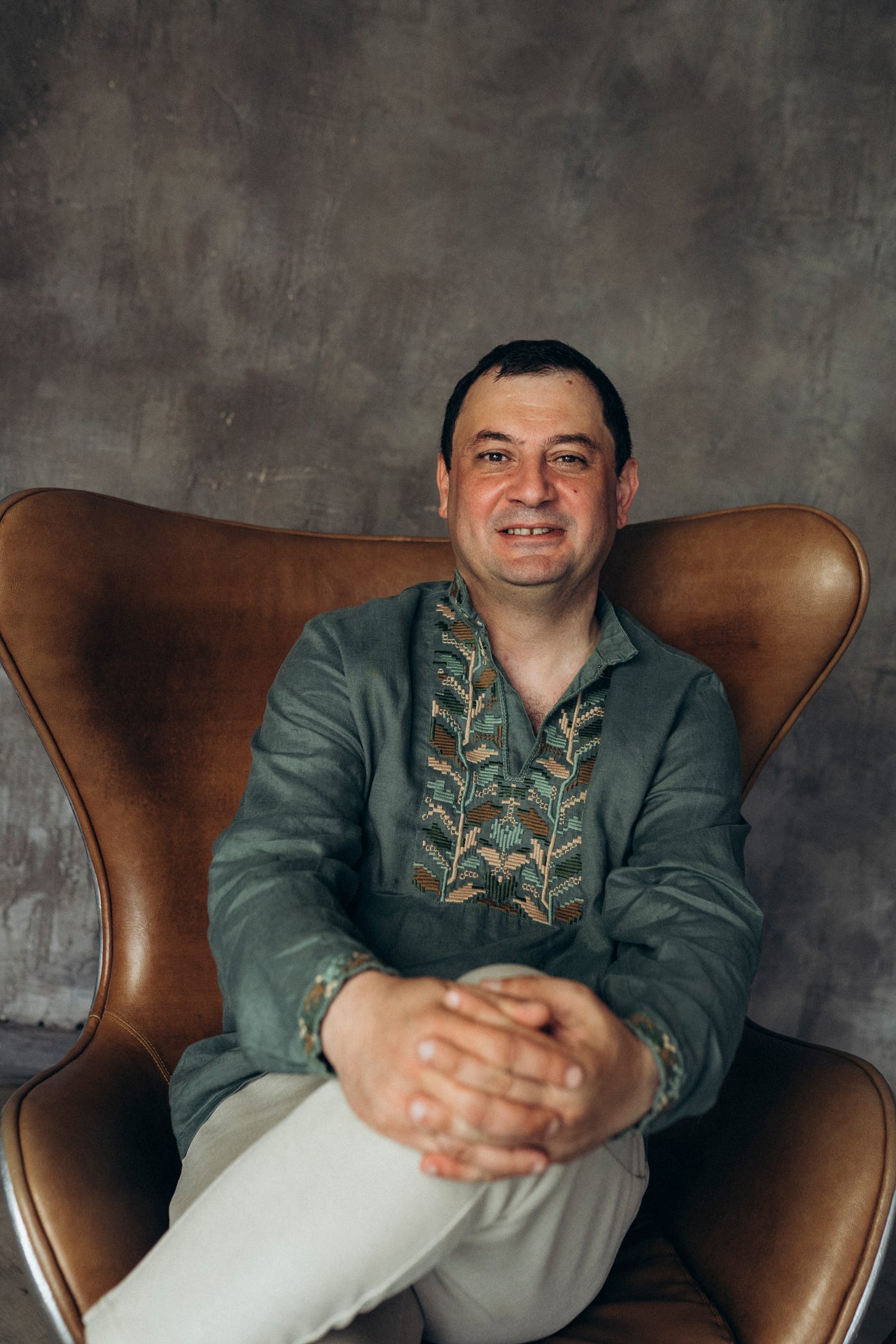
Paulo: I grew up as a first-generation American. My parents are from Medellín, Colombia, while my extended family still lives there. I was born in Washington, D.C., raised bilingually in the Virginia suburbs, and always dreamed of becoming a musician. However, as the first-born child in a first-generation family, my traditional career choices were limited to becoming a doctor or a lawyer. Since my father was a doctor, I chose the path of becoming a lawyer.
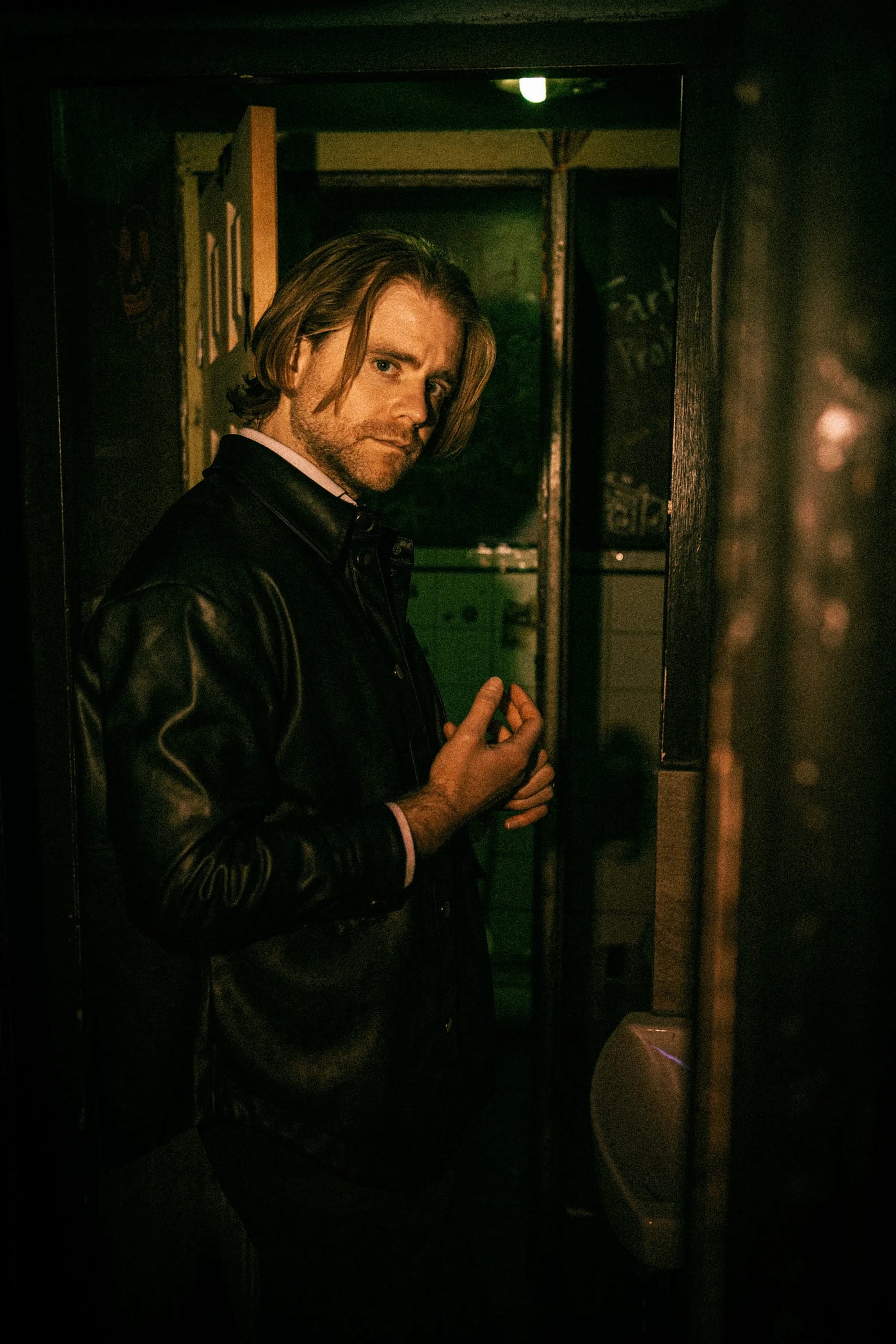
Paul: I grew up in west Tennessee surrounded by rock and roll greats — Elvis in Memphis (where I was born), Carl Perkins in Jackson (where I lived) and Tina Turner in Nutbush (just a few miles down I-40). My guitar journey began with singing guitar parts on Johnny Cash records when I was 3 and being gobsmacked by Leslie West in the 1st grade when I first heard “Mississippi Queen” on WHBQ AM56 in Memphis. It was a watershed moment. In high school, I moved to New Orleans where I soaked up Cajun and Zydeco music alongside heavy metal and prog. I ended up in Nashville for college (Vanderbilt University), where I started playing in bands and writing my own songs.
Rob (Berto): My parents were straight up free-spirited hippies! At the young age of seven they pulled me out of elementary school, packed me up in a bright yellow 1962 Volkswagen van with a super charged Porsche engine. My dad assembled it on the kitchen floor of a fan distract apartment. Looking back, it was an adventure of a lifetime, but I was not thrilled to leave my friends. We came back to Richmond, Virginia after 2 years of going cross country through the southern and northern routes. Hence the road life began.
Chad: He grew up in Raleigh, NC. He hasn’t told us much yet. He’s real quiet.
What inspired you to pursue a career in music, and how did your journey begin?
Paulo: It wasn’t a specific event that inspired me; rather, I have known I wanted to be a musician since my grandmother sang to me in my crib. It has been a lifelong dream, and it is hard to put into words how incredible it feels now that it is a reality.
Paul: The punk movement really inspired me to stop dreaming and start doing. Seeing guys getting up on stage and thrash out was thrilling. Even though I was a big fan of Prog in my teens, the raw simplicity of bands in the Nashville punk and rock scene was extremely appealing to me. The irreverence and energy were and are still irresistible.
Rob (Berto): I was beating on pots and pans at a very young age. I am pretty sure I was born with the urge to play drums. The event that sealed the deal for me was seeing the Average White Band at The Mosque (now Altria Theater) with Steve Ferrone on the kit. My beautiful hippie parents took me to my first concert, I was hooked. Got my parents by every album they had out.
Chad: For me, listening to my parents records from as early as I can remember (Eagles, Iron Butterly, Aerosmith etc.). Started with a drum set, then to guitar and keyboards, before settling on bass by age 10 or so. Spent a lot of time playing with cassettes…. listen, rewind, listen, repeat
Can you tell us the most interesting story that happened to you since you began your career?
Paulo: A few years before the pandemic, Chad and I went down to Roanoke to play a gig. Whenever in town, we always stopped off at Fret Mill Music, a wonderful store in downtown, and this trip was no exception. That day, the owner let me play a neat guitar that was on consignment. It was a 1935 Gibson J 35 that was once owned by Duane Allman, and was used to write Little Martha. The price tag was too much for my budget despite my wanting to buy it. I figured there was a reason I was not supposed to buy it and that reason manifested itself in the recording of our new record. A week after I played it, I learned that Jody Boyd, the owner of Red Amp Studios had played it. I didn’t think much of that guitar but was glad it made its way to Richmond. Well, when we recorded the new record, not only did Paul and I play it on several of the tracks, but David Hidalgo of Los Lobos also played it when they were at Red Amp with Steve Earle recording their first collaboration together, Volver a Celaya. I got to watch them record the song. Steve Berlin, who is producing our new record Twilight Songs, also produced Celaya. I was listening to David cut his part live in the studio, it suddenly dawned on me why I didn’t buy the guitar — it was exactly where it was supposed to go.
Paul: I once did a bunch of shows in Manhattan for a singer/songwriter I played for (Jaime Kyle). Four shows in three days. We played with Badfinger, Charlie Sexton, and a bunch of bands at CBGBs that. We came back home to open for The Indigo Girls that same week. It was a head-spinner for sure. I stopped playing music professionally to raise a family in the 90’s. Now that everyone is grown-up and independent, I can do this again. It’s the best thing ever.
Rob (Berto): The one that stands alone is my conversation with Miles Davis easily. I was in music school at VCU, and we got to go backstage and meet him. My question to one of greatest jazz minds of all time was “Miles, after all these years what is it that keeps you going? Rob, it’s all about the tone, if you got no tone in your certain type playing you will be just like all the other cats doing it. Create your own tone and sound, be different.
Chad: Playing some of the worst bars you can imagine during college years. One in Athens WV: while packing up, a huge brawl breaks out in the parking lot. Our headlights are providing the lighting for the pummeling. We pack up quick and politely ask if we could please get by, and got out of town. Another bar in Georgetown had a Gentleman’s Club attached. Obviously, most of the crowd migrated to that area…
It has been said that sometimes our mistakes can be our greatest teachers. Can you share a story about the funniest mistake you made when you were first starting? Can you tell us what lesson you learned from that?
Paulo: The funniest mistake I made wasn’t when I was starting out. It happened a few years ago. I was scheduled to play a solo gig at a winery over the July 4th Weekend. I was in a hurry and packed the car. The venue was about 90 minutes away. About 20 minutes before I got there, a sickening feeling overcame me. My God. I forgot my guitar. I turned to look in the back seat, and sure enough. I brought everything I needed EXCEPT for my guitar. Needless to say, I did not play the show and drove 3 hours for nothing. The lesson I learned is to SLOW DOWN!! Doing live shows requires a lot of planning and so make sure to check and double check before getting in the car or the van. You don’t want to find out you forgot something crucial when it’s too late to go back.
Paul: One time I slipped onstage at CBGBs and fell flat on my back during a performance. I was wearing brand-spanking new cowboy boots. They were sick. And slick. Never wear new shoes onstage unless the soles are rubber. New leather will send you flying. So remember, kids, stick to safe, quality footwear always. And remember, crocs are not footwear.
Rob (Berto): When I was in school at VCU, we had the pleasure of having Ellis Marsalis (father of Wynton and Brandford) as a professor. For hours and weeks, I would work on pieces of music that were way over my head. I would come to ensemble review thinking I was ready. Ellis came one day to review, we played the tunes and Ellis reviewed each player and was kind. He got to me last and said straight out “Rob jazz is really not your thing.” To have one of the great jazz authoritarians tell you that would be crushing. But Ellis knew I was working in a band called the Bopcats at the time doing well. His next sentenced helped tremendously” Rob you are already doing what most of these guys want to be doing! Earning a leaving making music, keep focusing on that. Realizing that took the sting out of the above. Keep going don’t stop!
Chad: The biggest mistake I made, as do many young musicians, was getting into “volume wars”. Playing a small bar, you would start at “5”. Everyone sneaks in a little more volume between songs… by the end, everyone is “up to 11” and ears are bleeding.
None of us are able to achieve success without some help along the way. Is there a particular person who you are grateful towards who helped get you to where you are? Can you share a story about that?
Paulo: It would have to be Jim McCauley, my friend and current law partner at Thompson McMullan, P.C. back in 2005, Jim was working at the Virginia State Bar and I was looking for a job there. He saw on my resume that one of my interests was guitar. I had not played in public in over 10 years up that point and figured I never would again. He told the powers that be to hire me because he needed a guitar player for his band. I got the job at the Bar, and I started in mid-November. Jim asked me to bring a guitar to the office Christmas party. That day, he invited me to join his blues band, and I played my first gig with them in 2006. That was the day I decided I would never put my guitars away again and now here I am with Los Hermanos Alacranes, opening shows for Los Lobos and other great artists!!
Paul: The people closest to me, my immediate family, have supported me in this all my life. It’s hard to make music otherwise.
Rob (Berto): My parents for being a positive influence and showing me so many diverse types of music at such a young age. I really know this made a huge impact on me. Luv ya Mumma!
Chad: Really, it’s been Paulo over the past 10 or so years. My schedule hasn’t always been conducive to steady playing. Paulo has always been willing to work with me, and keep me in mind as projects come up.
What are some of the most interesting or exciting projects you are working on now?
Paulo: Absolutely this current project. We are having SO much fun with this band. And it all started because Rob asked to put together a band with him that made my Spanish songs the feature of the project!
Paul: This one. Los Hermanos Alacranes’ 2nd album has been exciting in a thousand different ways. Meeting and working with the members of Los Lobos in the studio is by far the most interesting and inspiring thing I’ve done in a while. Playing shows with them is even better.
Rob (Berto): “Twilight Songs “is the new album we are putting the finishing touches on right now. Extremely exciting for folks to celebrate this music with us. Staying focused on the Scorpion Brothers is my main priority. I am beginning to work on some old instrumentals with some old music friends from way back. We will head into the studio in March.
Chad: Working with Steve Berlin as a producer. From the bass perspective, he helped me to remove all the fluff, and play simple and concise. We all want to play more than we should, him pulling me back really helped the final product.
We are very interested in diversity in the entertainment industry. Can you share three reasons with our readers about why you think it’s important to have diversity represented in music, film, and television? How can that potentially affect our culture?
Paulo: Variety is the spice of life. Without, life is bland and boring. I take great pride in being an American with Colombian roots and I am super proud of my heritage. I can tell you that diversity exposes people to different cultures, and as musicians it helps us become better players. Rob, Paul and Chad did not grow up with Latin music the way I did. They have told me repeatedly that what the enjoy most is the challenge of playing outside their comfort zone. I am familiar with Colombian vibes and beats, but some of the artists I listen to that are Latino (not Colombian) who have inspired my songwriting. Being open to other art forms from different cultures makes our more tolerant and richer.
Paul: When it reflects a million voices, all of them telling their stories, art saves humanity from itself. It has been so since the time the first human started banging sticks together to tell the other human standing on the ridge a mile away that dinner is ready, and you better come home quick, or mama’s going to give you the thrashing of your life. Some things never change. 10,000 years later, Carlos Santana covers Tito Puentes’ “Oye Como Va” before a hundred thousand people at Woodstock, Alice Cooper pens the words to ‘School’s Out’, and Lovecraft Country is released on Netflix, where horror is not the monsters, but racism itself. Art reflects us, amplifies us and tells stories we can’t find words for. When someone’s performance speaks to you, you feel seen. You are part of a community, and that feels good. If art is limited to a single cultural expression, it loses relevance, and is just another thing.
Rob (Berto): Diversity is one of the main reasons I started this project; I love Hispanic culture. When I saw Paulo, I knew I wanted to continue in the vein. Life would be boring without the sauce that makes the world spin. For musicians it is super important to reach out and diversify with other cultures to broaden your musical horizons. Musicians have their own type of universal language that really promotes unity among us as a people.
Chad: There are so many styles of music around the world, why would you limit yourself? When you listen to music from different cultures, you realize that there are more similarities than you may think.
As a successful music star, you’ve likely faced challenges along the way. How do you stay motivated? How do you overcome obstacles in your career?
Paulo: It is not easy sometimes. It takes a LOT of hard work and dedication. It is exhausting sometimes. The thing to remember is to ask yourself why you do it? If the reason is anything other than it makes you happy, stop doing it. When your focus is the love of doing it and appreciate each little victory for what it is, the rest will follow. And even if you don’t achieve a level of success that maybe you wished for, at least you had fun along the way.
Paul: I’m no star, but I decided long ago to stop letting the music industry run me, and make a career on my own terms. That’s one reason I’m still doing this after so many years. I am who I am, and that’s all I can say.
Rob: Well, first ease up on the successful star stuff. We are moving in the right direction doing something different with the music. That has been our focus all along. The music business is rough on you, especially at our age. Any obstacles are pushed aside when you really believe in what you are doing. Surround yourself with a team that has equal focus and drive. We have that right now and that gets you though it!
Chad: Comes down to the joy of playing music. If things are going well, there is joy in playing music. When things aren’t going well, there’s joy in playing music
What are your “5 things I wish someone told me when I first started” and why? Please share a story or example for each.
Paulo:
1. Be ready. Somone once told me that luck is the intersection between preparation and opportunity. Be ready and don’t be afraid to go for it when an opportunity presents itself.
2. Never be afraid to ask. Someone can’t say yes unless you ask. And if you don’t ask, then the answer is already no.
3. Take the business side of music seriously. So many people with enormous talent ignore this aspect of it. Be good with the money, and don’t be afraid to invest in yourself.
4. Treat the performances with respect. If all you want to do is get as wasted as possible before you hit the stage, it will show. There’s always time for a good time, and it starts AFTER the instruments are back in their cases.
5. The best advice I ever got came well after I started from a friend who had a lot of success in the music business. He told me that whenever I go on stage with another act, not matter who, if my goal isn’t to blow everyone away, then don’t bother. At first, I thought it was an ego trip but a few shows after he told me, I finally got it. It means giving EVERY show MAXIMUM effort. Never dial it in. You might be playing for 5 people in the audience. But you never know who one of those people might be. No matter how tired or distracted you might be — give it EVERYTHING.
Paul:
1. There is ALWAYS someone who plays better than you, sings better than you, is younger and better looking. But they are not YOU. The thing that makes you unique is your personality, point of view, and story. Use it.
2. Being successful is not a race — even though everyone acts like it is and get all competitive. Play the long game, cause time is your friend, and those losers will wonder how you did it.
3. Don’t get drunk during the show. That’s dumb. If you must drink, or smoke, or whatever, wait till after, then you can populate your memory with regrets at will.
4. Bands are basically Found Families and suffer the same problems as other families: toxic relationships, addiction, buried resentments, personality clashes and money. Yeah. Money. That one. Its best to get in front of that early, cause if things go well, money can run everything off the track pretty quick.
5. Stick to the plan. If you make a plan, do it. If you need to change the plan — change it! But whatever you do, don’t forget the plan!!!
Rob (Berto):
1. Put in your 10,000 hours of practice and embrace the suck.
2. Take the business side of music seriously. So many people with enormous talent ignore this aspect of it. Be good with the money, and do not be afraid to invest in yourself. (This is one of Paulo’s, and it speaks volumes.)
3. I was playing a show somewhere and I was being an asshole, and it showed on stage. After the first set our hired gun sax player Steve Poteet took me aside and said, act like you are having the #@%$&$% time of your life when you are on stage. You never know who will be in the audience. Out of the four in the audience that night one was a booking agent.” You guys looked angry in the first set then you pulled it together” I like you; we can work with you guys. Lesson learned.
4. Stay humble and appreciate it all as much as possible, it disappears in a flash.
Chad:
1. Turn down…. See example from above
2. Be nice. There are tons of great musicians. If you’re miserable to hang around, people aren’t gonna keep you around for long
3. Redundancy- travel with 2 of everything. Stuff breaks, gotta be ready when it does
Can you share some insights into your creative process? How do you approach songwriting? How do you approach musical collaborations?
Paulo: Most of my creative process comes from listening to the Universe and observing. I am a full-time working lawyer as well as doing the music, so finding time for the creative side can be hard. Some of the time songs come to me on the guitar first and the music follows. I know that best songs I have written sort of wrote themselves. They seem to come from somewhere else, and I am just lucky that I heard them first. I love collaborations. The band is beginning to write songs in a collaborative manner and it is a lot of fun. That process requires you to check your ego, and be willing to give and take.
Paul: I’ve learned to take my time. There are ideas I recorded years ago that I work on now and then. Some of them are on the new album. Sometimes the song just writes itself. Others are fragmentary and come together over time. I try to write lyrics whenever they come to me. Which can be completely random. I keep notebooks handy for this reason.
Rob: I keep a daily journal that I will jot down some song ideas when they come to me. Musically I use my surroundings and moods really to reflect on what I am writing about at that time and space.
Chad: Sounds like a Paulo / Paul question.
Your music has resonated with so many fans worldwide. What do you believe sets your music apart?
Paulo: What I think is true of all bands, is that they are the sum of their parts. A great band works because of things that everyone brings to the table. Although we sing a lot of our songs in Spanish, we are not a “Latin” band. We are a rock band that plays a lot of Latin grooves, but our sound is truly American. As in North American, Central American and South American!
Paul: People want to dance. They want the big beat with some swing. They like big rock and roll guitars, so they can jump up and down and scream louder than the big o’stack o’Marshalls. They like different textures and melodies to reflect the mood they are in. They like a big awesome chorus to sing along to. We do all that.
Rob (Berto): We give them a show in Espanol and English, we challenge the listeners to join us on a different musical journey that they are not used too. People really seem to dig it!
Chad: For our area, adding Latin influences sets us apart.
How do you connect with your audience?
Paulo: With a sense of humility. I love doing this just for my own self of fulfillment, but where things are today with this band, and the buzz that we are generating, I never take for granted the fans that come to see us. I try to engage them as much as possible. Without them, there is no commercial success.
Paul: In performance, we try to get offstage and dance with the dancers. Rob is stuck behind his drum set, so the dancers must go to him. It might be a mistake to say that here. But hey. A party is a party. Let it rock!
Rob: Staying engaged. Listening to their comments. Being thankful and humble they like us!
Chad: I’ll leave this to rest of the guys. I just stand in the back, playing bass.
With your busy schedule and demanding performances, how do you prioritize self-care and maintain a balance between your personal life and career in the music industry?
Paulo: To me, this is the $64,000 question. The life of a musician is full of temptation, especially when it comes to the night life. Fans want to buy you drinks, go out and party after shows. At my tender old age, and with a demanding day job, that is not possible. It takes discipline to say no sometimes, and to make healthy habits a priority!!
Paul: I listen to my doctor. I go to the dentist. I wear glasses cause I need them. After 25 years working for The Man, there’s not much pressure that the music industry can throw at me that I haven’t seen before. Each day is a gift. Treat it that way, and the path is easy to find.
Rob (Berto): Walk a lot, exercise as much as possible, play golf. Eat well and often. Lay off the booze and drugs. Get your rest and notch out family time.
Chad: (vanishes suddenly without warning)
You are a person of enormous influence. If you could inspire a movement that would bring the most amount of good to the most amount of people, what would that be? You never know what your idea can trigger. :-)
Paulo: To get people to stop watching live music through the lens of their phone. I get it, you want to have a memory of the show. Okay, take 1 picture or video, and then put it away!! Live music is a shared experience between performer and audience. When you go to a show — GO TO A SHOW. If you want to talk, take it outside. BE connected. The performers are up there bearing their heart and soul for you. You paid for the damn ticket, listen to the music!!
Paul: We’ve had a rough go of things so far in the 21st Century. We humans are lost in a fog of information so thick we can’t make sense of it. People are so confused and scared. We are being manipulated by technologies that benefit The Few at the expense of everyone else: “Welcome to Fun Fair, where its fun for all but fair to nobody”. I’d like for the noise to stop long enough for us to see each other again. I really miss that.
Rob: End world hunger. Get people to stop starting wars and come together as humans. I mean. WTF.
Chad: (re-materializes, mutters “wtf”, pushes a button on his phone and vanishes again)
Is there a person in the world, or in the US whom you would love to have a private breakfast or lunch with, and why? He or she might just see this, especially if we tag them. :-)
Paulo: Mark Knopfler. I love his guitar playing and his song writing. There are so many others I could mention, but I think he would be the one!
Paul: Stephen King. We both like AC/DC and scary stories. I’d share a pot of coffee with that dude any time.
Rob: His Holiness the Dali Lama, I need help with my journey to find inner peace.
Chad: Tom Keifer of Cinderella. No reason. I just happen to like Cinderella (Chad didn’t really say this, but he does like Cinderella, so Paul put this response in on his behalf because he is…not visible right now).
How can our readers continue to follow your work online?
Check out our webpage at www.alacranesrva.com for links!!
Thank you so much for joining us. This was very inspirational, and we wish you continued success in your important work.
About The Interviewer: Tavares Beverly ( www.tavaresbeverly.com ) is the Founder and CEO of Beverly Boy Productions, a national video production company that has helped organizations tell their stories through video for more than two decades. Over the course of his career, he has worked with everyone from Fortune 500 executives and healthcare professionals to politicians, nonprofit leaders, educators, and artists, gaining a unique perspective on the role communication plays in leadership, business, and human connection. A frequent contributor on topics including communication, entrepreneurship, leadership, and personal development, Tavares believes that the ability to communicate effectively is one of the most valuable skills a person can develop. His work is driven by a passion for helping organizations connect with their audiences and helping individuals unlock their potential through mentorship, perseverance, and meaningful relationships. To learn more, connect with Tavares on LinkedIn or visit www.BeverlyBoy.com . If you’re interested in using the power of storytelling and communication to grow your organization, strengthen your brand, or inspire your audience, he welcomes the opportunity to connect.