While making a film called Discover Kasper with the incredibly talented Todd Mark Evans, there was one scene that perfectly captured the kind of scrappy, do-whatever-it-takes approach I had to filmmaking in those early days.
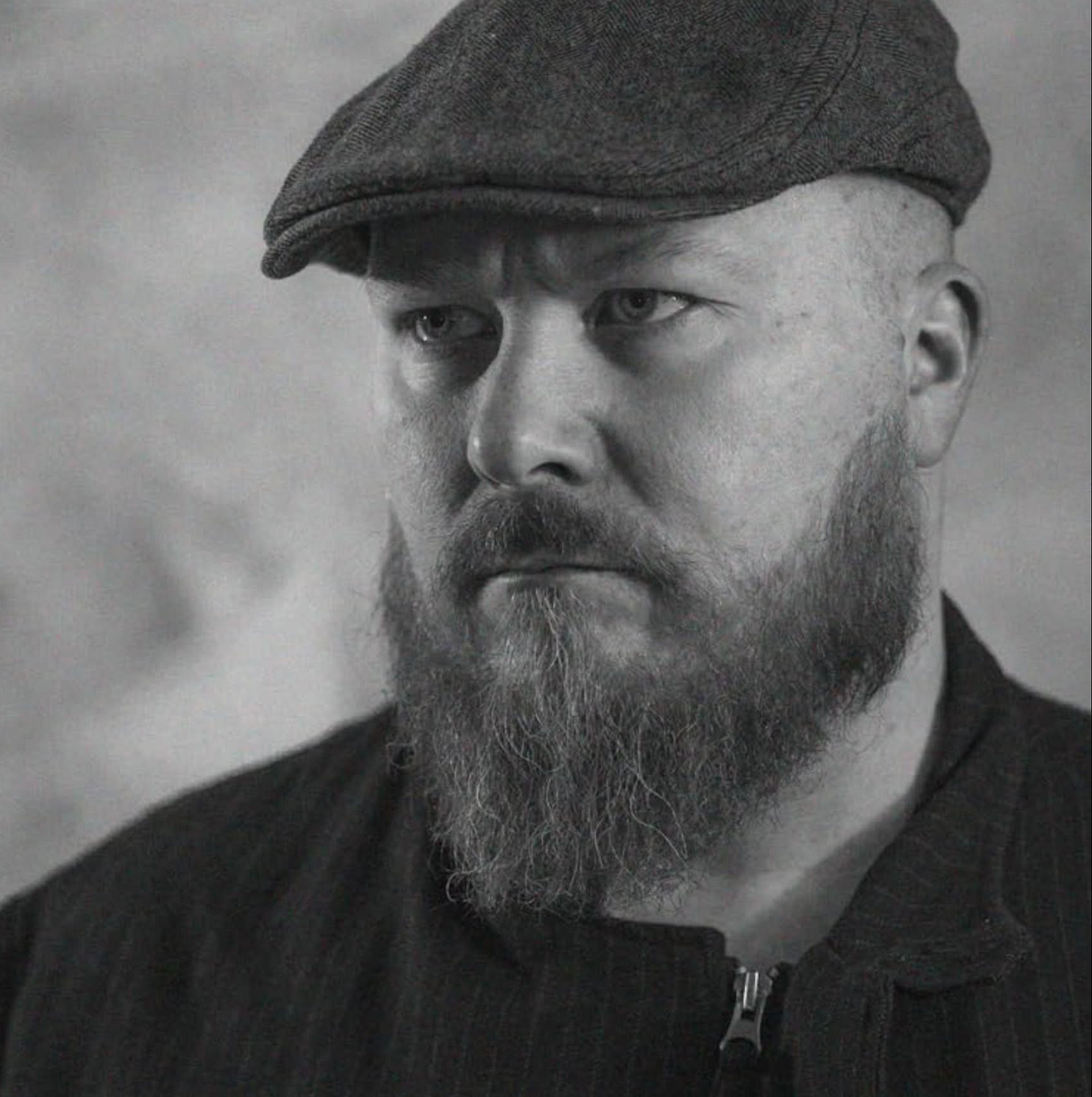
As a part of our series called “5 Things I Wish Someone Told Me When I First Became A Filmmaker”, I had the pleasure of interviewing Seth Christian.
Seth Christian is a Nashville-based screenwriter, director, and producer who recently founded Cinema Country, an independent production company dedicated to human-centered storytelling and socially impactful filmmaking under its FILMS FOR IMPACT banner. The origins of Cinema Country are very personal for Seth. Two years ago, he suffered a stroke, an experience that prompted him to take a closer look at both the kinds of stories he wanted to tell and the way he believed films could be made. The result was a company built around several principles that are central to his own vision for the industry: collaboration, purpose, accessibility, and the belief that independent filmmakers can create ambitious work without relying exclusively on traditional financing structures. First up on Cinema Country’s slate was Made Clean, a faith-inspired drama that follows a mother battling addiction while trying to raise her teenage daughter and confront generational trauma. On deck is Hungerland, an upcoming feature that confronts obesity and the damaging effects of America’s toxic food system, and Extension, which examines the dangers of social media and its link to false identity and teen suicides.
Thank you so much for joining us in this interview series! Our readers would love to get to know you a bit better. Can you tell us a bit of the ‘backstory’ of how you grew up?
Nebraska was my childhood home, where I first discovered my passion for the arts and pursued music for 12 years. After relocating to Nashville, Tennessee, and earning a degree in media and photography, my creative interests evolved, leading me to discover a deeper passion for storytelling and filmmaking.
Can you share a story with us about what brought you to this specific career path?
During college, I received strong affirmation of my storytelling instincts and directing abilities, which gave me the confidence to pursue filmmaking on my own terms. Rather than following the more traditional path of starting at the bottom as a production assistant and working my way up, I decided to jump straight into the deep end and begin making my own films. I wanted to tell the stories that inspired me, develop my voice as a filmmaker, and learn through the experience of bringing my own creative vision to life. That leap of faith confirmed what I already felt deep down: filmmaking was what I was meant to do. I found my calling, and I’ve been pursuing that passion ever since, continually growing as a storyteller and looking for new ways to bring meaningful stories to the screen.
Can you share the funniest or most interesting story that occurred to you in the course of your filmmaking career?
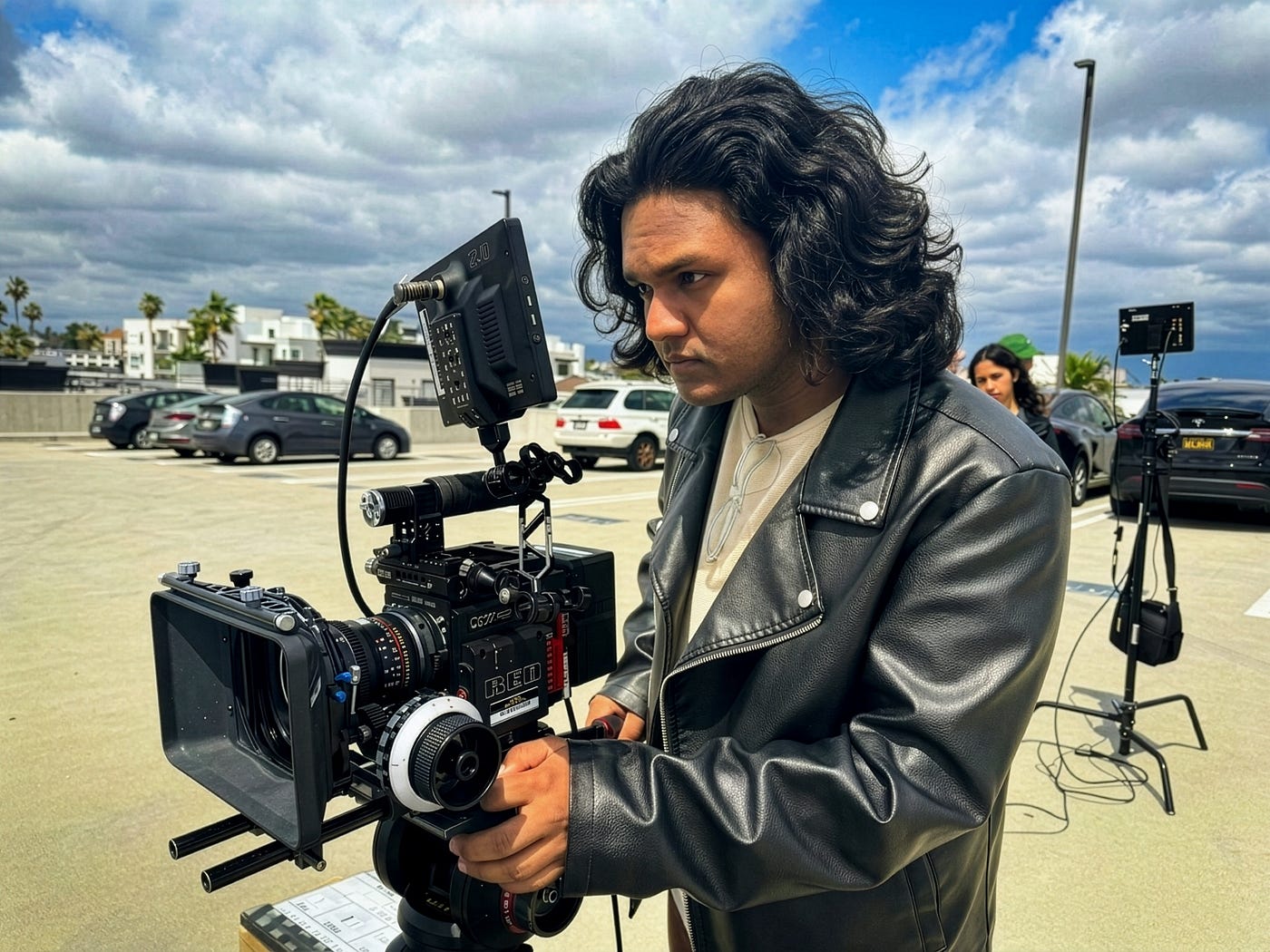
While making a film called Discover Kasper with the incredibly talented Todd Mark Evans, there was one scene that perfectly captured the kind of scrappy, do-whatever-it-takes approach I had to filmmaking in those early days. We were shooting a scene inside an elevator, and somehow, I ended up being the entire crew for that day. So, there I was, squeezed into this tiny elevator with Todd, holding a RED camera in my hands, a sound recorder shoved into my back pocket, and a boom pole literally taped to my body, dangling over my head. It was truly amateur hour, and certainly not the most professional-looking production setup, but I had a scene to shoot and a story to tell. There was no big crew to lean on, no extra set of hands to help, and no luxury of waiting for the perfect circumstances. I had to figure it out, make it work, and get the shot.
Looking back, it was a ridiculous situation, but it also reflects something I’ve always believed about filmmaking: you can’t let limited resources or imperfect conditions stop you from bringing a story to life. Sometimes, you just have to roll up your sleeves, get creative, and make it happen.
Who are some of the most interesting people you have interacted with? What was that like? Do you have any stories?
I’ve had the opportunity to work with some incredible talents, including Bruce Willis, Mike Tyson, Patrick Schwarzenegger, Penelope Ann Miller, Tom Berenger, and many others. But Michael Shannon stands out as someone truly unique. There’s an intriguing, almost mysterious quality about him, combined with an extraordinary level of focus and a commanding presence that’s difficult to ignore. He has a way of drawing you in, and there’s a depth to him that makes him particularly fascinating to work with.
None of us can achieve success without some help along the way. Is there a particular person who you are grateful towards who helped get you to where you are? Can you share a story about that?
One of my best friends and greatest supporters is Matthew Thomas. He has been by my side since the early days of my filmmaking journey and continues to be involved in and support many of my projects. His natural leadership abilities and genuine desire to see others succeed make him an invaluable person in my life.
More recently, Ken Lingad has had a significant impact on me. He’s someone who isn’t afraid to give me the tough love answers I sometimes need to hear, and he introduced me to The Success Principles by Jack Canfield, a book that profoundly influenced my mindset and approach to both life and my career. It was a pivotal read that helped reshape the way I think about success, personal responsibility, and the possibilities in front of me.
And, of course, my parents have been a constant source of support and encouragement throughout my life. Their influence and belief in me have been instrumental in helping me pursue my passions and continue moving forward, even when the path hasn’t always been easy.
Can you please give us your favorite “Life Lesson Quote”? Can you share how that was relevant to you in your life?
“Money is just a tool, but the human experiences and things you learn are what shapes your trajectory.”
The opportunities you pursue that bring you closer to your goals, along with the people you surround yourself with and collaborate with along the way, are far more valuable than the paycheck. Choose growth, meaningful experiences, and the right relationships over money. Every. Single. Time.
What are some of the most interesting or exciting projects you are working on now?
One of the most exciting things I’m working on right now is the recent launch of Cinema Country, my Nashville-based independent production company dedicated to human-centered storytelling and socially impactful filmmaking.
Cinema Country is committed to making FILMS FOR IMPACT — films that entertain, inspire meaningful conversations, and offer value to culture and humanity. We’re not chasing trends or simply looking for what’s popular. We’re looking for unique, fresh stories that connect with audiences, shine a light on important issues, and serve as a voice for healing.
First up for development on Cinema Country’s slate is Made Clean, a faith-inspired drama already in post-production that follows a mother battling addiction while trying to raise her teenage daughter and confront generational trauma. Directed by D. Erik Parks (Why We Breathe), the film stars Penelope Ann Miller (Carlito’s Way, Reagan), Otmara Marrero (Start Up, Florida Man), Glenn Morshower (Transformers: Dark of the Moon, 24), Ava Torres (Chicago Fire, Way of the Warrior Kid), Jacob Alexander (Echo Boomers), and Cherrie McRae (Deadly Deception).
On deck is Hungerland, an upcoming feature that confronts obesity and the damaging effects of America’s food system, and Extension, which examines the dangers of social media and its link to many teen suicides.
Future projects will continue to expand the FILMS FOR IMPACT slate, with stories addressing issues ranging from mental illness and poverty to political violence and other challenges affecting communities today.
Which aspect of your work makes you most proud? Can you explain or give a story?
I think one of my greatest strengths is my ability to bring together the right people and lead a film through every aspect of its creation, from the story and casting to cinematography, music, graphic design, and everything in between. I have a strong instinct for how all these elements need to come together to create a cohesive, compelling final product. A big part of that is trusting my gut, recognizing what works, identifying what needs improvement, and maintaining a high standard of quality throughout the entire process.
Over time, I’ve come to realize that having that combination of creative vision and the ability to oversee all the moving parts of a production is a relatively uncommon skill. It’s something I’ve learned to trust and embrace as a defining part of who I am as a filmmaker.
Ok super. Here is the main question of our interview. What are your “5 things I wish someone told me when I first started” and why. Please share a story or example for each.
1. Discipline and persistence are your biggest tools
The only way to positively fail is to quit. The competition is fierce, so you must be willing to be very persistent, passionate, disciplined and selfless in order to survive the long game.
2. If you’re doing it for fame or money, you might want to find something else
If you’re not waking up every morning with a passion for filmmaking or acting or whatever that is, to where you’re willing to put in years of struggle, work and study, then find something else because fame and money are empty at the end of the day.
3. Your strengths may not be your passions
What you love to do the most is sometimes not what you’re the best at. It’s tough love and therapeutic to practice awareness and admit that your strength might not be what you aspire to the most.
4. Don’t do trends, just do you
Don’t chase stories that you think the audience will like or piggyback off some other idea/movie. Create stories that mean something to you, as passionate or wild as that might be. There’s only one you in this world, now harness that.
5. Plan your milestones
Don’t just decide what you want to do, plan your milestones for the next 10yrs, for the next year, for the next month, for the next week and every day. Ask why, make goals, build connections, constantly create, be intentional about learning how to do it then figure it out and stick to it!
When you create a film, which stakeholders have the greatest impact on the artistic and cinematic choices you make? Is it the viewers, the critics, the financiers, or your own personal artistic vision? Can you share a story with us or give an example about what you mean?
The producer certainly plays a critical role because they help guide the entire project and bring all the moving pieces together. But ultimately, filmmaking is a collaborative effort that depends on everyone bringing their best to the table. The director’s vision, the cinematographer’s technical skill and artistic eye, the actors’ performances, and the contributions of every department all matter tremendously. No single person can create a great film alone. It takes a group of talented, dedicated people working together, trusting one another, and building toward a shared vision. Making a film is an incredibly difficult undertaking, and it’s that collective effort that makes it so rewarding when all the elements finally come together.
You are a person of great influence. If you could start a movement that would bring the most amount of good to the most people, what would that be? You never know what your idea can trigger.
I think that’s embodied in the model of Cinema Country. In addition to producing films that tell compelling stories and touch hearts, Cinema Country creates a more collaborative approach to independent filmmaking in which filmmakers, businesses, service providers and community partners can all have a meaningful stake in the projects they help bring to life.
On Made Clean, I achieved the scope and production value of a film in the $1–2 million range with approximately $250,000 in hard equity. In less than two years, I assembled a network of soft-equity partners that included a 50-person production crew, equipment-rental companies, camper owners, restaurants and other contributors.
Rather than simply providing goods or services, participating partners received a percentage of the intellectual property’s future revenue in exchange for their contributions. This approach allowed Cinema Country to direct a greater portion of its available cash budget toward talent while building a community of stakeholders with a shared interest in the film’s success.
We are very blessed that some of the biggest names in Business, VC funding, Sports, and Entertainment read this column. Is there a person in the world, or in the US whom you would love to have a private breakfast or lunch with, and why? He or she might see this.
I love sharing my story of how Cinema Country came to be and the mission behind it — Films For Impact! Movies that serve as a voice for hope and healing. And, if you’re interested in financially supporting something different and making the world a better place through film in the process, then let’s break bread!
How can our readers further follow you online?
Tiktok: @cinemacountrystudio Instagram: @cinemacountrystudio X: @cinema_country_ YouTube: @CinemaCountryFilms Facebook: Cinema Country
And the website is www.cinemacountry.com
Thank you so much for sharing these important insights. We wish you continued success and good health!
About The Interviewer: Tavares Beverly ( www.tavaresbeverly.com ) is the Founder and CEO of Beverly Boy Productions, a national video production company that has helped organizations tell their stories through video for more than two decades. Over the course of his career, he has worked with everyone from Fortune 500 executives and healthcare professionals to politicians, nonprofit leaders, educators, and artists, gaining a unique perspective on the role communication plays in leadership, business, and human connection. A frequent contributor on topics including communication, entrepreneurship, leadership, and personal development, Tavares believes that the ability to communicate effectively is one of the most valuable skills a person can develop. His work is driven by a passion for helping organizations connect with their audiences and helping individuals unlock their potential through mentorship, perseverance, and meaningful relationships. To learn more, connect with Tavares on LinkedIn or visit www.BeverlyBoy.com . If you’re interested in using the power of storytelling and communication to grow your organization, strengthen your brand, or inspire your audience, he welcomes the opportunity to connect.