I had been overthinking everything because I wanted so badly to prove that I belonged. He helped me understand that I didn’t have to prove it every second. I was there because I had earned the opportunity. That experience changed the way I approach being on set.
Pop Culture
Angelo Maldonado Jr of Mindstate Films: Inside the Architecture of Translating Personal Trauma into Authentic Cinematic Storytelling
The Brooklyn-born actor and founder of Mindstate Films shares how he transformed personal trauma, grief, and a late-career pivot into a powerful engine for authentic storytelling and professional resilience.
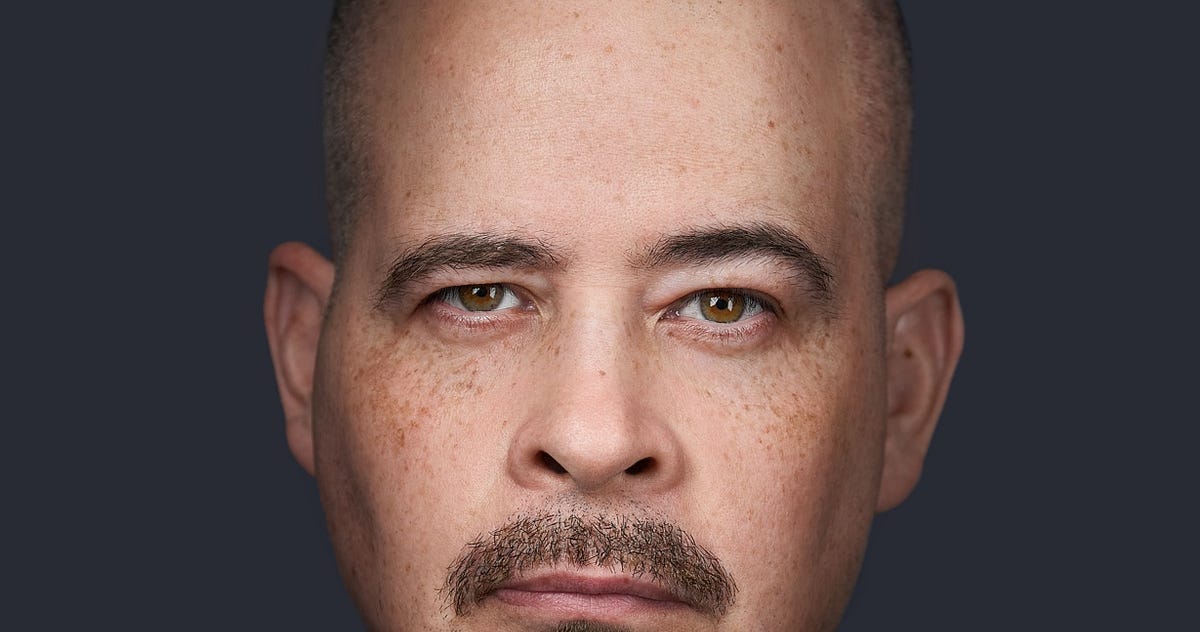
As a part of our series about pop culture’s rising stars, we had the distinct pleasure of interviewing Angelo Maldonado Jr.
Angelo Maldonado Jr. is a Puerto Rican American SAG-AFTRA actor, filmmaker and mental-health advocate from Brooklyn, New York. After beginning his acting career later in life, he went on to build television credits that include a recurring Guest Star role as Jorge on Power Book III: Raising Kanan, Guest Star roles on Chicago P.D. and Law & Order, and appearances on FBI and Dope Thief. He was a Series Regular on Danny’s House, and his film work includes Ethan Coen’s Drive-Away Dolls. He has also recently worked on an HBO series. Before acting, Angelo spent years in music and entertainment, including performing with Wyclef Jean. He is the founder of Mindstate Films and is developing People Like Us, a deeply personal project exploring family, identity, trauma and mental health through the experience of a Puerto Rican family. His work as an artist is closely connected to his longtime community and mental-health advocacy and to his belief that some of the hardest chapters in our lives can still have purpose.
Thank you so much for joining us in this interview series! Can you tell us the story of how you grew up?
I grew up in Borough Park, Brooklyn, in the middle of a predominantly Hasidic Jewish community. As a Puerto Rican kid, that gave me a childhood that was probably a little different from what a lot of people experienced.
Every Friday, a siren would go off signaling the beginning of Shabbos, and the whole neighborhood would change. Businesses would close, the streets would become quiet, and to me as a kid it almost felt like a ghost town.
Sometimes neighbors would ask me to help with something involving electricity during Shabbos, like turning a light on or off. At that age, I didn’t understand all of the religious significance behind it. I just knew this was the community I lived in and this was normal to me.
Inside my own home, though, life could be very different.
I grew up without a consistent father figure in the home and witnessed a lot of physical abuse. As a little boy, I saw my mother almost killed in front of me.
When you’re that young, you don’t have words like trauma or PTSD. You’re just trying to be a kid. You’re trying to make friends, go to school and figure out where you fit while carrying things you don’t really understand.
Food became a coping mechanism for me. I became the heavyset kid who desperately wanted to fit in, and sometimes I would overextend myself just because I wanted to be accepted.
Music became one of the places where I felt safe. My grandfather sang and played guitar, and around seven years old I realized I could sing too. I would sing for fun and people kept telling me I was good at it.
Looking back, I think performing became one of the first places where I felt free.
Can you share a story with us about what brought you to this specific career path?
Acting wasn’t the original dream. Music was.
I spent years pursuing music and had opportunities in that industry, including performing with Wyclef Jean. So I already understood what it was like to chase something creative and deal with all the ups and downs that come with that.
Acting became much more personal because of my father.
My father was a Marine, worked for the postal service and later became a professional SAG-AFTRA actor. When he died by suicide in 2017, I started looking at my own life differently.
Part of my decision to pursue acting became connected to carrying his legacy forward.
The timing wasn’t exactly conventional. I was already in my 40s. I was married. I had three daughters and a son. I had real responsibilities.
But I also started realizing that beginning later didn’t mean I was beginning with nothing.
I brought decades of life with me. Music, marriage, fatherhood, ministry, grief, faith, rejection, mistakes, all of it.
And eventually I realized all of those experiences could become part of what I bring to a character.
Can you tell us the most interesting story that happened to you since you began your career?
One of the experiences that affected me the most happened while I was working on Chicago P.D.
I was having an anxiety attack on set.
LaRoyce Hawkins noticed what was happening.
He hugged me and reminded me that I belonged there.
What stayed with me wasn’t only what he said. It was the way he treated me. He didn’t make me feel like I was beneath him or like I was just this new actor who should be grateful to be there. He treated me like an equal and made sure I knew he had my back.
Watching how professional he was, how much grace he had, and how authentic he was really changed something in me.
I had been overthinking everything because I wanted so badly to prove that I belonged.
He helped me understand that I didn’t have to prove it every second.
I was there because I had earned the opportunity.
That experience changed the way I approach being on set. I still battle anxiety, but I try not to let the anxiety tell me who I am.
When I can stop overthinking and just be myself, that’s usually when I’m at my best.
It has been said that mistakes can be our greatest teachers. Can you share a story about the funniest mistake you made when you were first starting? Can you tell us what lesson you learned from that?
This one still makes me laugh.
When I first started acting, I thought background work belonged on my professional résumé.
I worked about fourteen days as an audience member during one of the fight sequences in Creed II.
And I was committed.
I wasn’t local, so I was paying for an Airbnb while I was there. By the time you add everything up, I probably spent more than a thousand dollars because in my head this was a huge career opportunity.
For hours and hours we’d sit down, stand up, react, sit down, stand up again.
Whenever I thought the camera might pan toward my section, I would jump up thinking, “This could be it!”
I genuinely thought somebody might see me on that screen and something was going to happen.
Then later I found out that background work wasn’t something I should have been listing as an acting credit on my professional résumé.
The funniest part is I had already been putting it on there for years.
Financially, I probably barely broke even. I may have actually lost money.
But I learned a valuable lesson. You have to learn the business you’re trying to build a career in. Talent matters, but understanding how the industry works matters too.
What are some of the most interesting or exciting projects you are working on now?
The project closest to my heart right now is a film I’m developing called People Like Us.
It draws from my father’s story, my childhood, and the way mental health can affect an entire family, especially in communities where those conversations haven’t always been easy to have.
It also deals with growing up Latino in Brooklyn, identity, family expectations, trauma and the different ways people survive.
One thing that’s important to me is showing more than one perspective.
Mental illness doesn’t only affect the person who is struggling. It affects spouses, children, parents, siblings and entire families.
Sometimes everybody loves each other and nobody knows what to do.
I’m developing the project through Mindstate Films, and that side of my career has become increasingly important to me.
I love acting, but I also want to help create the kinds of stories I’m waiting to see.
I’m also grateful for the momentum I’ve had as an actor through projects like Power Book III: Raising Kanan, Chicago P.D., Law & Order, FBI, Dope Thief, Danny’s House, Drive-Away Dolls, and more recently working on an HBO series.
As a rising star, you’ve likely faced challenges along the way. How do you stay motivated and overcome obstacles in your career?
I remind myself why I started.
I made a promise connected to my father that I would keep going, and I take that promise seriously.
But motivation isn’t always some big inspirational feeling. Sometimes it’s just doing what you know you’re supposed to do even when you don’t feel like doing it.
There were days working on Power Book III: Raising Kanan when I had an early call time in New York and I was coming from Pennsylvania. I would have to leave around 3:30 in the morning and drive about two and a half hours by myself.
You’re tired. You’re anxious. Your brain starts giving you a hundred reasons why something could go wrong.
And you drive anyway.
That’s what perseverance has become for me.
I also want my family to be proud of what I’m building, and I want this career to create stability for the people I love.
There are always going to be reasons someone might say I’m not the traditional choice. I started later. My weight has fluctuated. I don’t necessarily have the stereotypical Hollywood leading-man look.
I can’t spend my life concentrating on all the reasons somebody might say no.
I have to keep becoming better prepared for the person who says yes.
We are very interested in diversity in the entertainment industry. Can you share three reasons with our readers about why you think it’s important to have diversity represented in film and television? How can that potentially affect our culture?
The first reason is that representation changes what people believe is possible.
When someone sees a person who looks like them, comes from where they come from, or has experienced some of the things they’ve experienced, there’s a connection.
As a Puerto Rican actor, I don’t want Latino actors limited to one type of character.
Let us be fathers, doctors, police officers, CEOs, villains, heroes, neighbors, funny people and complicated people.
Let us just be people.
The second reason is that different experiences make the storytelling better.
The world is diverse. When the people creating stories and the people appearing in them come from different cultures and backgrounds, details enter the story that somebody researching that culture from the outside might never think about.
The third reason is that film and television can help people understand one another.
For some people, a character on television may be their first real exposure to a different culture, community or struggle.
That also applies to mental health.
I want to see characters dealing with anxiety, PTSD, depression, grief and trauma without the diagnosis becoming the entire character.
People are more than the things they struggle with.
Sometimes seeing that reflected honestly on a screen can start a conversation that somebody was afraid to have in real life.
What are your “5 things I wish someone told me when I first started” and why? Please share a story or example for each.
1. Starting late doesn’t mean you’re behind.
When I started seriously pursuing acting in my 40s, it was very easy to compare myself to people who had been acting since they were kids.
Eventually I realized there was no race.
The life I had already lived actually gave me something to bring into the work.
2. A booking isn’t the only evidence that you gave a good audition.
There are so many things that go into casting that actors never see.
You can do great work and still not get hired.
Prepare. Commit. Send it in. Then let it go.
If every audition determines how talented you think you are, this industry will drive you crazy.
3. Surround yourself with people who believe in you.
That includes representation, but it goes beyond agents and managers.
You need people around you who understand what you can do and aren’t afraid to remind you when you start doubting yourself.
4. Never become complacent because something good happened.
One booking doesn’t guarantee the next booking.
Keep training. Keep learning. Stay teachable.
I never want something I did yesterday to convince me I don’t need to get better tomorrow.
5. Your career cannot become your entire identity.
I’m an actor, but I’m also a husband, father, man of faith, filmmaker and mental-health advocate.
If my entire sense of worth depends on whether somebody in casting says yes, I’ve given another person too much control over my life.
Which tips would you recommend to your colleagues in your industry to help them to thrive and not “burn out”?
Have something in your life that doesn’t require applause.
For me, that’s faith, family, therapy, music and sometimes just getting outside.
Prayer grounds me.
Calming music can help quiet some of the noise in my head.
Going for a walk in nature helps too.
I try to shut my phone off sometimes.
I said try.
I’m still working on that one.
I’m also a believer in therapy.
I’m currently working with an EMDR specialist as part of dealing with trauma. I don’t think personal growth stops just because your career starts moving forward.
Sometimes the healthiest thing you can do for your career is take care of the person who still has to live your life when the camera shuts off.
You are a person of enormous influence. If you could inspire a movement that would bring the most amount of good to the most amount of people, what would that be? You never know what your idea can trigger. :-)
I would want to help end the culture of suffering in silence around mental health.
I’ve seen it from a lot of different sides.
I’ve spent years in ministry and community outreach. I’ve watched people I love struggle. I lost my father to suicide.
And I live with anxiety and PTSD myself.
I’m actively working through trauma. I’m seeing an EMDR specialist, and I’m getting better.
I don’t have anything to hide about that.
Actually, I think transparency is part of the responsibility that comes with calling myself a mental-health advocate.
If I’m telling other people not to hide what they’re going through while I’m hiding my own struggles, what am I really saying?
I want somebody reading this who is struggling to understand that asking for help doesn’t make you weak.
Therapy isn’t weakness.
Prayer isn’t weakness.
Medication, if somebody needs it, isn’t weakness.
Telling somebody “I’m not okay” isn’t weakness.
The dangerous part is convincing yourself that you have to go through everything alone.
None of us are able to achieve success without some help along the way. Is there a particular person who you are grateful towards who helped get you to where you are? Can you share a story about that?
There are two people who really stand out to me because they helped me in very different ways.
Wendy Alane Wright, the founder of Hollywood Winners Circle Academy, or HWC, was really a springboard for me when I was first trying to understand this business.
What drew me to Wendy was how straightforward she was. She was direct, very funny and extremely transparent, including about struggles in her own life.
There was something about that honesty that made what she was teaching feel real.
She wasn’t presenting Hollywood like some fantasy where talent alone was going to carry you. She encouraged actors, but she also told you the truth about the business, representation, relationships and the responsibility you have to take for your own career.
Eventually I got an opportunity to speak with her personally over Zoom, and that conversation had a real impact on me.
She helped give me that initial push to say, “Okay, I can actually do this. Now I need to learn how to build it.”
Then there was the late Jack Turnbull, who was one of my first acting coaches and the founder of Actorsite.
Jack was different.
Jack made you feel like you were part of his family.
I never felt like I was just another actor coming through a class. He cared about people, and he had a way of making you feel like you belonged.
He taught me a tremendous amount about acting, but he also reinforced in me that I could actually do this.
Actorsite is still going today, and I still take classes there. That means a lot to me because I’m continuing to train in something Jack created.
Wendy helped give me a roadmap for entering the business.
Jack helped me feel at home once I was in it.
I needed both.
Can you please give us your favorite “Life Lesson Quote”? Can you share how that was relevant to you in your life?
One thought I’ve come to believe deeply is:
“Starting over isn’t the same as starting from nothing.”
That’s really been my life.
When I started acting later, I wasn’t arriving empty-handed.
Everything I had already lived through came with me.
Music. Marriage. Fatherhood. Ministry. Grief. Faith. Failure. Success. Trauma. All of it.
Romans 8:28 is also very meaningful to me because it speaks about God working all things together for good.
I don’t take that to mean everything that happens to us is good.
Some things are painful. Some things are tragic. There are things in my life I would change in a heartbeat if I could.
For me, faith means believing that even those chapters don’t have to be wasted.
Is there a person in the world, or in the US whom you would love to have a private breakfast or lunch with, and why? He or she might just see this, especially if we tag them. :-)
Jim Carrey.
Obviously, he’s an incredible actor and one of the funniest performers we’ve ever seen, but that’s not even the main reason I’d want to sit down with him.
I’ve always been interested in the way he has talked about fame, success, identity and fulfillment.
He’s expressed this idea that he wishes everybody could become rich and famous and get everything they ever dreamed about so they could realize that those things aren’t necessarily where fulfillment comes from.
I’d love to sit across from somebody who reached a level of success millions of people spend their lives chasing and ask him what he discovered when he got there.
What changed?
What didn’t?
What still mattered?
We’d definitely talk about acting.
But I think we’d probably end up talking a lot more about life.
How can our readers follow you online?
Readers can follow me on Instagram at:
Instagram: http://www.instagram.com/angelo_maldonadojr
They can also find my professional work here:
IMDb: http://imdb.me/AngeloMaldonadoJr
Actors Access: https://resumes.actorsaccess.com/ANGELOMALDONADOJR
Thank you for these fantastic insights! We wish you continued success with your career and your mental health advocacy work.
About The Interviewer: Tavares Beverly ( www.tavaresbeverly.com ) is the Founder and CEO of Beverly Boy Productions, a national video production company that has helped organizations tell their stories through video for more than two decades. Over the course of his career, he has worked with everyone from Fortune 500 executives and healthcare professionals to politicians, nonprofit leaders, educators, and artists, gaining a unique perspective on the role communication plays in leadership, business, and human connection. A frequent contributor on topics including communication, entrepreneurship, leadership, and personal development, Tavares believes that the ability to communicate effectively is one of the most valuable skills a person can develop. His work is driven by a passion for helping organizations connect with their audiences and helping individuals unlock their potential through mentorship, perseverance, and meaningful relationships. To learn more, connect with Tavares on LinkedIn or visit www.BeverlyBoy.com . If you’re interested in using the power of storytelling and communication to grow your organization, strengthen your brand, or inspire your audience, he welcomes the opportunity to connect.
TB
Written by
Tavares Beverly
Executive Contributor · Authority MagazineTavares Beverly is an executive interviewer and contributor covering leadership, culture, and business for Authority Magazine.

Published inAuthority MagazineTop Lessons, Top Authorities · 42K Followers
Exclusive, curated interviews with the leaders and changemakers shaping tomorrow. Leadership lessons, industry deep dives, and executive profiles.
More from Authority Magazine
See all stories →
A
Authority Magazine Editorial StaffJasmine Badie: Professional Success Requires Mastering The Discipline Of Being Unneeded
Pop Culture25 min read
Y
Yitzi WeinerGavin Goudey: Internal Vulnerability Is the Primary Engine of Authentic Performance
Pop Culture22 min read
Y
Yitzi WeinerNate Bynum: The Paradox of Authenticity That Unlocks Peak Performance
Pop Culture20 min read
T
Tavares BeverlyMalek Hanna of RXM Entertainment: Creative Collaboration Requires Shared Intention Over Uniform Perspective
Pop Culture11 min read