Whenever I try something new in my career, I often feel anxious about how it will be received or whether I will succeed.
Anxiety seems to be the dis-ease of our times. More people than ever are taking medications to help them cope with stress. Nearly everyone I talk to is consumed with anxious feelings that hijack any pleasure they could be getting from their lives. The pressure to “produce” combined with a perception of “not enough time,” combines to create anxiety, self-doubt, frustration and resentment. Resentment, then, is often taken out on your closest, most important relationships. As a part of this series, I had the pleasure of interviewing Lisa S. Larsen, PsyD.
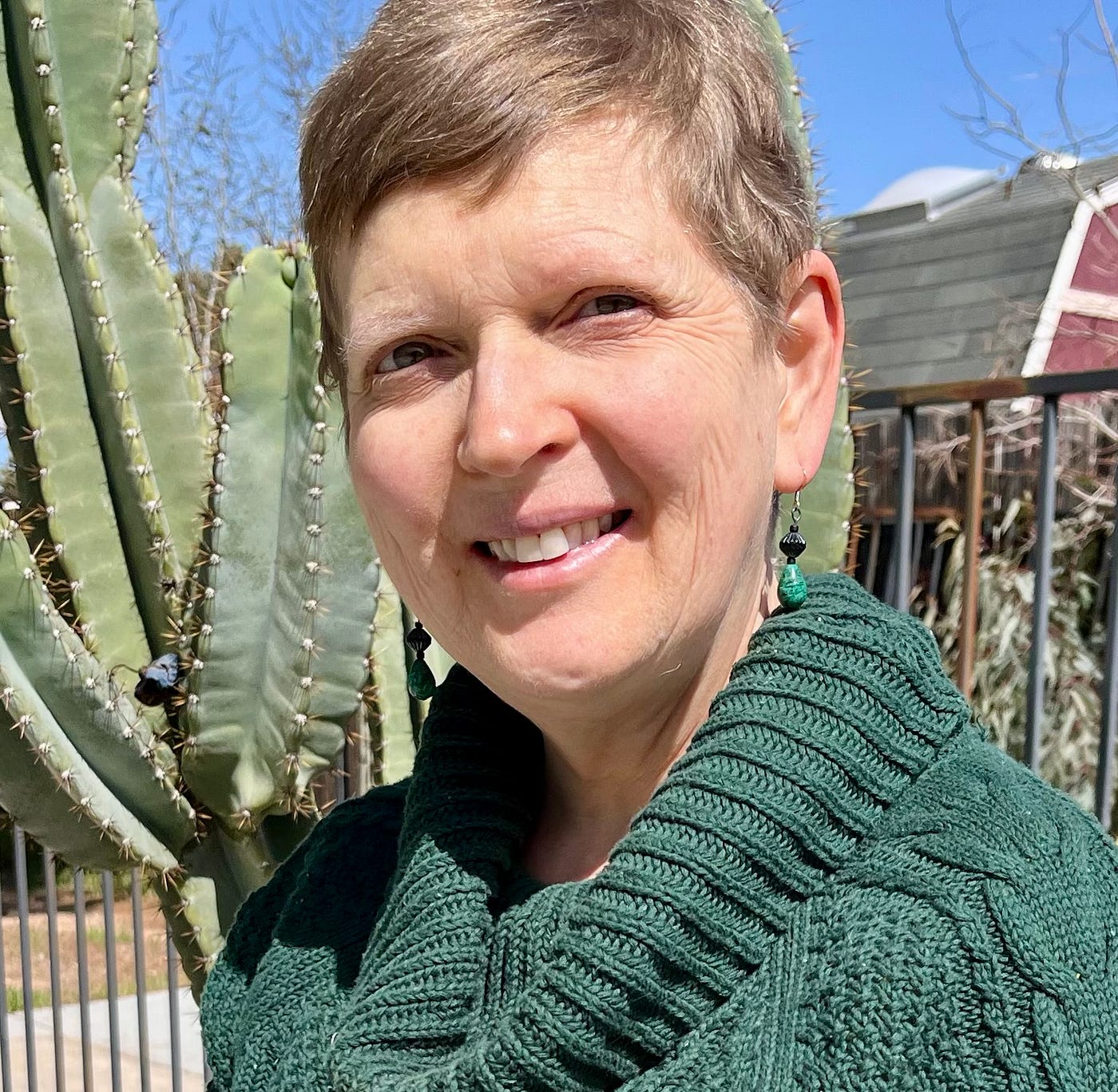
Lisa Larsen, PsyD, is an LGBTQ-affirming therapist dedicated to helping adults and adolescents navigate devastating losses and traumatic experiences. Her goal is to empower clients to feel comfortable in their own skin and improve their relationships with loved ones. To achieve this, she employs a variety of therapeutic techniques, including EMDR therapy, Flash Technique, clinical hypnosis, and Solution Focused Brief Therapy. Additionally, Lisa works with both traditional and nontraditional couples, fostering greater harmony and connection through Emotionally Focused Couples Therapy. With a compassionate approach and extensive experience in community mental health and private practice, she has honed her ability to connect with clients and facilitate their healing journeys. An EMDRIA-certified therapist since 2008, Lisa also has years of specialized training in clinical hypnosis. Her extensive work with LGBTQ+ clients has enriched her practice, bringing her immense joy in helping them thrive. She offers virtual therapy services throughout California.
Thank you so much for joining us in this interview series! Before we dive in, our readers would love to “get to know you” better. Can you tell us a bit about you and your backstory?
Thank you for having me. As I mentioned earlier, I am a licensed psychologist. Before embarking on this path, I was a very insecure young person who often sought external validation in ways that were sometimes quite embarrassing to me, then and now. My coping mechanisms at that time were rudimentary and ultimately not very effective. I’m grateful to have become a therapist, as it compelled me to elevate my coping skills while also paving the way for a fulfilling career.
Like many others, I initially relied on external sources, such as alcohol, to calm my anxiety and temporarily boost my confidence. However, this reliance soon became a problem as well. This led me to embrace sobriety in 1993. I am also thankful for the skills I learned during my recovery, which have empowered me to face life on its own terms.
While I still experience moments of anxiety and insecurity, I now have the tools to proactively manage stress and anxiety as a middle-aged adult. My years of therapy experience and work with clients who face similar challenges also helps me maintain a certain level of calm. Sometimes, we must navigate through dark periods to ultimately emerge into the light.
As a successful person in your field, have you or do you experience anxiety? And if so, how do you manage, reduce or eliminate anxiety so you can work efficiently and enjoy your non-work hours?
I have experienced anxiety throughout my life, both personally and professionally, often worrying about what others think of me. This tendency has sometimes led to overworking and excessive worry. During my studies in Alcohol and Drug Abuse at UC Berkeley Extension Division, I had my one and only panic attack while presenting my final project to a class. My teacher kindly reassured me, saying, “You don’t have to be perfect to talk to these folks. I’m sure whatever you’ve prepared is more than enough.” That encouragement helped me regain my composure and deliver my presentation, even if I felt a bit sheepish afterward.
Whenever I try something new in my career, I often feel anxious about how it will be received or whether I will succeed. However, on good days, that nervousness transforms into excitement and enthusiasm. I’ve come to understand that there is no such thing as a perfect presentation, product, or service; it’s all about doing my best with the resources I have at that moment. While I still prepare thoroughly, I no longer fixate on perfection.
I’ve also learned not to deny my nervousness. I strive to be brave and composed, but if I only acted when everything felt perfectly aligned, I wouldn’t accomplish much. Ironically, my ability to express my emotions openly has become one of my superpowers. When clients see that I am genuinely touched by their stories or moved by their struggles, it fosters a deeper connection. Many have told me they truly feel cared for, highlighting how my efforts to shrink my personality to fit others’ expectations have sometimes been misguided.
Of course, I have to maintain a level of decorum in professional settings; I can't simply lash out in anger or hide away during a presentation. Yet, embracing my emotional side has brought significant benefits. Over the years, I’ve balanced the need for composure with the importance of being candid about my emotions. I’m grateful to work in a field where such openness is more accepted compared to roles like a CEO or lawyer. This allows me to be authentic in sharing my feelings, reflecting my personal value of honesty and authenticity.
Have you gone through a period of time in your life where you felt as though you were drowning in anxiety? If so, please share your experience and what you perceive as the reasons.
Thankfully, I have not drowned in anxiety, but my heart goes out to those who face overwhelming anxiety on a regular basis. My health has been my biggest challenge, but I have fortunately not been so anxious that I couldn’t function. I consider myself an emotionally sensitive person, which brings its own set of challenges. Sometimes it’s easy for me to worry or become upset. However, I maintain my emotional equilibrium through regular self-care activities like exercise, getting enough rest, pursuing hobbies, and enjoying massages. My spiritual practices also help me cope with stress and anxiety.
In the past, during times of deep worry about the future, I believed a peaceful and healthy existence was out of reach. I mistakenly based my beliefs about what was possible on my lowest moments, which clouded my perspective. To protect myself from disappointment, I avoided hope and excitement about the possibility of feeling better, convincing myself that expecting the worst would spare me from hurt. However, during those low points, this mindset only deepened my feelings of despair.
Thankfully, I have moved beyond that way of thinking. I now recognize that a brighter future is not only possible but is something I can experience today.
What or whom did you lean on to help you cope with anxiety?
I have been fortunate to know some very kind people, including my husband, and some of the psychotherapists I’ve seen over the years. As I’ve matured, I’ve also relied on friends who lift me up and help me realize my strengths. Even though my family of origin was not conducive to confidence and mental well-being, I’ve made a new family from the people who show me unconditional love and encourage me to take risks and fulfill my dreams.
I also lean on stories of courageous people in history, as well as spiritual figures like the Buddha, the Hindu goddess Durga, and Hanuman. I love stories in which a small but mighty person overcomes their fears and becomes more confident and stronger, like Rosa Parks, David and Goliath, the Bhagavad-Gita, or the Ramayana. These fill me with hope and confidence as well.
What lessons did you derive from that dark time, that serve you now?
I’ve learned that, despite my desire to predict the future, it’s simply not possible. I don’t know what’s going to happen, so assuming the worst serves no purpose. My efforts to avoid disappointment only discourage me and leave me feeling weaker. When I expect the worst, I either find ways to subconsciously bring my fears to life or realize I’ve worried over nothing. After facing numerous health challenges and other hardships, I can now recognize my own resilience. I may not appear rugged, but my spirit is strong, and I have a good kind of stubbornness. I refuse to give up easily because I’ve invested so much energy, time, and care into my life; I don’t want negative emotions or anxiety to undo all that hard work. It would feel like a waste of my resources, and I want to avoid any regrets about my investment.
Another important lesson is that I am more powerful than I often realize. Though I sometimes forget this when faced with new challenges, looking back at my life’s trajectory reveals that I’ve overcome many obstacles. Clearly, I can handle difficulty, as I have before. I have no doubt that I will continue to do so in the future. This realization instills a certain confidence within me when new challenges arise. While I may sometimes wish they wouldn’t, I’m better off remembering my strengths rather than succumbing to fear about what lies ahead.
Do you have days or circumstances that still cause excessive stress?
I certainly face circumstances that cause stress in my life. My health can be challenging at times, with my chronic illness occasionally worsening unexpectedly. This uncertainty creates a low level of anxiety that can be an undercurrent in my life. During these taxing periods, I find myself worrying about the future and what aging might bring. All I can do is focus on taking care of myself as best as I can and weathering the storms of my physical health.
Professionally, I experience ongoing stress from dealing with insurance companies and the complexities of bureaucracy. I strive to balance the frustrations of navigating compensation from third-party payers with the benefits of having steady clients. However, I eagerly anticipate the day when I no longer need to rely on insurance companies for my livelihood.
Top of Form
Bottom of Form
What are your dependable “go to” strategies that you use to restore balance to your emotions?
I rely on my spiritual practice to help soothe uneasy emotions and ground me when I find myself spinning off into the future. Speaking with trusted friends and engaging in ongoing somatic therapy also provide me with valuable perspective and help me tune into my physical responses to stress. Occasionally, I use self-hypnosis to calm my anxious mind.
Mindful meditation, specifically Vipassana meditation, is another tool I use to cultivate stability and focus. I also dedicate about an hour each day to chanting mantras. While I understand this practice isn’t for everyone, connecting with something larger than myself is profoundly humbling and comforting. It reassures me that I’m not navigating this big, scary world alone. I believe similar feelings can be found in nature, whether in the mountains or at the beach. It doesn’t have to be religious or spiritual to be effective; simply accessing a sense of awe and wonder can have a deeply healing impact on negative emotions.
Please name five tips, practices, beliefs or affirmations that you recommend to anyone going through a highly stressful time.
1 . When you're deep in anxiety, self-compassion can be a powerful way forward. Recognizing that many people also struggle with anxiety can make you feel less isolated and strange. Understanding that others in your situation would likely feel the same way allows you to be more compassionate toward yourself. Asking, "What can I do to feel better?" helps shift your mindset from feeling like a victim to empowering yourself to act wisely. Metta meditation, which promotes loving-kindness toward yourself and others, is also a helpful practice. This is especially so when rational thinking doesn't break through your negative thoughts and emotions.
Prepare for situations that trigger anxiety. If you know certain situations tend to make you anxious, you can mentally prepare yourself for potential discomfort. Remind yourself of how you've successfully managed anxiety before. This might include taking breaks, going outside, drinking cold water, grounding yourself by pressing your heels into the floor, or using a fidget toy. Being aware of possible discomfort reduces the element of surprise and can lower your stress.
Develop the ability to observe thoughts, emotions, and sensations without judgment. This is easier said than done, as we constantly judge ourselves, often harshly. Yet judging your thoughts and feelings only adds to your stress. Instead, treat all thoughts, emotions, and sensations as experiences occurring within you, without assigning value to them. When you do this, they lose power over you. Pain, whether emotional or physical, is just information—something happening inside you. While it may not be under your control, how you interpret it is. Catastrophizing only adds to your discomfort. Realizing you have a choice in how you view your challenges can be freeing, but it starts with observing your inner experiences.
Don't believe everything you think. Research suggests we have between 6,000 and 60,000 thoughts per day, so it's no surprise that many of those pots are unhelpful or irrelevant. You can learn to evaluate which thoughts to trust. Certain thinking patterns, known as cognitive distortions, often lead to stress. These include all-or-nothing thinking, catastrophizing, overgeneralization, discounting the positive, and personalizing events. We also tend to project negative outcomes into the future, but unless you're a psychic, you can't know what's going to happen. Assumptions only make you upset.
Step back and view the situation more broadly. Anxiety narrows your focus to the most threatening, negative aspects of your experience, making it easy to lose sight of the bigger picture. For example, people who become consumed by certain news stations might worry about improbable conspiracies, forgetting about the good things they still have, like food, shelter, and safety. By stepping back and asking, "What's actually happening right now," you often find that the things you're worried about aren't currently happening—and may never happen. And if they do, you probably have strategies to deal with them that you're overlooking.
On a scale of one-ten, if 8-10 was your former, chronic level of anxiety, how would you score your usual level of anxiety today?
I would say these days, I tend to range from 2-4, depending on the circumstances. Luckily, I’m more in tune with my body and use that as an indicator that I need to slow down and take care of myself. If my body feels tense or uncomfortable, I can take time to breathe and stretch, and to ask myself what’s really at stake. That helps me adjust my approach to whatever I’m working on so I don’t take it so seriously.
Do you have daily practices that support you in maintaining peace, calmness or balance in your life?
Yes, as I mentioned above, I meditate and practice a lot of self-care. I also use some of the tips I mentioned above to help me ground myself and question my reality. I can ill afford to take myself too seriously, because sometimes my thoughts are silly rubbish. Luckily, I’ve been observing my thoughts long enough that I can see when my thoughts makes sense. If I still can’t figure it out, I talked to a trusted friend or advisor.
Was there any particular saying, person, or book that taught you the skills that enable you to escape or avoid the higher levels of anxiety that used to plague you?
Mark Twain once said, "I’ve had a lot of worries in my life, most of which never happened." This speaks to the powerful effect of our imagination on our own reality. It’s easy enough to think about all the worst-case scenarios that could ever occur, but when you evaluate how likely those scenarios are, hopefully you see how absurd many of them are. Mark Twain had a great way of observing life and himself.
Thank you for sharing your wisdom with those who are reading this article. Are there also other ways you are sharing your wisdom?
I am delighted to be able to share my experience and knowledge with you. I also have a blog on my website, to which I often post articles about anxiety, grief, traumatic stress, and LGBTQ+ minority stress. I invite anyone who would like to read more to visit my website.
Additionally, I have a self-help program regarding traumatic stress that is also available through my website, called “When the Past Feels Like It’s Still Happening.” It includes informational videos about traumatic stress, how would affects you, how to cope with it, and how to devise your own healing plan. That includes information about managing anxiety based on traumatic events.
Wonderful. We are nearly done. Is there a person in the world, or in the US, with whom you would like to have a private breakfast or lunch, and why? He or she might just see this, especially if we tag them. :-)?
I would love to meet Jack Kornfield, because I admire his work so much. I frequently listen to his podcast and it brings peace and calm to my heart. If Thich Nhat Hanh were still alive, I would love to meet him as well. There is something very kind and reassuring about Jack Kornfield that puts me at ease, and I find his humor droll. He embodies many of the values that I strive to incorporate into my life.
You are a person of enormous influence. If you could start a movement that would bring the most amount of good to the most amount of people, what would that be? You never know what your idea can trigger. :-)
I have many ideas for movement, but not enough energy or resources to fulfill them all. However, I am particularly drawn to making sure that everyone has access to clean air, drinking water, food, and shelter. When those needs are met, people could potentially experience a lot less anxiety. Those are the basic needs that we have as humans, and it is disgusting to me that a country as wealthy as ours does not guarantee that for all its citizens. I not sure how we could accomplish that, and I think we would have to restructure the way our economy and government operated, but I would love to see that in this lifetime.
How can our readers follow your work online?
Thank you for asking. Here are some links for my website and social media.
Website:
https://lisaslarsen.com
Social Media:
https://youtube.com/@lisas.larsenpsyd8768?si=ePR51bDDgHhdTrzg
https://www.instagram.com/drlisaslarsen/
https://www.facebook.com/lisaslarsenpsyd
New offering! Trauma video program: https://www.lisaslarsen.com/trauma-survivors-video-program
Thank you so much for joining us. This was very inspirational.
It was my pleasure.
About the Interviewer: Nancy Landrum, MA, Relationship Coach, has authored eight books, including “How to Stay Married and Love it” and “Stepping Twogether: Building a Strong Stepfamily”. Nancy has been coaching couples and stepfamilies with transformative communication skills for over thirty years. Nancy is an engaging interviewer and powerful speaker. Nancy has contributed to The Washington Post, Huffington Post, Authority, Medium, Yahoo, MSN, Psych Central, Thrive, Woman’s Day magazine, and more. Nancy is the Founder of the only one of its kind online relationship solution, www.MillionaireMarriageClub.com. Nancy coaches couples across the globe in person and via Zoom. Nancy’s passion is to guide couples and families to happy lasting marriages where children thrive and lovers love for life.