I learned that if you want to lead people, you have to take responsibility and adapt your style to better suit the teams you lead and in a way that they want to receive it.
Business
Krista Bourne: The Unconventional Curiosity That Propelled A Mailroom Clerk To Verizon COO
Verizon Consumer Group COO Krista Bourne shares her journey from the mailroom to the C-suite, explaining why empathy and curiosity are essential for modern leadership.
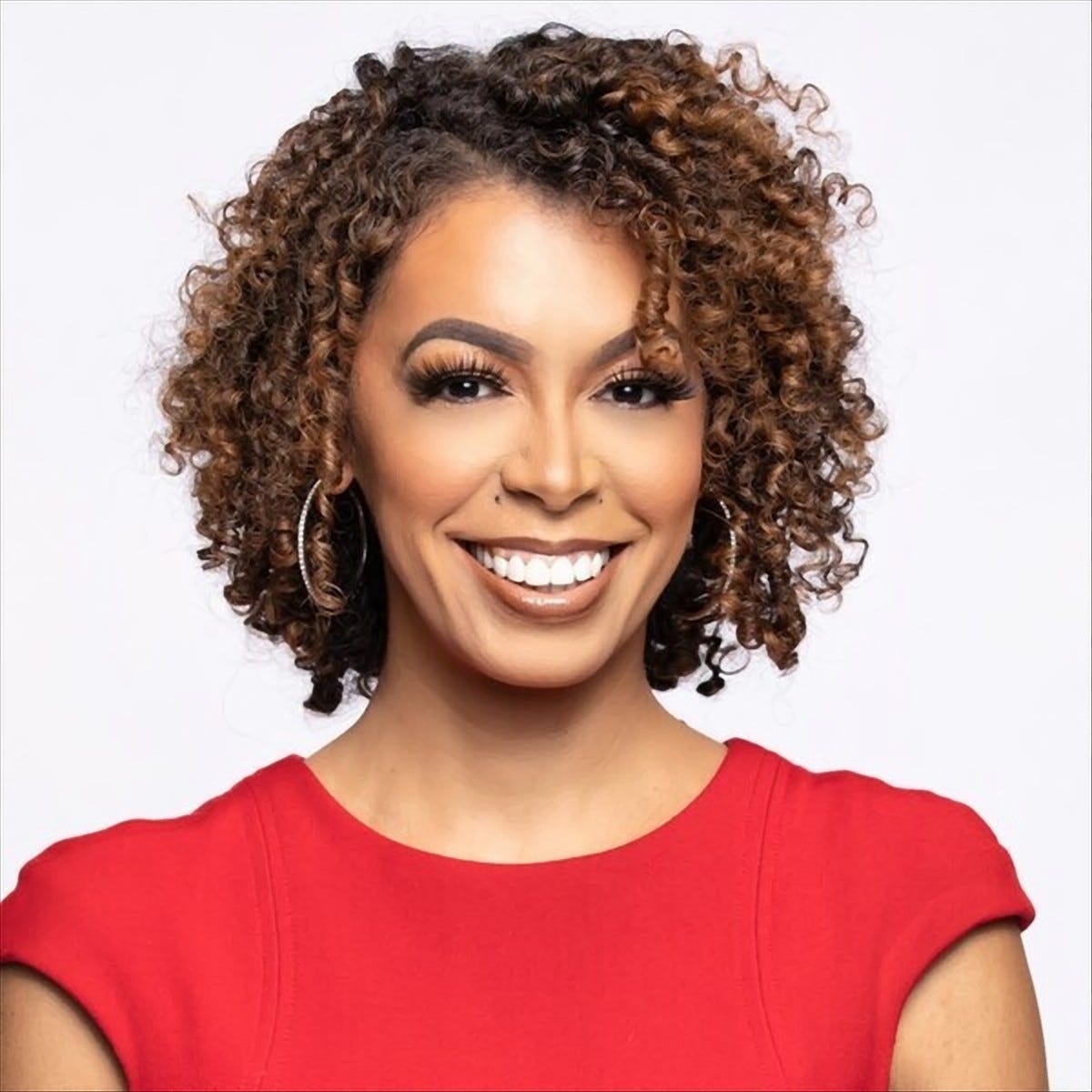
As a part of our interview series called “Women Of The C-Suite” , we had the pleasure of interviewing Krista Bourne.
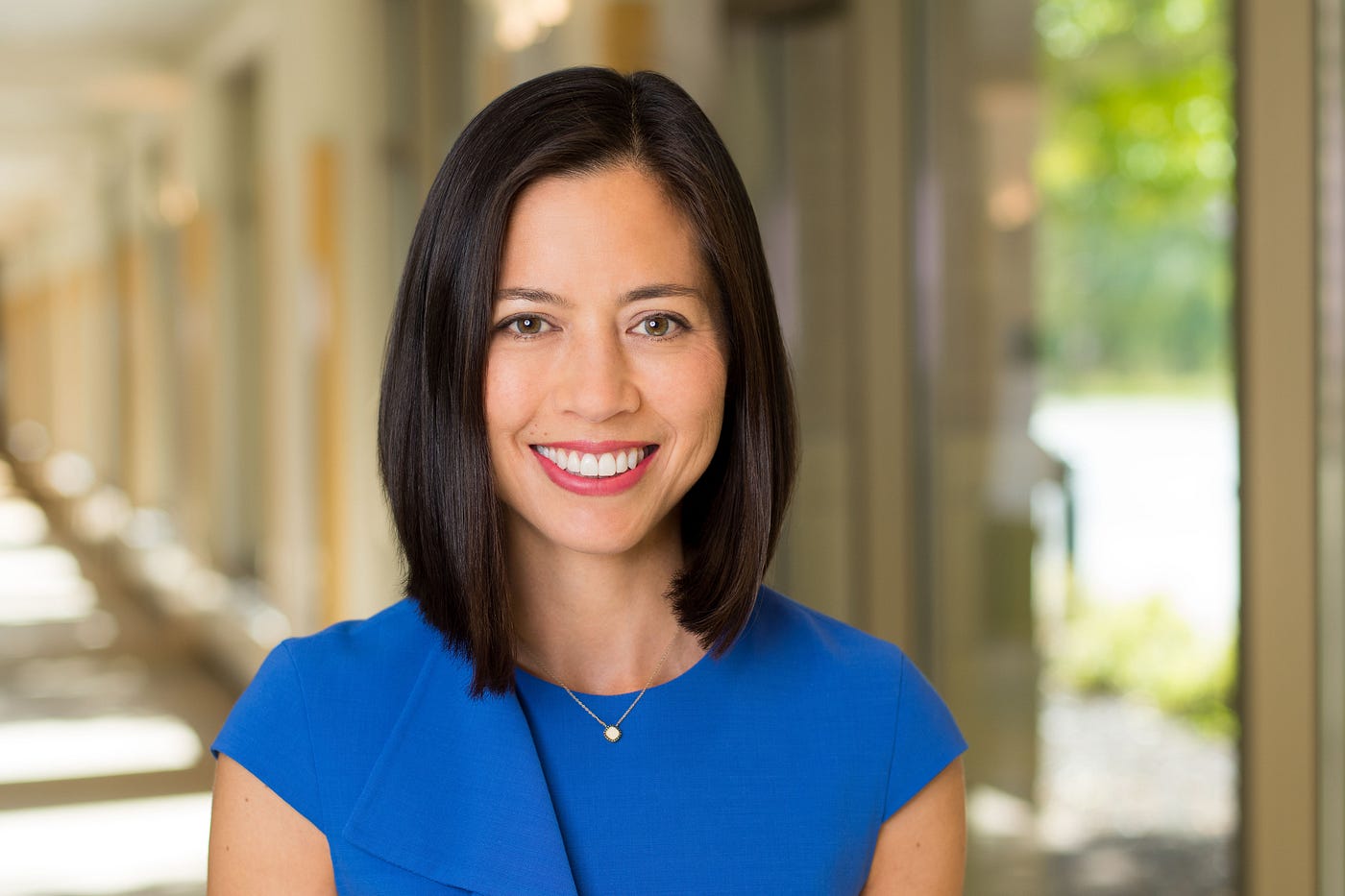
Krista Bourne is the Chief Operating Officer for Verizon Consumer Group. In this role, she is responsible for the deployment of a fully-integrated omni channel experience propelled by a keen focus on operational excellence. She leads a distributed team of passionate employees who serve more than 100 million customers and deliver more than $88 billion in annual revenue. A Rochester, NY native, Krista and her husband, Dudridge, are proud parents of one son, Daron, and one daughter, Jada.
Thank you so much for joining us in this interview series! Before we dig in, our readers would like to get to know you a bit more. Can you tell us a bit about your “backstory”? What led you to this particular career path?
My backstory is certainly unconventional. My first role started in the mailroom at one of Verizon’s legacy companies. Every day, I would read letters from customers who wanted us to be aware of a problem that needed to be solved. It was in the mailroom where I started to learn how the business operated. The same curiosity I had in providing solutions for the customers who wrote us letters has been a driving force for my career. From that role, I moved to the call center and worked my way up to director positions in customer service and in our retail stores. Those moves were distinct because they tend to have a very defined path and I had not been a frontline employee for neither customer service nor retail. Shifting from a customer service director to a retail director was unconventional as well, but I found that my skills were transferable. From retail, I took on regional leadership positions where I was responsible for all sales, marketing and finance. Today, I lead an organization responsible for hundreds of millions of customers across the country and my curiosity and desire to provide solutions to our customers remains. I love to envision what we can do together to make their experience better.
Can you share the most interesting story that happened to you since you began leading your company?
When I started my current role as COO, we were two years into the pandemic. Verizon was still very cautious about bringing people together. In past years, we would have big kickoff events across the country with hundreds of employees at each event, offering our leadership an opportunity to connect with all of our employees. Given the caution, we didn’t have these events and people still weren’t going into the office. Because my face-to-face interactions were so limited, I feel like I experienced a glimpse of what employees feel like when they start a new role in a remote capacity. Half of my organization have work from home roles so the experience was beneficial to my onboarding.
Can you share a story about the funniest mistake you made when you were first starting? Can you tell us what lesson you learned from that?
I wish I could say this example was funny, but it certainly was not at the time — however, it provided me with a big lesson that I hope others can use. In one of my early roles, I failed to recognize that people misunderstood me. It came to my attention that I was not as likable as I thought in my approach to my peers and direct reports. I thought it was working out very well. During an annual review, my Director provided feedback which took me time to understand and accept. I felt like a failure. I learned that if you want to lead people, you have to take responsibility and adapt your style to better suit the teams you lead and in a way that they want to receive it. Otherwise, you won’t get results; you’ll get a culture of compliance. I don’t want a culture of compliance. I want people committed so that when I do give the wrong directions or I take us down the path that does not yield what we want, I have the confidence that we’re in it together and they’ll speak up. I am grateful that my superiors early in my career questioned my approach and I’ve been able to grow.
None of us are able to achieve success without some help along the way. Is there a particular person who you are grateful towards who helped get you to where you are? Can you share a story about that?
It may sound cliche, but I am most grateful towards my family. My husband has been in my life since I was 18 years old. He keeps me focused on what we believe is possible and pushes me to achieve it — all while being my biggest supporter. We’ve taught our son and daughter to do the same. Early in my career, we decided that we would take advantage of every opportunity that came our way. However, we were more calculated when it came to opportunities that required relocation. It wasn’t until eight years into my career that we had our first move. My career escalated quickly once we became open to relocate. While that meant roles with increasing responsibility for me, my children experienced multiple school systems and my husband varying job opportunities. Although these have not been without sacrifice, we’re happy with our choices. I am thankful that we’ve been in it together from the very beginning. My success is their success.
As you know, the United States is facing a very important self-reckoning about race, diversity, equality and inclusion. This may be obvious to you, but it will be helpful to spell this out. Can you articulate to our readers a few reasons why it is so important for a business or organization to have a diverse executive team?
It is documented that companies that have diverse leadership perform better. This is because diverse leaders bring diverse perspectives that challenge the status quo. The most powerful competitive advantage is that we are all different. We come from different backgrounds, have different beliefs, and face different experiences that mold and shape who we are. It’s also imperative to point out that it’s not just a diverse executive team that matters. Verizon is on a journey to attract, hire and retain diverse talent aligned to the critical skills that will help us build the future. We know a diverse workforce makes us stronger, smarter and better prepared to serve our customers and keep our communities connected.
As a business leader, can you please share a few steps we must take to truly create an inclusive, representative, and equitable society? Kindly share a story or example for each.
In order to create an inclusive, representative and equitable society, we have to put in place resources to support the changes we seek. At Verizon, we have Employee Resource Groups that play an integral role in elevating a diverse chorus of voices and fostering inclusive practices across the company. We also offer learning pathways to address implicit and conscious bias, and strengthen consciously inclusive behaviors, allyship and belonging. We also have a curated Racial Justice and Equity Learning Plan.
Most of our readers — in fact, most people — think they have a pretty good idea of what a CEO or executive does. But in just a few words can you explain what an executive does that is different from the responsibilities of the other leaders?
As Chief Operating Officer, I am responsible for a tech-enabled workforce that facilitates sales distribution, omni operations and customer success inclusive of both customer experience and net promoter scores (NPS). The business is organized into functions and while each function has a leader, it is my responsibility to ensure that together we provide the personalized services that customers value.
What are the “myths” that you would like to dispel about being a CEO or executive. Can you explain what you mean?
The biggest myth is that you know it all. As an executive, your role is to inspire performance in teams that comprise many subject matter experts in their respective functions. My colleagues will tell you that I am not afraid to ask questions and ask even more until I feel like I’ve got it. My desire to learn helps me to not only have a more intimate knowledge of our business but also of the functions, which helps me better connect with the teams to positively influence how they view the value they bring to our organization.
In your opinion, what are the biggest challenges faced by women executives that aren’t typically faced by their male counterparts?
Women leaders often face biases from their male counterparts and sometimes even from other women. People often place us in a box and make assumptions about who we are that often have nothing to do with our current performance. We get critiqued about our appearance and questioned about our decisions. Unfortunately, often times by the time a woman has risen to the leadership ranks, she is accustomed to this part of the job.
What is the most striking difference between your actual job and how you thought the job would be?
I pride myself on being a learner and there is still so much for me to discover. There are systems, processes and people that I need to connect with all while the world is changing, which means that we have to adapt and evolve very quickly. It truly is on-the-job learning and I love it!
Is everyone cut out to be an executive? In your opinion, which specific traits increase the likelihood that a person will be a successful executive and what type of person should avoid aspiring to be an executive? Can you explain what you mean?
I believe that anyone can learn and shape who they want to be. I am evidence that your current circumstances do not have to be your future circumstances. However, getting to the executive ranks takes grit and a willingness to be uncomfortable, along with vision, strategy and planning to map out your career. Most importantly, you have to be a student of the business you wish to lead. A successful executive is a competent one.
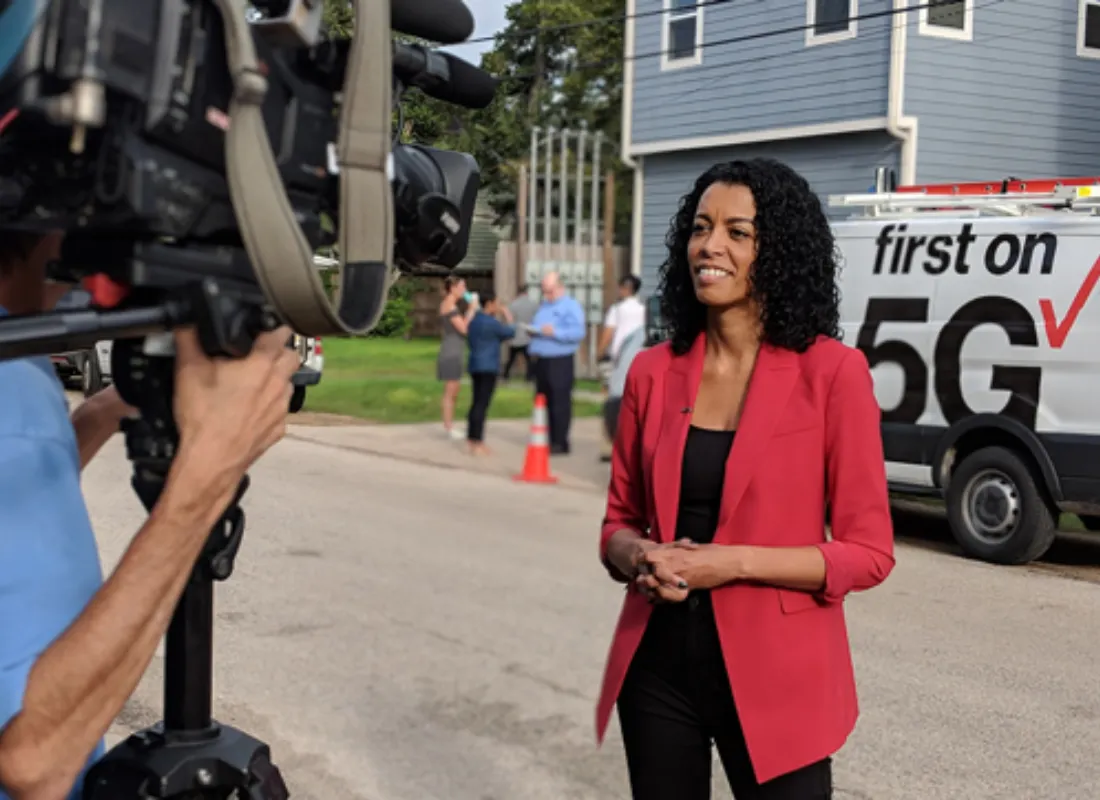
What are your “5 Things I Wish Someone Told Me Before I Started” and why? (Please share a story or example for each.)
Set your priorities or others will set them for you. — Determine what’s important to you and create boundaries that inform how you spend your time. This is crucial as you gain more responsibilities in both your personal and professional lives.
Commit to being a student — Be curious, ask questions and analyze information. You’ll never know everything but exposing yourself to new topics and expanding your knowledge base will always serve you well.
Be ok with being different — I didn’t fit the mold of what a leader looked like and I faced many obstacles along my journey. However, I became comfortable, learned how to make what made me different matter, and used being different to stand out.
Build solid relationships — You can learn and grow from everyone you encounter — mentors, mentees, supervisors, direct reports, peers etc. Don’t limit yourself.
Reflect on the journey — I recently connected with a group of V Teamers which included an employee I crossed paths with more than seven years ago. As we reminisced on the old days and I shared stories from throughout my career, it was a moment of reflection for me. It reminded me how important it is to reflect on the journey that brought me where I am today.
I work in the beauty tech industry, so I am very interested to hear your philosophy or perspective about beauty. In your role as a powerful woman and leader, how much of an emphasis do you place on your appearance? Do you see beauty as something that is superficial, or is it something that has inherent value for a leader in a public context? Can you explain what you mean?
Certainly my appearance is important. However, the message that I hope my appearance communicates is that you can show up as who you are, unapologetically. Sometimes I wear heels, sometimes I wear sneakers. I wear a variety of hairstyles — curly, straight, braids. But I am always professional. As a black woman, it’s important for others to see me for who I am and for other black women, and all women, to know that their individual style is welcomed.
You are a person of great influence. If you could inspire a movement that would bring the most amount of good for the greatest number of people, what would that be? You never know what your idea can trigger.
My team and I actually started a movement, #ACallForKindness. In Fall of 2020, there was so much going on and people were taking their frustrations out on each other. Our team saw the need to prioritize being kind so we launched the campaign both inside and outside of Verizon focused around simple acts of kindness. Since then, we’ve had many companies from different industries answer our call and thousands of individuals have taken the pledge. We’ve commissioned local artists to create kindness murals in more than 20 cities and have given back to charitable organizations with those communities. For more information and to take the pledge, visit Verizon.com/Kindness.
We are very blessed that some very prominent names in Business, VC funding, Sports, and Entertainment read this column. Is there a person in the world, or in the US with whom you would love to have a private breakfast or lunch with, and why? He or she might just see this if we tag them
I’d love to connect with Bozoma Saint John. She has had influential roles at very notable brands throughout her career. Her authenticity speaks to me. She appears to be committed to helping others find their voice, build a brand and simply embrace what makes them unique. I’d love to learn more about her decision making process, how she manages the political and social environments that come with corporate brands and what resources she recommends to newer executives.
MS
Written by
Ming S. Zhao
Editor & Journalist · Authority MagazineMing S. Zhao is a senior columnist at Authority Magazine covering Pop Culture and Business, conducting primary-source Q&A interviews with founders, executives, and industry leaders.

Published inAuthority MagazineTop Lessons, Top Authorities · 42K Followers
Exclusive, curated interviews with the leaders and changemakers shaping tomorrow. Leadership lessons, industry deep dives, and executive profiles.