My personal experience led me to medicine and ultimately to Medtronic. My parents were both first generation immigrants — my father, who was an engineer, came from Italy; and my mother, a librarian, came from China.
Business
Dr. Laura Mauri: The Patient-Centered Operational Focus That Drives Medtronic's Global Medtech Innovation
Dr. Laura Mauri of Medtronic shares how her transition from academic cardiology to corporate executive leadership transformed global medical technology, patient safety, and innovation strategies.
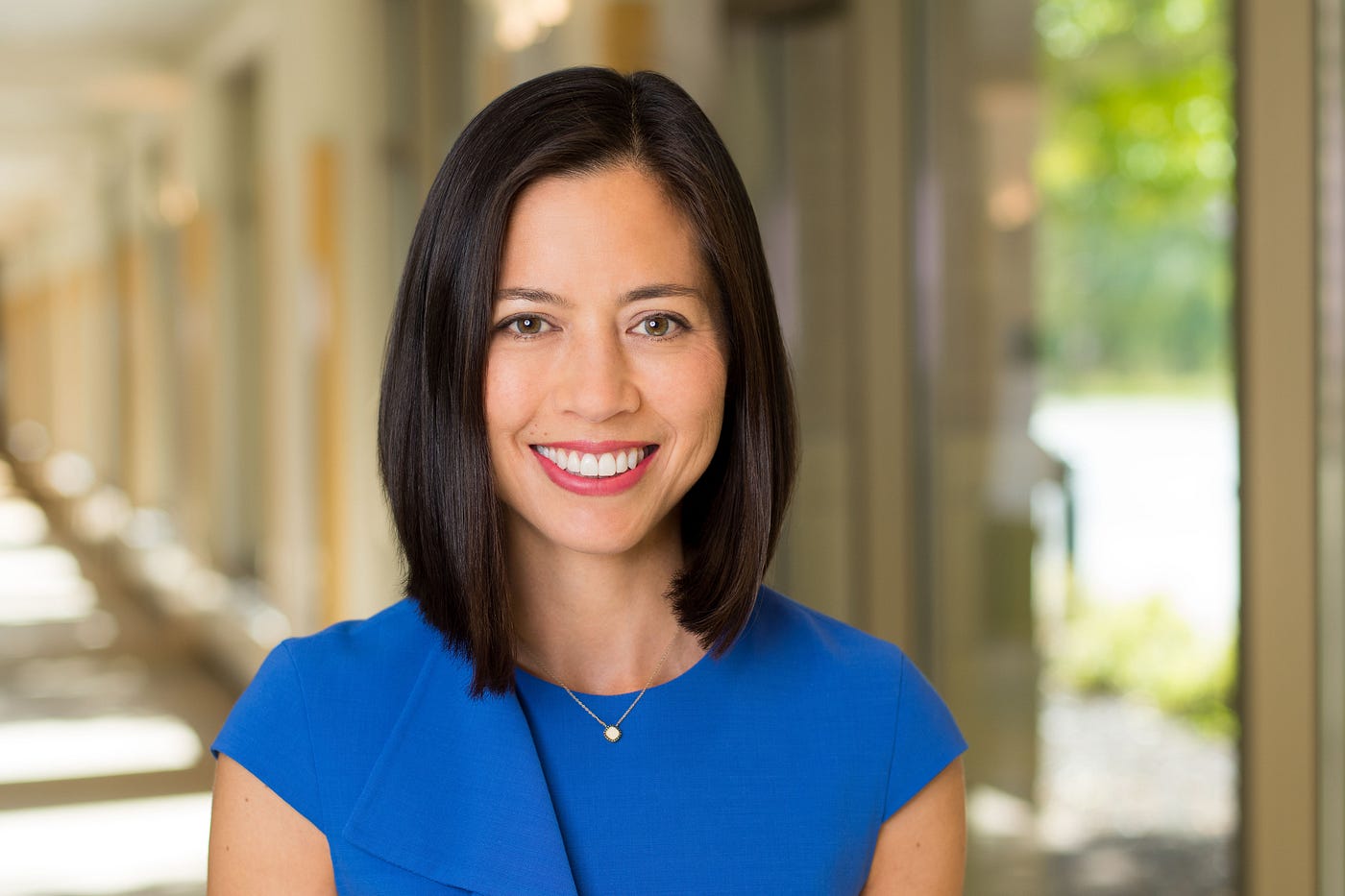
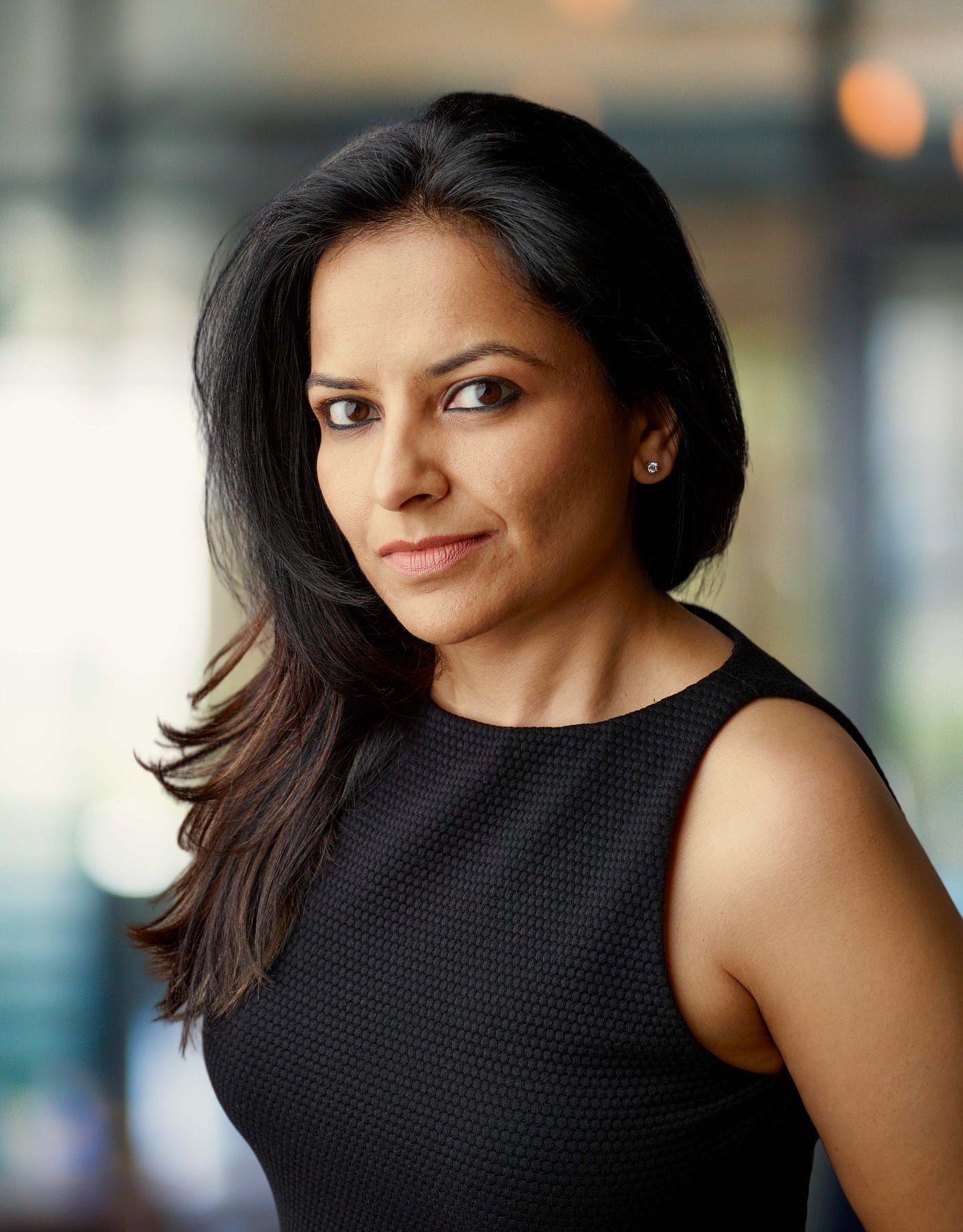
As a part of our interview series called “Women Of The C-Suite” , we had the pleasure of interviewing Dr. Laura Mauri.
Laura Mauri, M.D., M.Sc., is the Senior Vice President, Chief Scientific, Medical, and Regulatory Officer at Medtronic. In this role, Laura leads the global company’s scientific, medical, clinical research and regulatory affairs functions and is a member of the Medtronic Executive Committee. Her strategic responsibilities include driving the integration of medical and scientific intelligence to inform business decisions and delivering a transformative approach to patient safety and patient engagement.
Laura formally established an independent, enterprise-wide Medical Safety function in 2022 to further advance a patient-centered approach to healthcare technology innovation at every stage of the product lifecycle. In addition, she has led the effort to connect and align the chief medical officers across Medtronic’s businesses to create a community of medical experts collaborating to provide insights and input into strategic decision-making and technology investments. She sits on the company’s Capital Allocation Committee to ensure the company has a clear appraisal of the medical and scientific landscape when making investment decisions, helping deliver effective and reliable innovations for patients and healthcare providers.
Laura joined Medtronic in September of 2018, in the role of Vice President of Global Clinical Research and Analytics. Laura was the executive sponsor of the company’s efforts to bring together Medtronic’s global clinical research leaders across all product areas and led the company’s clinical trial response and mitigation plans for COVID-19. She has also been responsible for leading the development of novel analytical and data science solutions to provide global clinical evidence for Medtronic products.
Laura is an interventional cardiologist who practiced at the Brigham and Women’s Hospital for 15 years. As an internationally renowned investigator and Professor of Medicine at Harvard Medical School, Laura helped shape clinical evaluation of new medical technology, providing a greater understanding of the interactions between medical devices, clinical practice, and concurrent pharmaceutical therapy. An expert in trial design, strategy and data analysis, she led numerous clinical trials to evaluate novel medical devices and pharmaceuticals, and held an array of major leadership positions, serving as the Chief Scientific Advisor for the Harvard Clinical Research Institute.
Laura received her A.B. from Harvard College and her M.D. from Harvard Medical School, both magna cum laude, and her M.Sc. (Clinical Epidemiology) from Harvard School of Public Health. She completed residency in internal medicine and fellowships in cardiovascular disease and interventional cardiology at the Brigham and Women’s Hospital.
Laura serves on the Board of directors of Medical Device Innovation Consortium (MDIC) and is a member of the NIH Advisory Committee. She is a member of the American Society of Clinical Investigation, the Association of University Cardiologists, a Fellow of the American College of Cardiology, a Fellow of the American Heart Association and American College of Cardiology, and member of the Society of Cardiac Angiography and Intervention. She has authored approximately 200 original articles, served as a Senior Editor for the journal Circulation, and was awarded the Joseph A. Vita Award for Clinical Research by the American Heart Association in 2017.
Thank you so much for joining us in this interview series! Before we dig in, our readers would like to get to know you a bit more. Can you tell us a bit about your “backstory”? What led you to this particular career path?
My personal experience led me to medicine and ultimately to Medtronic. My parents were both first generation immigrants — my father, who was an engineer, came from Italy; and my mother, a librarian, came from China. I grew up traveling across multiple countries, so initially, I thought a lot about international work. But when I was in high school, my mother was diagnosed with lung cancer. Living through that with her led me to apply my interests to medicine. During medical school, I became interested in interventional cardiology and the development of new therapeutics that was progressing rapidly at that time. I eventually spent 15 years combining clinical practice in interventional cardiology with running research programs at Brigham and Women’s Hospital in Boston. In that work, I taught how to innovate in clinical trials and data analysis, ran a research institute, and worked with companies — consulting and running trial programs. We were always trying to identify solutions for medical needs, determine how to show the value of a new technology, and how to do that in the most efficient and impactful way.
Coming to Medtronic was special because of the ability to impact healthcare globally. In addition, the range of programs and deep expertise in bringing new technology was exciting.
Can you share the most interesting story that happened to you since you joined Medtronic?
About two years into my career at Medtronic, COVID presented itself and some of the most interesting things certainly did as well. Everything was so personal — especially during the beginning of the crisis. It was so meaningful for people to find specific ways that they could contribute — as individuals, through the organization, and in collaboration with other organizations. We had doctors, nurses, and technicians volunteering to return from Medtronic to the front line of the hospital setting, and we had our engineers and operations leaders collaborating with non-medical companies like Tesla to provide some of the key hi-tech parts for our ventilators which were needed throughout the world. As other companies did, we needed to quickly shift much of our work to remote. Not only just within the company, but also by changing the way our clinical trials and even some of our products worked — like allowing ventilators or pacemakers to be managed remotely without having to have the physical presence of a physician or health care provider — to reduce the burden and the exposure risk. All of this broke down barriers to our usual routines. It was a real example of “necessity is the mother of invention.” Even now, we think about how do we maintain that drive for collaboration and innovation that was so important during the height of the crisis.
Can you share a “lessons learned” story from when you first started?
When I first joined Medtronic four years ago, I had never worked in a corporation before. Medtronic did an excellent job setting me up with a very tailored onboarding plan. They connected me with a peer mentor who also happened to be a physician and was now an established business leader, so he was able to provide a distinct perspective and we had a shared background. In one of our first meetings, he asked me if I had set my “operating mechanisms” yet, and I had no idea what that meant! It reflected how much learning I had to do when I changed environments from the hospital setting to a corporate setting. Even the language was very different. It’s one of the things I enjoy most about my work — the constant learning.
None of us are able to achieve success without some help along the way. Is there a particular person who you are grateful towards who helped get you to where you are? Can you share a story about that?
One of the people I’m grateful to is another physician leader who also became a leader in the healthcare industry, Dr. Donald Baim. He was ahead of his time and trained generations of leaders to find their unique strengths to focus them — by pulling together an understanding of human biology with technology and simplifying it to general principles. He could take a complex procedure or device and distill it to a few key elements for success which improved both the way that procedures in this rapidly evolving field were done as well as how devices were developed. He used this approach both in taking care of patients when we worked together doing heart procedures, and when he led roles in industry to identify and develop new products. On top of that, he was just a lot of fun to work with because of his dry sense of humor.
As you know, the United States is facing a very important self-reckoning about race, diversity, equality and inclusion. This may be obvious to you, but it will be helpful to spell this out. Can you articulate to our readers a few reasons why it is so important for a business or organization to have a diverse executive team?
For any organization to be successful, we need every talented individual to be able to bring their full selves to work. Without that, we can’t realize their full input to the creative and challenging work that we do. In the case of Medtronic, we are working to improve health and wellbeing and provide access to better treatments every day. None of this is simple, and the patients that we want to reach are diverse themselves. We need people who will ask difficult questions and bring their unique experiences from their communities to the table. So, we need an inclusive organization to both allow individual and organizational success.
Ok, thank you for that. Let’s now jump to the primary focus of our interview. Most of our readers — in fact, most people — think they have a pretty good idea of what an executive does. But in just a few words can you explain what an executive (e.g. ExCom leader) does that is different from the responsibilities of the other leaders?
As an executive, you must remind yourself that your role is not confined to just your role. You need to always be learning about the totality of the company. You have your expertise, which is your grounding — but you must constantly be recognizing opportunities throughout the company and bring those forward with your personal perspective, even if you’re the only person in the room with that observation. It’s important to be able to call upon your own voice to express your unique observations, because this diversity of perspective is so important. It’s also important to not consider the current state and status quo as confining — but instead, always have the mentality of “how do we make this better and how do we understand and maximize our impact?”
What are the “myths” that you would like to dispel about being an executive. Can you explain what you mean?
The biggest myth I’ve recognized is that executives can make good decisions without the rest of the organization. It’s important that people know how dependent we are on hearing candid information and ideas from the entire organization. We need ideas from the entire organization — and that’s why inclusion is so important. Ideas don’t just come from the top.
What is the most striking difference between your actual role and how you thought the role would be?
I would say the most important thing that I’ve learned in my role is how important and valued communication is — communication and people. On one hand, you get hired because of your expertise and experience. But you can’t unlock the value of that without communication and relationships, especially in a corporate setting. The reason I ultimately made the change to move on from being a practicing physician was because I wanted to have a broader impact on society and global healthcare overall — and it’s through relationships, understanding and communicating with people that we have that impact.
You are a person of great influence. If you could inspire a movement that would bring the most amount of good for the greatest number of people, what would that be? You never know what your idea can trigger.
Listening, really listening. That includes teaching people how to listen to each other. Sometimes we ask questions, and we already know the answer that we want to hear. Other times we ask questions and people give us the answers that they think we want to hear. It’s a real skill to create the space or ask the second question for people to really be able to reflect and take the time to give a more complete and reflective answer. This is true for personal and professional communications. We often rush conversations, so we don’t necessarily gain any knowledge from the interaction or truly understand people better. But if we gave more time to listening, we would be better informed, more effective, and perhaps more satisfied.
Thank you for these fantastic insights. We greatly appreciate the time you spent on this.
MS
Written by
Ming S. Zhao
Editor & Journalist · Authority MagazineMing S. Zhao is a senior columnist at Authority Magazine covering Pop Culture and Business, conducting primary-source Q&A interviews with founders, executives, and industry leaders.

Published inAuthority MagazineTop Lessons, Top Authorities · 42K Followers
Exclusive, curated interviews with the leaders and changemakers shaping tomorrow. Leadership lessons, industry deep dives, and executive profiles.