The most interesting story really that has happened since starting my career is working in New Orleans during Hurricane Katrina. That time is so much like our recent experience of COVID-19 and the shutdown of society.
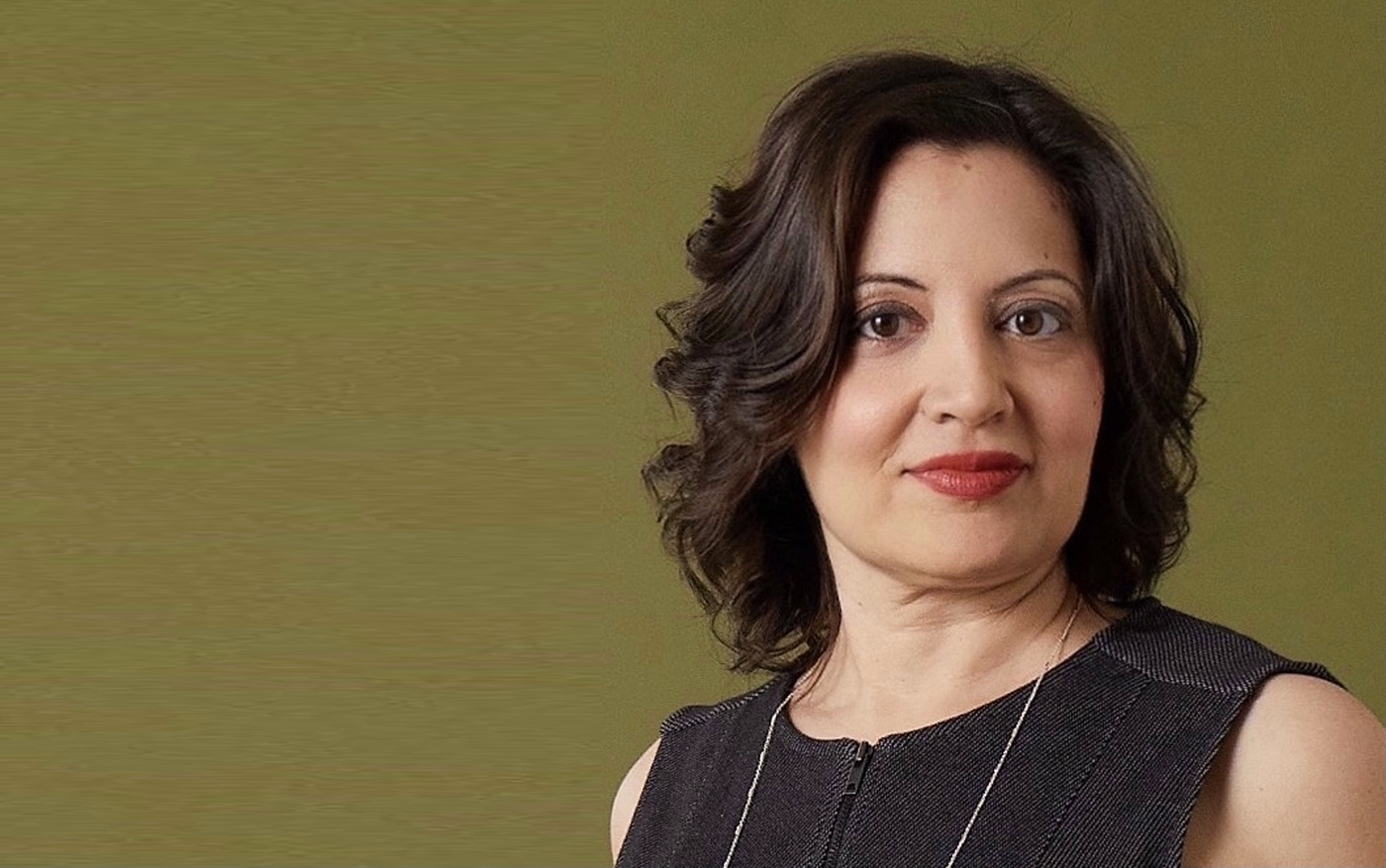
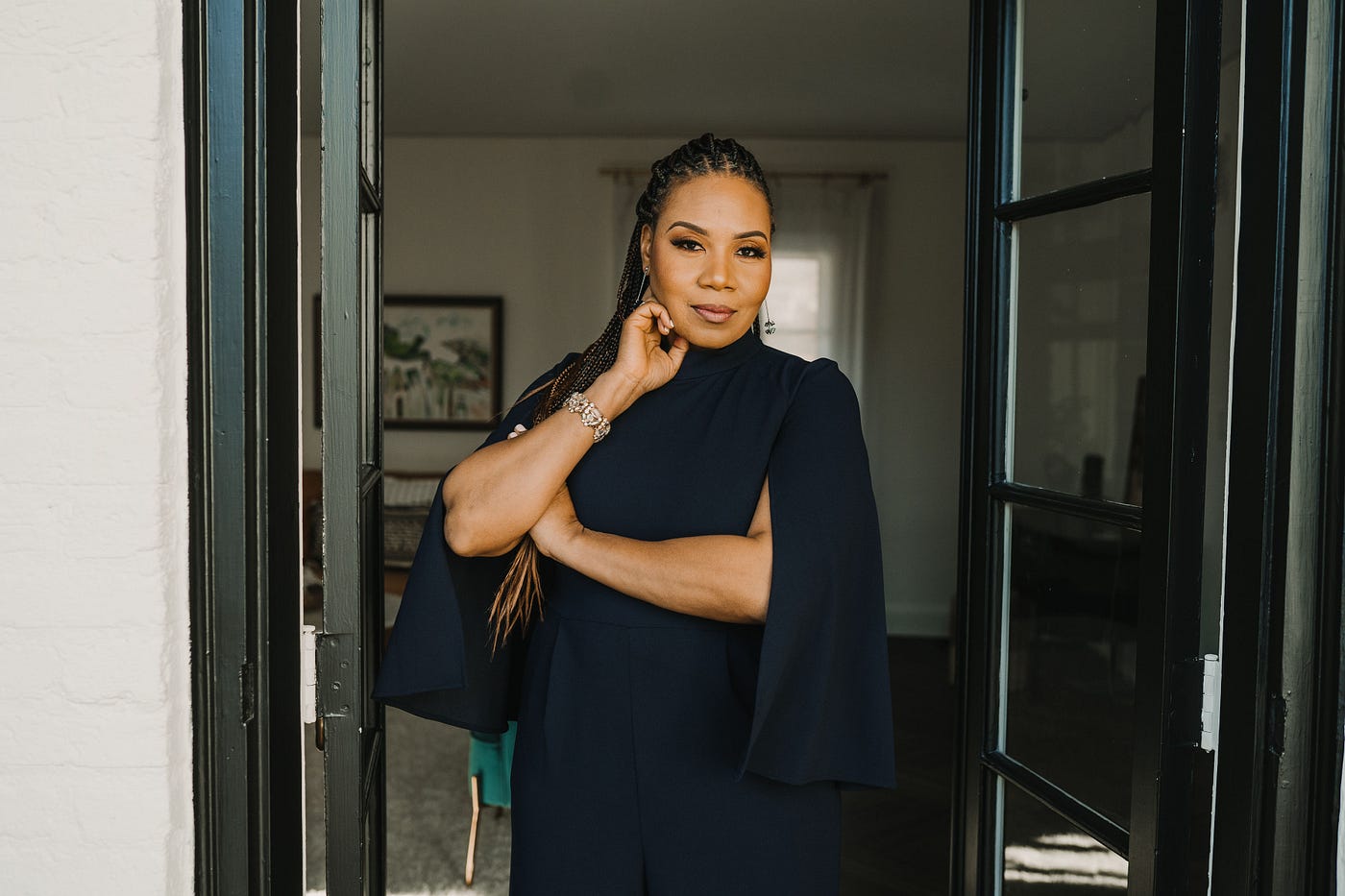
Dr. Kendra is a practicing anesthesiologist in the DMV. She grew up in Houston, Texas and is a proud graduate of the High School for Health Professions. After getting her degree in Mathematics at Agnes Scott College followed by a Masters in Public Health from Emory University she went to medical school at The University Health Science Center San Antonio, c/o 1999, where she earned the Dean’s Award for outstanding service and commitment to the University. She went on to complete a residency in Family Medicine at the University of Texas Medical Branch (UTMB) and then received her specialty training in anesthesia from the John H. Stroger Hospital of Cook County. Today she works as part of the Wounded Warrior Initiative at Walter Reed National Medical Center in Bethesda, Maryland. She feels that taking care of our military service members and their families is both an honor and a privilege.
Can you tell us a bit about your childhood “backstory”?
My early childhood was in rural Georgia, where I was the only girl child as my grandmother had nine sons, which included my father. Until the age of 10, I grew up playing more football and racing with my brother and uncles than playing with dolls. We moved to Houston, Texas when I turned 10 and the sounds of cars and sirens took time to get used to. I am grateful to have these two very different childhoods. There are little girls in small town America dreaming bigger dreams for themselves.
Can you tell us the story about what led you to this particular career path?
Moving to Houston opened up a larger educational opportunity for me. I loved school. When it came time for high school, I wanted to go to the best school in the Houston Independent School District. I wanted to go to the High School for Health Professions. The school fostered my desire to become a physician. During my time there, we worked as volunteers in the hospitals in the medical center. I prided myself on making a five-minute hospital bed and drawing blood. In college, I worked at a major trauma hospital as a medical records clerk and I would ask the medical students all about school and what I needed to do. I knew when I finished college that I was going to medical school and I wanted to be a physician. What kind? I will be honest and say I did not know exactly. But with lots of reflection on what I needed to feel fulfilled at the end of the day, I chose Anesthesiology. The creation of Uzima Health and Wellness is my independent project from my years in public health.
Can you share the most interesting story that happened to you since you began your career?
The most interesting story really that has happened since starting my career is working in New Orleans during Hurricane Katrina. That time is so much like our recent experience of COVID-19 and the shutdown of society. With the blink of an eye, the wind swooped in and water was running through the streets and we, as doctors, had to figure out how to not only keep ourselves safe but think about family. Practicing medicine during two natural disasters has given me many thoughts how frail our public health infrastructure is. This really fuels my conversations for Uzima. I have lived and seen people walking on the highway looking for food and shelter. I also remember putting someone to sleep during the pandemic and remember feeling like the two masks on my face was not enough protection. I was again on the front line. The concept of being a doctor and afraid seems like an oxymoron. If nothing else, it is an interesting story.
You are a successful business leader. Which three character traits do you think were most instrumental to your success? Can you please share a story or example for each?
Good interpersonal skills: You have to be able to connect with others around you. Business requires networking and talking finding people with synergy.
Good communication skills: Learning to be very clear on what you want and your needs
Vision for what I want: Being able to visualize in your head what your vision is for your time, efforts and business/brand
The premise of this series assumes that our society still feels uncomfortable with strong women. Why do you think this is so?
It’s simple, men and in particular Anglo-men have the loudest voice in the room. We are a paternalistic society. Maybe that will change when we elect our first woman president.
Without saying any names, can you share a story from your own experience that illustrates this idea?
In medicine, women physicians experience this in our career paths all the time. More often than not, a male colleague will not recognize me as a fellow physician, even though I have a badge on that says I am Doctor Outler. One night, I watched a surgeon walk past me without saying anything, then go to the nursing leadership and say he could not find this Dr. Outler and he had a case to do. When I got the call to say I could not be located, I said send him back to the area where he left me. I turned and said, are you looking for me? Needless to say, he had a million reasons why he walked past me and then claimed that I had vanished from the hospital. Whether it was because I was a woman or a Black woman, the common word is woman in a powerful role equal to his.
What should a powerful woman do in a context where she feels that people are uneasy around her?
We have to know how to weld our power. It is true that displaying our power will always be measured differently and interpreted differently.
What do we need to do as a society to change the unease around powerful women?
I think when we have a woman president, will we see this change. At least that is my hope.
In your opinion, what are the biggest challenges faced by women leaders that aren’t typically faced by their male counterparts?
We will always be at the forefront of being our families caregiver/support system. Men can be caring and nurturing but there is an internal struggle for women leaders to be there for their children, their husbands/partners and friends as well as being successful. When I think of the bond that Hilary Clinton has with Chelsea, I am sure she had to navigate her role differently from former President Bill Clinton.
Was it difficult to fit your personal and family life into your business and career? For the benefit of our readers, can you articulate precisely what the struggle was?
It is always a struggle to fit your personal life into achieving your full potential in your career. For myself as a single woman, people may think it is easier but as I mentor your medical students and residents, I remind them to make time to craft out something that is not in medicine to do. Make time to connect with friends. Give yourself permission to recharge with a lunch or long walk with yourself. Set new personal goals for yourself.
What was a tipping point that helped you achieve a greater balance or greater equilibrium between your work life and personal life? What did you do to reach this equilibrium?
I would not call these tipping points, but the loss of one of my siblings in recent years gave me a new perspective on life and work.
I am very interested to hear your philosophy or perspective about beauty. In your role as a powerful woman and leader, how much of an emphasis do you place on your appearance? Do you see beauty as something that is superficial, or is it something that has inherent value for a leader in a public context? Can you explain what you mean?
First, you are beautiful when you think that you are. The one who can project that energy in her face and eyes will be viewed as beautiful. My face is rounder and I did not have the standard of beauty features so it took me a long time to appreciate the face looking back at me in the mirror. That being said, I entered the Miss Black Houston and to everyone’s surprise, I made top 10. I was shocked that night. But from then on, I really learned to pay attention to my appearance. I do believe that my body is my temple, so I do work out and watch my weight, so this is not a superficial thing. There is value in presenting yourself as confident and attractive. We are a visual society and social media is driving that even more so. I do place an emphasis on my appearance as a professional and being a thought leader it adds value to me. And it also makes me feel good!
How is this similar or different for men?
I am going to sum this up by saying, that a well-dressed man is always pleasing to the eye. I will say that one of the key things about watching former President Obama even before he became President was watching his style evolve.
Based on your opinion and experience, what are the “Five Things You Need To Thrive and Succeed as a Powerful Woman?”
Vision: No matter where your start your journey to “Becoming”, as Mrs. Obama titled her book, you need to have a vision for what success looks like for yourself. As the twist and turns of life come up, you can get back to the vision of what you wanted
Mentorship: I have had some of the most awesome mentors. Women who keep a stiff foot up my you know what when I complained or seemed weak. They also gave me a space to feel listened to and loved.
Sense of Humor: On the path, you can beat yourself up or you can laugh at the mistakes and keep moving onward and upward. I was always called serious. I love when I can make people laugh.
Tears: I remember at a low point one of my mentors asking me, “Have you cried about this?” I replied, “I don’t have time to cry.” Well, sometimes we forget that it is okay to be emotional. But on the other hand, she warned, never let them see you cry.
You: I know, this does not make sense. Part of being a leader and successful requires giving up so much of your time. Being a brand requires a persona but is that you? Stay authentically you.
We are very blessed that some very prominent names in Business, VC funding, Sports, and Entertainment read this column. Is there a person in the world, or in the US with whom you would love to have a private breakfast or lunch with, and why? He or she might just see this if we tag them.
I have always wanted to have lunch with Tina Knowles. She was one of the creators of the Miss Black Houston Pageant. I did not have the money to do the pageant and she and the committee sponsored a girl’s entry fee so that I could do this. It boosted my confidence so much in my senior year. I am not sure if people at the event know this about Tina Knowles, but she touched the lives of myself and many other young Black women. She was a Houston hairstylist that had a vision for herself and her family. I have always wanted to thank her.