When we are able to put our own suffering to the side to support another, I believe it is here that we heal.
Social Impact
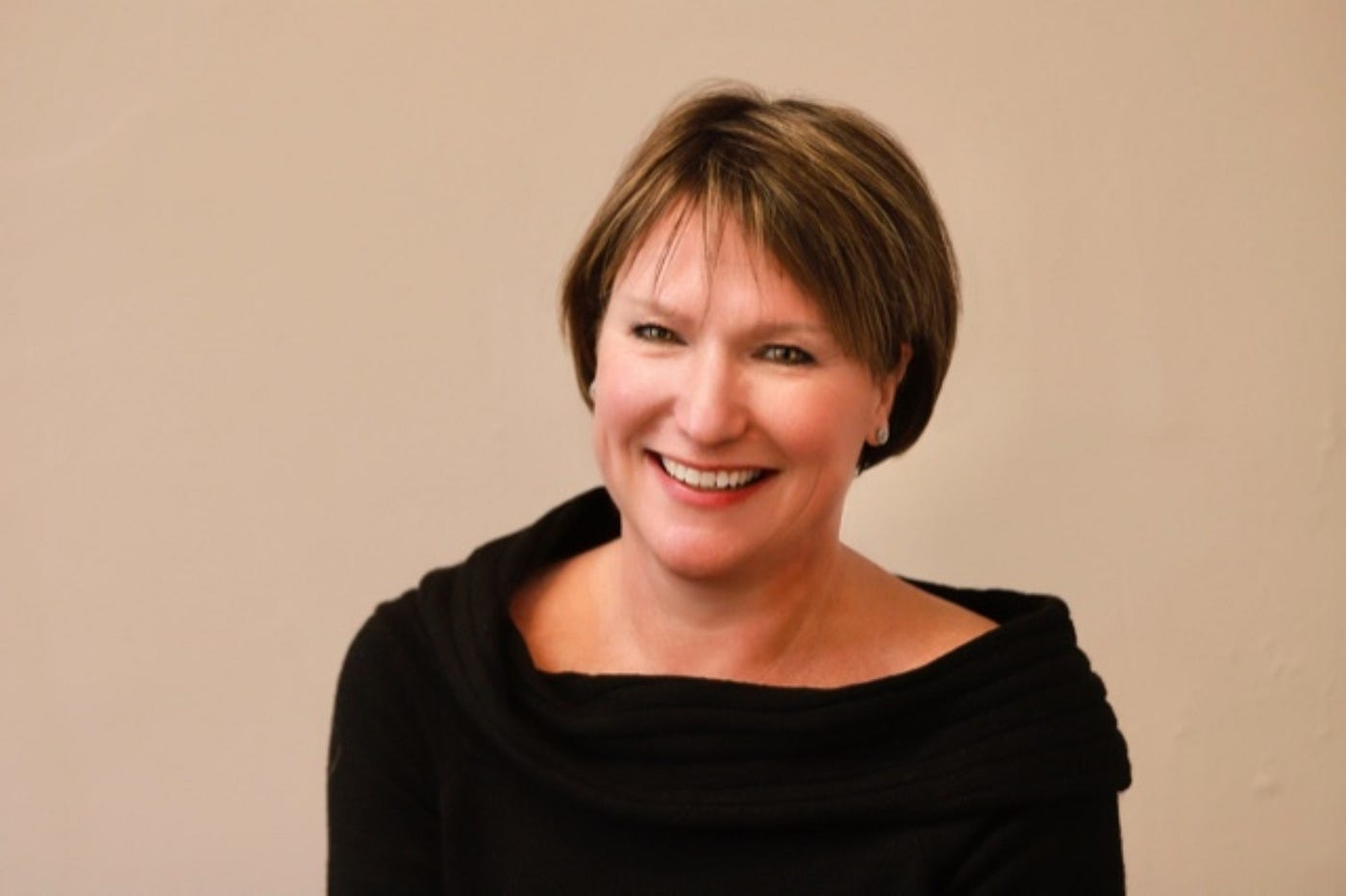
Jennifer Hubbard of the Catherine Violet Hubbard Foundation a: True Healing Requires Shifting Focus From Uncontrollable Grief to Passion and Purpose
The world seems to be reeling from one crisis to another. We’ve experienced a global pandemic, economic uncertainty, political and social turmoil. Then there are personal traumas that people are dealing with, such as the loss of a loved one, health issues, unemployment, divorce or the loss of a job.
Coping with change can be traumatic as it often affects every part of our lives.
How do you deal with loss or change in your life? What coping strategies can you use? Do you ignore them and just push through, or do you use specific techniques?
In this series called “5 Things You Need To Heal After a Dramatic Loss Or Life Change” we are interviewing successful people who were able to heal after a difficult life change such as the loss of a loved one, loss of a job, or other personal hardships. We are also talking to Wellness experts, Therapists, and Mental Health Professionals who can share lessons from their experience and research.
As a part of this interview series, I had the pleasure of interviewing Jennifer Hubbard.
Jennifer Hubbard is the executive director of the Catherine Violet Hubbard Foundation and Animal Sanctuary, a Connecticut-based nonprofit organization working to promote compassion and healing through human animal connection. The foundation was founded in 2013 to commemorate and honor the life of Jenny’s daughter Catherine Violet Hubbard, a six-year-old victim of the Sandy Hook Elementary School tragedy and passionate animal lover who dreamt of someday working with and caring for them. Under Jenny’s leadership, CVH received a state conveyance of 34 acres of pristine farmland for the sanctuary’s use, raised nearly $7 million in funding from over 12,000 donors and garnered the attention and support of nationally recognized organizations including the ASPCA, Cornell University of Veterinary Medicine and the Jane Goodall Foundation.
Thank you so much for doing this with us! Before we start, our readers would love to “get to know you” a bit better. Can you tell us a bit about your childhood backstory?
I grew up as the youngest of four — all of us were born two years apart. Being the youngest, I always went with the flow — the eternal optimist; my grandfather called me his “merry sunshine.” I was born in New England and then lived in Puerto Rico for two years when I was my daughter Catherine’s age (1st-2nd grades). I then spent most of my childhood in Chapel Hill, North Carolina, before moving to Long Island to finish high school. The move to Long Island was challenging because I had to leave my friends behind and experienced a complete shift in cultural norms. After finishing my junior year of college, I began an internship in Richmond, Virginia. That summer, I packed up my car and headed to Virginia to live in a rented room in the home of a family I had only met over the phone. All of the moves I experienced growing up opened my eyes in different ways to the diversity of the world and the importance of acceptance. It was hard and often lonely to be the new kid, but through this identity, I learned the value of friendship and acceptance.
Can you please give us your favorite “Life Lesson Quote”? Can you share how that was relevant to you in your life?
My favorite life lesson quote is: “You gain strength, courage and confidence by every experience in which you really stop to look fear in the face. You are able to say to yourself, ‘I have lived through this horror. I can take the next thing that comes along.’ You must do the thing you think you cannot do.” — Eleanor Roosevelt.
This was my college yearbook quote — at the time, it resonated with me because I was graduating college to start a job in Maryland. I was just starting out in my career, had no family in Maryland and was living by myself in my first apartment, and I was scared I would fail miserably. Up to this point, even though I’d had major disruptions in my life, they were all “safe.” For example, each time I moved, I had a built-in friend network with my siblings. In 2021, I was honored with the Alumni Achievement Award from my alma mater, Randolph Macon Woman’s College in Lynchburg, Virginia, where I was reminded of my yearbook quote. It felt as though my twenty-something self was sharing wisdom with my current self — that I must do all the things I am convinced that I cannot do, the things that terrify me and the things that I am sure will crush me. In those moments, when I am convinced I cannot do something, I push myself forward and trust that what lies ahead is full of grace and beauty that will evolve my beliefs and help me move towards a new season.
You have been blessed with much success. In your opinion, what are the top three qualities that you possess that have helped you accomplish so much? If you can, please share a story or example for each.
- Determination. It would be easy to give up — because Catherine died in such a public and tragic manner, it was almost expected. After people have been through a traumatic experience, they are often expected to stay down, to curl up in a ball. While this response should absolutely be validated, we must also encourage these individuals to get back up and live their lives, whatever that might look like at the time. After Sandy Hook, I would push myself to get out of bed, to be involved in my son’s life in the same way that I had before Catherine died and to honor the traditions that were as much his as Catherine’s. It was a constant struggle deciding whether to put up the Christmas tree, whether to attempt a birthday celebration on the day Catherine was born, or how to mark the anniversary of the day everything changed. What got me through was my determination that my son would not look back on his life and think my love for him was any less than my love for Catherine.
- Compassion. I believe the world is kind and gentle, and I trust in the goodness of humanity. I have been so blessed in so many ways because I have always been surrounded by people who have given so much. I often wondered how people can be so generous and willing to step into someone else’s hurt and grief — had Catherine not died, I wonder if I would place such a high value on compassion. When we are able to put our own suffering to the side to support another, I believe it is here that we heal.
- Reflective. I have learned to embrace the quiet and stillness. There is so much noise in today’s world which we only amplify by plugging in and listening to the latest podcasts and shows so that we can be more efficient, more knowledgeable and more. When I am rushed and life is busy, I feel off balance. To slow things down, I start my day before dawn, pray, journal and consider what is happening in my life — the things that I am stressed about, the things for which I am grateful. I read and I contemplate what I am reading, and I pause to notice nature and associate it with the rhythms of my life.
Let’s now shift to the main part of our discussion about ‘Healing after Loss’. Do you feel comfortable sharing with our readers about your dramatic loss or life change?
My dramatic life change was my daughter Catherine’s death in the Sandy Hook Shooting when she was six years old. Frederick (we call him Freddy), Catherine’s brother, was in third grade at the time and was in the school during the shooting. He was also with me at the firehouse when I learned Catherine was killed. Catherine’s dad, my then husband, was overseas on business at the time, so I had to navigate explaining to Freddy what had happened largely on my own, while reeling from the news that Catherine had been killed.
What was the scariest part of that event? What did you think was the worst thing that could happen to you?
The scariest part of the event was when the Governor gathered all the families of the victims at the firehouse to announce that if we were among those sitting in the room, we had lost a loved one in the shooting. I had known in my heart that Catherine was gone; I had heard the whispers and saw the faces of the first responders. But hearing it said out loud and having to tell my son that his sister was gone made it real. The worst thing any parent can imagine happening is losing a child — for me, that worst thing that could happen, did happen.
How did you react in the short term?
I grasped for normalcy. I planned the funeral because that is what you are supposed to do. I wrote thank you letters because that is what you are supposed to do. I packed my son’s lunch box every day and as best I could I tried to keep the same routine. I thought that if I could return things to how they had been before Sandy Hook, maybe I could hold onto Catherine.
After the dust settled, what coping mechanisms did you use?
Prayer. Part of my routine before Catherine died was to pray after the kids had left for school. Those few minutes of praying turned into a few hours of contemplation. I would sit at my kitchen table and read and journal. Many days, I would just watch the seasons unfold outside my window. It was here that I started to breathe again.
Surrender. It was in this period that I began to be honest with myself and accept myself for who I am and what I believe in. When you sit with yourself long enough and allow your mind to be still, you begin to see yourself more authentically.
Hope. The kindness of the people who supported the initial vision for the sanctuary returned my sense of hope. From Jane Goodall to the ASPCA and the Cornell University College of Veterinary Science honoring Catherine to the state of Connecticut conveying 34 acres of land for the sanctuary, the humanity I discovered in people showing up for the simple vision I had to honor Catherine gave me hope.
Can you share with us how you were eventually able to heal and “let go” of the negative aspects of that event?
A critical part of my healing journey was focusing on creating the Catherine Violet Hubbard Foundation and Animal Sanctuary. I learned that by honoring Catherine’s life through the sanctuary, I could celebrate her true essence in the work that we are doing. Every day I see her spirit grow and the impact she has on the world and the creatures she loved. It has been so comforting to me being able to share a space of safety and kindness for people seeking healing or to reconnect with nature.
I also separated myself from the conversations and legislative debate around gun control — conversations that are incredibly important, but which only made it harder for me to begin to move forward. I knew that nothing would change the outcome of my reality — Catherine is gone.
In my own grief journey, I found writing to be cathartic. Did you engage in any writing during that time, such as journaling, poetry, or writing letters? If yes, we’d love to hear about any stories or examples.
Yes, I started blogging. I needed an outlet to capture the flood of memories and to assure myself that I was still alive. The first blog I wrote was about robins. When I read it now, I can see that I was assuring myself that I was alive and that a new season was emerging. When I write, I am struck by something I see or experience. Words swirl in my head for a few weeks until I can think of nothing else. I remember putting Freddy on the bus, coming home and sitting at the kitchen counter, writing down the words for the “Robins” blog and sobbing. The act of crying in the way I did that day was powerful, it was a complete release. Even now, I still cry when I write — it is a release that leaves me exhausted but also fulfilled. In addition to blogging, I also wrote a book, Finding Sanctuary, about the unexpected and simple ways I found healing.
Aside from letting go, what did you do to create an internal, emotional shift to feel better?
I was authentic with myself and the people around me. I made amends and started being honest with my feelings and my wants. Instead of trying to keep everyone happy, I prioritized my own state of heart. This internal shift strained my family relationships and friendships — Catherine’s dad and I ended up divorcing. Although learning to be honest about my wants and needs was often painful, the relationships and experiences I have now are ultimately richer and more fulfilling.
Is there a particular person who you are grateful towards who helped get you to cope and heal? Can you share a story about that?
I am especially grateful to my mentor, who I worked for before I had children. We reconnected at Catherine’s funeral. I later learned that he was battling a severe illness. His steadfast encouragement has helped me continue realizing the Catherine Violet Hubbard Animal Sanctuary.
I am also exceedingly grateful for one of my close friends who has always looked at me for me instead of pitying and tiptoeing around me because of what I have been through. It is through her friendship I have learned the importance of vulnerability and authenticity. She once asked me, “What do you really want?” It was a moment when I could have given her a stock answer and said what I thought she wanted to hear, but because of a relationship built on trust and authenticity, I answered with an answer I had never said aloud: “To be loved.”
Were you able to eventually reframe the consequences and turn it into a positive situation? Can you explain how you did that?
Catherine’s death was just a few minutes of her six years on earth. I chose to not focus on the last moments of her life and instead, honor what she loved during her life. I created the Catherine Violet Hubbard Foundation and Animal Sanctuary to honor Catherine’s commitment to the animals she loved. Our work at the sanctuary promotes compassion and healing through human-animal connection.
What did you learn about yourself from this very difficult experience? Can you please explain with a story or example?
I learned to have authenticity with myself and others. No one will ever grieve in the way that I grieve because no one else had the relationship I had with Catherine. This is how it is with all relationships and experiences because we are all unique. When we can honor the people around us for who they are, not what we expect them to be, we can create a more compassionate society.
Fantastic. Here is the main question of our interview. Based on your experiences and knowledge, what advice would you give others to help them get through a difficult life challenge? What are your “5 Things You Need To Heal After a Dramatic Loss Or Life Change? Please share a story or example for each.
Keep moving forward, whether it’s packing a lunch box or taking time to journal. Too often we minimize the small steps because we think we should be doing something bigger or bolder to honor the one we grieve. What we fail to realize is that each step we take propels us into a new normal. Small steps are important — packing my son’s lunch box was important. It was the January after the shooting and we were faced with the reality that we would have to return to some sense of “normal” — Freddy was returning to school and the last time he had gone to school, his sister did not come home. My heart knew he needed to go back to school even though every fiber of my being begged to differ. Packing a lunch box was the first step in discovering a new normal.
Honor your traditions. Time honored, and celebrated year after year, traditions embrace the passing of time, milestones and moments that are important. Without exception, honoring traditions when the person you once celebrated them with is gone is brutal. There is no way you can ignore that they are no longer physically with you. In our house, one of our traditions was how we celebrated the first day of school — my kids would come home to a “bus cake” sitting on the counter. Hardly a baker’s masterpiece, this cake was in no way qualified to carry gingerbread boys and girls to the land of sweet. It did, however, mark a new beginning and celebrate all that could be for that school year. As difficult as it was and as awful as it came out, it was ready and on the counter when Freddy came home from school the first year after losing Catherine to remind him that the first day of school is still full of new adventures and traditions that my family honored and remain honoring today.
Be authentic to your heart and your feelings. It is not “fine” when your heart is broken and you are grieving. It is painful and at times suffocating. So often, we are expected to act in the way those around us expect us to act. Smiling or laughing can be misconstrued as “not grieving” while crying in the middle of a grocery store for no apparent reason can signal deeper issues. There is a vulnerability in sharing that you are having a hard day and a joy in laughing as you share a memory — the bottom line is there is no right way to grieve.
Forgive. I’ve heard forgiveness explained as releasing another from a debt you feel due. As hard as it might be to accept, there is nothing that anyone can do, say or offer that will bring your child back. Instead, I shifted my focus to Catherine’s passions instead of fixating on things that were outside of my control.
Accept help and get back on your feet. After Catherine died, a friend told me that I would get really good at accepting help. This made my stomach turn — I always prided myself on being self-sufficient and felt that needing help was a sign of weakness. In the end, I had it all wrong. Only by allowing others to extend help can we grow as individuals. If not for the help of so many sharing their time and talent, the sanctuary would never have flourished the way it has. The help I was shown helped me to discover the truth of compassion and the beauty that emerges when gifts and talents are shared freely.
You are a person of great influence. If you could inspire a movement that would bring the most amount of good to the most amount of people, what would that be?
I would inspire a movement of compassion and acceptance — normalizing kindness, acknowledging other people’s humanity in how we care for the world around us and the creatures we share it with. A lot of the work we do at the sanctuary caters to people who are often overlooked or underserved, such as older adults and children who might not have access to expensive after-school activities. By normalizing simple gestures of compassion and kindness we can create a kinder, gentler world.
We are very blessed that some very prominent names in Business, VC funding, Sports, and Entertainment read this column. Is there a person in the world, or in the US with whom you would love to have a private breakfast or lunch with, and why? He or she might just see this if we tag them. :-)
Oprah Winfrey and Gayle King.
How can our readers further follow your work online?
Thank you so much for sharing these important insights. We wish you continued success and good health!
HS
Written by
Heidi Sander
Editor & Journalist · Authority MagazineHeidi Sander is a contributing interviewer at Authority Magazine covering Social Impact and Tech, conducting primary-source Q&A interviews with founders, executives, and industry leaders.

Published inAuthority MagazineTop Lessons, Top Authorities · 42K Followers
Exclusive, curated interviews with the leaders and changemakers shaping tomorrow. Leadership lessons, industry deep dives, and executive profiles.