If you are going to be a leader, a good one, you need the right vision because you’re taking everyone else along for the ride. No one else can see the end goal for you; only you can do that.
Business
Ian Blair: Inside the Strategy to Scale BuildFire and Launch Laundry Sauce
The serial entrepreneur and CEO discusses how he leveraged his early experience in software development to build high-growth consumer brands and software platforms.
Startups have such a glamorous reputation. Companies like Facebook, Instagram, Youtube, Uber, and Airbnb once started as scrappy startups with huge dreams and huge obstacles.
Yet we of course know that most startups don’t end up as success stories. What does a founder or a founding team need to know to create a highly successful startup?
In this series, called “Five Things You Need To Create A Highly Successful Startup” we are talking to experienced and successful founders and business leaders who can share stories from their experience about what it takes to create a highly successful startup.
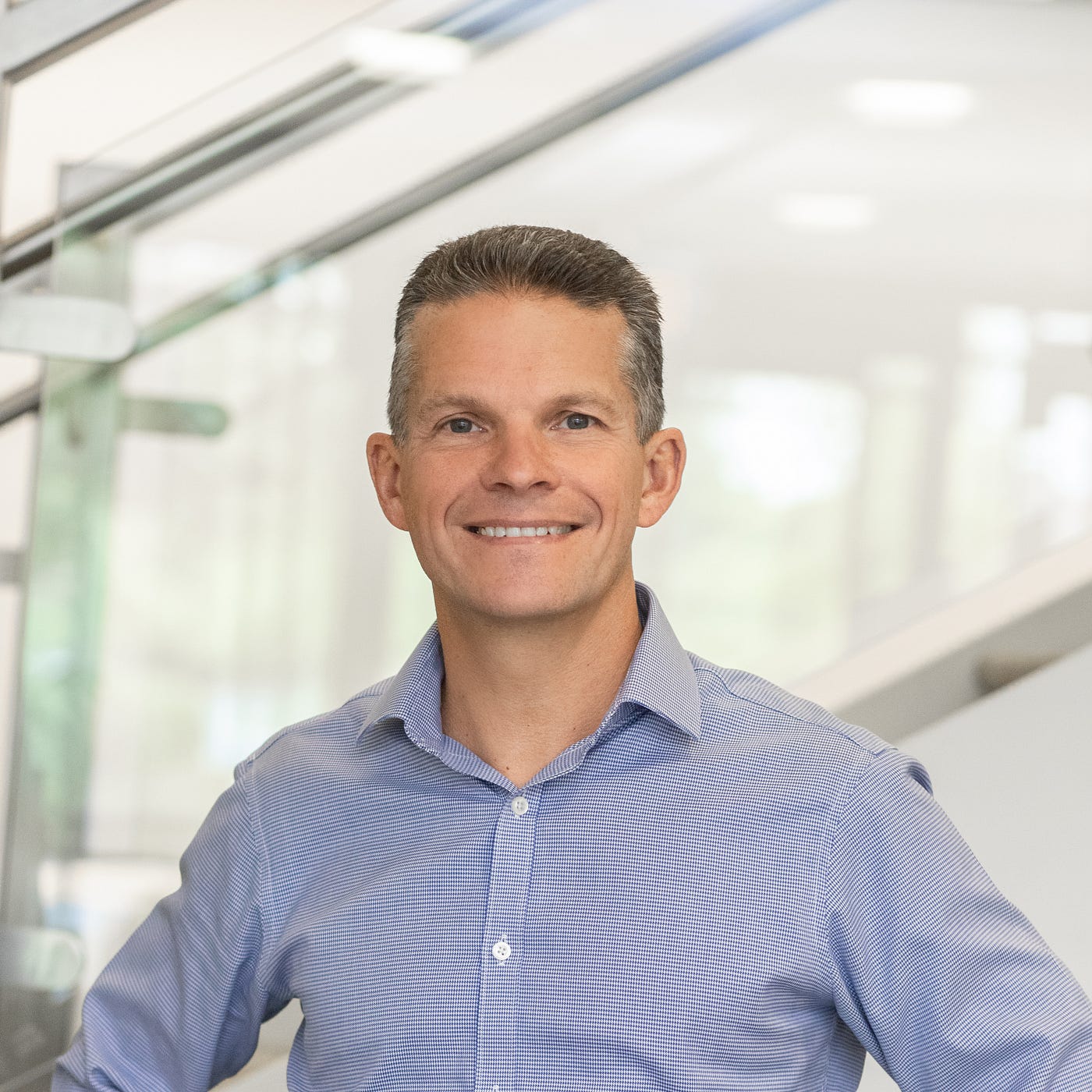
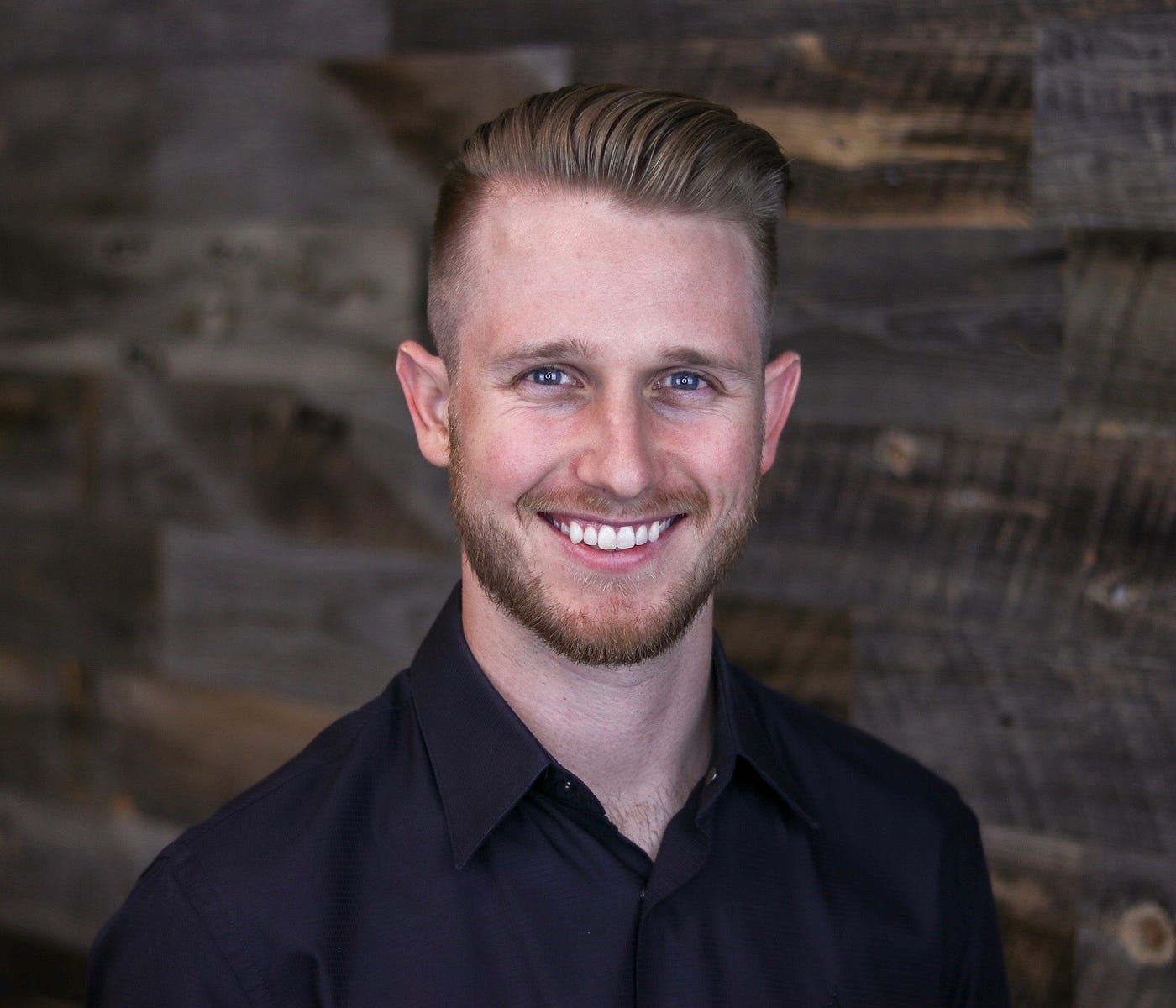
I had the pleasure of interviewing Ian Blair.
Ian Blair is a young entrepreneur living the dream in Carefree, Arizona. He’s the CEO of BuildFire, an app development platform that helps people create mobile apps with no coding required, which has been used to produce over 10,000 mobile apps. Ian also co-founded Laundry Sauce, the best smelling laundry detergent on earth! In his spare time, he enjoys sky-diving, surfing, snowboarding, and exotic car racing.
Thank you so much for joining us in this interview series! Before we dive in, our readers would love to “get to know you” a bit better. Can you tell us a bit about your ‘backstory’ and how you got started?
Thanks for having me! My dad was an entrepreneur, so I’ve grown up around this stuff my whole life. He successfully built his company and then sold it to Cisco. After witnessing that, it made sense for me to go off and get things started on my own.
I’ve been an entrepreneur my entire life, but I started my first successful business when I was a junior in college. I had a lot of friends in e-commerce, so I learned about internet marketing, what strategies made e-commerce businesses grow, how to build successful businesses, and so on. So I was 20 when I started my current software business, BuildFire, an app development platform that allows people to build mobile apps without coding. Now, we’ve built over 10,000 mobile apps, and that business has more than 65 people.
Knowing what kind of e-commerce business, I wanted to run set me up to be a part of Laundry Sauce, the world’s best-smelling laundry detergent. I wanted to have a company that had a simple product, non-discretionary consumer goods. Laundry Sauce was a perfect fit because everyone has to do their laundry.
What was the “Aha Moment” that led to the idea for your current company? Can you share that story with us?
The mental framework of the type of e-commerce business I wanted and my desire for a simple product led me to Laundry Sauce.
Detergent is something that everyone needs to have, a non-discretionary consumer good, and so it has a very broad market. To make it more interesting, I could build a subscription basis around it. That’s when the concept of Laundry Sauce hit me, and I knew that this was going to be a big idea. Various CEOs and entrepreneurs have reached out to acknowledge my idea’s promise and how they wished they had thought of it.
Was there somebody in your life who inspired or helped you to start your journey with your business? Can you share a story with us?
My dad. As I said, he was an entrepreneur and successfully built the company that created the world’s first ethernet switch. He then sold it to Cisco as their third acquisition.
What do you think makes your company stand out? Can you share a story?
The truth is that most people don’t think about the laundry detergent they use. It’s a product that’s not given much thought, so the generic, everyday stuff ends up being boring. However, we stand out because we’re on a different level. I’m confident that I can make the best laundry experience that’s ever been invented, which is essentially what we did with Laundry Sauce. No laundry detergent smells better or has a product presentation like ours. It’s just absolutely next level.
How have you used your success to bring goodness to the world?
With 30 million people who have BuildFire in their pockets, you could say I provide for many individuals and families. We have created tens of thousands of apps on BuildFire, including apps for large insurance businesses. There’s a wide range of businesses that our apps help benefit, ranging from an app for an amputee walking school to one of the Saudi Arabia green initiatives built on our platform, so we reach a lot of people.
You are a successful business leader. Which three character traits do you think were most instrumental to your success? Can you please share a story or example for each?
Having a vision is the first thing you need. If you are going to be a leader, a good one, you need the right vision because you’re taking everyone else along for the ride. No one else can see the end goal for you; only you can do that. Without a vision, it’s going to be a very tough process for you to figure things out on the fly.
Right next to vision is interpersonal skills. Although no one can see the end goal for you, it’s still important to inspire others and get people to get behind your vision. You have to be a people person and find those who believe in your dream.
The last trait is discipline. Simply put, if you don’t show up and put in the work, nothing will happen. You don’t get where you want to be without the dedication and hard work. Discipline over a sustained time period will get you just about anything.
Often leaders are asked to share the best advice they received. But let’s reverse the question. Can you share a story about advice you’ve received that you now wish you never followed?
You know, I don’t actually have an answer for that. I guess I’ve only gotten — or maybe, only followed — good advice.
Can you tell us a story about the hard times that you faced when you first started your journey?
I started a business when I was 20 years old, so it’s hard being the youngest person in the room trying to sell to established businesses. Obviously, building a business will never be easy work. Raising capital, getting people to buy into your vision, and finding high-quality, dependable employees is all really hard work. But a required part of the process is a lot of hard work, so you have to show up and just do it.
Where did you get the drive to continue even though things were so hard? What strategies or techniques did you use to help overcome those challenges?
I’m committed to the lifestyle that I want, so I’m going to put in the work. Exotic cars, nice homes, and private jets aren’t cheap, so whatever amount of work it takes, I’m willing to do it. And that’s what drives me to keep going. I also want to create something that people find valuable. If the world values it, then I can make money and sustain the lifestyle I want for myself. It boils down to me wanting to build something that’s great and enjoy my life while I do it.
The journey of an entrepreneur is never easy, and is filled with challenges, failures, setbacks, as well as joys, thrills and celebrations. Can you share a few ideas or stories from your experience about how to successfully ride the emotional highs & lows of being a founder”?
There are always ups and downs; that will never end. In fact, I’m going through ups and downs this week. The question is, “How do you modulate your tempo to make sure you meet your deadlines and remain focused?” there will always be high highs and low lows, but if you can get the highs to be closer together, your emotional state won’t suffer as much.
Let’s imagine that a young founder comes to you and asks for your advice about whether venture capital or bootstrapping is best for them? What would you advise them? Can you kindly share a few things a founder should look at to determine if fundraising or bootstrapping is the right choice?
It depends on how capital intensive your business is. Businesses that are like Tesla or build rockets are very capital intensive. Selling laundry detergent, on the other hand, is only moderately capital intensive. Right now, there are a few people who actually want to put money into Laundry Sauce. Unfortunately, I can only bring on so many people to the team.
For a business like ours, you would probably need $1 million, and that’s an amount you can get your immediate network to fund you as long as you have an idea worth funding. However, if you need something like $100 million, that’s not really an amount you can get from family and friends.
Ok super. Here is the main question of our interview. Many startups are not successful, and some are very successful. From your experience or perspective, what are the main factors that distinguish successful startups from unsuccessful ones? What are your “Five Things You Need To Create A Highly Successful Startup”? If you can, please share a story or an example for each.
You need to have a big enough market to start with when you introduce yourself into the world. If you’re too niche and the market you’re going after doesn’t have enough room for your roots to grow, you can’t make money. Your customer base should be easily identifiable.
Having the right team is everything. There’s a reason the Patriots won the Super Bowl so many times, you know. Other teams have never made it to the Super Bowl even though they play the same sport by the same rules. Because the people are different, they have different outcomes. That’s why having the right team with you is so important.
Good unit economics is important as well. It means you are making more money per customer than it costs you to get one. Good unit economics can allow you to invest more in your growth, which will increase exponentially.
Capital is another one. Well-funded businesses generally tend to do better than underfunded businesses because of how intense it is to build them correctly. Back to the football analogy: some teams have a higher dollar amount to pay the top people than others. So you have more people that you can pay top dollar to have the best minds working on your vision.
The last tip is having those character traits I mentioned earlier. A successful startup starts with you and how you approach the situation. Your discipline, vision, and interpersonal skills can make or break your business and its success rate.
What are the most common mistakes you have seen CEOs & founders make when they start a business? What can be done to avoid those errors?
Not finding a business partner early on in the process. If you have a partner or partners, the odds of success go up dramatically. I partnered with my brothers, and look where we are now. Rarely have I seen solo founders make a large amount of money.
Startup founders often work extremely long hours and it’s easy to burn the candle at both ends. What would you recommend to founders about how to best take care of their physical and mental wellness when starting a company?
I have definitely burned the wick at both ends, but I buy back my time in many different ways. If you’re trying to be a billionaire, here’s the real advice. First, make sure your space is clean and you are keeping yourself fed. When I have good food and my house is clean, my mental wellness is highly improved.
Also, sitting is the new smoking. I try to make it simple and find a way to work out all the time. I have an at-home gym, but I literally keep weights by my desk. If I have five minutes to spare between meetings, I’ll do a few curls. Having weights right by my desk makes it more convenient to work out, even with limited time.
You are a person of great influence. If you could start a movement that would bring the most amount of good to the most amount of people, what would that be? You never know what your idea can trigger. :-)
The impact we make on the one planet we have is one of the only things we can control in this lifetime. If you have a social initiative or something like that, it’s not necessarily guaranteed to transcend the test of time. However, a massive oil spill that dumps hundreds of millions of gallons of oil into the ocean or a nuclear reactor that explodes will have an impact for thousands of years, no matter what. Our environment and what we choose to do with it is guaranteed to transcend time.
We are blessed that some very prominent names in Business, VC funding, Sports, and Entertainment read this column. Is there a person in the world, or in the US with whom you would love to have a private breakfast or lunch, and why? He or she might just see this if we tag them.
Dana White from the UFC is pretty dope. It would be cool to meet him.
How can our readers further follow your work online?
You can follow us at laundrysauce.com or on Instagram @laundrysauce! If you want to see my fun activities and a little more about Laundry Sauce, you can follow my personal account @ ianblair44.
This was very inspiring. Thank you so much for the time you spent with this. We wish you continued success and good health!
AM
Written by
Authority Magazine Editorial Staff
Editorial Desk · Authority MagazineThe Authority Magazine Editorial Desk produces, verifies, and edits long-form primary-source interviews with executives, innovators, clinicians, creators, and social impact leaders across Business, Tech, Pop Culture, Wellness, and Social Impact.

Published inAuthority MagazineTop Lessons, Top Authorities · 42K Followers
Exclusive, curated interviews with the leaders and changemakers shaping tomorrow. Leadership lessons, industry deep dives, and executive profiles.