I think the first step is always increasing awareness of eating disorders, as people who seek treatment earlier have better outcomes.
Eating disorders are complex mental health conditions that affect millions worldwide, transcending age, gender, and cultural boundaries. They are not simply about food but involve a range of psychological, physical, and social issues. Supporting a loved one through this struggle can be challenging, requiring understanding, patience, and knowledge of the right approaches to truly make a difference.
In this series, we aim to shed light on the most effective ways to offer support, understanding, and hope to those battling an eating disorder. We are talking to psychologists, nutritionists, doctors, therapists, and survivors, who can provide valuable perspectives on nurturing recovery, fostering resilience, and promoting healthy relationships with food and body image. As a part of this series, we had the pleasure of interviewing Helena Ramadan.
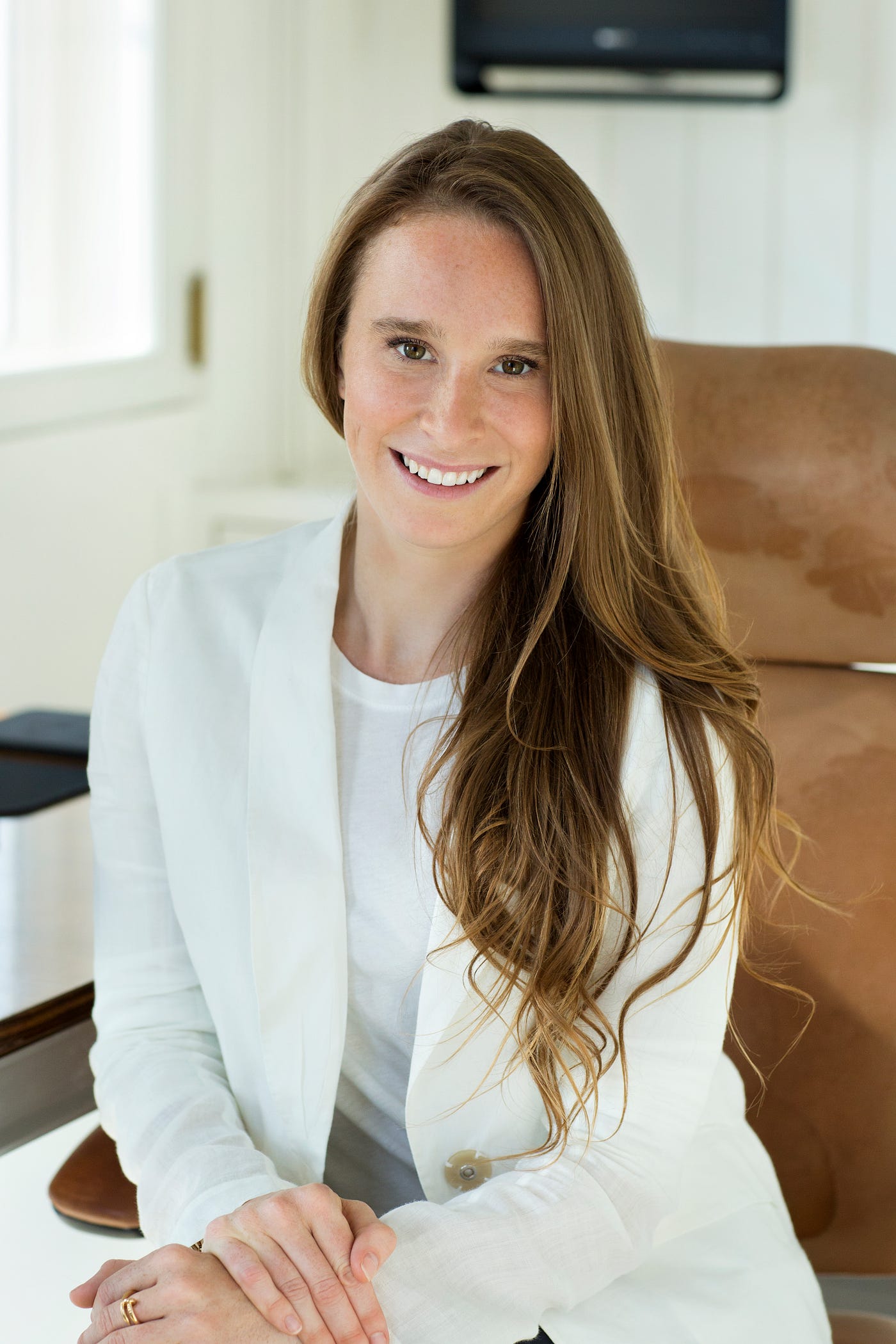
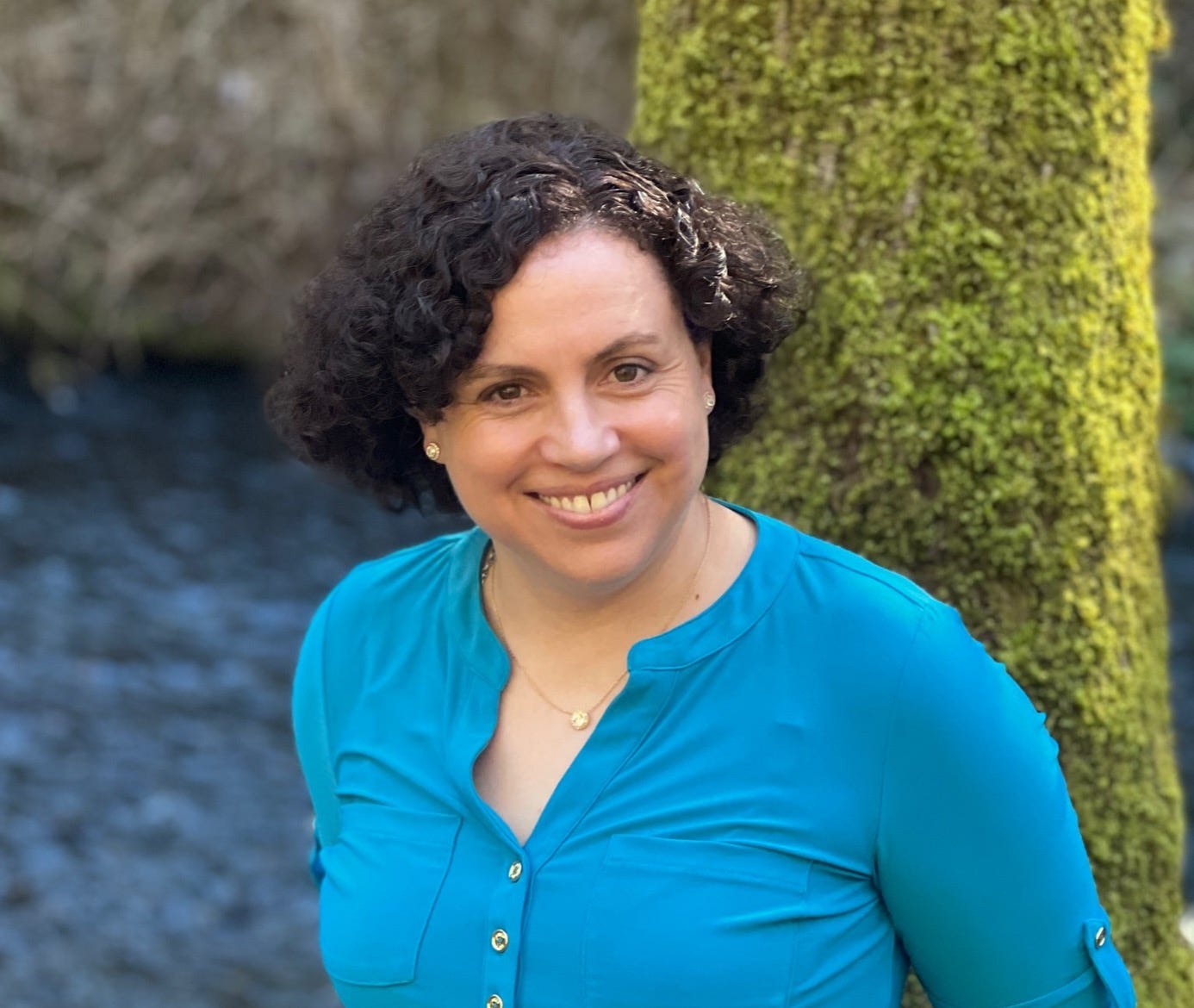
Helena Ramadan, MS, RDN, CD, ACE-CHC, is a Registered Dietitian Nutritionist and Health Coach who blogs at HealthierWithHelena.com. A second-career dietitian, she also holds an undergraduate degree in English. Helena has worked in a variety of inpatient and outpatient settings and has experience primarily with eating disorders and pediatrics. When she is not working, Helena enjoys reading, crafting, and exploring the Pacific Northwest with her sons.
Thank you so much for joining us in this interview series. Before we dive into our discussion about authentic, feminine leadership, our readers would love to “get to know you” a bit better. Can you share with us the backstory about what brought you to your specific career path?
Idefinitely took a circuitous route to my current career path. Growing up, I was always interested in food, nutrition, and health. I also played a lot of sports, and I love exercise and fitness. I didn’t think of combining those interests into a career until after bouncing around and trying several other different types of jobs first. I did a lot of random things: temp work, consulting, database management, teaching preschool, even working as an EMT. After exploring all these options, I finally realized that becoming a dietitian would allow me to blend my passions, help others, and, practically speaking, provide a stable income. I applied to a nutrition and dietetics program, and I’ve been a dietitian for over 10 years now.
Can you please give us your favorite “Life Lesson Quote”? Can you share how that was relevant to you in your life?
I really like the quote “Done is better than perfect” from Sheryl Sandberg. I am a recovering perfectionist, so I find myself repeating this as a mantra when I am feeling stuck finishing a project. I’ve even had it written on an index card and taped to my wall for a while. The visual reminder helps!
Are you working on any exciting new projects now? How do you think that will help people?
I am always working on new projects. Right now I am collaborating with another dietitian on a seasonal produce guide e-book. I’m excited because this is my first time collaborating with another RD to create this type of content.
I am hoping it will both educate and persuade others about the benefits of purchasing produce that is in season. It will also include recipes, so our readers can try preparing the featured fruit and vegetables in their own kitchens.
According to this study cited by the National Association of Anorexia Nervosa and Associated Disorders, at least 30 million people in the U.S. of all ages and genders suffer from an eating disorder. Can you suggest 3–5 reasons why this has become such a critical issue recently?
- I believe the anti-obesity campaigns have been a contributor to an increase in eating disorders. I am sorry to say this, because I know these campaigns were created with a positive intention in mind. However, I have seen patients who developed eating disorders because they were terrified of becoming obese. I have also heard of high schoolers having to weigh themselves in front of their P.E. class at school, announcing their weights aloud. The anti-obesity movement has shifted the focus away from other determinants of health, and it has also caused people to think their weight is synonymous with their health (which of course it is not).
- I think there is also more awareness of eating disorders in general, which is a good thing. Not just with the general public, but within the medical professions too. As dietitians, we are not taught to screen for eating disorders in patients who want to lose weight. But once you become informed, you realize — this is a must! It is true of other providers as well. Increasing their knowledge of ED’s can help them to recognize the signs and provide an earlier point of intervention.
- Social media. (I don’t think I really need to explain this one.) And social media exposure at a young age in particular.
- Diet culture is everywhere. Even if you are trying to avoid it, you are still bombarded by messages, often conflicting, about how to improve your appearance, lose weight, or get “healthier.” Being exposed to those messages day in and day out has an impact.
- Mental health issues are more prevalent in general, for a variety of reasons. As noted in the article linked to above, “[o]ver 70% of people with eating disorders also have other conditions, most commonly anxiety and mood disorders.” With mental health issues on the rise in general, it makes sense that the prevalence of eating disorders would also increase.
Based on your insight, what concrete steps can a) individuals, b) corporations, c) communities and d) leaders do to address the core issues that are leading to this problem?
I think the first step is always increasing awareness of eating disorders, as people who seek treatment earlier have better outcomes. This can be done in a variety of settings — corporate, community, school, even religious organizations can play a role in this education. And as I noted in my answer to the above question, making eating disorder education an essential part of the training of medical providers is so important. We as health professionals need to stop perpetuating the idea that your weight defines your health.
I also think we need to change our language around food and our bodies, and the DEI movement has been helpful in facilitating this. There has been a pervasive sense that thin is the ideal and weight loss should be applauded, but that’s certainly not true for every individual. There is also a lot of language online and socially that labels foods as “good” and “bad,” or “healthy” and “unhealthy,” when in reality, food is just nourishment and should be approached without judgment. In writing blog posts or speaking with patients, I always try to put those terms in quotation marks or air quotes, to indicate that they are not language that I endorse.
Another crucial step would be to provide all parents with education on not just what to feed their child(ren), but also how to feed them in a way that also nurtures their relationship with food and their bodies. I typically recommend parents read the book “Intuitive Eating,” written by dietitians Evelyn Tribole and Elyse Resch, which has a chapter specifically on raising intuitive eaters. (It will also help parents improve their own relationship with food and their bodies.) Ellyn Satter is another dietitian I often recommend, as her work teaches parents about “eating competency” and which responsibilities belong to the parent vs. which belong to the child when it comes to eating.
As you know, one of the challenges of an eating disorder is the harmful, and dismissive sentiment of “why can’t you just control yourself”. What do you think needs to be done to make it apparent that an eating disorder is an illness just like heart disease or schizophrenia?
This is a tough one, and I was just talking with one of my patients about this exact issue recently. I think it comes back to spreading education and awareness on this topic. The National Eating Disorders Association has toolkits that can be downloaded and shared with parents, educators, coaches, and in the workplace. There is also a National Eating Disorders Awareness Week, which also helps bring understanding about eating disorders. I also think explaining to people that it’s not just about food is really helpful. You can’t simply eat and have it go away.
Can you please share with our readers 5 ways to support a loved one who is struggling with an eating disorder?
1 . Listen to your loved one’s experience without judgment and without trying to convince them that what they are doing is wrong. Validate their lived experience. You don’t have to understand why they are doing what they are doing in order to support them. Also ensure your loved one understands that you are there for them when they are ready for next steps, be it treatment, or just opening up to you about their disorder. Leave space for this to happen.
2 . Watch for signs that your loved one is either struggling or relapsing. It’s better to intervene and get back on track early, vs. waiting until the problem has gotten significantly worse and will be harder to resolve. Don’t judge your loved one if this happens either; behavior change is not a linear process, and progress will always be accompanied by missteps and setbacks.
3 . Observe your own language regarding body sizes and food. If you are saying things like “I can’t eat that, it’s too many calories” or “I look so fat in this outfit,” you may be inadvertently reinforcing your loved one’s disordered beliefs and possibly even trigger behaviors. And please, if your loved one asks you to not say certain things about food or body shapes and sizes, please honor that request. I have several patients currently who have relatives that make these types of comments, and it can really set back a person’s recovery to keep hearing them.
4 . Don’t minimize what your loved one is experiencing or expect that they should just be able to get over it. That’s not how mental health issues are solved. Oftentimes the person with the eating disorder is already aware that their behavior is irrational, and when a loved one points that out, it just adds shame to what the person is already experiencing.
5 . Realize that progress may occur in tiny steps, and celebrate even those small victories. If your loved one has bulimia and is able to delay purging by one minute, that is a victory. If your loved one with orthorexia is able to take a single bite of a packaged cookie, that is a victory. Those successes will build over time, but it is often a slow process. Don’t expect quick results.
How do you navigate the balance between offering support and respecting the autonomy of a loved one with an eating disorder?
I think this really depends on where the individual is in their recovery. Early on, if your loved one has a more severe disorder, it may be necessary to sacrifice some autonomy in favor of recovery. One of the eating disorder programs I worked at would grant privileges to patients based on their progress in treatment. Once they hit certain milestones, they were allowed to have more agency in their decisions regarding food. If your loved one is in a formal treatment program, their providers should be able to offer guidance around which stage they are in and what decisions they are able to make on their own vs. which ones will require continued support. If your loved one is not in a formal program, then you can gauge how much autonomy they can have based on their behaviors. For instance, if they are always skipping breakfast, then they probably need more support and observation when eating this meal. Or if you notice signs that they are purging, it would be helpful to sit with them and distract them for a period time after completing a meal.
Is there a message you would like to tell someone who may be reading this, who is currently struggling with an eating disorder?
That dietitians are not the food police, and we work together collaboratively with our patients towards recovery. Sometimes people are terrified to see a dietitian because they think we are going to tell them to instantly stop engaging in disordered behaviors. But that’s not how it works. An experienced eating disorder practitioner will meet you where you are and make small, incremental changes. Sometimes the changes are so small, they don’t seem like progress, but they are. Eating disorder behaviors are serving a function, often as a coping strategy. And you can’t just take them away without teaching the patient an appropriate alternative first.
In your experience, what are the most effective strategies for building resilience and a positive self-image in individuals recovering from an eating disorder?
I fall into the “weight neutral” dietitian camp, and so I find myself working with patients on unlearning a lot of the messages they have internalized regarding diet culture. Often the first step is just teaching patients to recognize what diet culture looks like and asking them to note down examples they’ve noticed in their own lives. Once they realize that these messages are external to them and not valid for their particular situation, it gives them a little wiggle room to start distancing themselves from this messaging.
I also think it is helpful to separate the person from the disorder, i.e. they are a person who is engaging in disordered behaviors, and behaviors can be changed with practice and support. Also circling back to the fact that it is, indeed, a real disorder, like schizophrenia, and they should not be expected to just snap out of it, because you wouldn’t expect a person with schizophrenia to do that.
Those little wins I mentioned earlier can also go a long way towards building up a patient’s self-efficacy, which will lead them to believe they can successfully make further improvements.
What are your favorite books, podcasts, or resources that have helped people with this struggle? Can you explain why you like them?
I am a huge fan of reading, so there are many books I could recommend. For younger people suffering from anorexia, “Life Without ED” is a great starting place. I recommend the book “Intuitive Eating” to pretty much everybody. It contains both wisdom and practical steps for moving away from externally-driven eating and returning to eating due to a person’s own inner needs. I also find myself recommending meditation and mindfulness to my patients a lot. I have used the Calm app for years, and they are constantly adding new content to make it more and more useful. It is a very easy way to build a daily mindfulness habit. I also love the publishing company New Harbinger Publications. They have so many great books on mental health topics, and you can access companion handouts and other resources from their website.
You are a person of great influence. If you could inspire a movement that would bring the most amount of good to the largest amount of people, what would that be? You never know what your idea can trigger. :-)
I dream of a shift in our food culture, which moves the emphasis away from processed and convenience foods. That’s not because these foods are inherently “bad” and should never be eaten. It’s because we are setting people up for failure and feelings of incompetence by telling them to make “healthier” choices, making the “healthier” choice the more difficult one, and then inducing feelings of shame when the “wrong” choice is made.
Our culture’s messaging around food is also very conflicting. On the one hand, we bombard people with a variety of highly palatable food options, at restaurants, in the grocery store, basically anywhere food is found. At the same time, we are telling them to “eat better,” that being overweight means they are unhealthy, and that thin is the ideal. One commercial is for a weight loss product, then next is for a double cheeseburger with fries. It’s hard to navigate a world with this much cognitive dissonance even without an eating disorder. Imagine how much that stress is compounded if you have a challenging relationship with food.
How can our readers continue to follow your work online?
You can find me blogging at healthierwithhelena.com and sharing resources via IG @healthierwithhelenardn.
Thank you so much for these insights! This was so inspiring!