When I first started pitching reporters straight out of college, I worked from our huge agency media list and was mortified when a Wall Street Journal reporter let me know I was sending them a release that had no relevance to their beat.
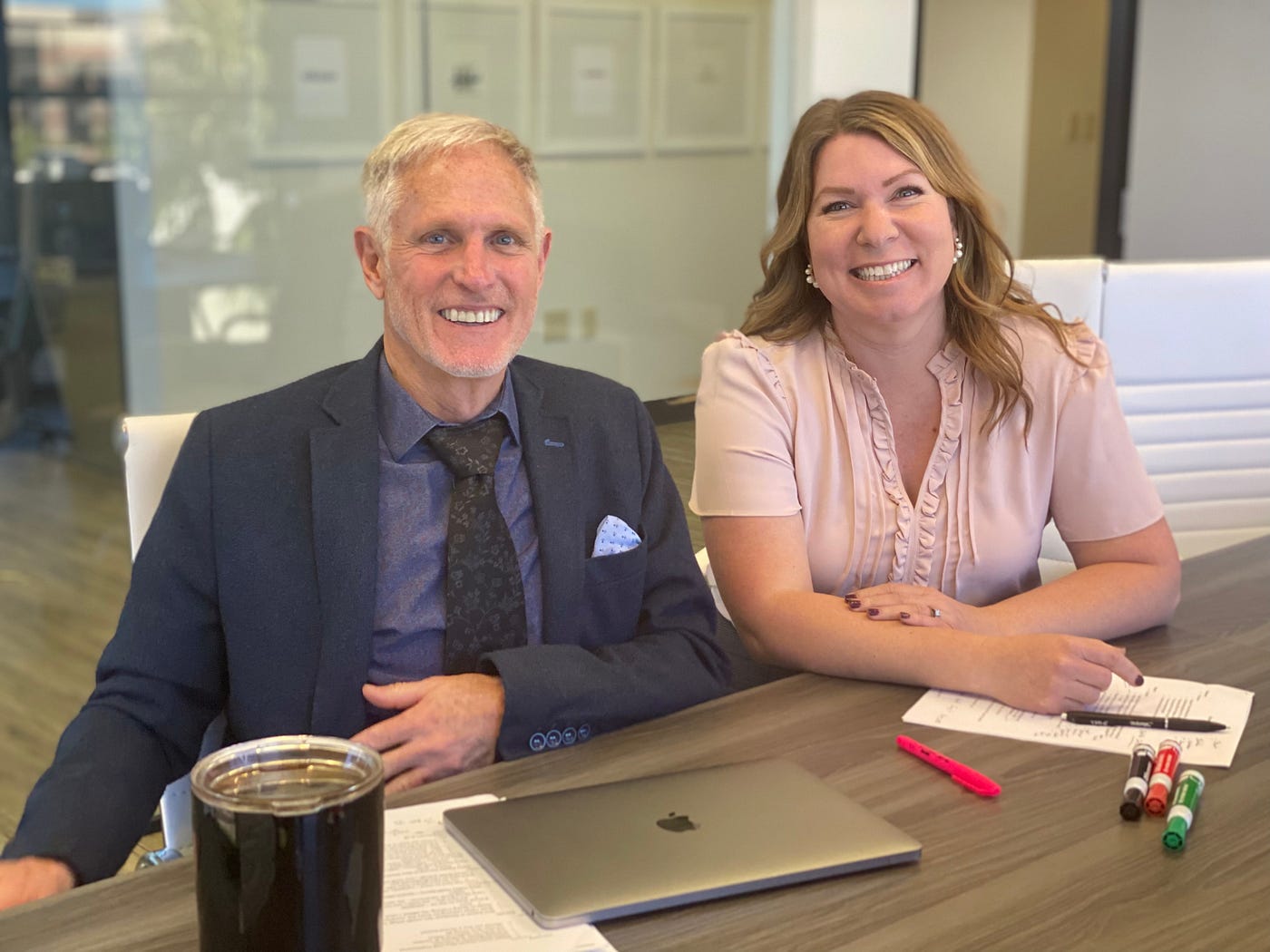
Crisis communications is a vital field that helps organizations navigate and manage challenging situations, protecting their reputation and maintaining public trust. The role requires a unique blend of strategic thinking, quick decision-making, and effective communication skills. What does it take to excel in this high-pressure field? How do professionals prepare for and manage crises effectively? As a part of this series, we had the pleasure to interview Heather Austin.
As principal of The Ferraro Group’s Phoenix office, Heather Miles Austin oversees crisis communications, strategic public relations and marketing activities. She leads media training, corporate social responsibility, and community relations for clients across the southwest, as well as managing business development and operations for the Arizona team. Previously, Ms. Austin owned and operated Tangerine Communications and served in communications roles at various advertising agencies and educational institutions including Off Madison Ave., E.B. Lane, Mesa Community College, and Northern Arizona University (NAU). Ms. Austin volunteers for several organizations including Mesa Public Schools, youth groups, and the Global Dental Access Days Foundation.
Thank you so much for joining us in this interview series! Can you tell us a story about what brought you to this specific career path?
I was in my sophomore year as a journalism/political science major at Northern Arizona University, eager to become a reporter. A seasoned journalist visited my class to share future career insight. He painted a bleak picture of his newsroom and seemed very unhappy with the work he was doing. I immediately sought out other options within the school of communications. I stumbled upon a description for public relations. The variety of recommended skills matched my strengths, plus the possibility for various career options — agency, corporate, non-profit, etc. — aligned with my career vision, so I made the switch. Looking back, it’s comical a grumpy reporter scared me into the career I feel I was meant to find.
Can you share the most interesting story that happened to you since you began at your company?
The Ferraro Group Phoenix was selected as the civilian Public Relations lead for Marine Week several years ago and collaborated with the Marines’ public affairs team 24/7 for this intense campaign. While a tremendous success (our efforts reached 16 million — with a PR Value of $3.9 million) — of greater significance were the relationships created with the more than 150 Marines that were a part of the community outreach efforts. As a civilian with zero military experience/perspective, the opportunity to lead a PR campaign for the nation’s most elite fighting force was a humbling and lifechanging experience. More recently our team was part of a pro-bono PR campaign that helped a homeless man find housing and changed the trajectory of his life. After all these years in PR, it reminded me that we can connect journalists to powerful stories that truly matter. Here’s the ABC 15 story about our pro-bono client Entryway and the vital work they do. https://www.abc15.com/news/local-news/from-homeless-to-housed-how-a-news-story-changed-one-phoenix-mans-life
Can you share a story about the funniest mistake you made when you were first starting? Can you tell us what lesson you learned from that?
When I first started pitching reporters straight out of college, I worked from our huge agency media list and was mortified when a Wall Street Journal reporter let me know I was sending them a release that had no relevance to their beat, and another national magazine let me know I was two months late for their three-month long-lead time. These reporters were kinder than they needed to be, and quickly taught me to better research reporters, their beats, deadlines, and create a customized pitch rather than mass emails.
What are some of the most interesting or exciting projects you are working on now?
Our PR partnership with Walmart in Arizona has become even more exciting with recent technology upgrades and PR collaborations. As the world’s leading omnichannel retailer, Walmart connects the physical and digital customer journey across stores, ecommerce, marketplaces, membership, connected TV and offsite media as they apply new technology in exciting ways. At the same time, they rely on local PR partners like The Ferraro Group to share hyper-localized solutions and impacts that make life easier for real Arizonans. Local Walmart associates are empowered to create community outreach important to them, not assigned by corporate coms in Bentonville. This allows us as to create powerful storytelling moments with local associates making over a teacher’s lounge where they attended as a child or serving at a non-profit making an impact in Phoenix.
Additionally, our work with groups like the Global Dental Access Days Foundation, that offer free dental care for those in need at their AZDAD events, or our recent work with Governor Katie Hobbs and the AZ Office of Economic Opportunity through partner agency Davidson Belluso, feels incredibly impactful. Together we drove hundreds of historically underrepresented workers to paid, earn-while-you-learn construction and skilled trades careers through registered apprenticeships as part of the BuildItAZ campaign — created to help AZ fill a projected 20,000+ new construction jobs by 2030.
You are a successful leader. Which three character traits do you think were most instrumental to your success? Can you please share a story or example for each?
Curiosity — I am naturally curious, love to ask questions and am energized as I learn about a new person, business idea, or challenge. This is incredibly effective in client brainstorming sessions and new business. It positively impacts my team and shows new clients we are passionate about their success, not just as a vendor, but as a true partner. Recently a new client commented that my strategic questions, initial suggested solutions, and contagious enthusiasm ultimately pushed them to sign our team.
Tenacity — As a leader the buck stops with me. When I hit a roadblock with a project, client, or media outlet I can’t give up. I must find a solution, or we may lose the client or media relationship. Through the years my tenacity has helped me to continue working through problems or learn new processes to ensure I protect my clients, team, and firm for shared success. I’ve had client events with zero media confirmed and team members/clients start to panic. Despite this, I continued to seek other reporters/producers/decision makers right up to the morning of the event to see if a photographer opens up, non-traditional media such as city and industry newsletters or podcasts can cover, national/freelance reporters that may live nearby, influencers and elected officials that could share through their channels, or I work to provide unusual access/behind the scenes to make coverage a win for them.
CEO Solutions Oriented — While problem solving is a strength, my ability to learn about and create communications strategy and messaging that addresses a client’s larger operational challenges or goals is what has enhanced in my success. Sometimes PR/Social Media are hyper focused on coms to customers. However, aligning with the CEO/Board to understand larger operational challenges with internal audiences, shareholders and others can help PR teams shape com strategies that help move the organization forward on all fronts. Listening to the concerns of a statewide industry task force and related government agencies and municipalities allowed us to reshape PR messaging and creative assets in communications toolkits that could be used beyond BuildItAZ social media outreach to instead be helpful for industry presentations, schools outreach, state of the city addresses for municipalities, etc. and have a longer shelf life for taskforce members and others with similar concerns as the Governor.
What essential skills and qualities do you believe are necessary for success in crisis communications?
Calm Under Pressure — I thrive in stressful environments. I am decisive and calm during a crisis of any kind. I can prioritize needs and lead others in an empathetic, yet resolute way. This has been vital as I can kindly yet confidently lead a client to focus on the practical aspects first, help them fix the problem, communicate those steps to key audiences, then privately comfort them through whatever emotions they’re dealing with.
Experience — Our team has successfully led clients through almost every type of crisis imaginable. This experience creates confidence for our team and allows us to share with clients similar situations/resolutions, providing them hope and perspective. Through the years we’ve also been able to refine and streamline trainings and processes that don’t just look good on paper, are usable and practical by client teams struggling, perhaps in the middle of the night or on a weekend.
Media and Industry Relationships — Knowing media and reporters for 20+ years has also been critical in a crisis, as we partner clarifying messaging or behind the scenes access with the reporters we’re confident will be thoughtful, professional, and have a trusted voice in the community. We also leverage long-term industry partners and third-party experts to powerfully address rumors, myths, or misconceptions during a crisis.
Strategic Planning and Training– An ability to look beyond the initial crisis is also crucial. While it is important to put a fire/crisis out, equally important is planning to address the burn and smoke damage to surrounding audiences/communities, and steps/processes/training to prevent future fires/crisis.
Can you share a specific crisis you managed and the strategies you used to address it effectively?
We have a client several years ago impacted by a county-wide public health outbreak. We leveraged relationships with county health officials to brief our team on upcoming press conferences and data that would be shared so we were prepared. We enhanced crisis plans already in place with refreshed messaging and updated company-wide media/social media training. We updated social media protocols and created B-roll for media and social media that shared the client’s enhanced health and safety standards, simplified messaging surrounding the client’s complex sterilization technology and systems, clearly explained how they neutralized potential health threats, and partnered with trusted reporters to provide behind-the-scenes access to health and safety process and new technology. We also listened to key audiences and front-line employees to better understand what new concerns were being shared, any misunderstanding coming from our communication, and how to continue simplifying and reinforcing our key message about guest and team member safety.
How do you stay prepared for unexpected crises in an ever-changing media landscape?
As we start working with a new client, even if crisis is out of our original scope, we seek to understand their existing operational and communications crisis planning and processes. We then make recommendations for us, an internal team, or another vendor to help fill the gaps we see. We also share potential threats and opportunities that they may not have identified, even if it’s outside our scope. It doesn’t matter who fixes the problem, as strategic partners we want to help them see and address smaller issue before they explode. We also constantly refine our crisis training and planning based on emerging industry trends/news and what was most effective during past actual crisis. A big gap often occurs with weekend/holiday/overnight communication channel access during a crisis. For example, a Shopping Center client that dealt with a shooting on a Sunday does not want a scheduled Spring Bikini Sale social post to go up Monday morning. But it the client/exec doesn’t have access, and they can’t get ahold of a vendor or agency partner, insensitive, incorrect, or even damaging communication could occur. Finally, we review new technology/notification channels that allow clients to listen to concerns and share timely updates and clarifications during a crisis to internal and external audiences. While media partners can be great resources during a crisis, it is also important that clients can become their own news resource, such as CEO /spokesperson video updates shared across multiple platforms the day of an incident.
What role does digital media play in modern crisis communication strategies?
Digital media and the data these communications platforms provide are true gifts during a crisis because they take away guesswork. Digital media allows you to quickly identify miscommunications, concerns, and issues of key stakeholders and audiences, then distribute clarification directly. Digital media also allows teams to analyze and quantify interactions, shares, and other relevant data to ensure your crisis plan is successful.
How do you measure the success of a crisis communication plan?
In addition to the data digital platforms provide, I strongly recommend listening to front-line employees. These individuals are often closest to the problem/customers and impacted by crisis in such different ways then the C-suite. Asking how they are feeling, what are they hearing, and if the messaging shared during a crisis feels authentic and genuine to them — rather than canned PR messages they’re embarrassed to repeat. Also, how do they feel about working for and representing the client after the crisis — rebuilding their trust is an essential marker of success if a client hopes to ultimately reengage their customers and brand reputation.
Based on your opinion and experience, what are your “5 Things You Need To Create A Highly Successful Career In Crisis Communications” and why?
1. Learn to understand a client’s existing crisis operational plans and training as well as how they currently communicate with key internal and external audiences.
While working with a national multifamily client we learned they often had vendors onsite that could be impacted during a crisis. The vendors were aware of operational protocols to take but not looped into relevant communication processes. We expanded crisis communication training to include them and ensure they could confidently and appropriately communicate on behalf of the client during a crisis if needed, as well as keeping our crisis coms team up to speed if they were the first onsite.
2. Research the most common issues clients have faced or are likely to face, then draft holding statements approved by legal teams that address these issues and can be quickly updated during a crisis.
Many of our education clients face similar challenges whether they’re a larger district, individual school, or industry group. Our existing comprehensive education holding statements have allowed us to quickly update relevant messaging and get approval through a client’s legal team to immediately jump in when they’re already in the midst of disaster and desperately seeking Crisis PR support. They felt instant relief knowing we had a plan, tools, and the people in place to help them navigate their emergency straightaway.
3. Customize crisis coms training, process and protocols that meet the client’s needs and communication preferences.
A well-respected industry association was blindsided when faced with embezzlement. Unlike most clients, they were needed to maintain the trust of hundreds of large companies across the state. We created a custom crisis communication plan to help then share transparency and acknowledgment of the issues, their steps to rectify it, how funds would be restored, and what new safeguards they created to mitigate future issues. Strict media/member/internal coms protocols were created to mitigate gossip and designated appropriate spokespeople that would be trusted by association peers. Messaging was also refined as new issues or concerns emerged throughout subsequent public legal action and litigation to ensure the association didn’t violate privacy laws but could clearly outline their stance and values.
4. Access and Trust: Ensure you have direct access to CEO/decision makers, and if you call — day or night they know to pick up your cell.
You must also have processes in place that someone on your team will pick up their call day or night. Our team once identified a crisis through online social media chatter on a weekend and was able to immediately activate a crisis coms text chain with the CEO and CMO to help mitigate the issue onsite and clarify rumors before they ran rampant on neighborhood social media groups. Speed and accuracy are two of the most effective tools to head off or minimize a crisis, but if a CEO doesn’t trust you enough to pick up your call or isn’t able to get ahold of you when they need you, issues quickly escalate.
5. Train, train, train. Provide regular, ongoing in-person (if possible) interactive mock training where any possible spokespeople are taking through a variety of crisis scenarios and must share key messages and holding statements with “mock” reporters, government officials, community members, citizen journalist/residents and others they may need to communicate with during a crisis.
Our clients share time and again how empowered employees felt after our interactive training scenarios that prepared the onsite team members with how to work with reporters that might show up, community members, guests, or residents that might start to film on their phones during a tragedy, or rumors being spread about their organization on social media. Once they know what to say and do, that they’re supported, and they’ve practiced sharing holding statement in their own words, they can confidently focus on resolving the actual logistics of the crisis.
If you could inspire a movement that would bring the most amount of good to the most amount of people, what would that be?
We recently worked with an AmeriCorps program where individuals 50+ become reading tutors for young children. Its volunteers and the children they served touched me. Creating a non-mandatory, but expected standard time off each month for employees to volunteer and invest in a community’s youngest members could pay dividends for generations to come and cultivate a culture where we see how much we can build up, rather than cash in.
This was really meaningful! Thank you so much for your time.