What may have produced results a year ago can now damage your credibility with a potential buyer.
As a part of our series about women who are shaking things up in their industry, we had the pleasure of interviewing Hailey Birch.
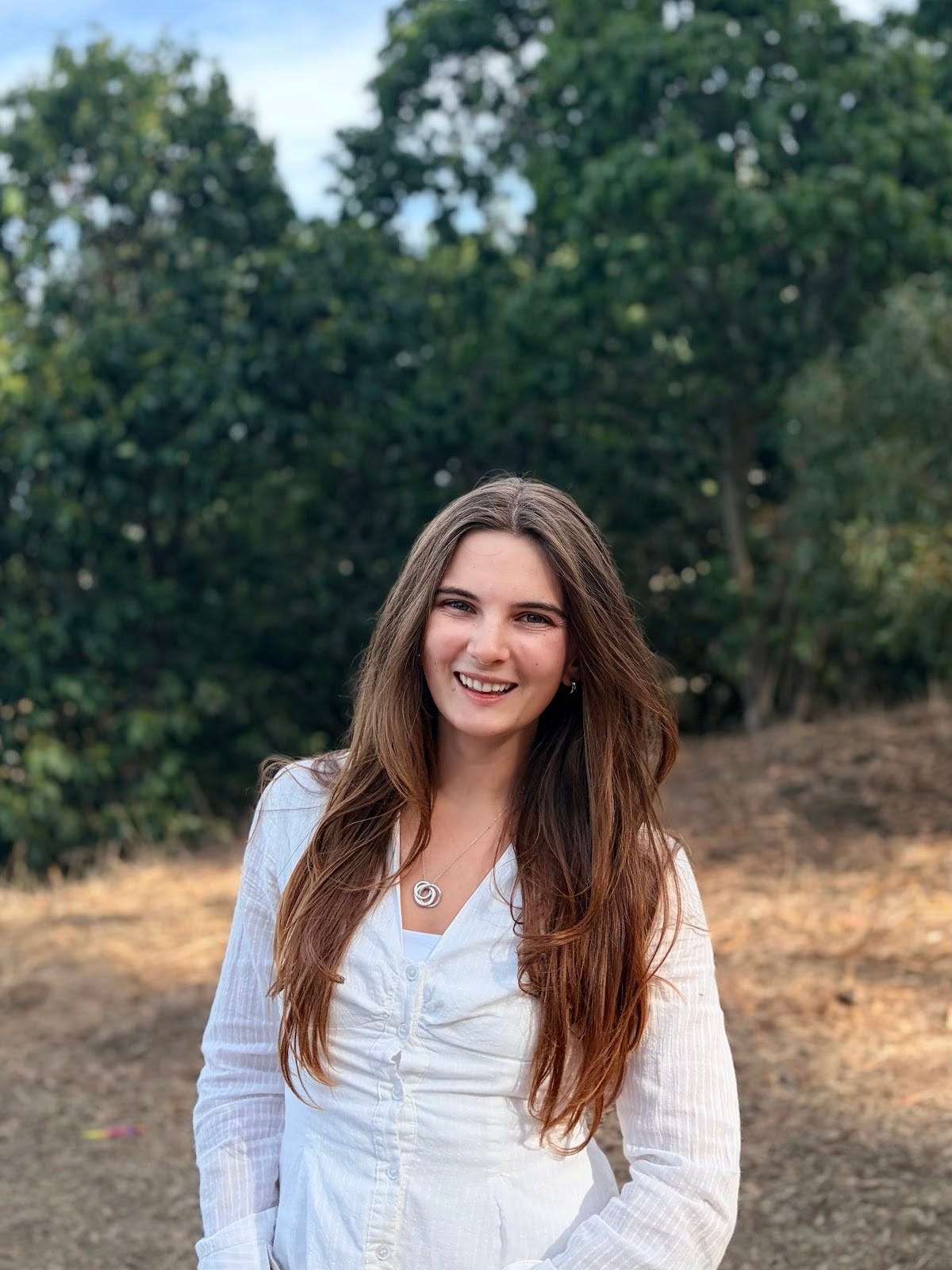
Hailey Birch is a go-to-market strategist, AI-driven growth leader, and emerging disruptor at the intersection of technology, revenue generation, and entrepreneurship. With experience spanning high-growth technology companies, sales, and marketing, Hailey brings a revenue-focused perspective to the evolving intersection of human relationships and artificial intelligence. At Appriss Retail, she is building the company’s outbound go-to-market motion from the ground up, developing the strategies, processes, and AI-powered approaches that drive pipeline generation and executive engagement. Her work combines account-based strategies, data-driven prospecting, and emerging AI tools to connect enterprise retailers with solutions designed to protect margins and combat retail loss.
Thank you so much for joining us in this interview series! Before we dig in, our readers would like to get to know you a bit more. Can you tell us a bit about your “backstory”? What led you to this particular career path?
Thank you for having me! My story really starts with my time at the University of Washington, where I studied communication and business as an undergraduate. I initially intended to pursue a full-time role in PR. With the rise of AI at the time, my graduating class was being told that we were going to have a very difficult time finding our first full-time roles.
When I began looking for my first full-time position, I tried to land a role in PR. But despite applying, interviewing, and doing everything I could to get my foot in the door, I kept getting pushed in a different direction. I ended up landing a sales role at a real estate tech company, but after six months, I was impacted by a layoff.
At that point, I didn’t think sales was a career path for me, so I reverted to pursuing PR again. The same thing kept happening: more rejections, despite volunteering for the PRSA-SF chapter and continuing to build my network.
Eventually, an SDR opportunity at a Series C startup fell into my lap. I decided to pursue it, and looking back, it was one of the best things that could have happened to my career.
That experience completely changed how I viewed sales. I wasn’t just learning how to sell a product. I was learning how to think strategically about growth, identify the right people to reach, understand what mattered to their businesses, and build an intentional approach to starting conversations. I was introduced to account-based marketing (ABM) and strategic outbound.
Over time, I realized that this was the intersection I had been looking for: the creativity and communication I loved about PR, combined with the strategy, technology, and measurable impact of sales and marketing.
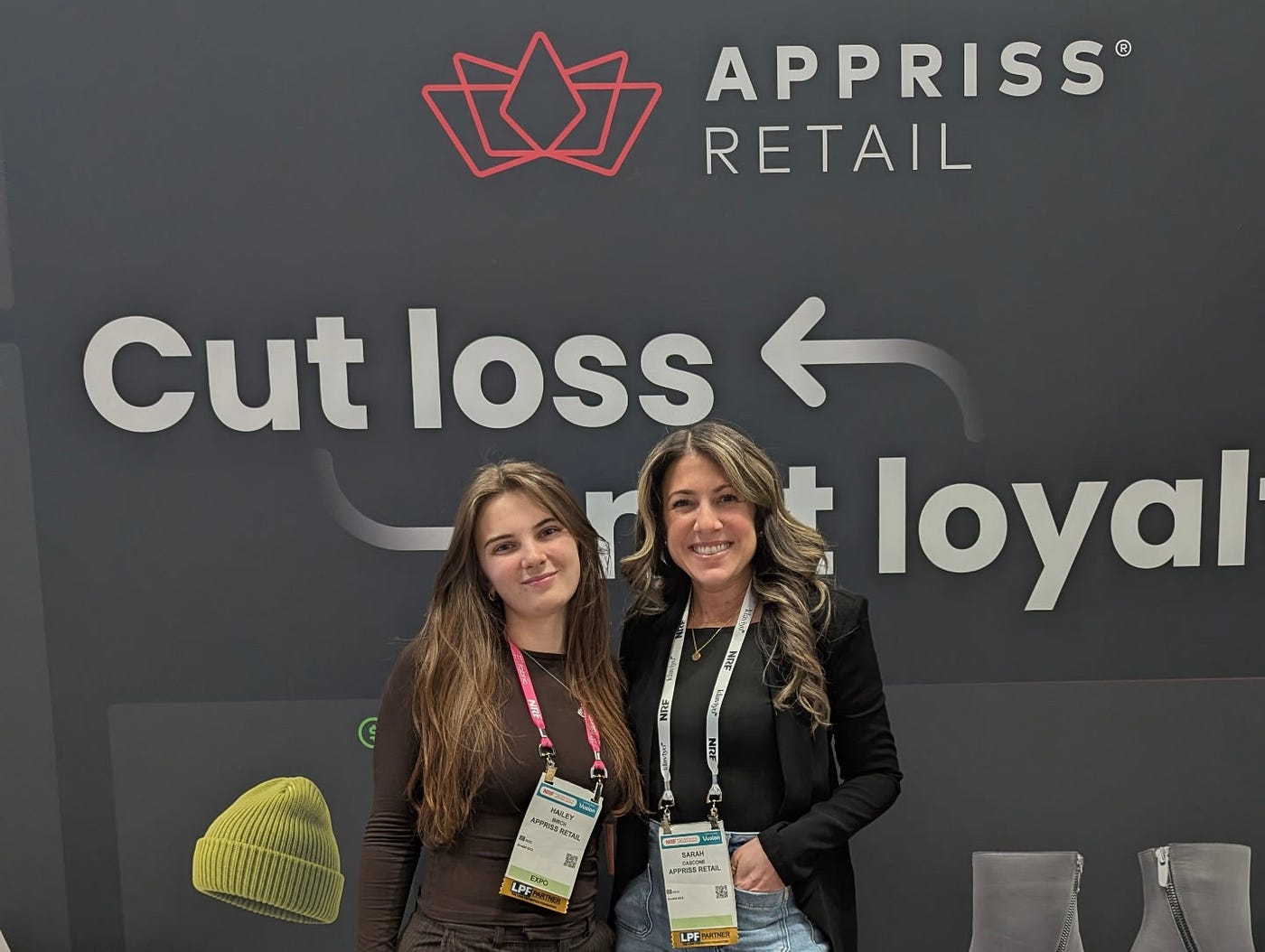
That experience as an SDR eventually led me to my current role at Appriss Retail. I actually got this opportunity because Sarah Cascone, my CMO and mentor, was originally my prospect. I reached out to her with a personalized LinkedIn note, and she sent me a polite rejection. I pivoted and asked her for career advice instead. That turned into biweekly mentorship calls, and eventually, she presented me with the opportunity to build the next-generation outbound motion at Appriss Retail.
I didn’t arrive here through a perfectly mapped-out career plan. I got here by staying ambitious, continuing to try when things didn’t work out, and eventually learning to recognize opportunity in places I hadn’t originally considered.
Can you tell our readers what it is about the work you’re doing that’s disruptive?
I’m changing the way companies think about outbound. Traditionally, building an effective SDR function requires a team of 5–20 people, with a lot of manual work behind the scenes. I’m building that motion at Appriss Retail from the ground up, using AI, automation, data, and creative thinking to accomplish what has traditionally required an entire team.
What makes it disruptive is that I’m rethinking the process itself, not just adding AI to the existing playbook. I’m figuring out how to build a more scalable, targeted, and efficient way to generate pipeline and engage the right decision-makers. We’re entering a new era of go-to-market, where the advantage won’t necessarily go to the companies with the biggest teams, but to the ones that know how to use technology and think differently.
Can you share a story about the funniest mistake you made when you were first starting? Can you tell us what lesson you learned from that?
I once spent about 45 minutes researching a prospect before sending an email. I had gone so far down the rabbit hole that I actually ended up on her personal Facebook profile, where I discovered she had a small side business making knitted little creatures.
I thought I was doing a great job of personalizing my outreach, but when I finally sent the email, she responded in minutes by telling me she felt like I was being creepy. Not exactly the response I was hoping for after 45 minutes of work!
It was definitely a learning experience. There’s a fine line between thoughtful personalization and making someone feel like you’ve been investigating their personal life.
Now, I focus on understanding someone’s professional priorities, their business, and what might actually matter to them rather than trying to find every possible detail about a person to get their attention.
We all need a little help along the journey. Who have been some of your mentors? Can you share a story about how they made an impact?
I’ve been fortunate to have people in my corner who have challenged me, opened doors for me, and helped me see possibilities I might not have seen on my own.
Keily Hernandez and Julie Ann Castro have been in my corner of my San Francisco based network. They both have given me the advice and push that I’ve needed to pursue opportunities and ultimately become a disrupter. They’ve been my support as I navigated career transitions over the past two years.
David Yang, my former manger had a huge impact on my professional growth as well. So much of what I do today is built on the skills and foundation I developed working with him. Beyond what he taught me professionally, he was incredibly supportive as I moved into my next chapter. Having leaders who invest in your growth, share what they know, and genuinely want to see you succeed makes a lasting difference.
I’m also incredibly grateful to Sarah Cascone, who leads our team as CMO. Learning from a woman who constantly challenges us to raise the bar has been so inspiring. Being part of an all-women team that pushes boundaries and encourages each other to be disruptors has shaped how I view leadership and the kind of leader I want to become.
These relationships have shaped me into who I’ve become today. They’ve given me the confidence to enter this career path and I hope to pay that forward.
In today’s parlance, being disruptive is usually a positive adjective. But is disrupting always good? When do we say the converse, that a system or structure has ‘withstood the test of time’? Can you articulate to our readers when disrupting an industry is positive, and when disrupting an industry is ‘not so positive’?
Can you share some examples of what you mean?
Disruption is positive when it challenges the status quo in a way that creates real value. But being new or innovative doesn’t automatically make something better. You need good intentions, thoughtful execution, and a willingness to take accountability for the outcome.
In go-to-market, the biggest example of this right now is AI in outbound. I see it everywhere, especially in the conversation on LinkedIn, and buyers can easily recognize when an email was generated by AI without much thought behind it. What may have produced results a year ago can now damage your credibility with a potential buyer.
My perspective is that AI isn’t the competitive advantage anymore. How thoughtfully you execute is. If everyone has access to similar tools, the differentiator is the strategy, research, and data behind them.
When I first stepped into my role, I had a particular vision for how I wanted to build the process. As I’ve spent more time analyzing what works and digging into the data, my approach has evolved. I’ve come to view outbound less as a volume game and more as a deliberate research process. Understanding a buyer’s role, priorities, and day-to-day challenges takes more than a quick search and a personalized first line. And that worked a year ago, now it doesn’t. I’ve had to learn to think differently.
To me, negative disruption happens when companies prioritize efficiency over the experience they’re creating for their customers. If your AI strategy generates more noise, wastes a buyer’s time, or erodes trust, you haven’t innovated. You’ve just automated a bad experience.
Can you share 3 of the best words of advice you’ve gotten along your journey? Please give a story or example for each.
1. Be curious. This was consistently reinforced when I was in school. I remember attending lectures where my professors would repeatedly come back to this idea of never losing your curiosity. It’s something that has stuck with me. You might not immediately think of curiosity as something that can be so motivating, but hearing it reinforced in that way made me look at it differently. It’s become something that’s really ingrained in how I approach life and work.
To me, being curious means more than just wanting to learn. It means asking thoughtful, open-ended questions, being comfortable putting yourself in situations where you don’t know everything, and not being afraid to push your own boundaries. Some of the best opportunities to learn come from being willing to ask questions, challenge what you already know, and step outside of what’s familiar.
2. Know your “Why” I came to deeply understand this during my yoga teacher training. The experience is incredibly introspective. You’re not just learning how to teach a class; you’re learning how to create an experience for a room full of people who trust you with their time, energy, and vulnerability. We were asked to take a few days to reflect on our “why” and that led me to understand myself in a new way.
I believe it translates into professional life, too. Understanding your “why” means understanding what genuinely motivates you, what gets you out of bed in the morning, and what makes you want to keep pushing yourself.
It’s easy to get caught up in checking boxes or following a path because it seems like the next logical step. But when you understand what really drives you, you can start making more intentional decisions about the opportunities you pursue and the kind of impact you want to have.
3. Think beyond your day-to-day. This is advice I’ve received from my leadership team at Appriss. When the possibility of taking on more responsibility and stepping into a different role first came up, I wasn’t necessarily ready to see myself in that capacity. I was focused on being a good individual contributor and doing my day-to-day job well. They encouraged me to recognize that I was capable of more, but also to start thinking beyond my immediate responsibilities and looking at the bigger picture of the business.
How I approach my work has changed. I’ve started taking on more projects, thinking more strategically, and looking for opportunities to improve processes rather than just focusing on my own goals.
We are sure you aren’t done. How are you going to shake things up next?
I’m stepping into a new chapter in my career, transitioning into a Growth Operations role where I’ll have the opportunity to help build and scale our marketing function. One of the things I’m most excited about is bringing someone else onto the team and creating the kind of opportunities that have helped me grow throughout my own career. I’ve spent a lot of time building processes, experimenting with AI, and finding new ways to approach growth. Now I get to take those learnings and apply them on a larger scale, while also helping someone else develop their career.
In your opinion, what are the biggest challenges faced by ‘women disruptors’ that aren’t typically faced by their male counterparts?
I think one of the biggest challenges women face when disrupting the norm is that there’s less room to be wrong, to experiment, or even to say, “I don’t know.” There’s a lot of pressure to always be on and to prove your worth.
A lot of it comes down to credibility. In professional settings, I’ve had to establish that I know what I’m talking about before people are willing to take me seriously. I think women can feel an added pressure to prove their knowledge and experience in professional settings.
I also believe there’s a double standard when it comes to how men and women communicate. I’ve seen men be very direct and assertive without facing the same level of scrutiny a woman might face for doing the same thing. I think women should have the same freedom to speak their minds, challenge ideas, make mistakes, and try something different without feeling like they have to constantly prove themselves.
Do you have a book/podcast/talk that’s had a deep impact on your thinking? Can you share a story with us?
Soul Gum by Victoria Hutchins; she hosts a self-development podcast with a philosophical, psychological, and literary approach. I believe classic literature and philosophy have a profound influence on the way we think, interpret the world, and understand ourselves. So much of what we experience today has been explored by writers and philosophers long before us, and I find it fascinating to revisit those ideas through a modern lens. That’s what makes the podcast so interesting to me. It encourages me to think beyond surface-level self-development, question my own perspectives, and be more intentional about how I approach life.
You are a person of great influence. If you could inspire a movement that would bring the most amount of good to the most amount of people, what would that be? You never know what your idea can trigger. :-)
I would love to inspire a movement that empowers women early in their careers. If I could go back to undergrad and tell myself one thing it’s to be intentional about building your network.
We’re often told to work hard and keep our heads down, then the recognition will come.
But we’re not always taught how important relationships are in shaping our careers.
Some of the biggest opportunities I’ve had have come from people I’ve met, mentors who have encouraged me, or someone who was willing to make an introduction. I’d love to see more young women feel confident reaching out, asking questions, finding mentors, and building relationships before they feel like they need something.
Your network shouldn’t only be nurtured when you’re looking for your next role. It should be invested in throughout your career.
Can you please give us your favorite “Life Lesson Quote”? Can you share how that was relevant to you in your life?
It’s very simple, but “everything happens for a reason.” It’s something I’ve always come back to, especially during moments when things haven’t gone according to plan. I’ve learned that some of the biggest turning points in my life have come from situations that initially felt like setbacks, whether that was a job opportunity that didn’t work out, an unexpected change, or a door that closed. Looking back, those moments often created space for something I couldn’t have anticipated at the time. There’s a lot of power in trusting the process, staying open to new opportunities, and understanding that sometimes the things that don’t work out are redirecting you toward something better.
How can our readers follow you online?
LinkedIn — https://www.linkedin.com/in/haileybirch/ I post a lot about Retail Tech & GTM
This was very inspiring. Thank you so much for joining us!