Being proactive is more than leaving your comfort zone and out-of-the-box thinking, it's a mindset that propels you to actively shape your career path rather than merely follow it.
Information Technology, the backbone of modern business, is ever-evolving. Each year brings forth new paradigms, methodologies, and innovations, shaping the landscape of IT management. As we navigate through 2023, it's crucial to grasp the trends that are steering the industry, from emergent technologies to shifts in managerial perspectives. These trends not only shape the way IT departments function but also determine the competitive edge for businesses across sectors. As a part of this series, we had the pleasure of interviewing Goran Kalanj.
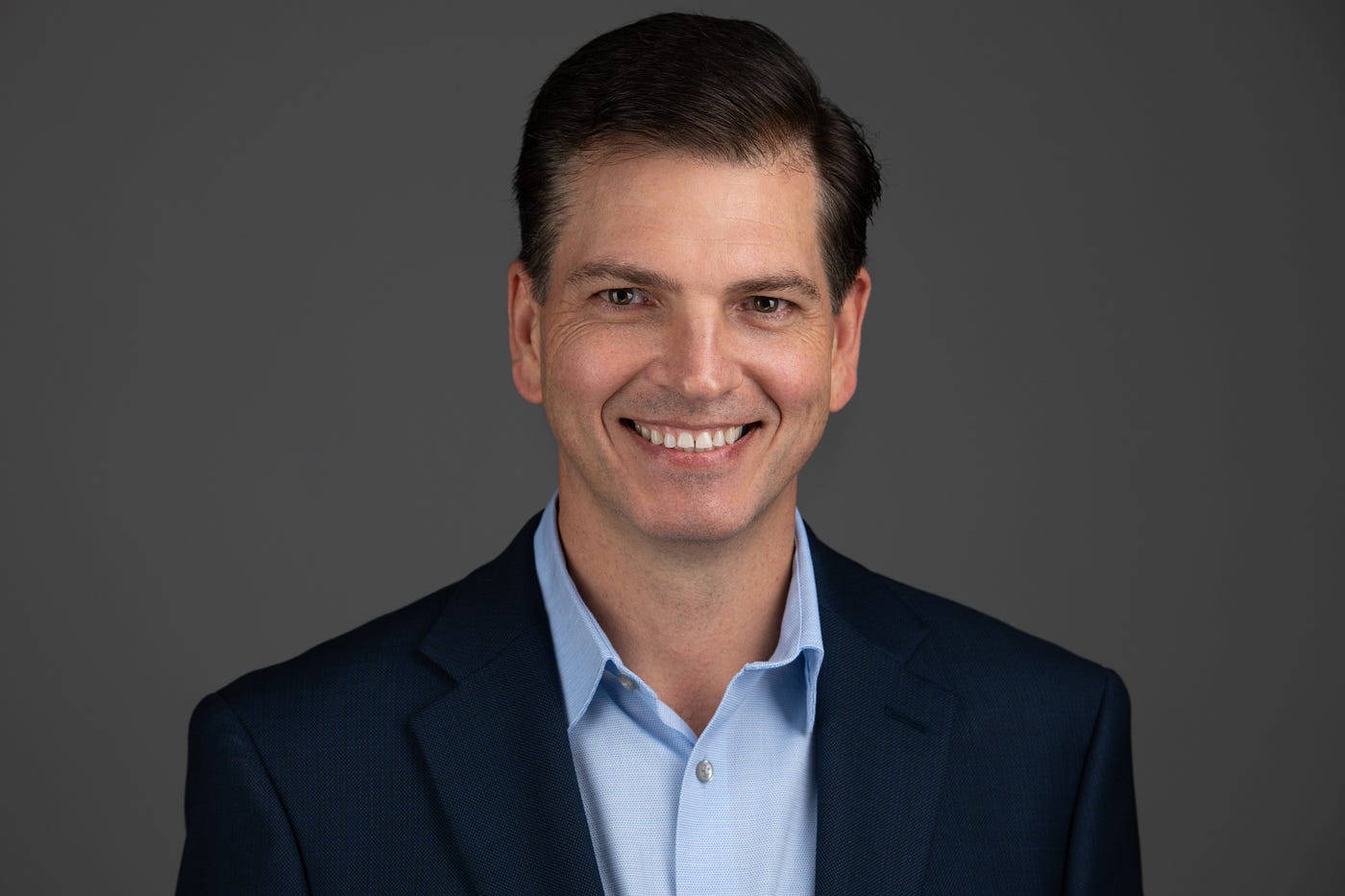
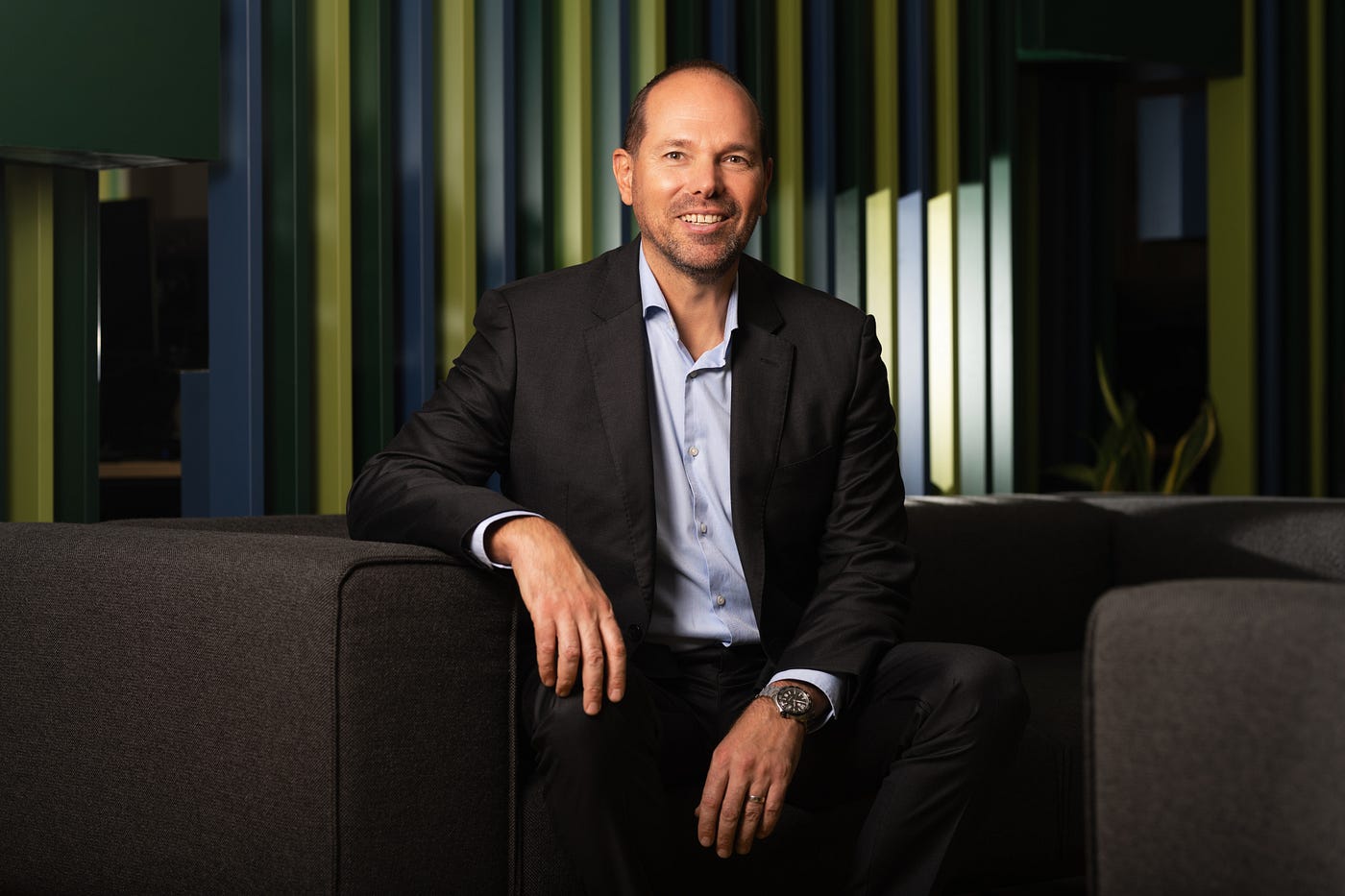
Goran Kalanj is the founder and CEO of the Croatian software development company Serengeti Ltd. After graduating in 1996 from the University of Zagreb, Faculty of Electrical Engineering and Computing, his journey began as a software engineer, then continued as a sales executive, and later as head of the business software department. In 2007, he started his own business and founded Serengeti Ltd, a software engineering company that today has six development centers and more than 300 projects for clients worldwide.
Thank you so much for doing this with us! Before we dive in, our readers would love to "get to know you" a bit better. Can you share your personal backstory with us?
I graduated in 1996 from the University of Zagreb, Faculty of Electrical Engineering and Computing. I started my professional career at Siemens, as a software developer, which came natural to me, given my educational background.
Siemens gave me a solid base for moving up in my career, working as a software architect at different system integrators. My supervisors at the time recognized my sales potential and gave me the opportunity to move up the corporate ladder first as a sales executive, then as a head of the business software departments. For 11 years I was working on a commercial side of software development, hunting and farming sales prospects and existing deals, and managing cross functional teams.
In 2007 I started my own business and founded Serengeti Ltd., a software engineering company that provides services of custom software development, maintenance, and software development consulting services, all based on a team extension business model.
None of us are able to achieve success without some help along the way. Is there a particular person who you are grateful for who helped get you to where you are? Can you share a story about that?
Absolutely, it is my mother.
She found herself widowed at an early stage in life, I was only two years old and my brother was 8, facing the challenges of raising and providing for our family. My mother was a very capable and fearless woman. Her resilience and determination became a beacon of inspiration for me. Despite the hardships, she worked tirelessly to ensure my brother and I had all the opportunities she believed we deserved. Her sacrifices, both big and small, were instrumental in shaping my character, instilling in me the importance of modesty and perseverance.
I firmly believe that a right mindset, meaning a good set of values, positive attitude and persistence are necessary for success. I am grateful to my mum for instilling that in me and my brother, who is also a successful entrepreneur.
Can you share with us three strengths, skills, or characteristics that helped you to reach this place in your career? How can others actively build these areas within themselves?
Yes, those are ambition, professionalism and proactivity.
Ambition has been the driving force behind my career aspirations. It's essential to set ambitious, yet achievable goals, envisioning where you want to be in the future. Personally, one of my ambitious goals was to establish a company in Croatia that could cater to the needs of Western European markets. At the time of founding the company, this idea was relatively uncommon in Croatia, and I aspired to bridge that gap by providing high-quality services to clients in Western Europe. This ambition not only fueled my entrepreneurial spirit, but also contributed to the growth and success of the company.
Professionalism and consistency are key elements of the path to success. By this, I mean a strong work ethic, reliability and a commitment to quality in every task. Actively seek feedback, be adaptable, and continuously improve yourself both personally and professionally. Commitment to professionalism earned us the trust of our clients and resulted in enduring partnerships.
Proactivity is key to driving forward. Each of us has opportunities, but we should not wait for them to come to us, we must actively seek them out all the time, starting from our current role. Being proactive is more than leaving your comfort zone and out-of-the-box thinking, it's a mindset that propels you to actively shape your career path rather than merely follow it. This proactive mindset played a crucial role in expanding our business to the United States.
Which skills are you still trying to grow now?
Currently, I am working on my delegation skills and trust. Entrusting certain tasks to others is an ongoing process for me. This involves not only understanding the strengths and capabilities of my team members, but also fostering a culture of trust and open communication. Developing the ability to delegate effectively is crucial for scalability and efficiency in leadership, and I am actively working on honing this skill to facilitate better collaboration and success within my company.
Let’s talk about IT management trends. What are the key IT management trends that have emerged or gained prominence in 2023, and why are they significant for businesses and organizations?
In 2023, one of the key IT management trends that has gained prominence is prioritization. The year 2023 marked a period of freezing or postponing certain projects as businesses sought to streamline their operations. Consequently, only high-priority projects with a direct impact on strategic objectives and ROI were allowed to continue. This strategic prioritization approach ensures that organizations are directing their efforts and resources towards initiatives that are crucial for immediate success and long-term sustainability. The significance of this trend lies in its adaptability to the economic climate, allowing organizations to navigate uncertainties effectively.
How has the ongoing evolution of cloud computing impacted IT management strategies in 2023, and what best practices should IT leaders adopt to harness its potential?
The ongoing evolution of cloud computing has significantly influenced the heightened focus on cybersecurity in 2023. As it is based on decentralized and scalable IT infrastructures, and as organizations increasingly migrate critical operations to the cloud, the need for robust cyber defenses has become paramount. Optimizing resource utilization and ensuring seamless integration between on-premises and cloud-based systems had a big impact on IT Management Strategies during 2023.
Some of the best practices for IT leaders are to implement advanced threat detection, encryption, and access control. Furthermore, regular audits and assessments of cloud security protocols together with comprehensive data governance policies ensure data integrity, regulatory compliance and secure data handling practices. Being informed and ensuring that all team members are continually updating their knowledge and skills in managing cloud-native technologies and cybersecurity is also an important practice.
With the increasing importance of cybersecurity, what innovative approaches or technologies are being employed in IT management to enhance data protection and mitigate cyber threats in 2023?
Some approaches or technologies that are being employed in IT management to enhance data protection and mitigate cyber threats in 2023 are Zero Trust Security Model, AI and Machine Learning for Threat Detection, Cloud-Native Security and Behavioral Biometrics.
The Zero Trust Security Model posits that no entity, whether within or outside the network, should be automatically trusted. This approach mandates continuous authentication, authorization, and validation of every device and user requesting access to resources.
AI and Machine Learning for Threat Detection analyze extensive datasets in real-time, identifying patterns and anomalies that may signal potential cyber threats.
Cloud-native security solutions incorporate features like data encryption, identity and access management, and continuous monitoring of cloud environments.
Behavioral Biometrics fortifies user verification processes introducing a dynamic layer of authentication by analyzing user behavior, including typing patterns and mouse movements. This personalized authentication method surpasses traditional password-based security, significantly raising the bar for unauthorized access.
As remote and hybrid work arrangements continue to be prevalent, how are IT management practices adapting to support a distributed workforce in 2023, and what challenges do they face in this context?
In 2023, IT management practices have undergone significant adaptations to support the prevalence of remote and hybrid work arrangements, focusing on organizing work into smaller units. This transformation entails a shift in how performance is measured, with an emphasis on achieving specific and measurable objectives rather than traditional time-based metrics.
Remote and hybrid work arrangements resulted in optimal teams with members possessing the necessary expertise and social skills, irrespective of their physical location. This approach reflects the principles of agile methodologies, particularly Scrum, promoting iterative work, continuous feedback and adaptability to the team needs.
In the context of remote and hybrid work challenges in 2023, communication was the biggest challenge. Since the world was in crisis, there was an increased need for constant communication to maintain motivation. Some organizations implemented new rules, guidelines, or tools to overcome these challenges to ensure optimal connectivity and employee motivation.
Sustainability and environmental concerns have been gaining traction across industries. How is IT management addressing sustainability in 2023, and what steps can organizations take to integrate eco-friendly practices into their IT operations?
In 2023, IT management embraced sustainability by optimizing energy usage in data centers, adopting renewable energy, supporting remote work to reduce carbon footprints, implementing responsible e-waste management, and considering the lifecycle impact of IT products.
One step that organizations can take is to adopt energy-efficient hardware and technologies. This encompasses data center optimization, energy-efficient servers, and the use of smart power management systems. Additionally, provide training to IT professionals on sustainable practices and the environmental impact of IT operations to encourage the adoption of green principles in daily activities. Moreover, organizations can evaluate the environmental impact of suppliers and choose vendors committed to sustainability, extending this consideration to the sourcing of hardware, software and services. One specific action in this direction could be implementing recycling programs for discarded IT equipment.
Fantastic. Here is the primary question of our interview. What are the 5 Most Important IT Management Trends of 2023? Please share a story or example for each.
1 . Procrastination, which is often viewed negatively. Embracing deliberate delay becomes a strategic move in moments of crisis—a powerful pause offering critical insights before decisive actions. This caution extends to IT initiatives, with companies exercising exceptional prudence in initiating new projects or discontinuing existing ones. In the face of potential risks, companies are opting for a thoughtful postponement, allowing for a more comprehensive evaluation of the situation before committing to significant changes.
2 . Preparation. Market crises are inevitable, and success demands more than a straight-ahead focus—it requires a panoramic view. In the IT realm, triumph in stormy times relies on foresight and wiser decisions before crises strike. This is something we did in our organization internally, but also with our clients. For example, before the crisis, we accepted some not-so-hot projects because we knew they were strategic for the client and that in bad times that project probably wouldn't be dismissed.
3 . Power. As a CEO, you have the power – the power to give power to the people. During a crisis in the IT landscape, I faced a challenging decision, but I chose to trust a team member's approach. Initially concerned about potential project loss, the employee worked independently and, to my surprise, delivered innovative solutions. This experience underscored the significance of trusting individuals, allowing them the freedom to work in their own way, even amid uncertainty, ultimately leading to project success.
4 . Prioritization. Flexibility is not just a buzzword; it's a survival skill in the dynamic IT landscape. Swiftly reprioritizing and refocusing on what truly matters is the secret to success. For instance, during a software development project, adapting priorities based on emerging user needs ensures the final product aligns with evolving requirements.
5 . Process. Viewing success as a journey rather than a destination is crucial. Instead of perceiving crises as roadblocks, recognizing them as integral parts of the business journey is key. Embracing crises and maintaining a resilient mindset during ongoing processes are critical. In IT management, understanding that system vulnerabilities are part of a continuous improvement process helps in creating robust cybersecurity strategies.
We have also created a video discussing the five IT management trends in 2023 using the 5 P's framework.
Are there any underrated skills or qualities that you encourage others not to overlook?
I would encourage others not to overlook the underrated qualities of humility and groundedness. In the pursuit of success, it's essential to remain humble and down-to-earth. These qualities allow individuals to remain open to learning, collaborate effectively and build meaningful connections. Additionally, avoiding distractions by not giving attention to trivial matters is crucial. Focusing on what truly matters ensures efficiency and contributes to long-term success.
You are a person of great influence. If you could inspire a movement that would bring the most amount of good for the greatest number of people, what would that be?
You never know what your idea can trigger.
Thank you for this question, I find it truly inspiring. Honestly, I haven't thought about it until now. I will consider this as a task to think about how I can contribute to a better world through actions and influence.
Thank you for these fantastic insights. We greatly appreciate the time you spent on this.