The hardest part about geography, whether it is in the US or globally, is to make sure you are communicating effectively. When you communicate with people, it needs to be timely and relevant.
What is your “backstory”?
I was born in Brooklyn, so it’s kind of funny sitting in New Jersey now. My family left New York when I was 6 years old and I grew up in Portland, Oregon. I went to college in Seattle and, at that time, my whole life was focused around soccer. It shaped me and if I hadn’t played soccer, I wouldn’t be where I am today.
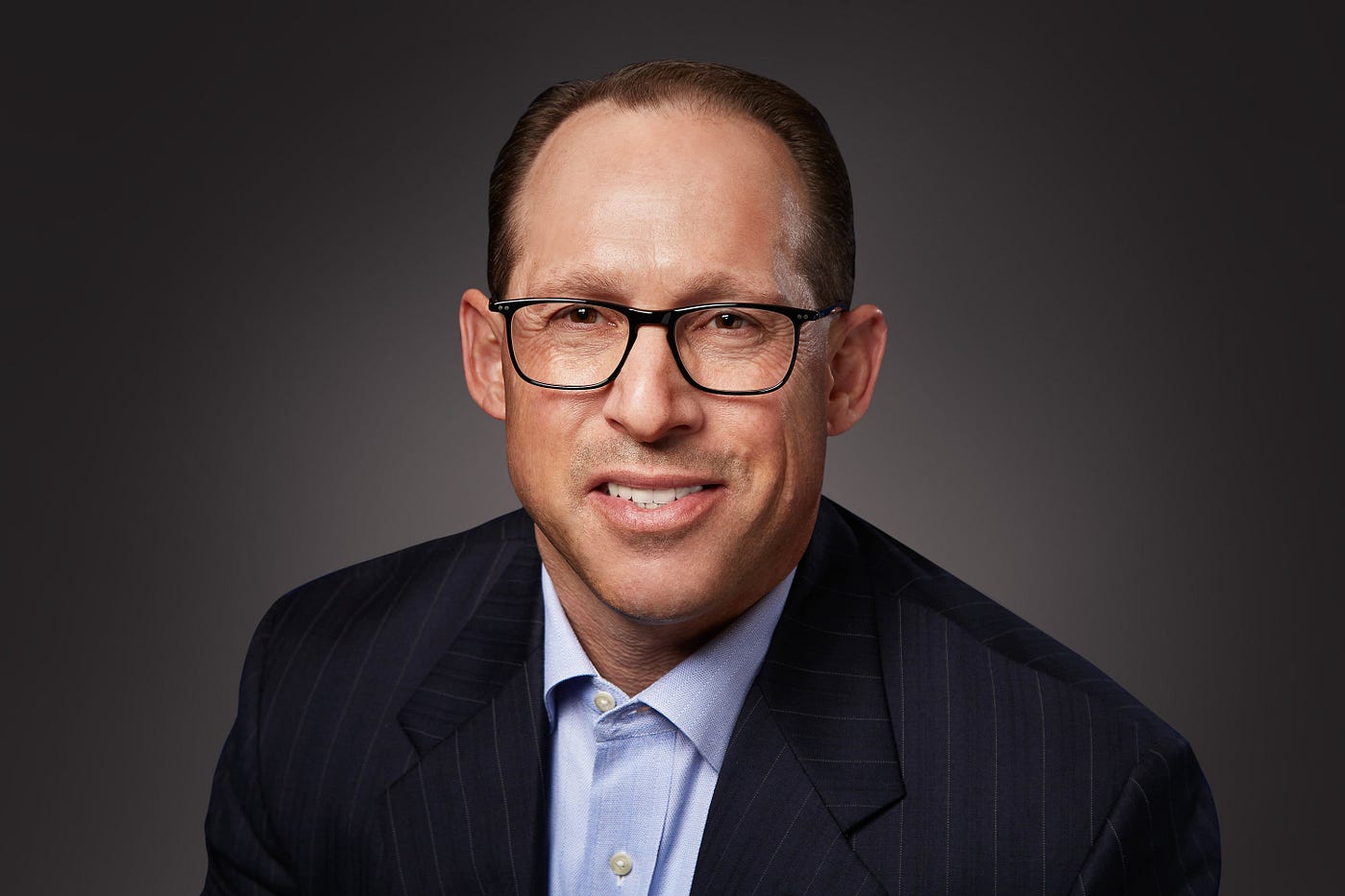
Out of college, I played professional soccer for three seasons and in 1990, my new wife was pushing me to get a “real job” in the off-season and that’s when I got into the wireless industry with McCaw Communications. It was the early days for wireless and penetration was very new and very low in the US. I really fell in love with the space, the technology and was able to turn it into a 27- year career with AT&T. When I retired at the end of 2017, I was the CEO of the AT&T Mobility Business, running all Consumer Operations for the company. I had an incredible career with AT&T and made the decision that it was time to move on. I really wanted to go run something, find a new challenge and that’s when I decided to join Synchronoss as CEO.
How do you synchronize large teams to effectively work together?
It’s actually pretty simple. It only becomes difficult to get large teams rowing in the same direction or singing off the same tune when you make it too complex. You need to be very simplistic in defining what winning is and what you’re trying to get accomplished. This is done by setting very specific, clear and simple goals that large groups of people can understand. The next step is letting people know how they fit into those goals. Large teams are made up of individual people and those individual people have a thing I call, “Me Issues.” They ask important questions like, “What about me, where do I fit and how do I support this?” Answering those questions is how I learned to manage large groups of people as individuals and a team. The “Three P’s” were born out of that. The first P is about People and the last P is about Passion. The middle P is for Purpose, which means making sure everybody understands how they fit in and how they help the company be successful.
Underneath that, you have to have a set of very clear goals and initiatives. At Synchronoss, we call these Initiatives are our “Four Pillars.” Once everyone in your organization understands these, how they impact them and how they’re doing at achieving them, managing people becomes much easier. When people believe and feel that they’re winning it keeps them working together in the same direction. It’s really just that simple.
What is the top challenge when managing global teams in different geographical locations? Example or story?
The hardest part about geography, whether it is in the US or globally, is to make sure you are communicating effectively. When you communicate with people, it needs to be timely and relevant. You also need to make sure that, as a leader, you create opportunities to look people in the face. You can’t manage people globally, or domestically, unless you go meet them, shake their hand, get to know them, understand where and who they are as individuals. Many leaders make the mistake of wanting to always do this through a conference call, etc. You must make the effort to go see people. Then it goes back to what I talked about in the previous question — keep things simple and crisp, make sure people understand how they fit with supporting and achieving company goals/Initiatives and communicate those things effectively.
Most times when people quit their jobs they actually “quit their managers.” What are your thoughts on retaining talent?
You need to get personal with your talent, to get to know them individually as human beings, and treat them as you like to be treated. People that are really dedicated great employees feel valued, developed, understood, and have personal relationships with their supervisors. Managing people is the greatest opportunity of your career; it’s the most important thing you do every day. I always ask leaders, “Do you have time set aside in your calendar to actually lead your people? Do you make the effort to talk to people every week, have one-on-ones and get that regular interaction?” If the answer is “No,” then you’re not doing it right.
Based on your personal experience, what are the “five things you need to know to successfully manage a team?”
I view myself at the bottom of the totem pole, not at the top. I’m the support mechanism to the team, not the one driving what everybody does. You’ve heard the Steve Jobs quote, “You don’t hire great people to tell them what to do, you hire great people to have them tell you what to do.” This could not be more spot on and how you should lead your teams. The first measure of anything is understanding where you fit in the ecosystem and, as leader, it’s at the bottom.
Second, you have to get to know your team individually and understand who your people are. Everybody has their own idiosyncrasies. For instance, some people like recognition that’s public, some don’t. You need to understand what’s going on in an individual’s life because people are not robots.
The last three I’ve discussed in earlier questions. You need to set very simple and succinct goals. You need to make sure each individual understands how they help drive those goals and, finally, you must make sure you’re communicating and measuring what is expected from individuals as they work towards goals.
If you could inspire a movement that would bring the most amount of good to the most amount of people, what would it be?
The movement is this: Treat people all the time, every day and at every moment with respect. It’s the movement I’ve been pushing for a long time, that I hope will be my legacy at AT&T and that I will continue pushing at Synchronoss. Corporate America tends to drive this “Because I’m a higher level than you, I’m better than you” kind of mentality. I’d argue that kind of thinking is death to an organization. Levels are needed in order to make decisions, and I get that, but in organizations that are most successful, everyone is respected, listened to and treated as an equal.
People lose track of the fact that the number one thing in this world is relationships. If asked what my secret to success is, I’d say it is about building relationships and relationships are built on mutual respect. In business, I’ve learned that negotiations aren’t about my side winning and the other side losing; they’re about both sides winning and maintaining and strengthening relationships. The movement we need to have is mutual respect for everyone regardless of race, gender, education, etc. and I believe it is the number one thing everyone has an opportunity to affect.
Can you please give us your favorite “life lesson quote?”
“Great teams and great people always find a way to win.” When you go into any situation — it could be starting a job, moving to a new city, beginning a new relationship — there are always going to be issues and speedbumps you encounter. And so, when you’re in the middle of that tough situation, you have to look around and say, “Can I find a way?” And the answer is that great people and great teams always find a way to persevere around those difficulties