Success is having a plan, getting the right team on board, achieving your goals but also definitely enjoying the journey and benefitting and learning along the way.
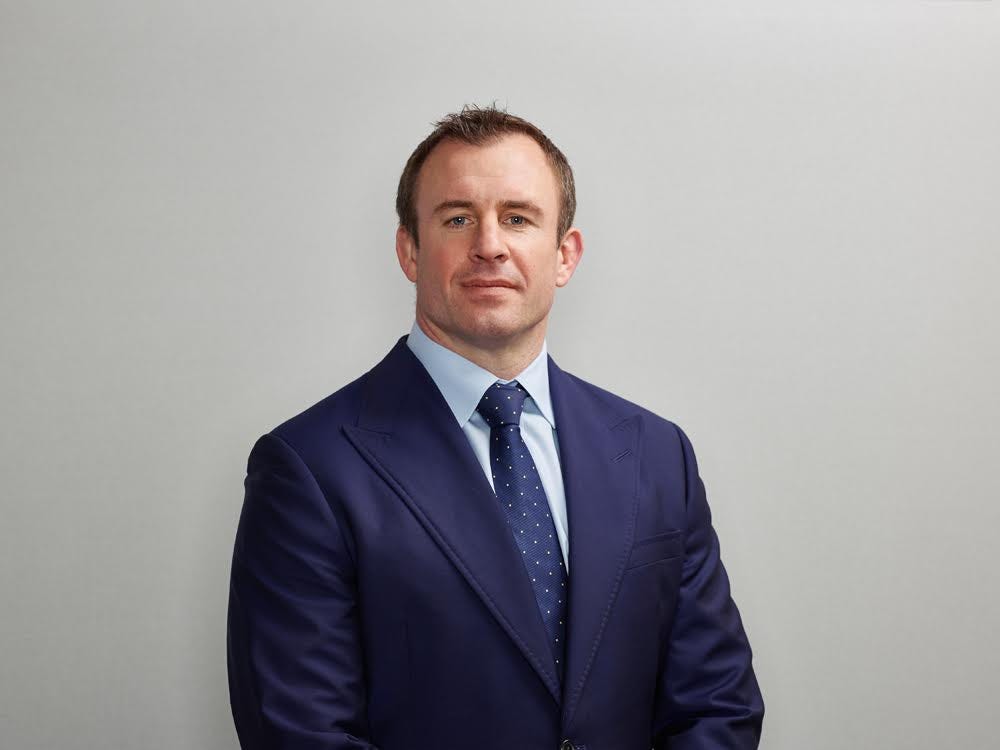
I had the pleasure of interviewing James Lloyd-Townshend, CEO of Frank Recruitment Group, a global, multi-brand niche technology recruitment organization.
Thank you so much for doing this with us! Can you tell us about your journey to becoming CEO?
I have always been a very competitive sportsman, playing Rugby (almost!) into my 40s. When you’re super competitive, sales is quite a natural and comfortable environment in which to thrive.
After University, I went back to Northern Ireland and sold tractor finance to farmers and did very well out of it, but then I decided to move to the North of England and found a job in recruitment, which was and still is, largely telesales. I looked around, learned from and emulated those who were successful and climbed up the ranks.
Fast forward 20 years and I was the MD of several business units for one of the largest listed recruiters in the world. Four years ago, I was introduced to Frank Recruitment Group and took the job of CEO, during which time I have done two private equity deals, the first of which gave our first investors their best return ever — I’m confident I will do the same for our current investment partners.
What is your definition of success?
Success is having a plan, getting the right team on board, achieving your goals but also definitely enjoying the journey and benefitting and learning along the way. In our business, people are proud to work here, as we’ve made it a fun environment that is professionally, emotionally and financially rewarding.
Can you share the funniest or most interesting story that happened to you since you began leading your company?
We take on every level of candidate, from fresh graduates to those who have sales experience outside of the recruitment industry. I’ve been involved in many interviews to bring new talent into the business, and one of the most memorable is when I asked what his career aspirations were — his response was he wanted to be dictator of Europe.
What failures have you had along the way? How have they led you to success?
We have a specific model that works in each of the market segments we enter. A few years ago, we decided to enter a market that was experiencing credible growth, but ignored the fact it didn’t fit our model.
After a measured amount of investment and time (about a year), we didn’t make headway. What that cemented to me is that if you have a model and it works, stick to it and don’t try to boil the ocean.
When we look back, it was serving a different segment than our sales team were equipped to handle. We now focus on being the best at what we’re good at, which is picking the right segments to align ourselves with and finding the right niche candidates for our clients.
What do you think makes your company stand out? Can you share a story?
Recruitment is a very competitive industry, and the marketplace is getting even more crowded — there are a staggering 25,000 recruitment businesses just in the UK and it’s the 3rdbiggest recruitment market behind the US and Japan.
99.9% of recruiters are still following the same strategy of working ‘generalist’ roles, which means going after the perceived low-hanging fruit. The upshot is that both employers and jobseekers get inundated with calls from multiple agencies with no differentiation.
We work in markets where candidates are hard to find, so we are in the unique position where employers will proactively find us and reach out to our nine brands ask for help. The volume and frequency of which we get inbound business is astonishing, and genuinely something I’ve not experienced in other recruitment businesses.
Are you working on any new or exciting projects now?
Being private equity-owned, we are always working on exciting projects that will maximise the value of our business. For us, it’s ensuring we have foresight into new opportunism, where dynamics of the market are similar to where we’ve previously been successful and any technical initiatives that will make our recruiters more productive.
Can you tell us about the initiatives that your company is doing to become more sustainable? Can you give an example for each?
Recruitment is a $461bn industry, which is growing year on year by 7%. The success of a recruitment business is underpinned by building and maintaining relationships, which can become challenging in an increasingly crowded market.
We operate in a unique position, using a strategy where demand outstrips supply. In the IT market, there is an inflection point where there’s enough supply to satisfy the demand, and that’s where there’s less of a need for specialist recruiters.
We try to stay ahead of the curve so that when there is a new demand, we’re able to satisfy our customers. This is first done at a macro level, which allows us to bring in new people to match the demand, and also monitoring new products and knowing when to move into that market.
Secondly, our 50-strong market research team was created to map and research our client and jobseeker markets and build and clean data sets, freeing up as much administrative time as possible for our recruitment consultants. This allows them to focus on building relationships and making them more productive while delivering a better service.
What advice would you give to other CEOs or founders to help their employees to thrive?
It sounds very clichéd, but looking back, these are my pillars:
Have a clear vision of where you want to be. Your business should try to be the best in the world in one thing (and make it a super niche), which you are both truly passionate about and importantly has a profit engine. Lead from the front, but listen to your employees and those around you, and finally when you’re in a dominant place, don’t become complacent.
None of us are able to achieve success without some help along the way. Is there a particular person who you are grateful towards who helped get you to where you are? Can you share a story about that?
I’ve drawn on the experience of a number of mentors both inside and outside of the industry and I’m equally grateful to all of them. But one person who has been influential in my career is Chris Harling, Head of Executive Education at IMEDE, and he’s mentored and helped in all aspects of business.
How have you used your success to bring goodness to the world?
We want to make Frank Recruitment Group a fantastic place for people to work, and we want to give our employees opportunities they could never imagine.
Company culture is complicated, and you should be very conscious of what is successful within your business. Recruitment used to be quite regimented, but we recognised the wellbeing of our staff is vital to success.
We have a very generous wellbeing policy in which our staff are given a chance to enjoy once in a-lifetime-trips, a flexible working environment, encouraging our staff to leave the office by 5:30 pm, and early summer finishes, as well as encouraging CSR initiatives.
What are your “5 Things I Wish Someone Told Me Before I Became CEO” and why?
It’s not going to be easy; not everyone is cut out to be a CEO. You’ll need to get out of your comfort zone and grab every opportunity as it comes along, as they won’t be handed to you. But it’s also important to have a vision and follow that, and if you see people getting promoted above you, don’t worry, just focus on your own career.
You are a person of great influence. If you could inspire a movement that would bring the most amount of good to the most amount of people, what would that be? You never know what your idea can trigger.
If there was any movement that I want to put some horse power behind, it would be health, fitness and wellbeing in the workplace. In fact, it’s something we already do as a business, with our running, yoga and boxing clubs.
Can you please give us your favorite “Life Lesson Quote”? Can you share how that was relevant to you in your life?
Ask for forgiveness and not permission. I always encourage people in the business to do that, to make their decisions and to live and die by those. Success is all about taking risks, but measured risks and being accountable for those. My sales directors know this is my mantra and within the last three years they’ve gone out and sourced new markets without explicit permission from the board, which has led to the creation of two very successful new brands.