In early 2020, COVID-19 arrived. We first saw cancellations skyrocket in Rome and then our occupancy rates cratered overnight.
Business
Francis Davidson of Sonder on Crisis Management, Productivity Hacks, and Scaling Through Uncertainty
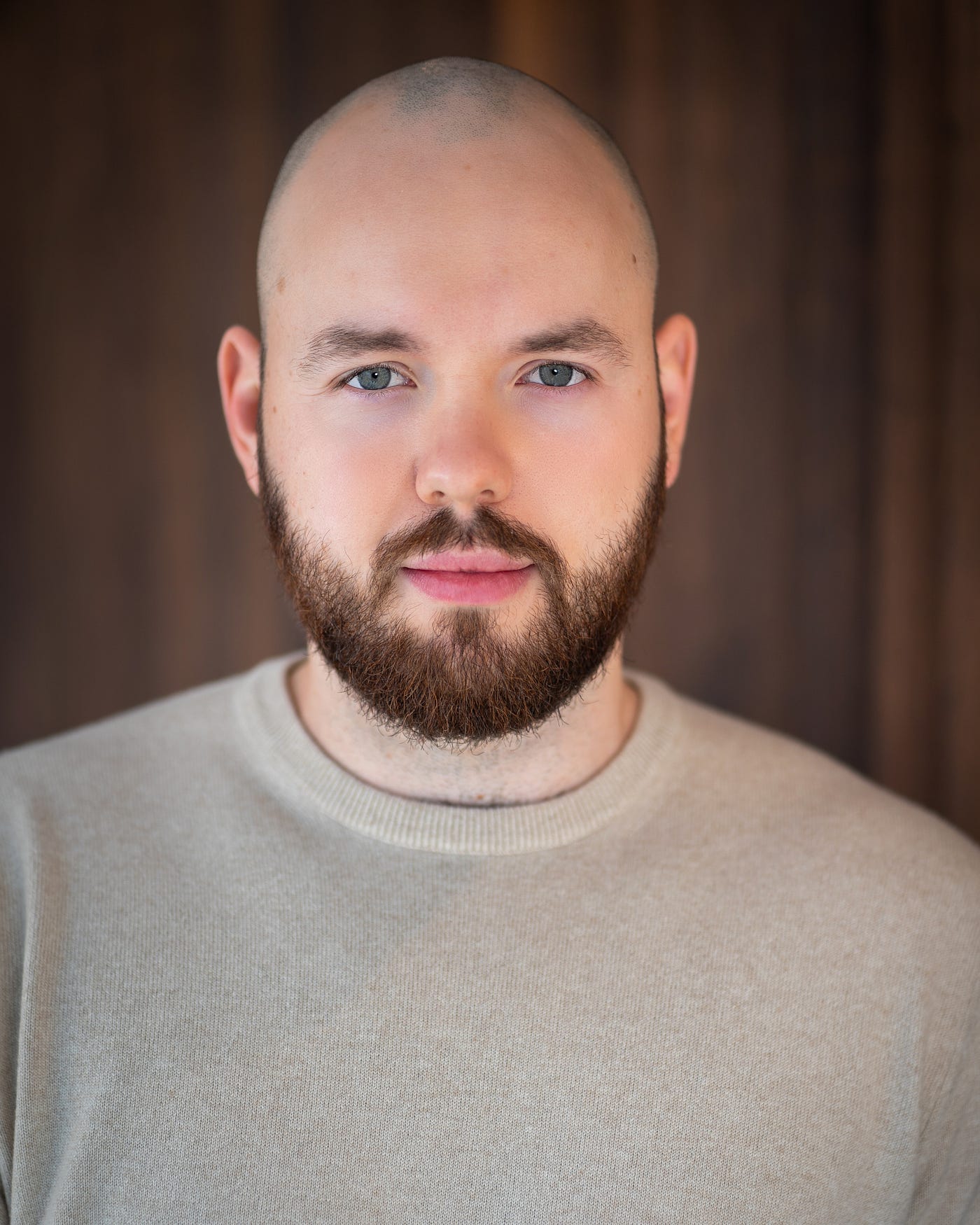
As a part of our series called ‘Five Things I Wish Someone Told Me Before I Became A CEO’ we had the pleasure of interviewing Francis Davidson, Co-Founder and CEO of Sonder.
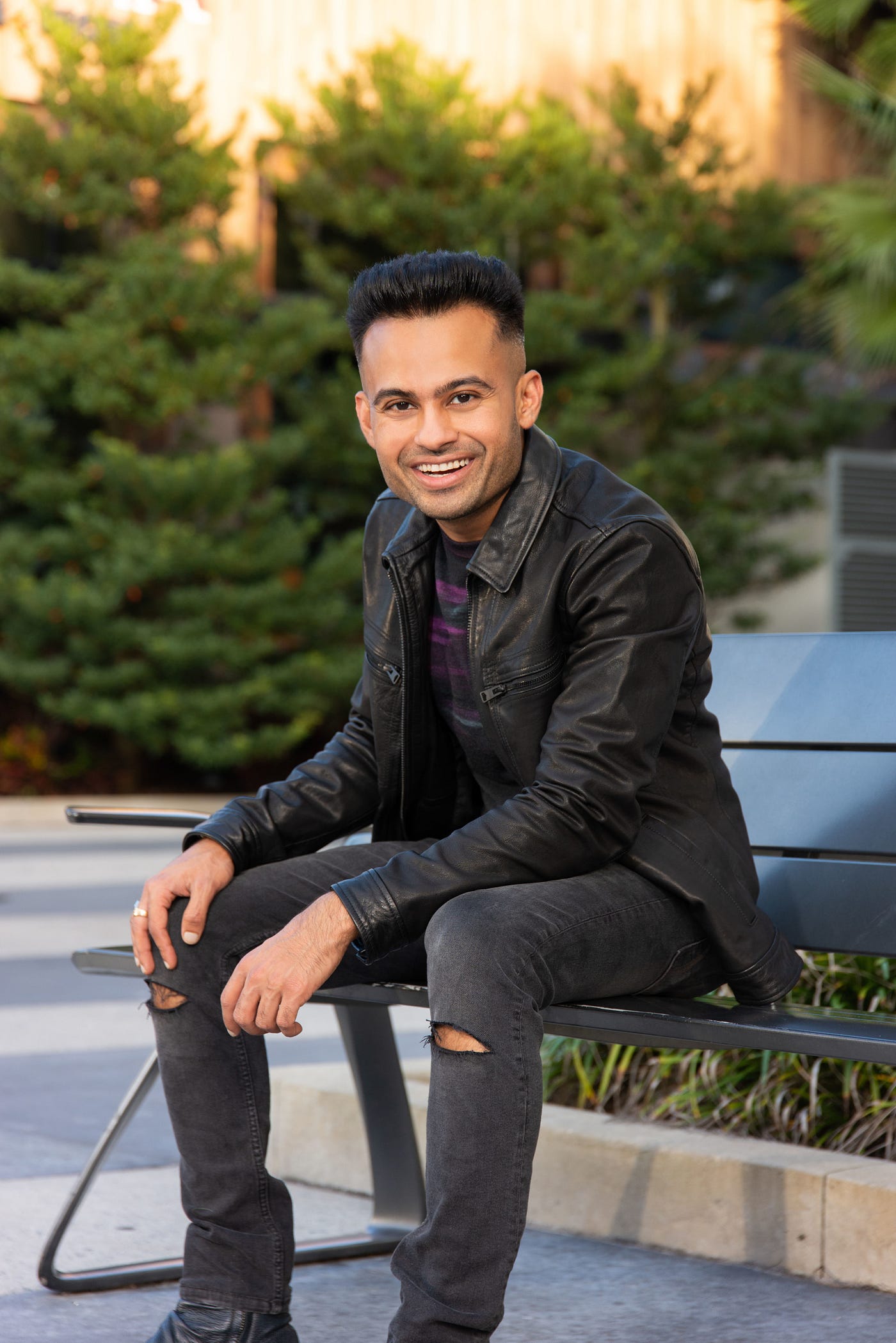
Francis Davidson is the Co-Founder and CEO of Sonder. In the summer of 2012, after his first year at McGill University in Montreal, Francis sublet his college apartment to vacationers. Over the next two years, he went on to manage the empty apartments of other students in many different cities, ultimately leaving his studies to pursue Sonder full-time with a vision to revolutionize hospitality by bringing exceptional stays everywhere. Francis was nominated to Forbes’ “30 under 30” list for Consumer Technology.
Thank you so much for joining us in this interview series! Before we dig in, our readers would like to get to know you a bit more. Can you tell us a bit about your “backstory”? What led you to this particular career path?
I was 19 when I incorporated Sonder. It’s truly wild to think of how the following decade unfolded, culminating with the eventual IPO of the business I started in a basement by McGill University. I grew up in Quebec, Canada and as a late teenager I developed an interest in philosophy, economics and generally became quite bookish. I didn’t dream of building a business, but my intellectual curiosity was insatiable. After I tried but failed to get a summer internship, I decided to find ways to create my own work, and this is where my passion for entrepreneurship was seeded. The most fascinating part of it was how frequent the feedback loops were. Incorrect hypotheses would show up in next month’s results, as did the good ones. I viewed building a business as a multi-dimensional, holistic challenge that encompassed math, psychology or creativity, and one that would test my resilience.
Can you share the most interesting story that happened to you since you began leading your company?
In early 2020, COVID-19 arrived. We first saw cancellations skyrocket in Rome and then our occupancy rates cratered overnight. By March 2, 2020, it was increasingly clear that we’d have to take drastic action or we might not make it as a business. This is one of the moments in the journey of company building where you stare at the abyss and start fearing that it may all end. That the years of hard work may amount to nothing and just leave behind the humiliation of having possibly failed your team and supporters. Every great company goes through a deeply defining moment at one point or another in its existence. This was the first of our defining moments and we just had to keep our heads up, power through and do the best we could given the cards that we’d been dealt.
By March 17, 2020, one day after the start of lockdowns in the US, we had landing pages up on Sonder.com targeting traveling nurses, discounts for longer stays and performance marketing campaigns ready to go for a variety of niche use cases. We did everything we could to offset the waning demand, including revisiting hundreds of deals with property owners and making very difficult downsizing decisions. Through really intense focus, we successfully reversed our downward occupancy trend and were up in the 70 percentile range within a few months. We even closed a $200M+ Series E funding round along the way. Over the next year, the pandemic kept bringing new twists and turns, with further waves and variant after variant, but our numbers kept getting better. We powered through, and gave everything we had to turn this crisis into an opportunity.
Can you share a story about the funniest mistake you made when you were first starting? Can you tell us what lesson you learned from that?
I didn’t use a lawyer to do our first round of funding. I did all the docs myself using templates online…I thought I did a reasonable job but apparently the lawyers we used for our next round of funding didn’t think so! It cost $20K to repair those mistakes. Ouch!
None of us are able to achieve success without some help along the way. Is there a particular person who you are grateful towards who helped get you to where you are? Can you share a story about that?
I’ve benefited from many coaches and mentors along the way. There are too many to call out specifically. They’ve each helped me grow at a different stage. I’ve found that the knowledge gained from them was somewhat logarithmic — the biggest learnings occur in the first year or two of working with them. It’s important to recognize when the curve is flattening and go find that next great new teacher.
Leadership often entails making difficult decisions or hard choices between two apparently good paths. Can you share a story with us about a hard decision or choice you had to make as a leader?
The balancing act between expansion and focus is hard to nail. Competitive pressures push you to grow really fast, sometimes uncomfortably fast. In 2019 we decided to accelerate growth. We had a dozen venture backed competitors, and they were threatening our market leadership so we went full throttle. We launched a bunch of markets, our growth rate went up by a lot. It came with its risks but our view was that the tradeoff was worth it. I’m glad we went for it.
Ok, thank you for that. Let’s now jump to the primary focus of our interview. Most of our readers — in fact, most people — think they have a pretty good idea of what a CEO or executive does. But in just a few words can you explain what an executive does that is different from the responsibilities of the other leaders?
The CEO’s job in my view is to do everything and anything possible for the company to succeed. This means that personal preference for what to work on shouldn’t influence what the CEO does. It’s all about delivering results. Whether it’s accounting, growth strategy, or culture — the CEO needs to flex where there’s a need — typically where performance isn’t where it can be. The job is different because it’s so broad, with rapidly shifting focus and thorny problems to solve all day every day. There’s never a dull moment.
What are the “myths” that you would like to dispel about being a CEO or executive? Can you explain what you mean?
Some believe that CEOs should only focus on hiring great people and letting them work their magic. Given the CEO’s broad remit, how could they possibly add value across all departments? I’m personally not aligned with this point of view. Hiring well and supporting the exec team is valuable, but a CEO should coach their team to be more ambitious and to find pathways to deliver on those elevated goals. Doing so while having less domain expertise and less time to ponder about specific problems than departmental leaders is why the job is so hard and so unique.
What is the most striking difference between your actual job and how you thought the job would be?
Now that I’m a public company CEO, I feared that my days would be mired in bureaucracy and public company-related work. But it turns out that the difference between a great public or a great private company isn’t all that different — you just have to put cold hard results on the board quarter after quarter. My primary focus hasn’t shifted as much as I would have anticipated.
Do you think everyone is cut out to be an executive? In your opinion, which specific traits increase the likelihood that a person will be a successful executive and what type of person should avoid aspiring to be an executive? Can you explain what you mean?
Being a great exec requires the whole package. Intelligence, character, work ethic. The bigger the job, the bigger the list of capabilities that need to support it in order to be successful. The key to becoming that high-output leader is to be unrelenting about self-improvement. Seek feedback from everyone you work with. Make it easy for them to give it to you. Ask your manager what you need to do to get to the next level. Devise plans from this, and make it happen. Every day you can become a better version of yourself. Years of compounding later, you will be able to take on greater challenges more effectively.
What advice would you give to other business leaders to help create a fantastic work culture? Can you share a story or an example?
We decided to open-source Sonder’s culture. You can find our culture deck here. One of the most distinctive things about what we do is that we’ve not only documented our principles, but also what we call our customs. It’s the unified way we work together to be more effective, from how we do 1:1s to how we communicate.
How have you used your success to make the world a better place?
I believe that great companies are a force for good in the world. I’m hoping that we’ll keep growing the Sonder footprint globally so that we can offer our elevated, democratized hospitality offering to a greater number of travelers.
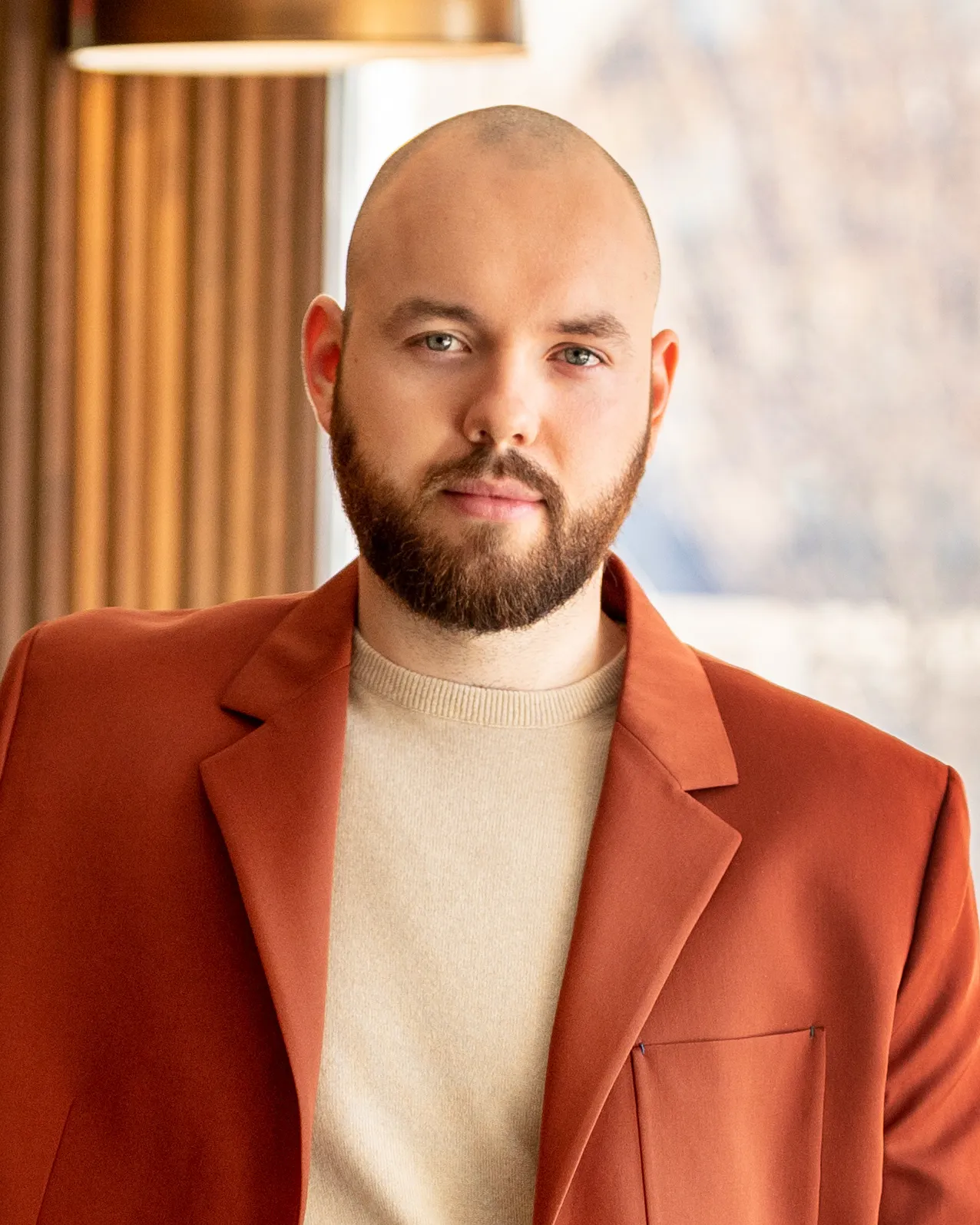
Fantastic. Here is the primary question of our interview. What are your “Five Things I Wish Someone Told Me Before I Became A CEO” and why? (Please share a story or example for each.)
1 . Pro athletes are very particular about their health inside and outside of their sport. The same is true of CEOs: take care of your health and you’ll perform better and love the work more. Sleep adequately, eat well, avoid alcohol, and exercise frequently.
2 . Increasingly, young people are judged by their capabilities and not their lack of experience. Take a leap, aim higher, even if you have less experience than others. My age has rarely if ever been an issue when it came to hiring executives, raising capital or landing big partnerships.
3 . Be a careful student of what you want to disrupt. Many problems have been solved before — it’s crucial not to reinvent the wheel. I used to think that we could come in and change the way everything worked in hospitality. That wasn’t true — there were tried and true things that work really well already — we could have adopted those earlier on.
4 . Create a culture where you encourage others to openly disagree with you. At Sonder we have a principle called “obligation to speak up”, and we’ve set up decision making meetings in a way where each participant is asked to write down their feedback, so that we can benefit from the collective wisdom of the team. Proactively seeking feedback will dramatically increase decision making quality — without it you’ll be in the dark about what to improve or whether your team is unsupportive of your decisions.
5 . Invest in becoming incredibly productive. A CEO can quickly get overwhelmed by the quantity of work to be done, inboxes to manage, meetings to attend. You have to move through those very effectively. There are numerous ways to spend less timing managing inboxes, waste less time in meetings, or to get tasks done faster. I’ve found enormous benefits from mastering keyboard shortcuts, productivity hacks, and meeting structures. Moving faster translates to superior output and gives you enough time to invest in your health.
You are a person of great influence. If you could inspire a movement that would bring the most amount of good for the greatest number of people, what would that be? You never know what your idea can trigger.
I believe that we need to rethink our schooling system. More and more money goes into it, and the results are getting worse. This is a tragedy — we should be able to do so much better. Charter schools are a starting point, but we have to support other ways to increase accountability in schooling systems more broadly.
Can you please give us your favorite “Life Lesson Quote”? Can you share how that was relevant to you in your life?
In Dune, Frank Herbert writes: “I must not fear. Fear is the mind-killer. Fear is the little-death that brings total obliteration. I will face my fear. I will permit it to pass over me and through me. And when it has gone past I will turn the inner eye to see its path. Where the fear has gone there will be nothing. Only I will remain.” Fear disarms the brain. Managing emotions, keeping one’s head cool — that’s the only way to make great decisions through an organization’s crucible moments. I’ve now come to believe that resilience is the most important character trait to be successful in business, and to thrive in one’s personal life.
We are very blessed that some very prominent names in Business, VC funding, Sports, and Entertainment read this column. Is there a person in the world, or in the US with whom you would love to have a private breakfast or lunch with, and why? He or she might just see this if we tag them
Jeff Bezos’ fund has been an investor in Sonder for several years, but I haven’t had the chance to spend time with him face to face. I’m a careful student of his work, and believe that he was the most consequential innovator of the last few decades. I’d love to sit down with him.
Thank you for these fantastic insights. We greatly appreciate the time you spent on this.
Written by
Yitzi Weiner
Founder & Editor-in-Chief · Authority MagazineYitzi Weiner is a journalist, author, and the Founder and Editor-in-Chief of Authority Magazine. Since 2018, he has conducted and overseen thousands of in-depth primary-source interviews with Fortune 500 CEOs, founders, scientists, bestselling authors, and cultural leaders.

Published inAuthority MagazineTop Lessons, Top Authorities · 42K Followers
Exclusive, curated interviews with the leaders and changemakers shaping tomorrow. Leadership lessons, industry deep dives, and executive profiles.