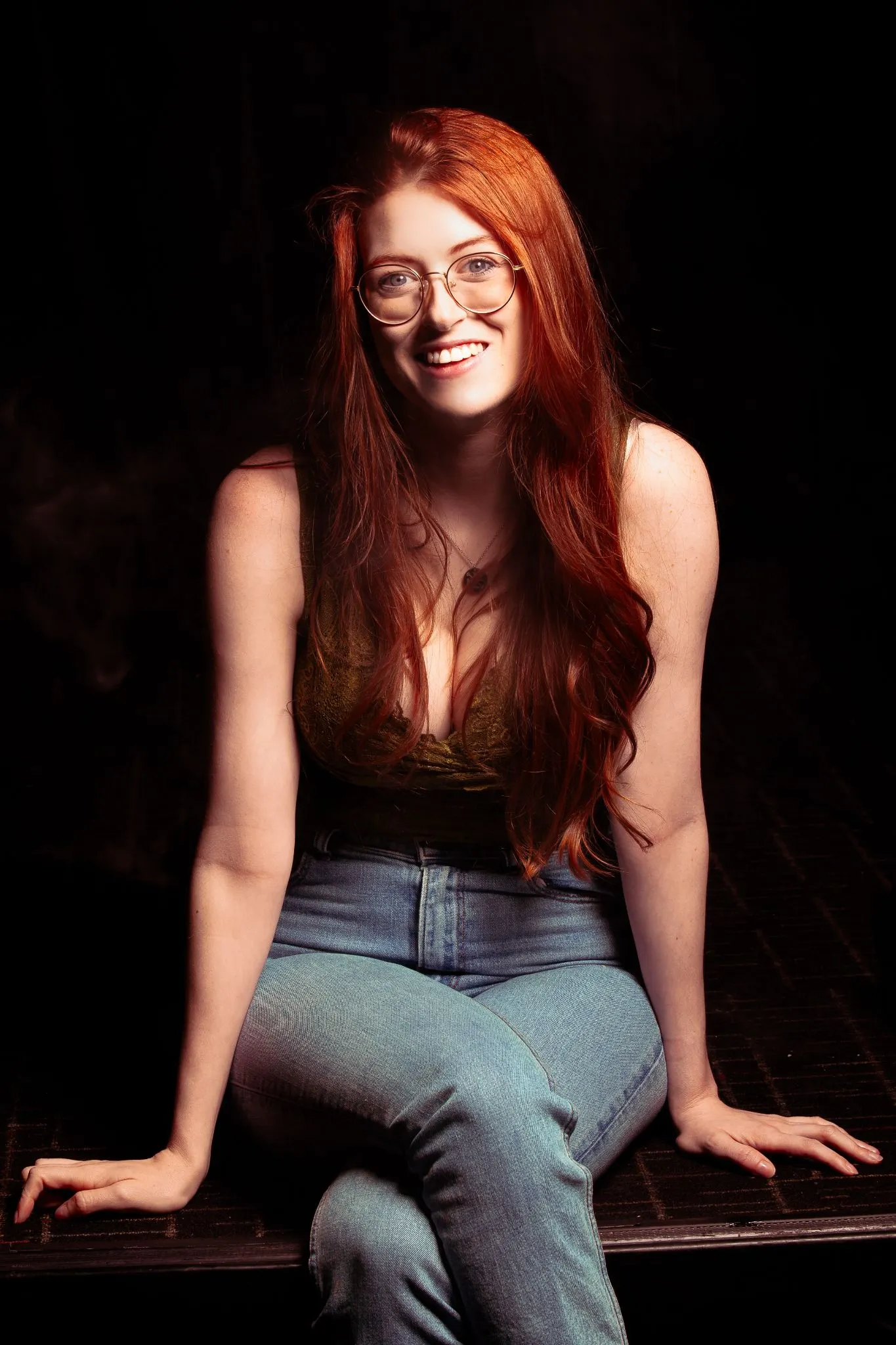
I’ve always been a silly person so I gravitated toward comedy because I didn’t see someone like me represented in that space.
Comedian Fiona Cauley shares how using humor to navigate Friedreich ataxia helps break down misconceptions about disability and connect with a wider audience.
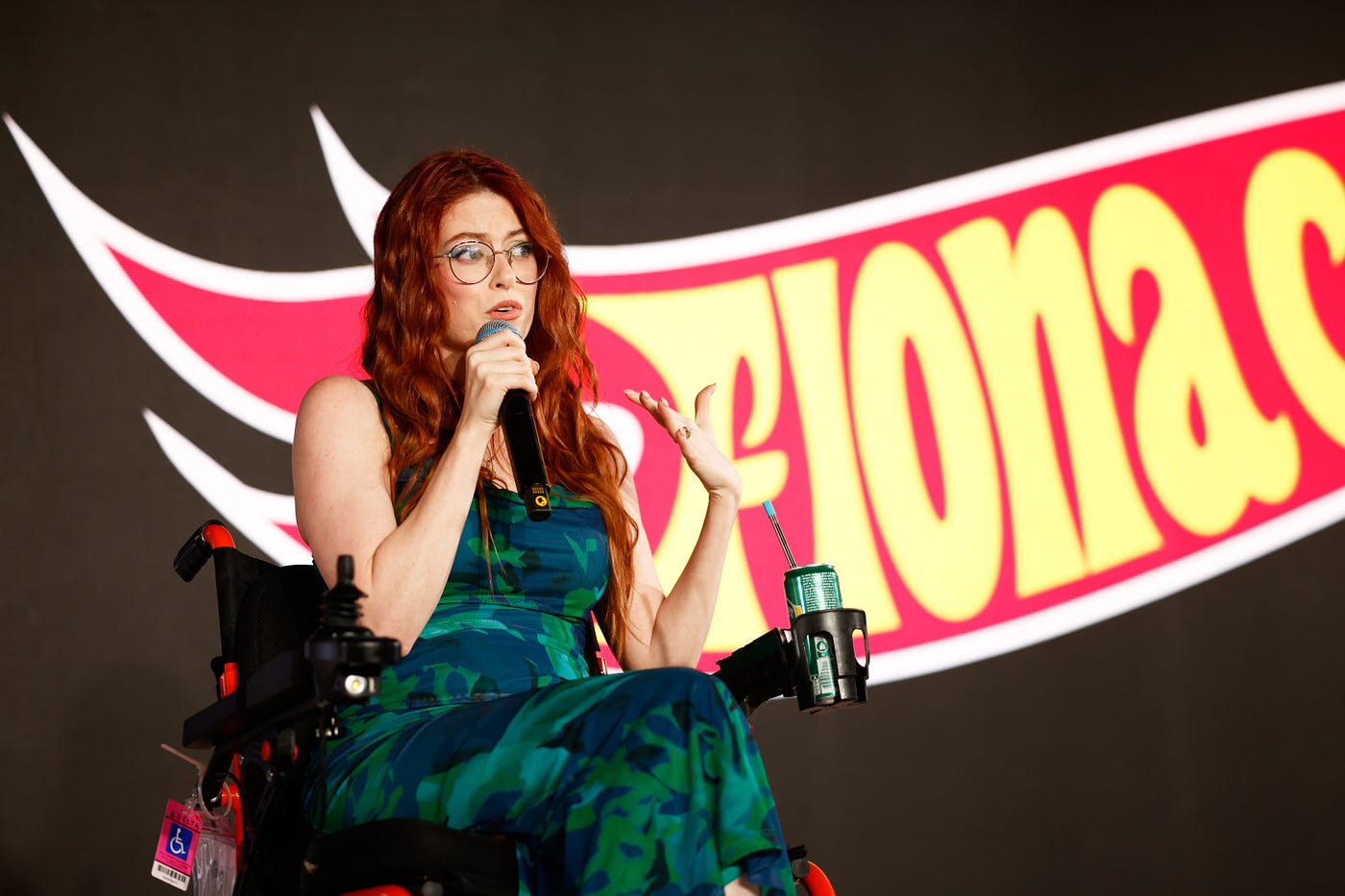
I’ve always been a silly person so I gravitated toward comedy because I didn’t see someone like me represented in that space.
As a part of our “Unstoppable” series, we had the pleasure of interviewing Fiona Cauley.
Fiona Cauley is a Nashville-based comedian known for her appearances on the comedy podcast Kill Tony and for using her platform to raise awareness about Friedreich ataxia, a rare genetic neurological disease she was diagnosed with at 18. After initially facing disbelief from those around her during her years of undiagnosed symptoms, Cauley has turned her experience into a central theme in her comedy, using humor to break down misconceptions about disability. She has toured with Nikki Glaser, performed at venues across the country, and spoke alongside Bill Nye at the Cannes Lions Festival of Creativity. Cauley frequently headlines at Zanies Comedy Club in Nashville and continues to connect with audiences nationwide. Her work has resonated deeply within the FA community, offering both visibility and encouragement through her performances.
Thank you so much for doing this with us! It is really an honor. Our readers would love to get to know you a bit better. Can you share your “backstory” with us?
I’m a Nashville-based comedian and frequent guest and golden ticket winner on Kill Tony in Austin. When I was 18, I was diagnosed with a genetic neurological disease called Friedreich ataxia (FA) after years of experiencing symptoms and no one in my life believing there was a real cause. I was walking in high school, started college with a cane, ended college with a walker, and am now in a wheelchair. I’ve always loved comedy, and being able to talk about FA on stage has helped spread awareness about the condition, normalize conversations about disabilities, and connect me to the larger community. Throughout my career, I’ve toured with Nikki Glaser, spoke at the Cannes Lions Festival of Creativity in France, and frequently headline comedy shows across the country. You can find me at Zanies Comedy Club in Nashville, rolling to a comedy club near you, or any local hotdog stand.
Do you feel comfortable sharing with us the story surrounding how you became disabled or became ill?
I started showing symptoms of Friedreich ataxia, which is a genetic neurological disease, around age 15, but wasn’t officially diagnosed until I was 18. I was a high school athlete and slowly started to lose coordination. At first my mom and teachers didn’t believe that I was having real issues, they thought I was faking it to try to get attention. One time my high school principal even asked to smell my breath because she thought I’d been drinking based on my speech and how I was walking. Since I didn’t have any answers for so long, I would practice walking and talking in my room and it was a real psychological battle. I thought I might have had an equilibrium issue and wanted to prepare to go to college, so I started searching for answers. I eventually saw a neurologist who performed a genetic test which confirmed I had Friedreich ataxia. I was relieved to finally have some answers and happy to clear the air with others that my challenges were due to a genetic disease.
What mental shift did you make to not let your circumstances stop you?
I’ve always been a silly person so I gravitated toward comedy because I didn’t see someone like me represented in that space. In the beginning of my comedy career, I didn’t know how to explain that I have FA, but I found that using comedy to talk about my disease helped people understand FA and that underneath it, I’m just like everyone else. Without a doubt, having Friedreich ataxia is challenging and I’ve cried so many times over the years about my disease. But I also know that I can’t change my reality — I still have a life to live. I decided, I’ve cried enough and can choose to find joy in life, which there is plenty of. Spending time laughing and being happy is much more fun than being sad and crying all the time.
Can you tell our readers about the accomplishments you have been able to make despite your disability or illness?
I’ve been able to live a pretty normal life despite having FA and am proud of my accomplishments. FA doesn’t stop you from doing what you love. People with FA can do most anything, they just have to work a little harder. I’ve lived alone, went to college and bought a house. I recently toured with Nikki Glaser and regularly perform comedy around the country. In June I traveled to France and joined Bill Nye the Science Guy and the company 21Grams in a talk sponsored by Biogen at the Cannes Lions Festival of Creativity. The talk focused on the power of humor to help people talk about complex topics, including serious illnesses, and how humor can help people cope and connect with others. Biogen is the company that makes the FA treatment I take called SKYCLARYS, which is the only FDA approved treatment to help slow the progression of my disease. I’m grateful that now there’s a FA treatment that can help people maintain as much function as possible, for as long as possible.
What advice would you give to other people who have disabilities or limitations?
Educate others. Be honest about your disease and your limitations, but explain all the things you are able to do and accomplish, and remind yourself of that fact too. The general public’s perception of disability is very two dimensional — if they see someone in a wheelchair, they assume that person is paralyzed. If they hear me talk, they assume I have a mental or cognitive disability. I think it’s so important to normalize conversations about the specifics of your condition. Invite the questions about it, but focus on the fact that your disease doesn’t define you. There’s so much more to a person than the disease they have.
None of us are able to achieve success without some help along the way. Is there a particular person who you are grateful towards who helped get you to where you are?
This might be shocking because she did not help assist me in my diagnosis and created a lot of roadblocks to figuring out what was going on with my health. My mom has been so important in my journey and shaped me to essentially handle tragedy in the way I have. She has always been a big advocate for tough love and has never believed in coddling me regardless of my diagnosis. My Mom in all her good and bad has never seen me as helpless, therefore I’ve been incapable of feeling like a victim. She has always advised me to keep moving so that’s exactly what I’m doing.
How have you used your success to bring goodness to the world?
It’s been surprising, and moving, to see how my comedy has helped the FA community and also raised awareness among the general public about this very rare disease. I’ve gotten messages from so many people who have FA that have watched my comedy and now feel seen, understood and more comfortable explaining their condition to others. One woman with FA told me that now when she tries to explain FA to someone, instead of telling them to “Google FA,” she says “I have what Fiona Cauley has,” which makes it a more approachable topic. I also recently met a mother who told me her son who has FA barely leaves the house, but when he heard I was performing locally he left the house to come see my show. Stories like that bring me to tears, knowing that I’ve impacted the FA community so profoundly and have also helped bring attention and understanding to a disease that’s so rare.
Can you share “5 things I wish people understood or knew about people with physical limitations” and why.
Can you please give us your favorite “Life Lesson Quote”?
How we deal with tragedy is what defines us.
We are very blessed that some of the biggest names in Business, VC funding, Sports, and Entertainment read this column. Is there a person in the world, or in the US whom you would love to have a private breakfast or lunch with, and why? He or she might just see this :-)
Nikki Glaser would be my answer. I’m fortunate enough to already have gotten to do that. But definitely Nikki, because of the way she has moved with so much grace on her rise through the industry. She treats everyone she meets with the same kindness and generosity no matter who they are. I think everyone can learn something valuable from Nikki.
Thank you so much for the time you spent with this interview. We wish you continued success and good health!
About the Interviewer: After becoming her father’s sole caregiver at a young age, Lucinda Koza founded I-Ally, a community-based app that provides access to services and support for millennial family caregivers. Mrs. Koza has had essays published in Thought Catalog, Medium Women, Caregiving.com and Hackernoon.com. She was featured in ‘Founded by Women: Inspiration and Advice from over 100 Female Founders’ by Sydney Horton. A filmmaker, Mrs. Koza premiered short film ‘Laura Point’ at the 2015 Cannes Film Festival and recently co-directed ‘Caregivers: A Story About Them’ with Egyptian filmmaker Roshdy Ahmed. Her most notable achievement, however, has been becoming a mother to fraternal twins in 2023. Reach out to Lucinda via social media or directly by email: lucinda@i-ally.com.
Lucinda Koza is an executive interviewer and contributor covering leadership, culture, and business for Authority Magazine.

Exclusive, curated interviews with the leaders and changemakers shaping tomorrow. Leadership lessons, industry deep dives, and executive profiles.
The former U.S. Navy commander and best-selling author shares how expanded states of consciousness and spiritual alignment reveal an ever-present state of joy.
Digital creator Victoria Shadsi shares her journey from bedroom experiments to millions of followers, detailing how emotional connection and raw consistency drive online success.
The acclaimed actress discusses her remarkable pivot from farmhand to global modeling icon and her evolution into a versatile force on television and film.
Rising music star and TikTok creator Emma Oliver shares how small-town roots, raw vulnerability, and embracing weirdness shaped her breakthrough single Sad Sometimes.
Actress Ciel Post shares her journey from battling social anxiety to finding her true home on stage, and offers essential insights for navigating the entertainment industry.
The marine biologist and researcher discusses her groundbreaking work on cephalopod cognition, emotional sentience, and how understanding animal minds can foster deeper empathy for our oceans.

 Yitzi Weiner
The accomplished actress and filmmaker discusses her artistic evolution, transitioning from psychology to the conservatory, and carving a diverse path through contemporary entertainment.