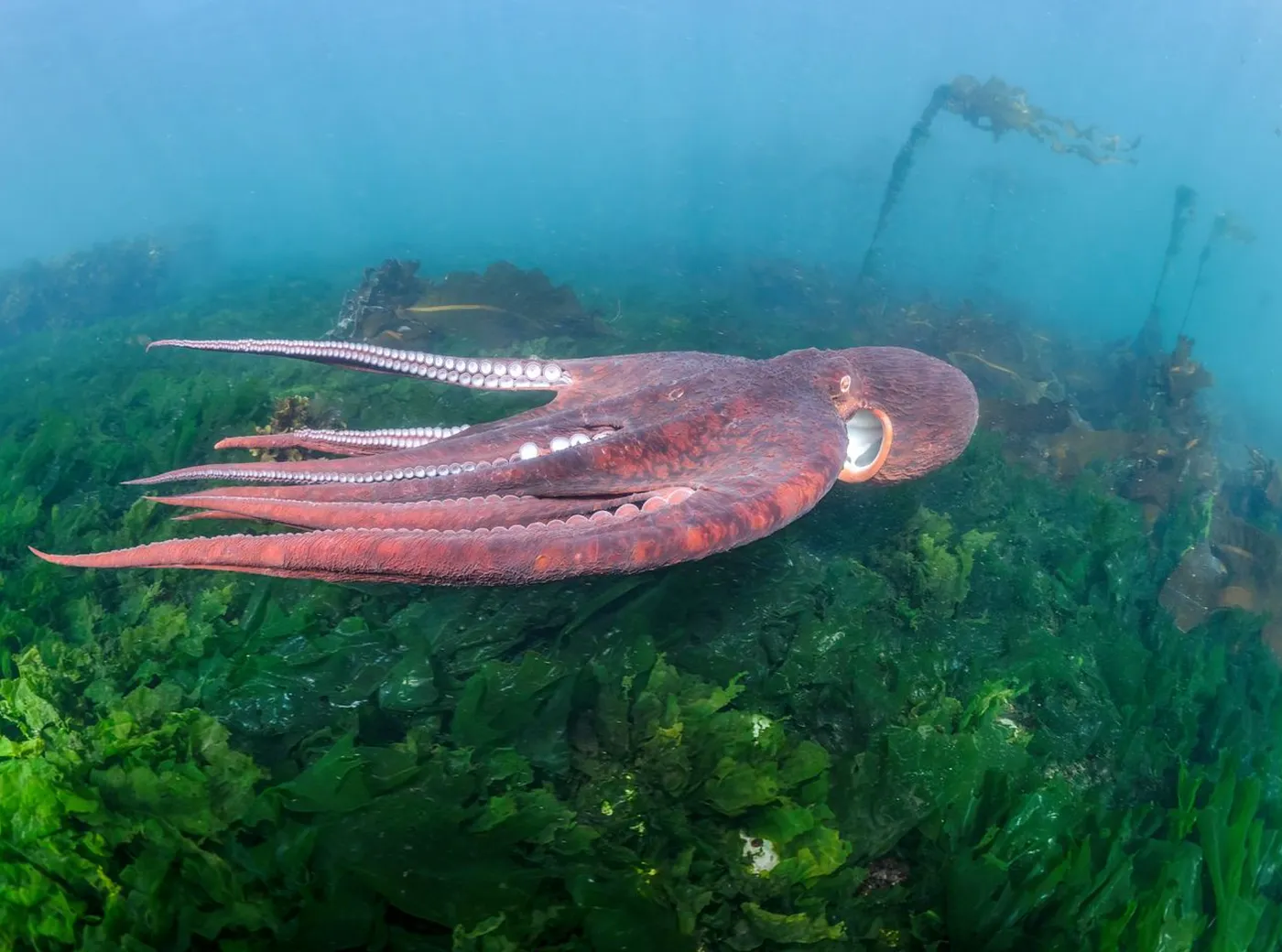
Octopuses are creatures so bizarre they could star in their own Sci-fi series, with bodies devoid of bones, three hearts that pump blue blood, and skin that shifts shape and color at their whim.
Pop Culture
Alex Schnell of ‘SECRETS OF THE OCTOPUS’ from National Geographic TV: Inside the Quest to Remove the Barrier of Otherness Through Marine Animal Intelligence
The marine biologist and researcher discusses her groundbreaking work on cephalopod cognition, emotional sentience, and how understanding animal minds can foster deeper empathy for our oceans.
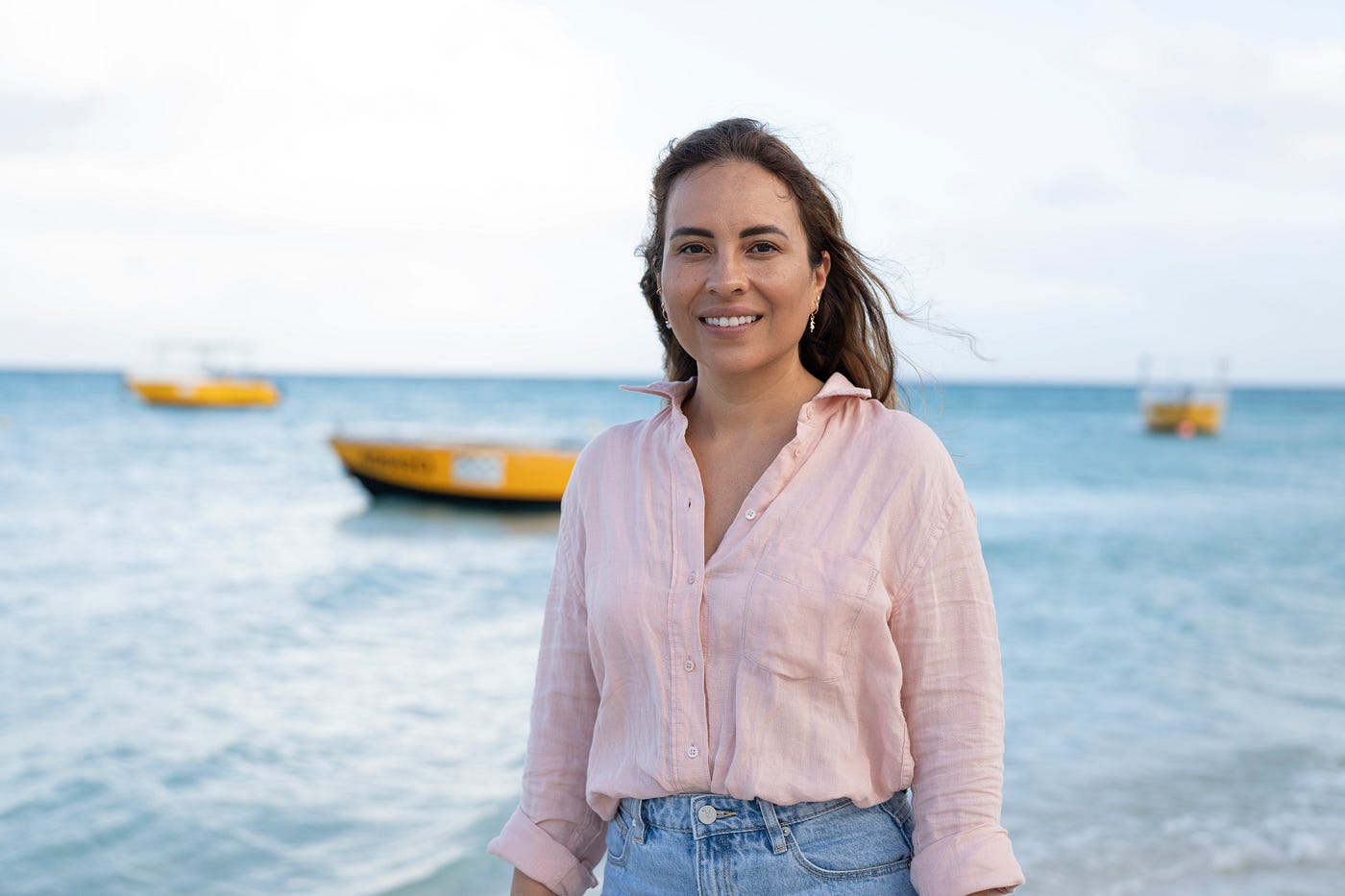
I had the pleasure to interview Dr. Alex Schnell of SECRETS OF THE OCTOPUS from National Geographic TV.
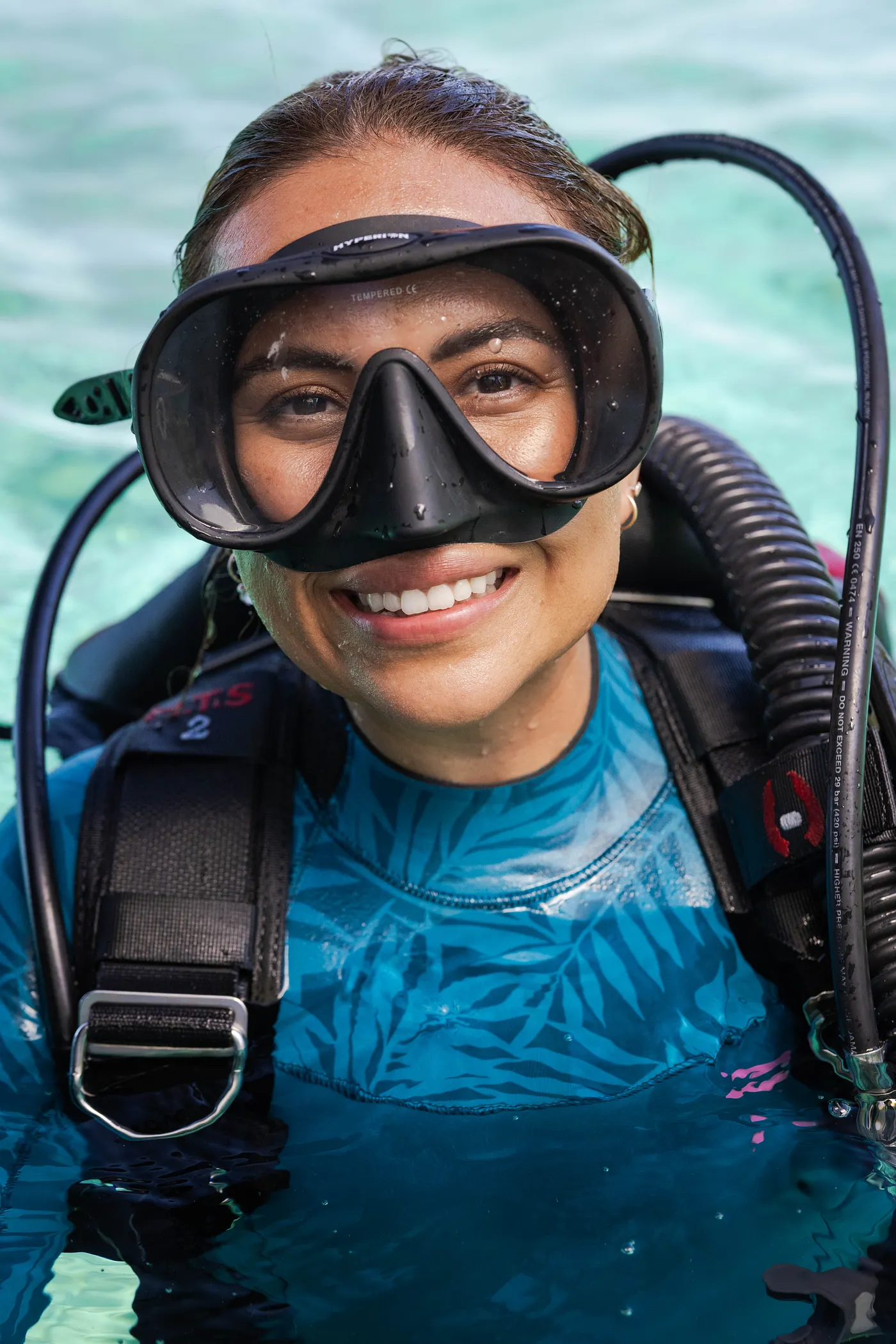
Dr. Alex Schnell grew up on the coast of Sydney, Australia, and spent most of her time by the beach, swimming, exploring and discovering. Her life has since revolved around her passion for wildlife. Her post-doctorate from the University of Cambridge, UK, focused on the complex memory mechanisms in cephalopods: octopus, cuttlefish and squid. As a science communicator, she knows that when people understand nature, they become intrinsically motivated to conserve it.
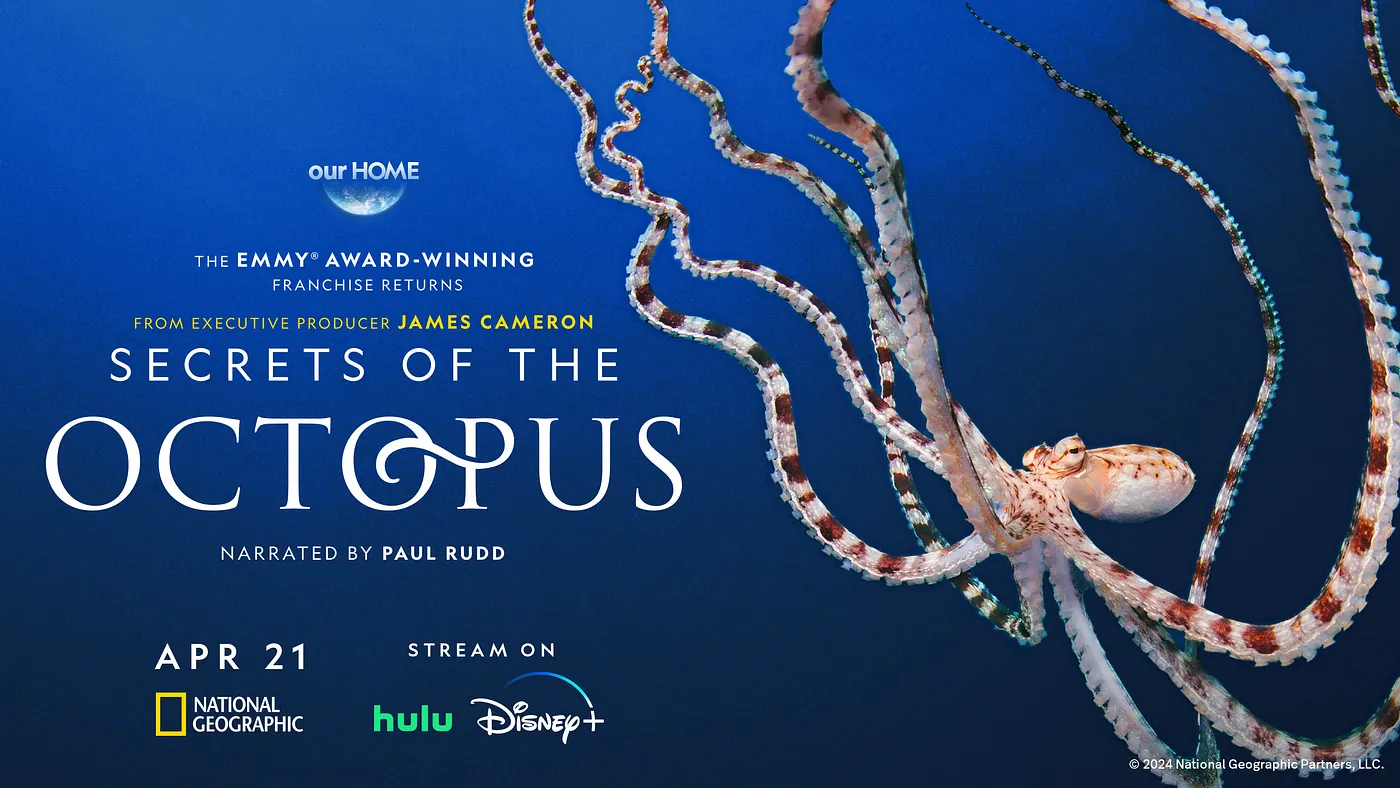
Octopuses are like aliens on Earth: three hearts, blue blood and the ability to squeeze through a space the size of their eyeballs. From Academy Award®-winning filmmaker and National Geographic Explorer-at-Large James Cameron, the next installment of the award-winning SECRETS OF franchise returns with SECRETS OF THE OCTOPUS. The three-part series explores their one-of-a-kind superpowers, extraordinary intelligence, and secret social lives. There is so much more to these weird and wonderful animals that are intelligent enough to use tools, transform their bodies to mimic other animals, and even communicate with different species. Narrated by award-winning actor Paul Rudd and featuring National Geographic Explorer, Wayfinder Awardee and science communicator Dr. Alex Schnell, SECRETS OF THE OCTOPUS will bring us closer than ever to these elusive creatures.
Can you tell us a bit about your “childhood backstory?”
I grew up on the Eastern beaches of Sydney, Australia. I spent all my time at the beach poking around in rock pools. When I was about five, I had my first interaction with a common Sydney octopus. This octopus appeared to be as curious about me as I was about it and reached out to touch my hand, it was my first ET moment and it piqued my interest in following a career path in marine science and later in comparative cognition.
As a marine biologist and producer on SECRETS OF THE OCTOPUS what can viewers expect to learn and experience from the series?
Octopuses are creatures so bizarre they could star in their own Sci-fi series, with bodies devoid of bones, three hearts that pump blue blood, and skin that shifts shape and color at their whim. Yet, within this framework of strangeness, they showcase a brilliance in problem-solving and memory that beckons us to rethink the nature of intelligence. The series will unveil traits of intelligence and emotion in octopuses, presenting these creatures in a new dimension that can deepen viewers’ appreciation and empathy. By exploring these complex characteristics, we hope to foster connection between the audience and our octopus characters.
What message do you hope it will convey to the audience?
Besides inspiring our audience to care about the lives and well-being octopuses, I hope to evoke empathy for our oceans. Our oceans need healing, they cover 70% of our planet and yet there are converging crises pf climate change, biodiversity loss, and welfare risks to marine animals. But in order to heal our oceans we need to first be able to empathize with it. But how do we empathize with a huge mass of water? We think about the critters it supports. Through our series we showcase the octopuses vulnerability, intelligence and capacity for emotion, and so I think the octopus is a compelling ambassador to make people care more about our blue planet — highlighting the need to protect our oceans, and by extension, human well-being.
What inspired your fascination with marine life, particularly octopuses?
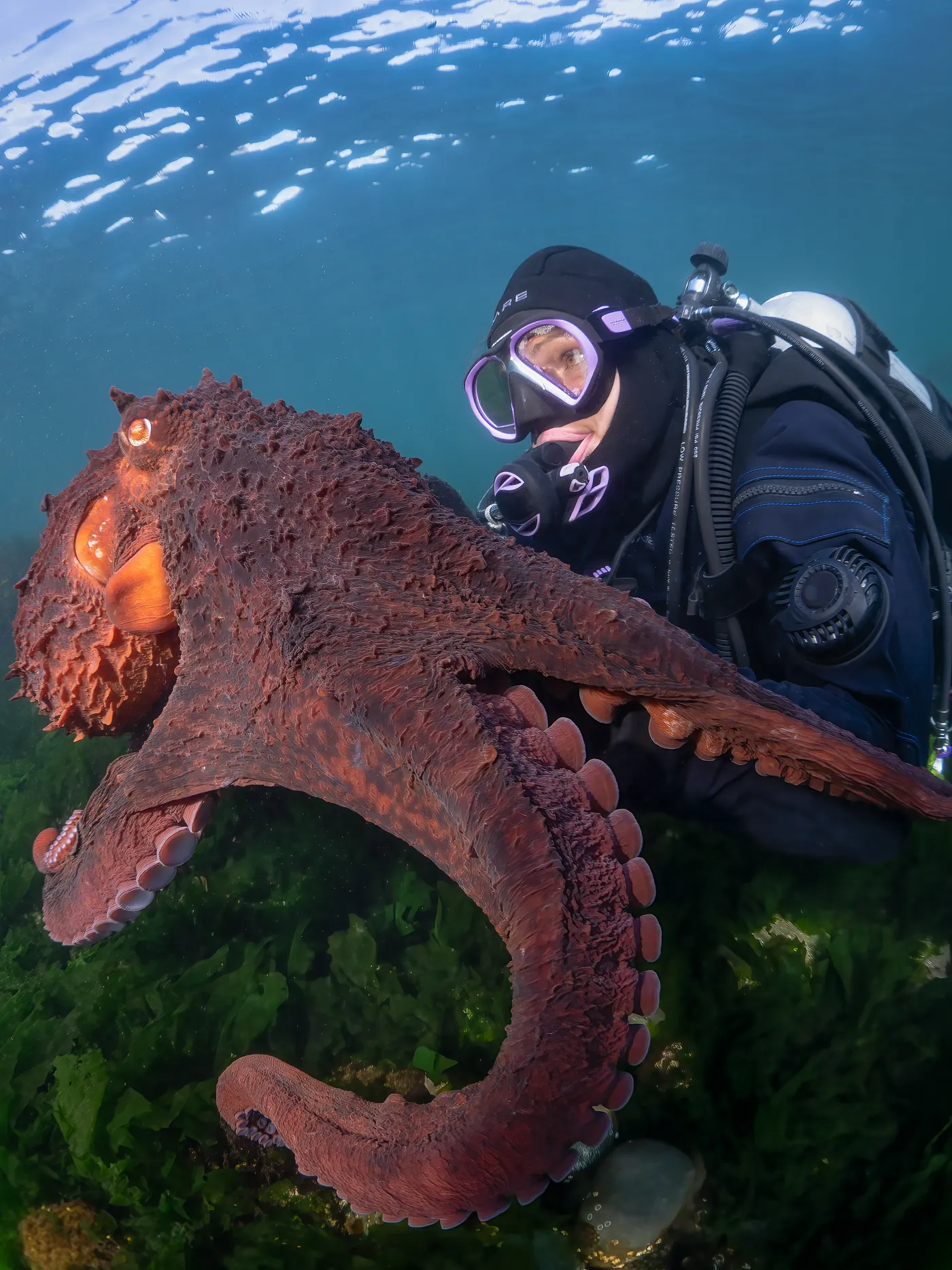
Octopuses are the perfect balance between alien and familiar. Since they have taken such a different evolutionary path to humans, they offer a really important piece of the puzzle to answer questions about how intelligence evolved, when and why.
Can you share some of the most surprising discoveries you’ve made about the intelligence and behavior of octopuses during your research?
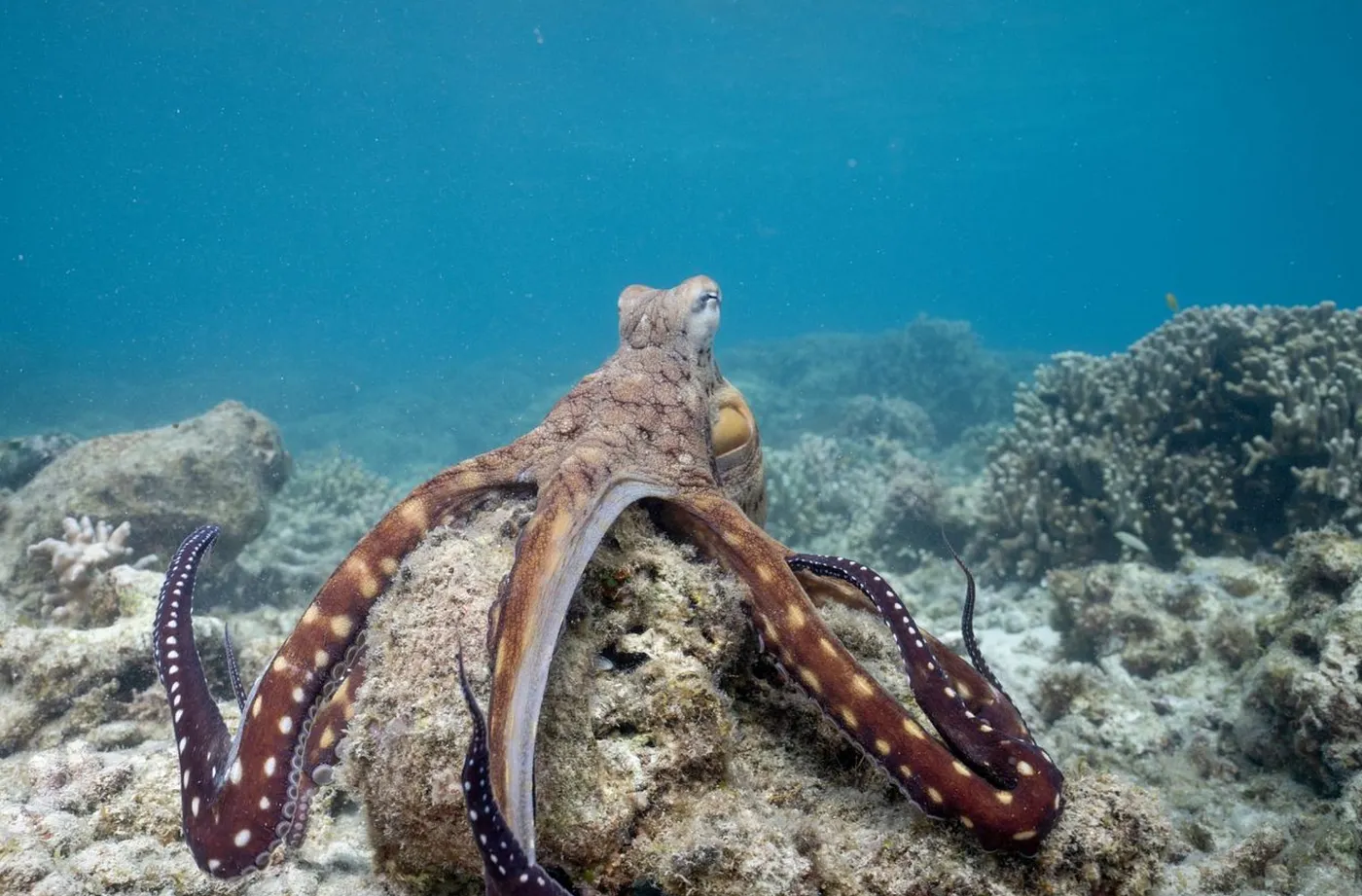
Despite having such different brains (a donut shaped brain wrapped around their throat, and 2/3 of their neurons int their arms) — they are demonstrating intelligent traits that we once thought were unique to large-brained mammals. Recent research has shown that they use tools, they collaboratively hunt with different species of reef fish, they have an active phase of sleep and show behavioral patterns that suggest they can dream, and they also have the capacity to experience negative emotions such as pain, fear and depression. In fact, back in 2021 I, alongside some colleagues at LSE, published a ground-breaking and pivotal report that established that cephalopods and crustaceans experience negative emotions. As a result, both animals were included in an amendment of the UK’s Animal Sentience Bill, recognizing them as sentient and, under UK law, must be treated ethically and with compassion.
How do you believe your work on understanding animal cognition can influence public perceptions and attitudes towards marine conservation?
Our planet is home to millions of diverse species. Not all of them arouse positive emotions in humans. Feelings of empathy and compassion are often reserved for species more closely related to us. But research shows that our perceptions are malleable and can shift with more knowledge. Finding unexpected similarities in diverse animal minds transforms our perspective by helping remove the barrier of ‘otherness’ and allowing us to connect emotionally with different life forms. My research has revealed that octopuses are more similar to us than we once thought. The more I reveal about their minds, the more compassion we can feel. The more compassion we feel, the more we desire to protect these magical critters and their fragile ecosystems.
What challenges have you faced in communicating complex scientific concepts about marine life to diverse audiences, and how have you overcome them?
One of the primary challenges in communicating complex scientific concepts about marine life to diverse audiences is ensuring that the information is both accessible and engaging. To overcome this, it’s crucial not just to exchange information but to weave it into compelling narrative. By crafting stories that connect scientific facts with relatable human experiences, we can bridge the gap between abstract concepts and the audience’s understanding. I provide an example below:
Some of my past research when I was based at the University of Cambridge, showed that cuttlefish can remember, exert self-control and plan for an imminent future event. So you can understand the complexity of these types of traits, I want you to consider that, you can recall which restaurant serves your favorite meal, where the restaurant is located and when it opens. In a similar manner, cuttlefish can remember their last meal, which location they ate it, and how long ago. Now, imagine the restaurant serves irresistible, freshly baked bread as a starter. However, there’s a catch — sometimes if diners eat bread, the waiter won’t bring out the main dish.
Knowing this, you exert self-control, choosing to bypass the tempting bread and wait for the lobster. This mirrors the cuttlefish’s ability to delay gratification for superior food rewards, demonstrating self-control for a more fulfilling outcome.
Now consider that this restaurant serves your favorite dish only every second night. It’s known to be a generous portion. Anticipating this, you intentionally skip lunch on those days. This ensures that you arrive with ample appetite. In a similar manner, cuttlefish show remarkable foresight by adjusting their food intake when they know a preferred meal is on the horizon. They actually eat less crab for lunch when they know shrimp will be on the dinner menu.
How can our readers find out more about the SECRETS OF THE OCTOPUS and follow your work?
SECRETS OF THE OCTOPUS premieres on April 21st 2024 at 8/7c on National Geographic TV. Additionally, all episodes stream on April 22nd 20224 on Disney+
As for my work, your readers can visit my website www.alex-schnell.com or on Instagram @alex.schnell
Thank you for your insights and expertise on these fascinating creatures, Alex.
SP
Written by
Savio P. Clemente
Editor & Journalist · Authority MagazineSavio P. Clemente is a senior columnist at Authority Magazine covering Tech and Wellness, conducting primary-source Q&A interviews with founders, executives, and industry leaders.

Published inAuthority MagazineTop Lessons, Top Authorities · 42K Followers
Exclusive, curated interviews with the leaders and changemakers shaping tomorrow. Leadership lessons, industry deep dives, and executive profiles.