Once we understood each other better, we were able to develop a plan that the patient felt comfortable following.
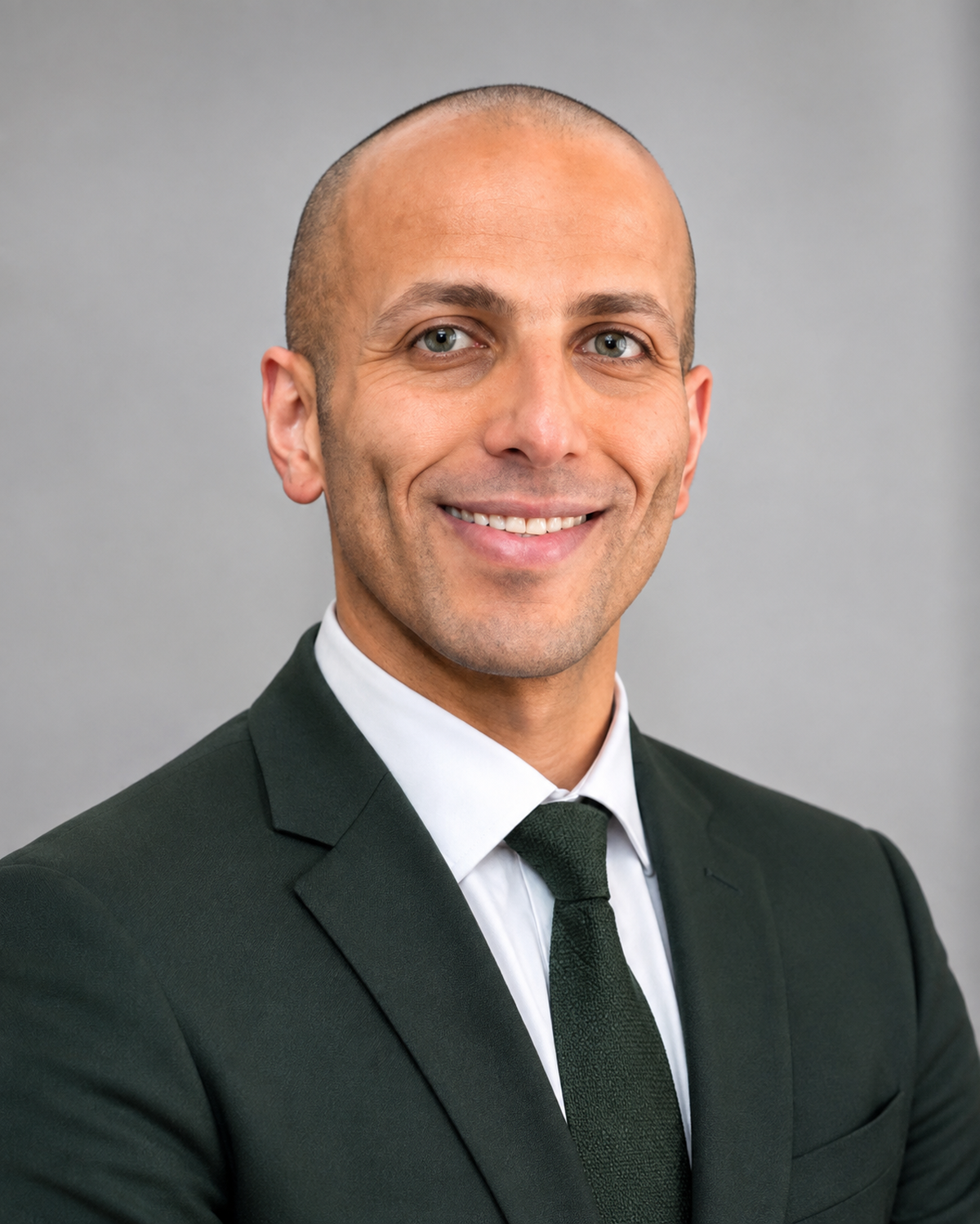
As a part of our interview series called “5 Things We Must Do To Improve the US Healthcare System”, I had the pleasure to interview Eduzor Anthony Onyechi.
Dr. Eduzor Anthony Onyechi brings a unique perspective to these challenges. Having practiced medicine in Nigeria, the United Kingdom and now the United States, he has firsthand experience with three different health care systems and the lessons each offers. He believes that improving American health care requires making existing treatments easier to access, reducing unnecessary costs and preventing manageable conditions from becoming medical emergencies.
Thank you so much for joining us in this interview series! Before we dive into our interview, our readers would like to get to know you a bit. Can you tell us a story about what brought you to this specific career path?
My journey into medicine started when I was a teenager. Having spent most of my early years living a difficult life in an area where most illnesses were in a great part due to ignorance and poverty. I nearly died from illness I knew nothing about as a young teenager and remember the fear and uncertainty of being young and not fully understanding what was happening to me, which was shared by my parents, who cowered in fear helplessly watching Their young son is struggling.
What stayed with me the most was the physician who cared for me. Beyond treating the illness, he gave me reassurance when I was scared and made me feel that my life mattered. His compassion and dedication left a lasting impression on me. I remember thinking that one day, I wanted to be able to give another person that same sense of hope. Coming from another country, the path was not always easy. There were challenges, sacrifices, and moments when I questioned whether I would make it. But memories of that experience as a young patient and the difference one physician made in my life, in addition to my passion to help humanity in the little way I could kept me going.
That is a big part of why I chose Internal Medicine. I enjoy caring for the whole person, building relationships with patients over time, and helping people navigate complicated health problems. Every day, I have the privilege of sitting on the other side of the examination room from where I once sat. I never forget what if feels like to be the person who is sick and scared, and that experience continues to shape the kind of physician I want to be.
Can you share the most interesting story that happened to you since you began your career?
One of the most interesting experiences I’ve had during my career in Internal medicine was realising just how a small moment with a patient can mean. As in IMG, I came into Internal medicine residency with medical experience from different health care systems, but practicing medicine in the U.S. taught me to appreciate how much communication and trust can influence a patient’s care.
I remember caring for a young patient who had been in and out of hospital several times. Medically, the case was complicated, even more so overwhelming for the patient, having multiple comorbidities at such a young age, but what struck me was how frustrated and discouraged the patient had become, leading to ongoing non-adherence to treatment. Instead of immediately focusing on the next test or medication, I spent some time listening to the patient, exploring what they were worried about and the challenges culminating in their nonadherence to care. Once we understood each other better, we were able to develop a plan that the patient felt comfortable following.
What made the experience memorable wasn’t a dramatic diagnosis or a rare disease. It was seeing the patient’s attitude change from feeling overwhelmed to feeling heard and hopeful. It reminded me that medicine is not just about knowing the right diagnosis or treatment. Sometimes, the most important thing a physician can do is slow down, listen, and make a patients feel that they are not facing their illness alone. That experience has stayed with me throughout residency. It has reinforced why I choseInternal Medicine and why I want to be the kind of physician who treats the person, not just the problem.
Can you please give us your favorite “Life Lesson Quote”? Can you share how that was relevant to you in your life?
My favorite Life Lesson Quote is ‘‘Be the change you want to see in the world’’. I’ve always believed that if you want things to improve, you can’t always wait for someone else to make the first move. Sometimes, you must be willing to take the first step yourself.That lesson has been particularly meaningful throughout my journey as a physician. I’ve had the opportunity to experience healthcare in Nigeria, the UK and now the United States, and each place has taught me something different about medicine, patients, and the healthcare system. Coming from a different background has also made me appreciate how easily patients can feel overlooked or misunderstood, especially when they are dealing with illness, financial challenges, or difficulty navigating the healthcare system.
As a physician, I may not be able to change everything that is wrong with healthcare, but I can control how I show up for my patients. I can listen when someone needs to be heard, explain things in a way they can understand, advocate for a patient who may not know how to advocate for themselves, and look for ways to make their care better. Those may seem like small things, but over time, they can have a real impact.
For me, the quote is not just about making a big difference in the world. It is about recognizing that change can start with the person standing in front of you. Every day, I try to be that person in my own small way, through the care I provide, the way I treat people, and the example I set for those around me.
How would you define an “excellent healthcare provider”?
To me, an excellent healthcare provider is someone who combines medical knowledge with compassion, humility, and good communication. Having worked in Nigeria, the UK and now the U.S., I’ve seen that health care systems may operate very differently, but patients Everyone wants the same basic thing: to be heard, respected and care for. A good provider doesn’t just focus on the diagnosis. They take the time to understand the person behind the illness, their concerns, circumstances, family and what matters most to them. They also know that medicine is constantly changing, so being willing to learn, ask questions, and working with a team is just as important as what you already know. As a matter of In fact, a commitment to medicine is a commitment to lifelong learning. Also important, an excellent healthcare provider understands that good medicine is not about ordering the most tests, but ordering the right tests as guided by a careful history and thorough yet focussed examination that meaningfully help narrow down the differential diagnosis. A barrage of unnecessary tests can lead to false positives, incidental findings, additional costs, and sometimes even unnecessary procedures. Thoughtful, targeted investigation reflects clinical reasoning and allows the responsible use of health care resources while keeping the patient’s best interests at the center of care. For me, excellence in health care ultimately comes down to trust. Patients should leave an encounter feeling that their physician listened to them, explained things clearly, and genuinely cared about helping them get better. That is the stand I try to hold myself to every day.
What are your favorite books, podcasts, or resources that inspire you to be a better healthcare leader? Can you explain why you like them?
One book that has probably influenced me more than any other is ‘‘The Purpose Driven Life by Rick Warren’’. I first connected with the book because of its message about purpose, but Over time, I have come to appreciate how much it applies to medicine and leadership as well. As an IMG physician, my journey through medicine has taken me through different countries and healthcare systems. Those experiences have taught me that medicine is not simply about treating a disease or getting through a busy day in the hospital. At the center of it all is a a person who is trusting you with their health, their fears, and sometimes their life. The Purpose Driven Life constantly brings me back to the importance of knowing why you are doing the work in the first place.
One of the things I like most about the book is that it challenges you to think beyond yourself. That really resonates with me in healthcare. Being a physician gives us an opportunity to use our knowledge and skills in service of other people. Sometimes the impact is obvious, a patient gets better and goes home. Other times, it may be something as simple as taking a few extra minutes to listen to a patient who feels ignored or reassuring a family that is going through a difficult moment. Those moments may not appear in a medical record or on a résumé, but they are an important part of why I chose this profession.
The book has also shaped how I think about leadership. I don’t believe leadership in healthcare is primarily about having a title or being the person in charge. To me, leadership is about serving others, taking responsibility, listening to people, and helping create an environment where both patients and healthcare professionals can do well. A physician leader should be someone who remembers what it feels like to be on the other side of the examination room but also understands what it feels like to be part of a healthcare team facing difficult circumstances.
There are certainly days in medicine when the workload, long hours, and administrative pressures can make it easy to lose sight of the bigger picture. Whenever that happens, I try to remind myself of my purpose. That is one of the reasons this book has stayed with me throughout my medical journey. Essentially, The Purpose Driven Life reminds me that a meaningful career is not measured only by accomplishments, positions, or recognition. It is also measured by the people we serve, the colleagues we encourage, and the lives we touch along the way. As I continue growing as an internal medicine physician and hopefully as a healthcare leader, that is the kind of perspective I want to carry with me.
Are you working on any exciting new projects now? How do you think that will help people?
Yes. One of the projects I’m currently working on is a quality improvement project aimed at improving the timeliness of diagnosing and treating obstructive sleep apnea in the outpatient setting. Specifically, we are looking at how we can help patients complete their home sleep studies sooner and, when the results indicate that treatment is needed, reduce unnecessary delays in getting them started on CPAP therapy.
This may sound like a relatively small part of healthcare, but I’ve seen how easily patients can get stuck in the process or even lost to follow-up. A physician may recognize the symptoms and order a sleep study, but then there can be delays with scheduling, completing the test, receiving the results, communicating those results to the patient, and arranging CPAP. By the time everything is completed, months may have passed. During that time, the patient may still be struggling with poor sleep, daytime fatigue, difficulty concentrating, or other health problems associated with untreated sleep apnea.
What excites me about this project is that it focuses on improving the system rather than simply asking patients to navigate the system better. We are looking at where the bottlenecks occur and how we can create a more consistent process, from the initial order to completion of the home sleep study and, when appropriate, initiation of CPAP. The goal is to make sure that patients don’t fall through the cracks simply because of delays or gaps in communication. As an internal medicine physician, I see this as an important part of what we do. Goodhealthcare is not only about making the correct diagnosis; it is also about making sure patients can actually access and complete the care that follows that diagnosis. If we can shorten that journey, we can potentially help patients sleep better, feel better during the day, and reduce some of the long-term health consequences of untreated sleep apnea. Having experienced healthcare in different countries, I’ve developed a strong interest in finding practical ways to make healthcare more efficient without compromising quality. This The project is one small example of that.
Ok, thank you for that. Let’s now jump to the main focus of our interview. According to this study cited by NBC, the US healthcare system is ranked as the worst among high-income nations. This seems shocking. Can you share with us a few reasons why you think the US is ranked so poorly?
As an IMG physician who has experienced healthcare in different countries, I think it is important to look beyond the headline and consider how the United States compares with more recent international rankings. I would not interpret the 2017 Commonwealth Fund study as saying that American healthcare professionals provide poor care. Quite the opposite, I have seen firsthand the incredible expertise, technology, research, and dedication that exist in the U.S. healthcare system. The United States has some of the best physicians, nurses, hospitals, and medical centers in the world.
The issue is that having excellent medicine available is not the same thing as having an excellent healthcare system. The 2017 Commonwealth Fund study looked at the system as a whole, including access, affordability, administrative efficiency, equity, and outcomes. The U.S. struggled particularly in those areas. More recent comparisons have reached a similar overall conclusion. The Commonwealth Fund’s 2021 and 2024 international comparisons continued to rank the United States last overall among the high-income countries studied, despite its leading position in healthcare spending and its strong performance in some areas of care. Other rankings, such as the World Health Organization’s broader 2000 assessment and the World Index of Healthcare Innovation, use different methods and sometimes place the U.S. higher, which shows that rankings depend heavily on what is being measured. Still, the recurring pattern is that the United States performs exceptionally well in medical innovation, specialized care, and research, but less well in affordability, equity, access, and populationlevel outcomes. One major issue is access and affordability.
A patient may have access to some of the most advanced medical care in the world, but if the deductible is too high, the copay is unaffordable, or the patient is uninsured, that care may effectively be out of reach. As a physician, that can be frustrating because sometimes the barrier isn’t whether we know how to treat the patient; it is whether the patient can realistically get the treatment. Another issue is administrative complexity. Physicians spend an enormous amount of dealing with insurance requirements, prior authorizations, documentation, billing, and coverage restrictions. Those things may be necessary to some extent, but when they become excessive, they take time away from what physicians and nurses really want to do: care for patients. The 2017 study found particularly high levels of administrative problems and insurance-related restrictions reported by U.S. physicians, and more recent Commonwealth Fund comparisons suggest that this remains a major weakness rather than a problem that has been resolved.
I also think fragmentation and continuity of care are important. Patients can move between primary care physicians, specialists, emergency departments, hospitals, rehabilitation facilities, and different insurance networks. If communication between those parts is not seamless, patients can end up repeating tests, struggling to get records transferred, or falling through the cracks after discharge. These are system problems rather than failures of individual clinicians.
There is also the issue of primary care and prevention. In internal medicine, I see how much can be gained from catching hypertension, diabetes, cancer, sleep apnea, and other chronic conditions early. When patients have consistent access to primary care, we have a better opportunity to prevent complications instead of treating them after they become serious. The Commonwealth Fund specifically identified inadequate access to primary care as one contributor to delayed diagnosis and poorer chronic disease management.
More recent rankings likewise show that the U.S. spends heavily on healthcare while often achieving less favorable population-health outcomes than peer nations. Finally, we must acknowledge social determinants of health. A person’s health is influenced by housing, transportation, food security, education, employment, and other circumstances outside the doctor’s office. You can prescribe the perfect medication, but if a patient cannot afford it, cannot get transportation to follow-up, or is worried about where their next meal is coming from, achieving good health becomes much more difficult.
So, I would be careful about saying that the United States has a “bad” healthcare system. I think it is more accurate to say that the United States has an extraordinary capacity to deliver high-level medical care, but the system does not always make that care accessible, affordable, coordinated, or equally available to everyone. The fact that the U.S. continues to rank near the bottom in several recent system-level comparisons, while remaining a global leader in medical research and advanced treatment, reinforces that distinction.
That distinction is important to me. Having experienced healthcare in different countries, I I don’t think the answer is to simply copy another country’s system. The U.S. has strengths worth protecting. The opportunity is to keep those strengths: our innovation, medical research, technology, and clinical expertise; while reducing the unnecessary barriers that prevent patients from benefiting from them.
As a “healthcare insider”, if you had the power to make a change, can you share 5 changes that need to be made to improve the overall US healthcare system? Please share a story or example for each.
1. Make preventive care and early intervention a much higher priority.
We often do a good job treating people after they become seriously ill, but we could do much better at preventing those illnesses or catching them earlier. I have seen patients come into the hospital with conditions such as uncontrolled diabetes, hypertension, or heart disease that could have been addressed much earlier with regular primary care. I remember caring for a patient whose medical problems had gradually gotten worse because he had not had consistent follow-up for a long time. By the time he came to the hospital, what might have been manageable in an outpatient setting had become a much more serious problem. It reminded me that prevention is not just about saving money, it can prevent suffering. I would invest more in accessible primary care, screening, vaccinations, and programs that help patients stay connected to their doctors before a crisis occurs.
2. Make healthcare more affordable and transparent for patients.
Cost should not be the reason someone delays seeing a doctor, filling a prescription, or getting an important test. As physicians, we sometimes recommend what is medically appropriate without fully appreciating what that recommendation may cost the patient. I have seen patients hesitate to take medications or complete recommended testing because They were worried about the financial consequences. From the physician’s perspective, we may think, “This patient needs this medication,” but the patient’s reality may be, “I cannot afford it.” Those two realities have to meet somewhere in the middle.
I would push for greater price transparency, simpler insurance policies, and stronger protections against unexpected costs. Patients should be able to understand what they are paying for and having reasonable access to the care their doctors recommend.
3. Fragmentation reduction.
One of the biggest inefficiencies I see is fragmentation. A patient may see a primary care physician, several specialists, an emergency department, and a hospital team, but those pieces do not always communicate effectively.
For example, I have seen patients return to the hospital because they were discharged with multiple medications and follow-up instructions but did not fully understand what they were supposed to do next. Sometimes the problem is not that the patient is unwilling to follow the plan; the plan itself is difficult to navigate.
I would strengthen communication between hospitals, primary care physicians, specialists, pharmacies, and other healthcare professionals. A patient’s care should feel like one connected journey rather than a series of separate encounters.
4. Reduce administrative burden on clinicians.
Doctors go into medicine because they want to care for people, but a significant amount of time is spent dealing with documentation, prior authorizations, forms, duplicated paperwork, and other administrative requirements.
There have been times when I have wanted to spend more time talking with a patient about their concerns, but the demands of documentation and administrative tasks compete for that time. Those tasks may seem small individually, but across an entire healthcare system they add up.
I would simplify documentation requirements, reduce unnecessary duplication, and use technology where it really helps rather than adding another layer of work. If we can give physicians and nurses more time to listen, think, and communicate with patients, I believe the quality of care will improve.
5. Invest more in access to primary care and underserved communities.
Healthcare cannot work well if people cannot get through the front door. In many communities, patients struggle to find a primary care physician, obtain an appointment quickly, or get consistent follow-up.
One of the things that has stood out to me as a physician is how much the healthcare system can differ depending on where a patient lives and what resources they have. I have seen how a patient who has access to regular care can often manage a chronic condition very differently from someone who only seeks care when symptoms become severe.
I would invest more heavily in primary care physicians, community health programs, telehealth where appropriate, and other models that bring care closer to patients. We should not wait until someone is sick enough to require an emergency room or hospitalization before the healthcare system reaches them.
Ultimately, I believe the U.S. healthcare system has tremendous strengths and some of the best medical professionals in the world. The challenge is making the system work better around those professionals. My goal would be a system that rewards prevention, makes care easier to access, reduces unnecessary complexity, and keeps the patient at the center of every decision; not the paperwork or the bureaucracy.
What concrete steps would have to be done to actually manifest these changes? What can a) individuals, b) corporations, c) communities and d) leaders do to help?
Changing healthcare is not something that can be accomplished by physicians or politicians alone. It requires patients, healthcare organizations, employers, communities, insurers, and policymakers to move in the same direction. From my perspective as an internal medicine physician, I would focus on practical changes that can actually be implemented.
1. Put prevention into practice, not just into policy. For individuals, that starts with taking primary care seriously; getting regular checkups, staying up to date on vaccinations and screening tests, and not waiting until symptoms become severe before seeking help. Healthcare organizations can make this easier by offering reminders, same-day or extended appointments, and outreach to patients who have fallen out of care.
Employers can also play a role by giving employees time and flexibility to attend preventive appointments. At the community level, we can bring screening and education programs directly into neighbourhoods, especially communities where access to primary care is limited. For healthcare leaders and policymakers, I would like to see more reimbursement and incentives for keeping people healthy rather than primarily paying for treating complications after they occur.
2. Make affordability part of every healthcare conversation. Physicians should routinely ask patients whether they can afford their medications and treatment plans. That simple question can uncover problems that we otherwise might never know about. If a patient cannot afford a medication, prescribing it is not really a complete treatment plan, although in some cases where alternatives do not exist, this can be Unavoidable.
Hospitals, insurers, and pharmaceutical companies can do more to simplify pricing and make financial assistance is easier to navigate. Employers can offer insurance plans that provide meaningful coverage rather than simply shifting more costs onto employees. At the policy level, leaders need to push for greater transparency in healthcare pricing and reduce unnecessary barriers that make basic medications, testing, and preventive care Unaffordable.
3. Build a healthcare system where information follows the patient. A patient should not have to repeatedly explain their medical history every time they see a new doctor or are seen in a new location. Healthcare organizations need better communication between primary care, specialists, hospitals, pharmacies, and other providers. One practical step is making sure discharge information, and test results are reliably communicated to the patient’s outpatient physician. Another is assigning responsibility for follow-up rather than assuming that “someone” will take care of it.
I have seen how something as simple as a missed follow-up appointment or an overlooked test results can become a much bigger problem. Better coordination is not necessarily a bout creating another complicated program. Sometimes it is simply about making sure someone is responsible for closing the loop.
4. Give physicians back more time to care for patients. Healthcare leaders should look honestly at how much administrative work physicians and nurses are doing things that do not directly improve patient care. If a form, authorization, or documentation requirement does not meaningfully contribute to patient safety or clinical decision-making, we should ask whether it is truly necessary.
Technology and AI can help, but only if they reduce workload rather than creating more clicks and more documentation. Physicians should also have a voice when new technology and workflows are designed. The people really taking care of patients need to be part of those decisions.
As individual physicians, we can also contribute by being disciplined about unnecessary testing and avoiding the mindset that ordering more tests automatically means providing better care.
5. Make access to primary care a community priority. Communities can partner with healthcare systems, employers, schools, churches, and community organizations to make basic healthcare more accessible. Telehealth, mobile clinics, community screening events, and extended clinic hours can help, particularly for people who have difficulty taking time away from work.
Healthcare organizations also need to invest in primary care rather than treating it as an afterthought. Policymakers can support this through better reimbursement and incentives for physicians practicing in underserved areas.
Individuals have a role too. We need to encourage family members and friends to establish primary care before they become seriously ill. Sometimes a conversation with someone you care about, encouraging them to get their blood pressure checked or finally make that appointments can make a real difference.
Ultimately, everyone has a role. Individuals can take responsibility for their health. Physicians can practice thoughtful, evidence-based medicine and advocate for their patients. Corporations can create healthier workplaces and stop treating healthcare solely as an employee expense. Communities can help people overcome barriers to accessing care. Healthcare organizations can simplify the patient experience. And leaders can create policies that reward prevention, access, quality, and value rather than simply volume. Having worked in different healthcare environments, one lesson that has stayed with me is that no healthcare system is perfect. What matters is whether we are willing to identify what is not working and have the courage to improve it.The ultimate measure is quite simple: Can a patient get the right care, at the right time,without unnecessary financial or administrative barriers? If we can consistently move the system closer to that goal, we will have made meaningful progress.
How do you think we can address the issue of physician and nurse burnout?
I believe a good starting point would be recognizing that physician and nurse burnout is not simply an individual problem. We often tell healthcare workers to practice self-care, take a vacation, or find ways to manage stress, but that only goes so far when the underlying system is exhausting them every day.
I saw this firsthand while working in the UK during the COVID-19 pandemic. Healthcare workers were dealing with long hours, overwhelming patient volumes, fear of becoming infected, and the emotional toll of caring for very sick patients. Many people were simply running on empty. After moving to the U.S. in 2024 and working as an internal medicine physician, I have continued to see how administrative responsibilities, staffing challenges, documentation, and the increasing demands placed on clinicians can take away from the part of medicine that most of us entered the profession to do, which is caring for patients. One of the most important changes would be reducing unnecessary administrative work. Physicians and nurses should not have to spend so much of their limited time on paperwork, excessive documentation, prior authorizations, and tasks that could be simplified or delegated.
Technology, including AI, has the potential to help with some of this, but only if it genuinely reduces workload rather than creating another layer of complexity. We also need to address staffing and workload. You cannot continuously ask the same number of people to care for more patients and expect them to remain healthy and engaged. Hospitals and healthcare organizations need to pay attention to staffing ratios, patient volumes, scheduling, and adequate time for physicians and nurses to actually do their jobs Well.
I also believe we need to change the culture around asking for help. During the pandemic, I saw healthcare workers carry tremendous emotional burdens, sometimes quietly because they felt they were expected to simply keep going. We need environments where talking about stress, exhaustion, or mental health is viewed as a sign of being human; not a sign of weakness or lack of professionalism.
Most importantly, healthcare leaders need to listen to the people doing the work. Physicians and nurses often know exactly where the problems are because they experience them every day. Before implementing another new workflow or policy, ask the people on the front lines whether it will make their jobs easier; the frontline workers should have a major say in policy changes that affect their daily work.
Burnout will not be solved by one wellness program or an occasional pizza lunch. It requires changing the conditions that are causing people to burn out in the first place. If we want physicians and nurses to provide compassionate, safe, high-quality care, we have to build a healthcare system where they have the time, resources, support, and energy to do that.
You are a person of great influence. If you could inspire a movement that would bring the most amount of good to the most amount of people, what would that be? You never know what your idea can trigger. :-)
If I could inspire a movement that would bring the greatest amount of good to the greatest number of people, it would be a movement around taking control of our health before we become seriously ill.
I have had the opportunity to experience healthcare in Nigeria, the UK, and now the United States, and although these systems are very different, one thing remains constant. Many of the health problems we eventually have to treat could have been prevented, detected earlier, or managed better if people had access to the right information and care at the right time. I would call it a movement of health awareness and prevention. I would want people to understand the basics of their own health; knowing their blood pressure, understanding their blood sugar and cholesterol, staying current with recommended screenings and vaccinations, eating well, being physically active, and recognizing when something is not right instead of waiting until it becomes an emergency.
I have seen the difference that early intervention can make. A patient who discovers high blood pressure early may be able to control it with lifestyle changes and medication and avoid a stroke years later. Someone who gets appropriate screening may have a disease detected at a stage when it is much easier to treat. These may seem like small interventions, but multiplied across millions of people, they can change the health of an entire population. I also believe this movement should reach beyond the doctor’s office. Families, schools, workplaces, community organizations, and social media can all play a role in making good health information is easier to understand and easier to act on.
We should not only teach people what disease looks like; we should teach them how to stay healthy in the first place. For me, this is personal. Coming from Nigeria and then working in the UK before coming to In the U.S., I have seen people face very different barriers to healthcare. But regardless of where someone lives, nobody should have to wait until they are critically ill before they receive attention.
How can our readers further follow your work online?
Readers can follow my work and professional journey on LinkedIn, where I share reflections on internal medicine, healthcare, my experiences as an international medical graduate, and lessons I’ve learned along the way. I also enjoy sharing perspectives on improving patient care, health equity, and making healthcare more accessible and efficient. I hope the platform can be a place where I connect with other healthcare professionals, learn from different perspectives, and contribute to meaningful conversations about the future of medicine.
Thank you so much for these insights! This was very inspirational and we wish you continued success in your great work.