When you start out you make a lot of errors along the way but probably the funniest one was this big meeting with a prospective client. I prepped for it technically and thought I was ready for it.
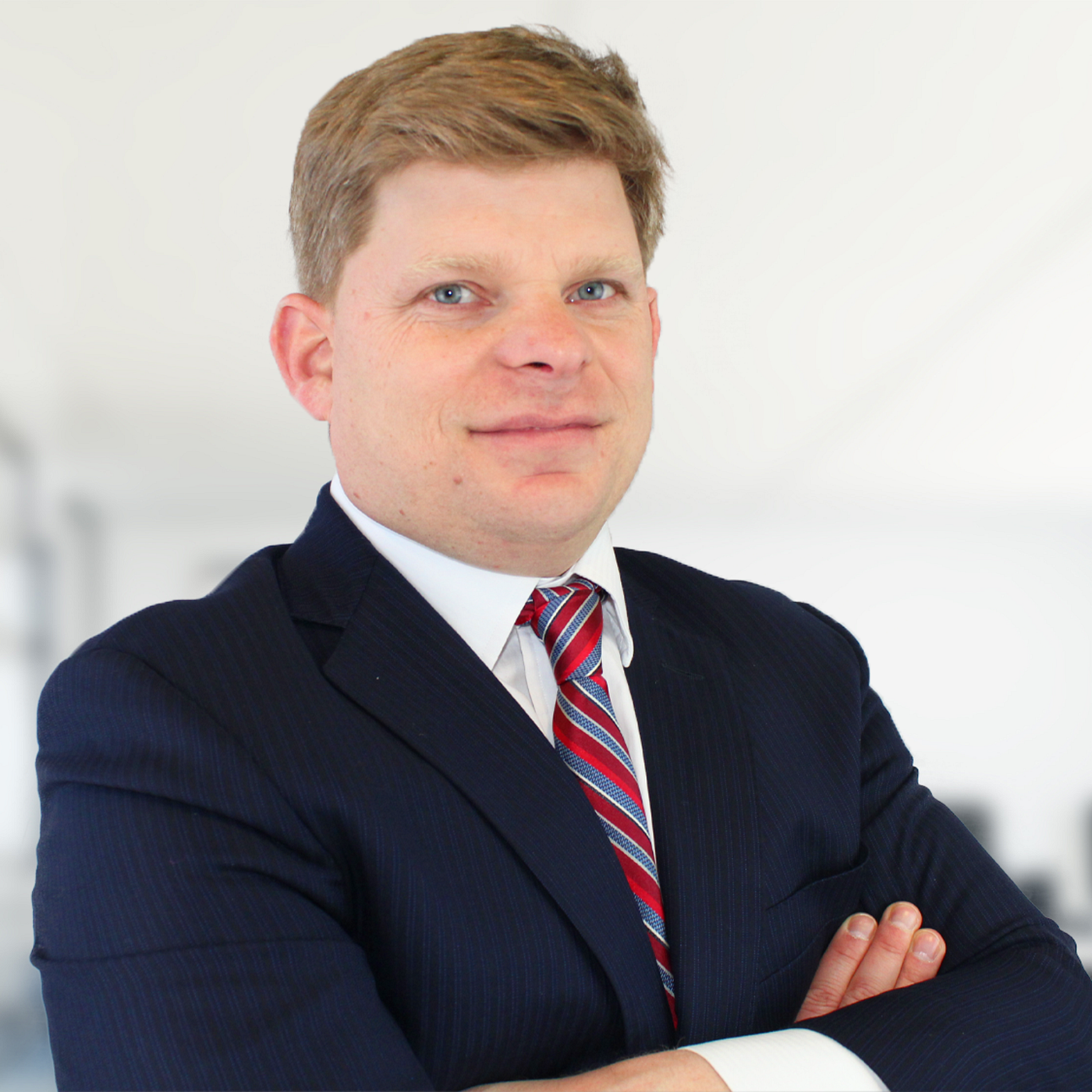
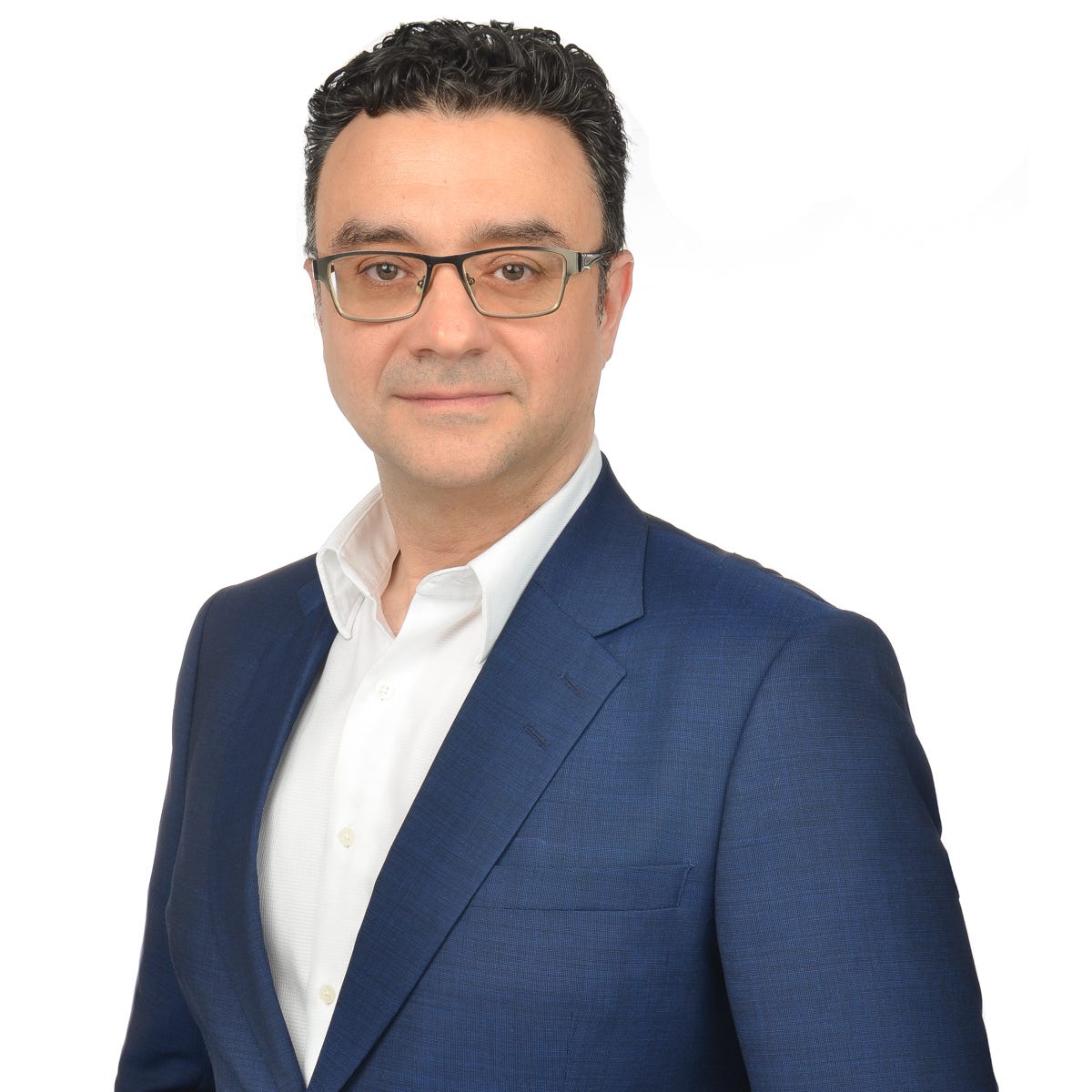
As a part of our series called ‘Five Things I Wish Someone Told Me Before I Became A CEO’ we had the pleasure of interviewing Denis Kouroussis.
With a background in electrical engineering Denis Kouroussis founded Volta Energy in 2009. His passion for technology and cars has led him down a path of working in semiconductors, power electronics and software development with his spare time devoted to rebuilding cars. Denis is focused on leveraging his technical know-how to solve problems and build businesses around those solutions with a firm belief that businesses exist to serve customers and that people within organizations need to be empowered to execute without obstacles for an organization to reach its full potential.
Thank you so much for joining us in this interview series! Before we dig in, our readers would like to get to know you a bit more. Can you tell us a bit about your “backstory”? What led you to this particular career path?
So that's a little bit of a convoluted story. It all started with a love affair for cars since I was a little kid. Cars have always fascinated me because they seem to be the epitome of engineering and science, at least to the extent that the average person would have access to. If you think of a car, you have mechanical engineering, electrical engineering, and chemical engineering all put together and really it just fascinated me how all the pieces come together to work as a system and work so effectively for the end user. As an end user, driver, or passenger you experience a ride with sport or comfort so it may seem basic, but really there's so much engineering on the back end of that that it's quite incredible. When I was 13 years old, I was able to turn a wrench and my father had an old Cadillac where the bushing on the water pump failed and the connected fan on the spindle took out the radiator as well. So that was the first job I did on a car, it was a water pump and radiator replacement. From there on I loved working on cars and continued to do so. Furthermore, Cadillac was one of the first fuel injected cars, so at some point I decided, to the dismay of my father, to look for the actual computer that ran the fuel injection. I opened it up and there were microchips and microcontrollers in there and I thought this was fascinating. There is an electronics board running a whole engine, I need to learn more about that, so that's how I ended up in electrical engineering. Fast forward a bit, I went to university, finished electrical engineering, and did a masters in power electronics where I got to build a 50kW arc lamp system. I learned to build power supplies and program microcontrollers to get it all to work together. Then I ended up getting a job in semiconductors because there weren't too many jobs in power electronics at the time. My first job was in Toronto with ATI, the graphics chip manufacturer which was later bought by AMD. In 2000 I went back to school and started a PhD in computer engineering with a specific focus in computer aided design for semiconductors. After finishing the PhD, I ended up working again at ATI/AMD and then after a couple of years I joined a small start-up out of Silicon Valley. The start-up experience gave me a lot of exposure and got me excited about the possibilities of having more impact in the world. I was then hooked on the concept of building businesses to solve problems!
Can you share the most interesting story that happened to you since you began leading your company?
A lot of startups end up in a situation where they are about to run out of money. This doesn't usually happen just one time necessarily but there was one time where I didn't really know how we were going to pay rent for the next month. So, I got on a plane to do a small consulting project in California. It wasn't a tremendous amount of money, but it was enough for a little bit of sustainability. However, going through the process of landing in California and talking to some people I got introduced to some more people where I had conversations that led to a few more projects and thus generated a consistent consultancy path for the company. This was an eye-opening experience, focus on creating immediate value for your customers and you’ll always be able to pay the rent. Focus too much on the next generation product or service without customer feedback and you may be closing your doors.
Can you share a story about the funniest mistake you made when you were first starting? Can you tell us what lesson you learned from that?
Definitely. When you start out you make a lot of errors along the way but probably the funniest one was this big meeting with a prospective client. I prepped for it technically and thought I was ready for it. However, when we went in to have the meeting there was a lady that was the decision maker at the meeting and I kept calling her by the wrong name. She never actually objected, and I never realized until after the meeting that I was using the wrong name. Anyway, I felt extremely embarrassed. Needless to say, I never got a call back from her or the company.
None of us are able to achieve success without some help along the way. Is there a particular person who you are grateful towards who helped get you to where you are? Can you share a story about that?
That would be Billy Graves. He is the owner of an electrical contracting company called WB Moore. Billy has been instrumental in funding a lot of the projects that we have done over the years, as both an angel investor and a venture capitalist. He's always stepped up when needed. So, a big shout out to Billy Graves for everything that he has done for the companies and the projects that we've worked on.
Leadership often entails making difficult decisions or hard choices between two apparently good paths. Can you share a story with us about a hard decision or choice you had to make as a leader?
At some point in the early days, I had to decide between continuing to do consulting in the data center space or starting up a new project which eventually led to the development of the solid-state circuit breaker. At that time it wasn't an obvious decision, the easy decision would have been to continue consulting because money was being made there. However, on the balance of probabilities knowing the resources that I had available and the technical know-how and expertise, I ultimately decided to drop the consulting in the data center space and start going down the path of the solid-state circuit breaker development project. In retrospect it worked out, but making the decision was a hard one. What did become evident though is that if you stick to a goal, with a long-term view as long as you are not challenging the laws of physics you can accomplish anything.
Ok, thank you for that. Let’s now jump to the primary focus of our interview. Most of our readers—in fact, most people—think they have a pretty good idea of what a CEO or executive does. But in just a few words can you explain what an executive does that is different from the responsibilities of the other leaders?
The job of the CEO is to ensure that the company maintains a trajectory for growth and there are several different ways to do that. I think a good CEO understands the resources that are available to him or her and leverages those for a maximum outcome within the marketplace. So, one needs to understand what is out there in the world, what customers are asking for, what product or service can fulfill that market demand and make a good profit for the company. From a day-to-day standpoint it could be decisions on marketing, it could be decisions on technical road map and when talking about a small company ultimately how you're going to spend the next dollar realistically for maximum impact. Big part of that is typically balancing the budget right, looking at how much money you got and what you're willing to spend to get certain things done. I believe that a major component of that and especially within the startup environment is that you will have to run a lot of experiments. If those experiments do not lead the company into a mortality event, then they are good experiments that should be performed. Business is about running multiple experiments, and if you fail, you learn. However, make sure those experiments don’t put you out of business. If the experiments are successful, then place more focus in that direction to maximize outcomes.
What are the “myths” that you would like to dispel about being a CEO or executive? Can you explain what you mean?
There might be a significant misconception that CEOs run companies and what they say goes. If a CEO has that mindset, it is a massive recipe for failure. Companies are composed of people who should all be aligned on how the product or service gets developed and goes to market. The correct mindset of the CEO is to make the difficult choices by listening to the people within the leadership team and based on all the information provided make decisions to lead the company forward. There's this concept of servant leader today and I think that it is good to see a leader take on that role. They are there to serve and remove obstacles for the people around them so that everyone within the company can do what they're good at and move the company forward.
What is the most striking difference between your actual job and how you thought the job would be?
I knew it would be a lot of work and I don't think I was afraid of that. I guess what I didn't know was what type of work ultimately would prevail. There are often a lot of day-to-day decisions that need to be made which just take up a lot of time. Solving problems for the people around you or trying to find solutions with the people around you can take up quite a bit of the day. Sometimes it feels like I’m helping everyone else, and I can’t get to my own tasks that I have set out in front of me. At the end of the day however, the job of the CEO is to make sure that everybody around you can move forward in their jobs, because that defines the company’s success. Additionally, I think I've learned that the great leader CEOs should have as an ultimate focus the development and teaching of other leaders within the company. This is really the only way to sustain growth and become an effective organization.
Do you think everyone is cut out to be an executive? In your opinion, which specific traits increase the likelihood that a person will be a successful executive and what type of person should avoid aspiring to be an executive? Can you explain what you mean?
I think there are two traits that define success. One is perseverance and the other is self-awareness. To be successful you need to have a perspective that setbacks are temporary and that the learnings from the setbacks are valuable. Being able to move forward under any circumstances and not be phased by challenges is a trait of great leaders and individuals. Afterall, perseverance has allowed humans to overcome all kinds of challenges so why can’t we all practice it? Self-awareness is another one. Understanding your own strengths and weaknesses allows you to deal with people around you better and to be a better leader and decision maker. A person who is self-aware will have and maintain the respect of their peers and be able to delegate tasks and decisions to those who are good at doing those tasks or making those decisions. I think both perseverance and self-awareness can be learned so anyone can become a successful executive. One caveat, if someone absolutely hates dealing with people then maybe that’s not a great career choice.
What advice would you give to other business leaders to help create a fantastic work culture? Can you share a story or an example?
Empowerment and accountability! Empowering the people around you to make decisions and execute while getting out of their way is a great way to ensure people are engaged and excited about showing up to work every day. This then creates positive momentum within the team, and everyone hopefully is working towards a common aligned goal. Once empowerment is in place then there must be a process of accountability that ensures everyone is contributing to the common aligned goal based on their skill sets. A great way to ensure accountability is with daily stand-ups or scrums that last just 5-10 minutes and everyone on the team has a touchpoint of the daily activities.
How have you used your success to make the world a better place?
Overall, as a company we are focused on technologies that are contributing to the reduction of greenhouse gas emissions and eliminating waste in production and maintenance, so I believe I can make the bold claim that our entire team is dedicated to the noble cause of reducing anthropogenic climate change.
Fantastic. Here is the primary question of our interview. What are your "Five Things I Wish Someone Told Me Before I Became A CEO" and why? (Please share a story or example for each.)
1 . You exist as a business to create value for your customers. It is very important to have that mindset going into any type of business. You need to position yourself to see things from the customer's perspective. Everything that you do within the business, whether it's setting up infrastructure like EPR software or getting a new office or facility, ultimately none of that really matters if you're not doing what's important to the business which is serving the customer. The number one priority within the organization from the top down must be how we are creating value for our customers. Everything else is secondary.
2. The CEO job is one of the most difficult jobs out there. The reality is that all the problems that can't be solved within the company will trickle up to you so you're dealing with some of the most challenging problems that possibly no one can solve within the company. As most likely you are human after all, that can make for some very fatiguing days. At the end of the day go home and turn off your brain, there’s always tomorrow at 5 AM when you can think of a solution!
3 . Hire slow and fire fast. Look for people who are extremely motivated and passionate about what you're doing. Don’t let anyone who’s not in your company. There are a lot of talented people who might be lazy or who are just difficult to work with. Those that do not create a positive impact within the organization don’t need to be there. I believe that everyone can create value somewhere and be a good fit, but it doesn't mean it has to be within your organization. Don't be afraid to let go of people if it’s not working out or if you're going home and you're thinking about a particular individual and how they're missing the mark. I think giving people an opportunity to improve is always important but if something is happening on a continuous cycle, cut the cord.
4 . When you do find good people who are passionate about what they do and are loyal to the cause, empower them, get out of their way and make sure that they have all the tools available to be very successful within their job scope. One of the worst mistakes you can possibly make is to start micromanaging and getting in the way of a talented individual's progress who is looking to do good for the company. Micromanaging can shut down a person’s creativity, and currently we need all the creativity we can get to be successful. Also, a big part of empowerment is to ensure that people feel comfortable to make mistakes so they're not afraid to think outside the box and go execute on something and fail. Providing that type of culture is extremely important from the top down. Inspiring this sort of experimenting, as long as it doesn't cause a business mortality event for the company, is great for the business and morale.
5 . Think big and act small. “CEO” should stand for chief execution officer. That means your responsibility is to have the vision of where the company needs to go and a sort of road map as to how to get there. The vision has to be big, there needs to be this big audacious goal that can almost never be reached. Then you have to take small bites out of that vision, so you have to align all the people around you towards the vision and then understand and be able to execute small baby steps in order to get there. If you only have a vision and don't understand the path of how to get there you will fail. On the other side of that, if all you're doing is executing small baby steps without a large vision you'll just stay stuck at a particular level where you won't experience any growth.
You are a person of great influence. If you could inspire a movement that would bring the most amount of good for the greatest number of people, what would that be? You never know what your idea can trigger.
Turn off social media, stop the time-wasting activities and really begin to focus on the execution of excellence. Choose a path and grow into it, learn how to be really good at something and pursue excellence within that field.
Can you please give us your favorite “Life Lesson Quote"? Can you share how that was relevant to you in your life?
“The successful warrior is the average man with laser like focus.” By the great Bruce Lee. Whatever it is that you want to achieve, if you want it badly enough you will spend time, energy and effort and persist to make it happen.
We are very blessed that some very prominent names in Business, VC funding, Sports, and Entertainment read this column. Is there a person in the world, or in the US with whom you would love to have a private breakfast or lunch with, and why? He or she might just see this if we tag them
This is an easy answer, Charles Koch. He has a book titled Good Profit, which is my favorite business book. You could probably replace an entire MBA with that book. I dare say it should be made the ‘Bible’ of business.
Thank you for these fantastic insights. We greatly appreciate the time you spent on this.