You have to be able to filter through the advice and figure out what is right for you.
Business
Dana Gibber and Caroline Klatt of Flowcarbon: How Building a Climate Tech Startup During the Pandemic Taught These Founders to Embrace Uncertainty and Scale
The co-founders of Flowcarbon share their entrepreneurial journey of launching a climate tech company during lockdown, building strong networks, and shattering myths about women in leadership.
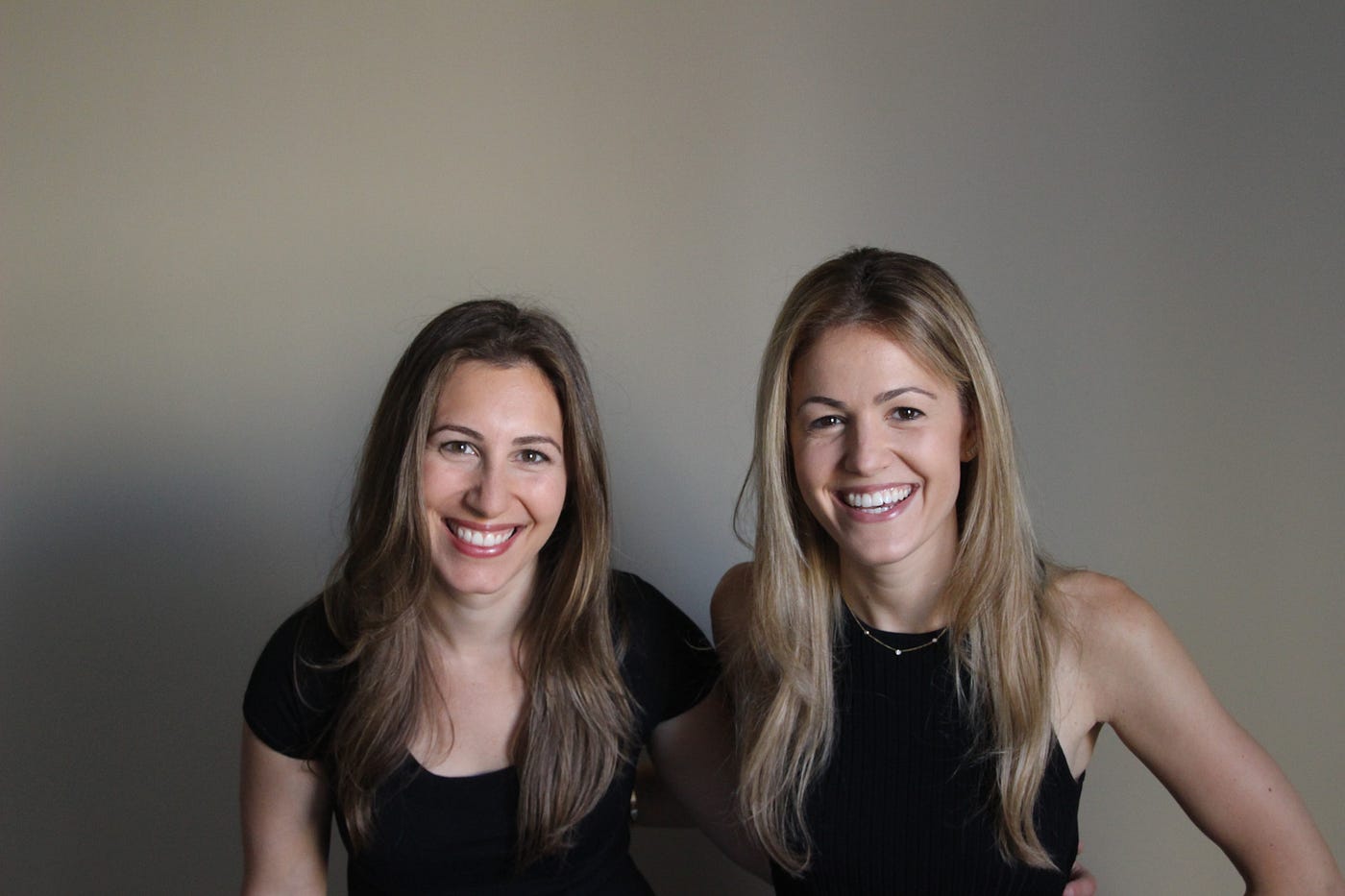
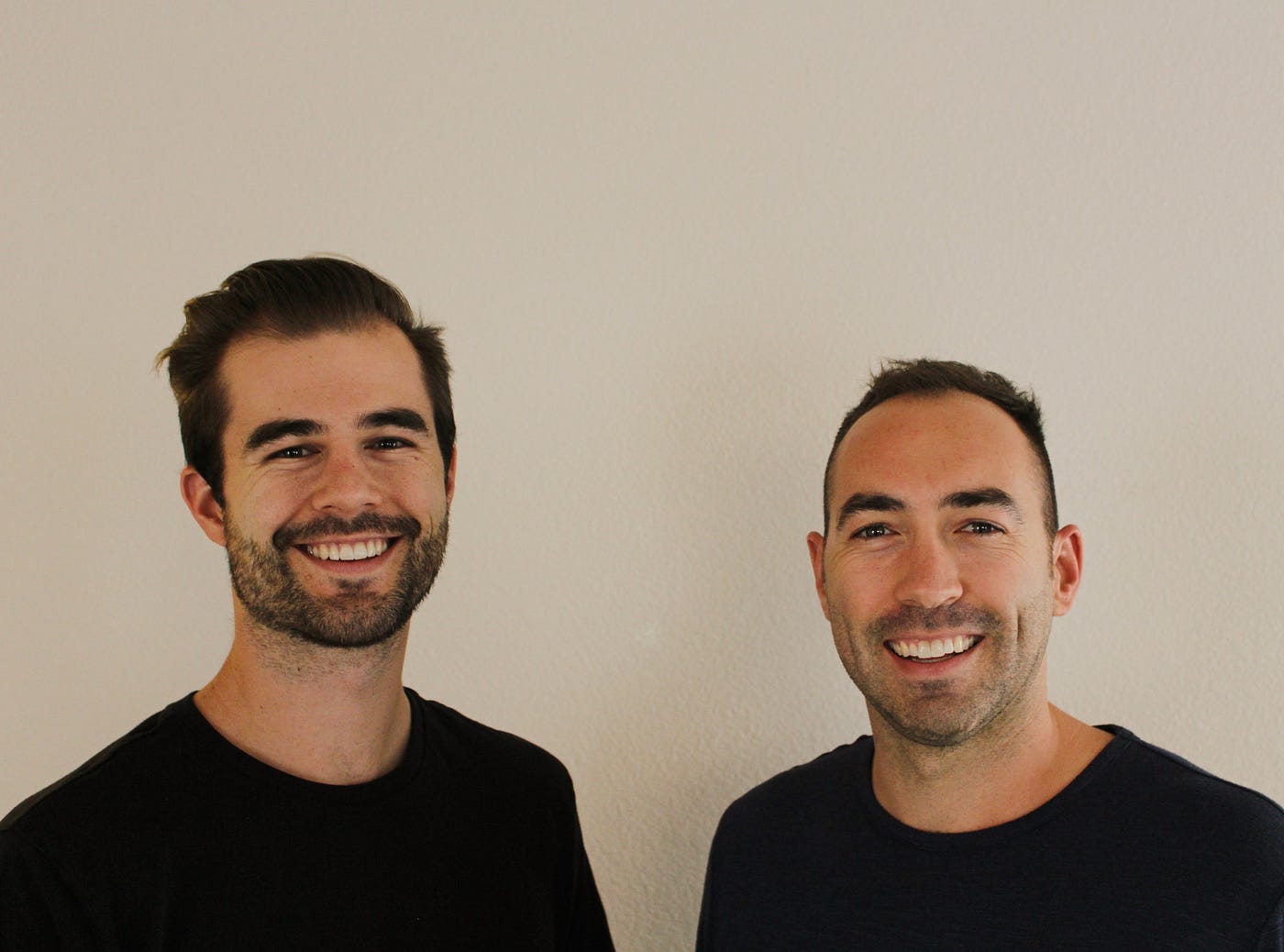
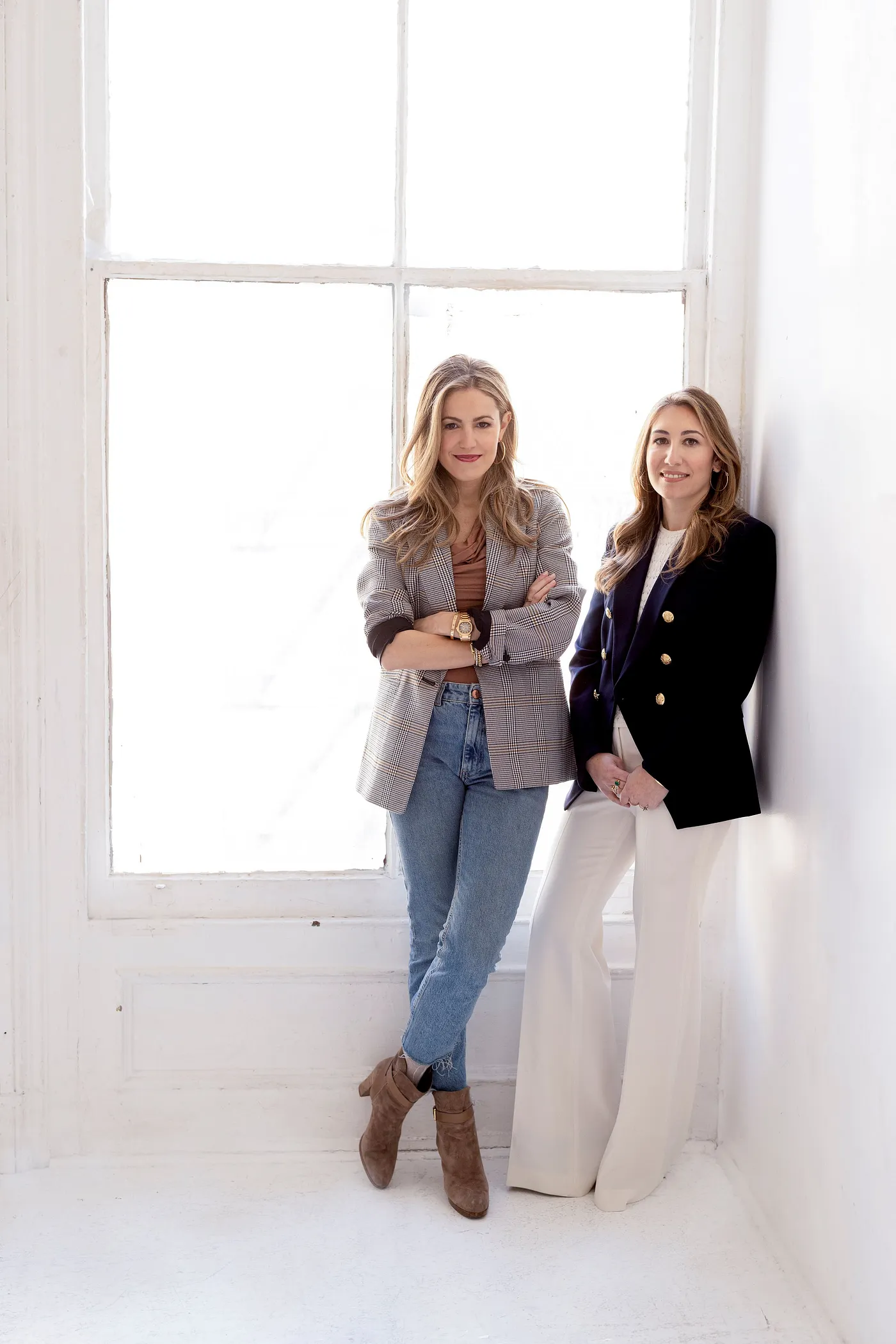
As a part of our series about “Why We Need More Women Founders”, I had the pleasure of interviewing Dana Gibber and Caroline Klatt.
Dana Gibber is the CEO of Flowcarbon, a leading climate tech company built on blockchain to create climate change solutions through carbon reduction. She is a Manhattan-based entrepreneur, start-up founder, and lawyer. Before Flowcarbon, Gibber was the co-founder and COO of Headliner Labs.
Caroline Klatt is the COO of Flowcarbon. Previously, Klatt was the co-founder and CEO of Headliner Labs, a chatbot marketing platform which was acquired in 2020. She is a former McKinsey consultant and expert in marketing, entrepreneurship and business development.
Thank you so much for doing this with us! Before we dig in, our readers would like to get to know you a bit more. Can you tell us a bit about your “backstory”? What led you to this particular career path?
Dana: We grew up in a very environmentally friendly household and our parents were environmentalists long before anyone was really talking about climate change. As a result, climate change was always an issue we cared deeply about. When we started to engage in environmental philanthropy, we were astounded by the limitations of philanthropy capital in financing the conservation projects that are so essential for the future of our planet. As we got more involved, we learned about the impact scaling nature-based solutions could have in combating climate change — it can provide 30% of the necessary reductions to achieve the Paris Agreement’s target for limiting global warming. The reason ecosystems are being destroyed so rapidly is because the financial incentives are to destroy rather than protect them. We saw an opportunity to change that with Flowcarbon.
Caroline: As sisters, we have a long history of collaborating together, and before Flowcarbon, we successfully built and sold another business together. While we loved the experience of being founders, we decided that if we were going to dedicate our lives to something new, we wanted it to be something that had real, measurable, and long-term impact for the world. Especially now as mothers, it’s important to us to do something to protect the environment that our children will be inheriting. That is why we channeled our combined backgrounds in law, marketing, and entrepreneurship into starting Flowcarbon.
Can you share the most interesting story that happened to you since you began leading your company?
Caroline: We started Flowcarbon during the pandemic, so all of our team building, fundraising, and partnership development was done over Zoom. Founding a business is challenging in the best of times, but founding a business virtually, with 3 little kids home from school definitely puts your strength to the test! As we came out of Covid, we’ve been amazed to see how all of our efforts have come together in the real world. We are proud to be building Flowcarbon with a brilliant, passionate, global team, supported by seasoned investors and partners.
Ok, thank you for that. Let’s now jump to the primary focus of our interview. According to this EY report, only about 20 percent of funded companies have women founders. This reflects great historical progress, but it also shows that more work still has to be done to empower women to create companies. In your opinion and experience what is currently holding back women from founding companies?
Dana: There is no simple answer to this. Part of the problem is that as women climb the ranks, we have fewer and fewer peers, which creates a network challenge for female founders. Many women graduate from great schools and have great jobs coming out of college, but as we progress in our careers, the network of powerful women gets smaller. As a result, women often have a harder time accessing the capital needed to start a company.
Can you help articulate a few things that can be done to help overcome those obstacles?
Dana: For one thing, Caroline and I value our networks and relationships. You often hear that CEOs or anyone leading an organization needs to be very thoughtful with their time and they are often too busy for casual conversations, but we put aside time every week to just have Zoom meetings with people we think are interesting. It is important to put aside time without an agenda to get to know new people in your space. I also personally prefer to build networking relationships on WhatsApp rather than email. I find it helps to build stronger relationships when I message with people in a casual, close way. And finally, I try to remind myself regularly that it’s always good to do what you can and not let perfect be the enemy of good.
What are the “myths” that you would like to dispel about being a founder? Can you explain what you mean?
Caroline: Many women think that you can’t start a company and have a family. When I founded Flowcarbon, I recently had a child. In fact, we put out our Lite Paper that started the company while I was in the hospital having my third child. You don’t see much of that, but in many ways it’s an advantage. First, as they say, if you want to get something done, give it to a busy person! Second, having a family enables you to relate to so many others who are juggling the same — from employees, to investors, to partners — and you can make better decisions with much greater empathy for various stakeholders. Finally, I think it’s a huge advantage for recruiting. People have personal lives and families, and they want to work for people who understand what that means. This is especially true for experienced, senior hires considering a move to the startup world, which is often perceived as having poor infrastructure and resources.
Is everyone cut out to be a founder? In your opinion, which specific traits increase the likelihood that a person will be a successful founder and what type of person should perhaps seek a “regular job” as an employee? Can you explain what you mean?
Caroline: Founders need to be able to thrive in a less structured environment. There is no single right way to do things when you are starting a business — you are charting a new path for yourself and the people around you. You have to be comfortable with the unknown, and excited for what might be a bumpy ride!
Dana: We are living in an age where every industry is being changed by technology — every aspect of daily life has been or is being transformed. It’s a unique moment in history where the amount of innovation is unprecedented. There are three roles people can play in this change, you can either sit on the sidelines, play a supporting role, or be leading the charge. People have different personalities — some are uninterested, some may be somewhat curious, and some want to be in the thick of it. If you are in the last category, you should think about starting a company.
Ok super. Here is the main question of our interview. What are your “5 Things I Wish Someone Told Me Before I Started” and why?
Dana & Caroline:
- You’re going to be working with a set of information that is constantly changing and you have to be comfortable with that. When things change (and they will change), you have to be able to pivot quickly or stick to your original idea and be comfortable with that decision.
- You will get a ton of advice. Lots of it will be good, lots will be irrelevant, and a lot of it will contradict. You have to be able to filter through the advice and figure out what is right for you.
- On the note of advice you will get: You’ll hear that the most important thing when starting a business is to have a great team around you. This one is true! Surround yourself with people with complementary skill sets as fast as possible.
- Have fun — founding a business can be incredibly rewarding and exciting and you have the ability to impact so many people. There will undoubtedly be hard moments, but for the most part you should enjoy the ride!
- There is no such thing as an “overnight” success. The grind is real, and success takes hard work, tough times, and real commitment. As Steve Jobs said: I’m convinced that about half of what separates successful entrepreneurs from the non-successful ones is pure perseverance.
How have you used your success to make the world a better place?
Dana: At Flowcarbon, we are working at the intersection of climate and crypto to bring better financing to fighting climate change. Our goal is to accelerate decarbonization through the preservation and protection of earth’s natural ecosystems. Hopefully, our success will make the world a better, greener place.
We are very blessed that some very prominent names in Business, VC funding, Sports, and Entertainment read this column. Is there a person in the world, or in the US with whom you would love to have a private breakfast or lunch with, and why? He or she might just see this if we tag them.
Caroline: This is a big question! But to stay on topic, as female founders, there is almost nothing more inspiring than to see other moms building and leading successful businesses. Sarah Blakely is at the top of that list for me!
Thank you for these fantastic insights. We greatly appreciate the time you spent on this.
CG
Written by
Candice Georgiadis
Editor & Journalist · Authority MagazineCandice Georgiadis is a senior columnist at Authority Magazine covering Business and Tech, conducting primary-source Q&A interviews with founders, executives, and industry leaders.

Published inAuthority MagazineTop Lessons, Top Authorities · 42K Followers
Exclusive, curated interviews with the leaders and changemakers shaping tomorrow. Leadership lessons, industry deep dives, and executive profiles.