Once we’d bought the glovebox, the next hurdle was transporting it (it weighs 500kg). I must have measured up the goods lift at the mill in all directions about 18 times before signing the lease to our unit.
Tech
Dan Cathie of X-ray technology pioneer Silveray: Inside the Strategic Push to Commercialize Digital X-Ray Film and Outmaneuver Legacy Hardware Costs
The veteran semiconductor executive shares how starting a second deep-tech hardware company required unconventional resourcefulness, rigorous logistical planning, and resilient leadership.
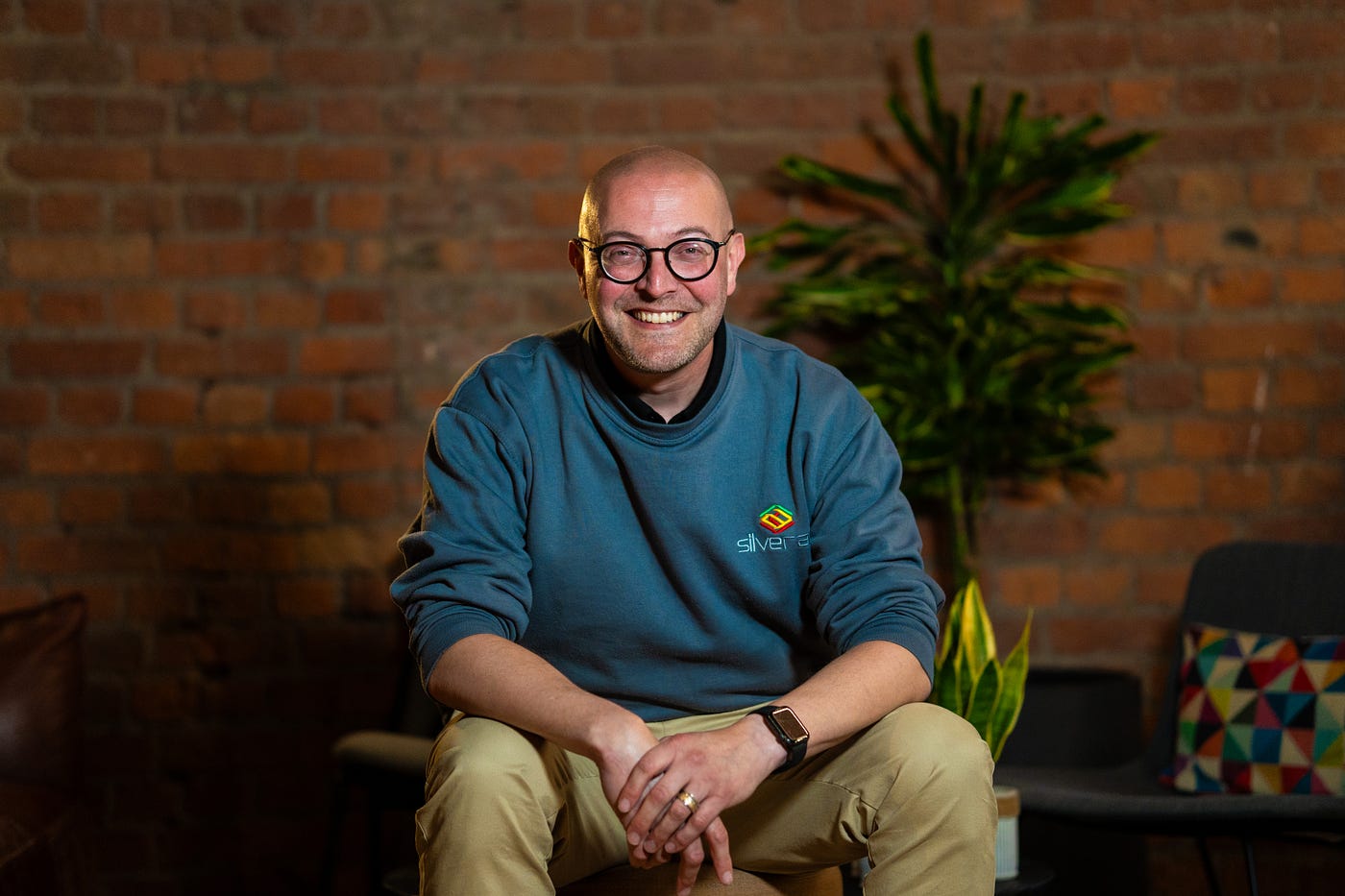
As a part of our series called ‘Five Things I Wish Someone Told Me Before I Became A CEO’ we had the pleasure of interviewing Dan Cathie.
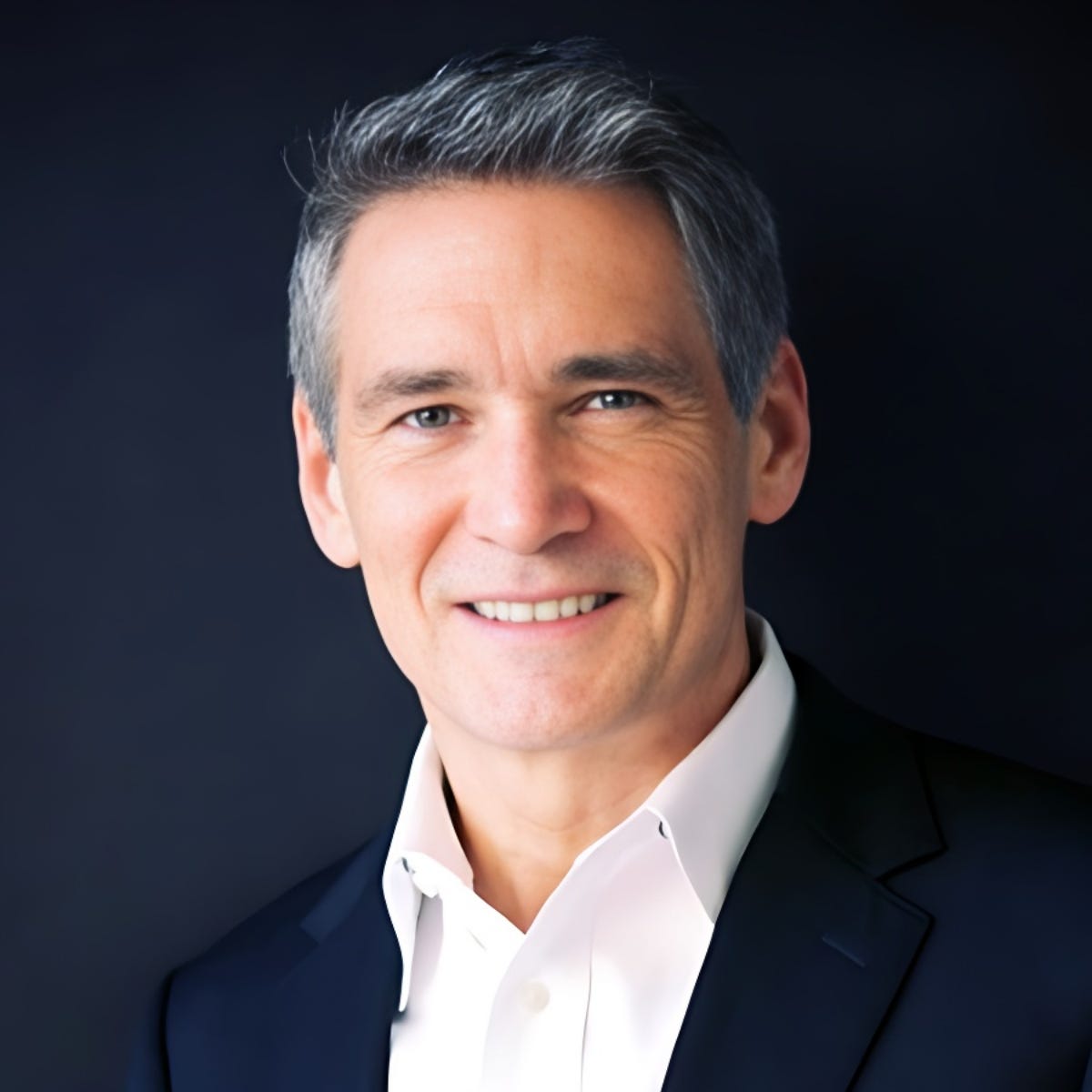
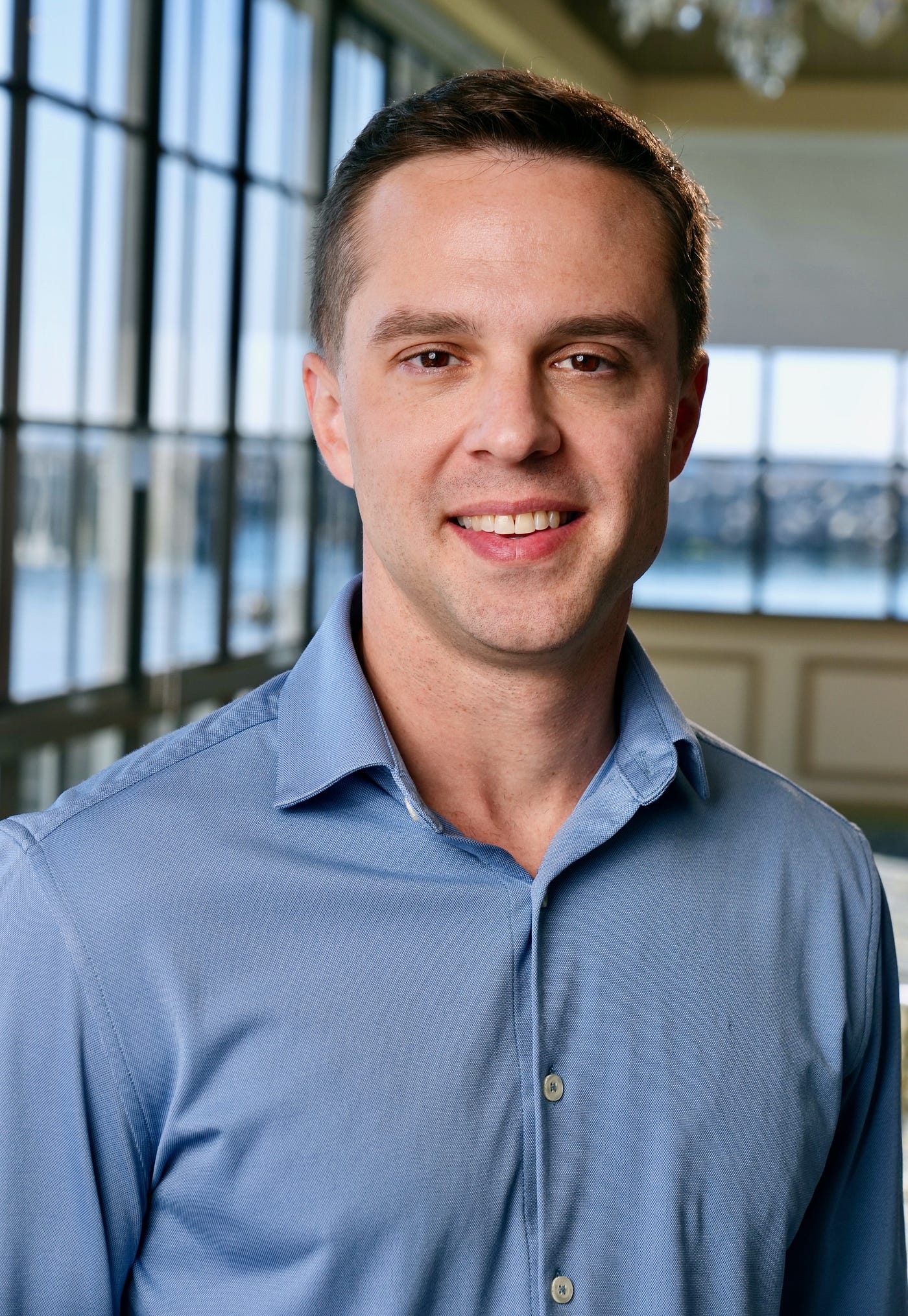
Dan Cathie, co-founder and CEO of X-ray technology pioneer Silveray, is a regional finalist in the latest round of the Britain’s Got Start-Ups competition. He says he doesn’t really feel like an entrepreneur — he’s just doing what he enjoys, which is running a business and bringing new technology to market. Silveray is his second X-ray technology company, having previously started vivaMOS and successfully exited to a trade sale in 2020. Dan is married with six children (three of whom are adopted) and enjoys jogging and cooking for his chaotic household of 11 people.
Thank you so much for joining us in this interview series! Before we dig in, our readers would like to get to know you a bit more. Can you tell us a bit about your “backstory”? What led you to this particular career path?
I guess my background is a little different from most tech CEOs as I didn’t start my first company (vivaMOS) until I was nearly 40! As a child, I grew up in Brussels, Belgium, and went to a French-speaking school. Anecdotally, my mum used to make us write English essays during the summer holidays so that our English language would still be good enough to go to university in the UK! I then studied for a master’s degree in microelectronics engineering at Southampton University, which led me to take a job as an integrated circuit design engineer at Philips Semiconductors in 1998. At that time, it was an exciting and growing area, with lots of new time-to-market critical opportunities to address. In our business line, we were developing ‘chips’ (tiny electronic circuits) which controlled CD players, then rewritable CD-R/RW drives for PCs, and subsequently DVDs. It was fantastic exposure to fast-moving consumer goods markets and how they drive technology innovation. I travelled frequently to Taiwan and also spent three years as an ex-pat in Fishkill (NY), working in a wafer fab where the semiconductor chips were manufactured. I love people and observing the variety of cultures and how that affects the way they work locally.
Philips was a great learning ground for a young enthusiastic and ambitious engineer like me… at the time, my aim was to become the Philips CEO! The company sponsored me to do a part-time MBA alongside my day job, as I figured out quite early on in my career that I wanted to move into business leadership. Although I really enjoyed the technical aspects of the role, what I was fascinated about was how everything and everyone fitted together in the context of the wider organization. After coming back to the UK and relocating our growing family to Manchester, I looked to switch to a smaller company, to see if I could apply some of the leadership skills I’d developed in the large corporation over to a small entity. After a seven-year stint as managing director of a scientific glassblowing company, I eventually ended up back in the semiconductor industry, with a 12-month contract to try to commercialize a large-area X-ray detector that had been developed out of UK research. We were lucky enough to make that technology work, grow the business, and sell it in 2020 to a US corporation. From knowing nothing about X-rays, it’s now a hugely significant part of my career.
Having enjoyed my first attempt at being a tech CEO, I’m now on my second start-up, and looking forward to seeing how this one develops and creates excitement in our industry. Our goal is to develop digital X-ray film (DXF®) to replace radiographic film with a much more productive option for industrial users in the first instance.
Can you share the most interesting story that happened to you since you began leading your company?
There are so many things that happen in the early days of forming a company that each story tends to get forgotten pretty quickly. One of the memorable events I can recall is when I first decided to take the plunge and start the company. From some early discussions with my co-founder (Prof Ravi Silva at the University of Surrey), I knew that we’d need a glovebox to process the materials that we would be using, and a scientific lab to connect it up in. The sticking point was that a new glovebox costs upwards of £150k and would take the best part of 12 months to purchase and install. Realistically, if we wanted to start the business any time soon, we’d need to find a used one, and negotiate a price at a fraction of a new one. Fortunately, a guy I knew at the time (who is now our CTO) had heard of a second-hand one that was soon to become available locally. We went and looked at it, and I offered to buy it there and then at a price I could afford, which (to my surprise) they accepted.
As the company had no cash (we hadn’t even started our seed funding round at this point), I agreed with my wife that it was worth investing some of our own hard-earned cash to buy the glovebox. However, we also needed somewhere to put it (and we decided our rickety shed at home was a bad idea) so I signed a five-year lease at Pear Mill in Stockport, UK, where we’re now based. We picked up a bunch of free items as part of the deal as well (various whiteboards, office bits, etc) and a full temporary cleanroom worth £100k for next to nothing (we paid for it in blood, sweat, and tears moving it, though!). Carrying the longer lengths up the stairs (as they didn’t fit in the lift) was pretty gruelling. All in all, we probably saved ourselves the best part of 12 months and £250k. Not bad for any start-up. That was when I knew I was committed to this latest venture.
Can you share a story about the funniest mistake you made when you were first starting? Can you tell us what lesson you learned from that?
I do a lot of stupid things, so this one is pretty easy! One of the earliest ones I can recall relates to the glovebox I’ve just talked about. Once we’d bought the glovebox, the next hurdle was transporting it (it weighs 500kg). I must have measured up the goods lift at the mill in all directions about 18 times before signing the lease to our unit. It was incredibly tight! We removed all the stainless steel pipes and accessories from the glovebox, which gave around 5mm clearance front, back, and top. The transport company broke one of the castors getting it off the lorry, so we had to jack it up to move it around, which meant it was an extra inch off the ground and didn’t fit in the lift with the jack raised. It was like Tetris, trying to get it to fit, as well as being able to load and unload it. We finally closed the doors, with two people inside, and the lift (rated to 750kg) didn’t move… I thought we were going to have to unload it and give up at that point. Fortunately, once the two removal team guys squeezed themselves out of the lift, it decided to accept the load and move up. We eventually got it up to the fifth floor of the mill and to our unit. We thought we’d made it.
That was when I realised it wouldn’t fit through the single door into the unit that I’d signed the lease for. Yep, after all those checks on the lift and the planning and dismantling to get it to the unit, I’d forgotten to check that it would actually get through our own door! We ended up having to park it in the hallway for a few days until I could get a joiner to extend the doorway. That was definitely a memorable experience — and funny in hindsight. It’s not a move that any of us is looking forward to doing in reverse one day… hopefully we can leave that one to someone else.
Lesson learned: don’t focus excessively on one element, make sure the full process has been reviewed all the way to the end. And, if you’re not a ‘completer finisher’, maybe try and get someone who is to check you’ve covered everything.
None of us are able to achieve success without some help along the way. Is there a particular person who you are grateful towards who helped get you to where you are? Can you share a story about that?
The chairman at my previous start-up, Mark Glover, was instrumental in helping me become a CEO for the first time, and challenged me to grow into the role. He convinced me to join that company originally then coached me through much of our growth. He recognised my skillset and helped me work on my weaker areas at the time, such as strategic planning. He also gave me confidence to ask for a lot from customers. If they believe you can deliver some innovative technology which they can capitalise on in their market, they are often quite open to pretty outrageous requests. In our case, we were able to negotiate terms whereby the customer would pay us six months in advance of us delivering the products (which funded our hiring plan), and they agreed to switch 100% of their supply over to us in time. In exchange, we would give them exclusivity in their field. That was an impressive supply agreement for us, and was the foundation of our success. They were market leaders in their field, and Mark had worked out that we’d need to win numbers two, three and four in their market to reach the same volume of sales. Exclusivity made absolute sense in that case, despite many others telling me to avoid that tie-up. I’m really grateful for the strategic sessions that Mark and I had together at length. He really invested his time and energy into me personally, and the company. Our successful exit was for sure, in part thanks to him. Interestingly, my original contact with Mark was when he was general manager of the business line I joined as a graduate engineer… so he was the person who would have approved me for the leadership development program early on in my career. It’s interesting how that relationship came full circle more than 15 years later.
Leadership often entails making difficult decisions or hard choices between two apparently good paths. Can you share a story with us about a hard decision or choice you had to make as a leader?
I find that the hardest decisions usually revolve around people. In a couple of cases, I’ve had a really strong technical person working for us, but they just didn’t ‘fit’. It’s not always that easy to interview candidates for cultural fit, especially early on when the culture of the company is still quite fluid. I tend to have certain character traits in mind when I’m hiring, but sometimes it’s not possible to identify risks until they’re already ‘on the bus’. At other times, I sometimes accept that someone may be a good hire for a specific purpose early on, but may not be right further down the line as we grow. It’s a really hard decision when I have to let someone go. I normally reach that point when I feel that they are no longer adding more value than the pain they’re causing to the rest of the team.
As CEO, you have to decide when people are hindering the outcomes for the company and find a way to part company with them. I always try to be fair in these cases, as it’s usually as much my fault as theirs: for example, there have been times when I haven’t clearly expressed our values or the non-negotiables in terms of how we operate, or I haven’t spent enough time one-on-one to communicate where an individual is deviating from what we expect. Equally, however, many of the issues boil down to personality traits (or management differences!) and are unlikely to be able to be addressed. Those are the hardest decisions, as I’m always acutely aware that I’m affecting a whole family, not just an individual employee. However, when I’ve made the decision, I always try to act swiftly, rather than letting things linger and drag on… it’s fairer on everyone one that way.
Ok, thank you for that. Let’s now jump to the primary focus of our interview. Most of our readers — in fact, most people — think they have a pretty good idea of what a CEO or executive does. But in just a few words can you explain what an executive does that is different from the responsibilities of the other leaders?
In my opinion, an executive should be (a) an ambassador, who champions and advocates for the company both internally (to the team) and externally (to shareholders and the media), (b) a visionary, who anticipates what markets and customers want and need ahead of others and sets up the organization to deliver on those, and © a ship’s captain who, with the help of a well-organized team, takes his passengers (shareholders and other stakeholders) to their promised destination without any unwanted detours. In short, the CEO is the face of the company, provides and communicates the vision for the company, and delivers on that vision through a clear strategic plan which their team can follow.
What are the “myths” that you would like to dispel about being a CEO or executive? Can you explain what you mean?
I don’t believe there are any CEOs who are ever completely sure of the decisions they are making — it’s always a judgement call. However, some CEOs are much better at sounding 100% convinced of their decisions than others (which is also a good skill to have, sometimes). Executives face new challenges every day, week, and month which are unique to their personal circumstances and their own business — there’s no obvious reference to consider, or person who’s done it before who can give you the answer. There are plenty of advisors and influencers, but the buck stops with you. What that really means is that taking the wrong decision could be devastating to the company’s future, and you may be the only one who knows. Personally, I think there is a lot of ‘gut feel’ involved, which essentially is another way of saying that your past experience tends to lead you to certain decisions in the future. I therefore deliberately try to be pretty open about my decision-making process, and stay open to challenges from all quarters… sometimes it’s pretty clear and obvious, other times there are more unknowns, so getting input from people with different experiences can make the decision more likely to be the right one. Diversity of thought is incredibly helpful on a balanced executive team. And, personally, I think diversity of thought comes through hiring across diverse cultures and genders.
What is the most striking difference between your actual job and how you thought the job would be?
Before I was a CEO, I didn’t think I’d be carrying 3.5m steel posts up five flights of stairs in an old mill, drilling and tapping screw threads into them to build a cleanroom, and cleaning the floor with a hastily bought mop before a potential investor shows up at short notice! These ‘hands-on’ activities are all part and parcel of being a company founder and CEO — if you’re not prepared to graft and lead by example, why would anyone else? The job title sounds grand, but the reality for any start-up is that it’s ‘all hands to the pump’ for many months (usually years) before you can really start looking a little further ahead and being a visionary.
Do you think everyone is cut out to be an executive? In your opinion, which specific traits increase the likelihood that a person will be a successful executive and what type of person should avoid aspiring to be an executive? Can you explain what you mean?
No, I don’t think everyone is a good fit for executive roles. I regularly evaluate the team and potential new hires to consider how their careers might progress. Only a few will become executives, partly because there are less of those positions available, but primarily because it becomes less attractive the more you realise what it entails. Sometimes, the individuals who don’t have the early ambition to be an executive may, in fact, be a better fit than those who do. I think this is because ego can be a problem. If people want to do it for the title, they’re probably not a good fit as they will tend to make decisions which improve their own position, rather than do things for the benefit of the company.
Being an executive fundamentally involves putting the good of others ahead of yourself. Some other traits of good potential executives are people who take the initiative (rather than waiting for others to lead), people who have a bit of humility and accept responsibility for mistakes (rather than deflecting blame), people who include teammates when being praised (rather than taking it all for themselves), and people who are inquisitive (always keen to learn about things beyond their own immediate area of work). Last, but not least, a high tolerance for ambiguity is essential, as most executive decisions are made based on very little concrete information, and yet the decisions they have to make can have significant repercussions.
What advice would you give to other business leaders to help create a fantastic work culture? Can you share a story or an example?
I try to write down how I want people in the company to behave when faced with certain dilemmas. We discuss those scenarios at executive level, then condense them into some clear guidelines and communicate them with the wider team. We regularly spot and use situations as they arise naturally to reinforce the culture we’re looking to create.
These are some of ours:
- Be open & transparent, offer information gratuitously, work collaboratively
- Learn from each other, educate each other, ask stupid questions, be rigorous
- Be flexible, stay connected with each other, be productive, be efficient, deliver quality
- Try new stuff, take a risk, be innovative, fail sometimes, celebrate the wins
- Be fresh, maintain balance, don’t live to work, get a hobby
How have you used your success to make the world a better place?
First, to set the record straight, I don’t necessarily see myself as successful. There are plenty of my team members and people I’ve worked with in the past who I’d consider just as successful, so I guess it’s how you measure it. I like to think that my primary contribution to society is completely unrelated to work. As a family, we were foster carers for several years, and have adopted three children in addition to our three birth children. Providing children in need with a loving and nurturing home is something I’m really proud of my family for. However, it wouldn’t have been possible to do this if it wasn’t for the flexible work environment that I’ve been lucky enough to be able to set for myself (and my team) over the last 10 years or so.
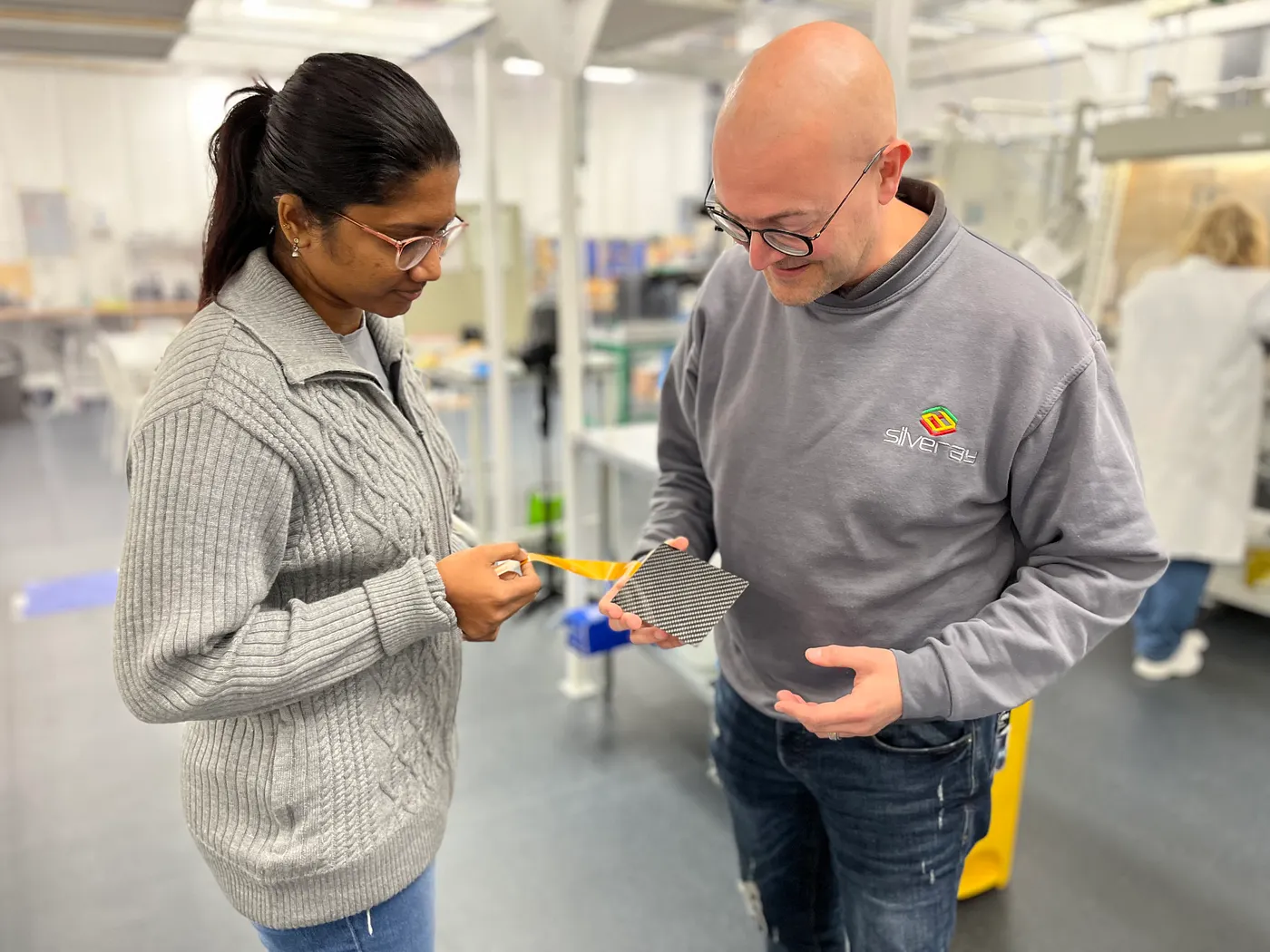
Over the next 10 years, we’re planning to bring some really cool new technology to healthcare and help improve patient outcomes worldwide. Our goal is to digitise radiographic film, so that medical professionals are no longer restricted to using flat detectors to take X-rays of non-flat shapes (the body!). For example, a skull cap with real-time monitoring of the treatment beam for radiotherapy patients undergoing Gamma Knife treatment, a flexible mammography detector which can be shaped around the breast without the need for compression, or a dental detector which doesn’t cause a gag reflex because it’s the consistency of a marshmallow rather than hard plastic. These centre around patient comfort, while also enhancing the image quality from X-rays. If we can even deliver in parts on our ambitious vision, the world will be a better place for it.
Fantastic. Here is the primary question of our interview. What are your “Five Things I Wish Someone Told Me Before I Became A CEO” and why?
1. Focus. What do you want to do and why are you trying to do it? If you have a clear focus, you’ll be more efficient, and the quality of your work will be higher. You’ll also get a lot more satisfaction and enjoyment out of working, as it’s a lot easier to say ‘no’ to things when you know what you’ve agreed to say ‘yes’ to.
2. Balance. Work to live, not the other way round. With a family of six children and a chaotic household of 11 plus pets (and various other commitments), my life involves a lot of juggling! Getting the balance right is key. As much as I enjoy my work, I have to stop sometimes. In fact, it’s often when I’m not working that the best ideas come to me.
3. Team. Get the right people in place early. Take time to hire them, and make sure you click. You need a balance of people who will be happy to tell you you’re wrong, and those who will blindly follow. Beyond the core team, I sit in on every interview to check if they are a good cultural fit. Skills can be learned, personality traits are hard to change.
4. Customers. Make sure you put enough emphasis on business development right from the get-go. As a tech start-up, it’s easy to get engrossed in the technical challenges and to forget to find real customers. Once you get one good customer, they will help you shape the product and grow the business before you run out of cash.
5. Cash. Find every way possible to spend it on the things that matter, rather than those that don’t. That’s not to say that you shouldn’t have some decent merch (the team love it, and it helps create a unique culture). But make sure you know where every last penny is going, at least until the business is cash positive.
You are a person of great influence. If you could inspire a movement that would bring the most amount of good for the greatest number of people, what would that be? You never know what your idea can trigger.
Personally, I like the idea of social capitalism. I’ve thought about going into politics in the future, but I have a hard time choosing which party I would stand behind. Fundamentally, I think that businesses and individuals who make money should be seen as a positive thing, and I’d love to see more of them give back to society in one way or another. I’ve come across some amazing examples of this on my journey so far, and I’d love to lead some sort of reformation which brings people’s wealth and hard work together for good. In the short term, I’m simply trying to find and bring new technologies to market which will make life a little bit better for the world.
Can you please give us your favorite “Life Lesson Quote”? Can you share how that was relevant to you in your life?
When I was on a management development course for potential leaders at Philips about 20 years ago, I vividly remember one of the other participants telling me: “You’ll never make it as a senior leader because you’re too nice.” I was pretty incensed by the comment at the time, and it has motivated me ever since to stay true to my values: keep being kind, friendly, curious, and see where it leads. It turned out they were wrong! I absolutely believe you don’t need to be a bully in order to be a good leader. That was the traditional alpha-male style, and it’s never been me.
We are very blessed that some very prominent names in Business, VC funding, Sports, and Entertainment read this column. Is there a person in the world, or in the US with whom you would love to have a private breakfast or lunch with, and why? He or she might just see this if we tag them
I love following Richard Branson and his ventures. In my book, he’s a true entrepreneur in every sense of the word. He takes risks and sometimes fails. I like the way he brings people together and inspires them, not in a big loud alpha-male kind of way, but by getting to know them and working to everyone’s strengths. There can be charisma in the quiet as well as in the loud.
Thank you for these fantastic insights. We greatly appreciate the time you spent on this.
About the Interviewer: Douglas E. Noll, JD, MA was born nearly blind, crippled with club feet, partially deaf, and left-handed. He overcame all of these obstacles to become a successful civil trial lawyer. In 2000, he abandoned his law practice to become a peacemaker. His calling is to serve humanity, and he executes his calling at many levels. He is an award-winning author, teacher, and trainer. He is a highly experienced mediator. Doug’s work carries him from international work to helping people resolve deep interpersonal and ideological conflicts. Doug teaches his innovative de-escalation skill that calms any angry person in 90 seconds or less. With Laurel Kaufer, Doug founded Prison of Peace in 2009. The Prison of Peace project trains life and long terms incarcerated people to be powerful peacemakers and mediators. He has been deeply moved by inmates who have learned and applied deep, empathic listening skills, leadership skills, and problem-solving skills to reduce violence in their prison communities. Their dedication to learning, improving, and serving their communities motivates him to expand the principles of Prison of Peace so that every human wanting to learn the skills of peace may do so. Doug’s awards include California Lawyer Magazine Lawyer of the Year, Best Lawyers in America Lawyer of the Year, Purpose Prize Fellow, International Academy of Mediators Syd Leezak Award of Excellence, National Academy of Distinguished Neutrals Neutral of the Year. His four books have won a number of awards and commendations. Doug’s podcast, Listen With Leaders, is now accepting guests. Click on this link to learn more and apply.

Published inAuthority MagazineTop Lessons, Top Authorities · 42K Followers
Exclusive, curated interviews with the leaders and changemakers shaping tomorrow. Leadership lessons, industry deep dives, and executive profiles.