I decided to say yes to everything. In 2018 I came up with this new philosophy to expand my life. For the first time I brought on a public relations consultant and she had a good reputation.
Please see the samples here
Career development is the ongoing process of choosing, improving, developing, and advancing your career. This involves learning, making decisions, collaboration with others and knowing yourself well enough to be able to continually assess your strengths and weaknesses. This can be challenging enough when you work in an office, but what if you work remotely? How does remote work affect your career development? How do you nurture and advance your career when you are working from home and away from other colleagues? How can you help your employees do this? To address these questions, we started an interview series called “How To Advance and Enhance Your Career When You Are Working Remotely”. As a part of this interview series, I had the pleasure of interviewing .
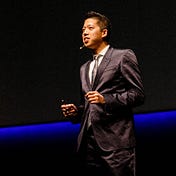
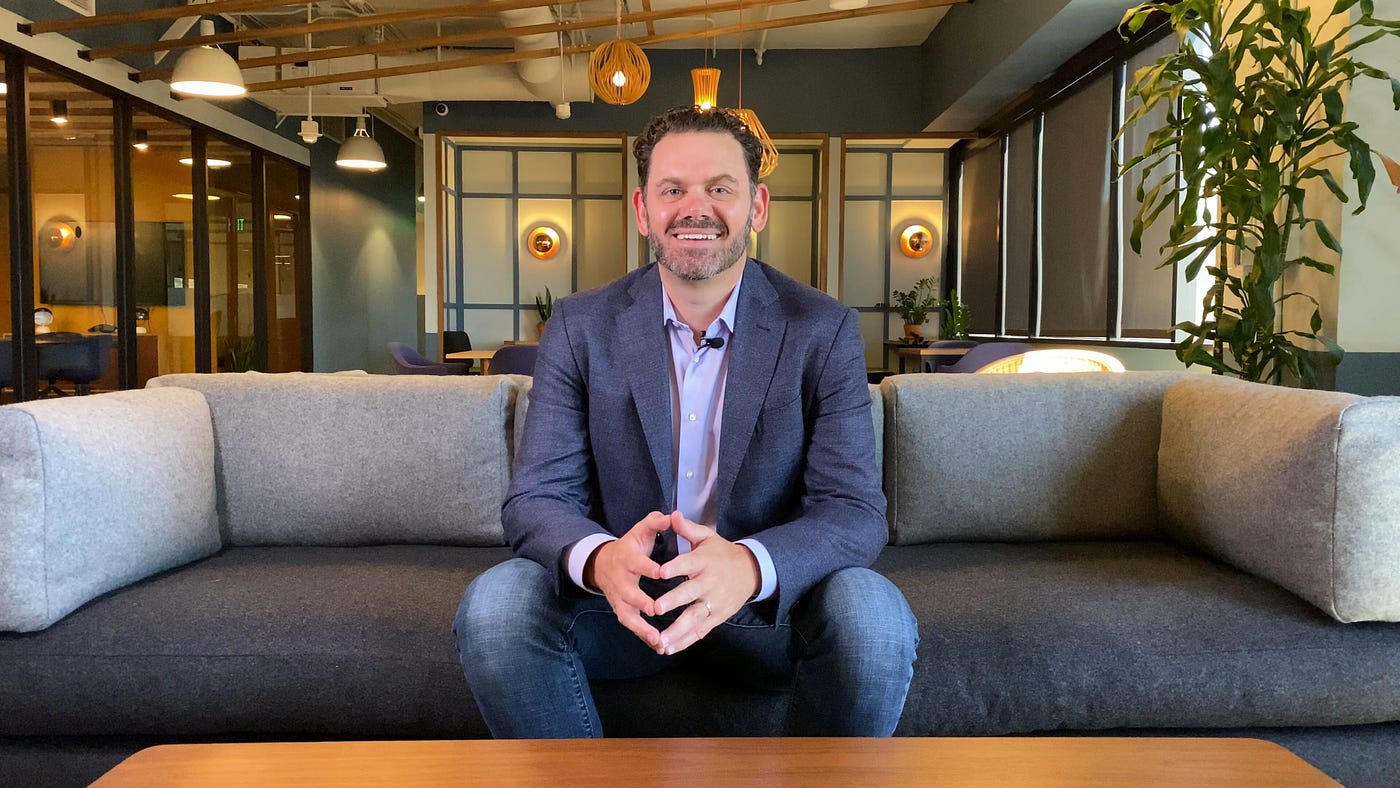
Chris Dyer is an author, international keynote speaker and company culture consultant. He is regularly featured in international, national and state media outlets. As a leadership expert his goal is to inspire audiences, organizations and leaders with a straightforward delivery, insightful candor, and engaging humor.
Thank you so much for doing this with us! Before we dig in, our readers would love to get to know you a bit better. What is your "backstory"?
I became a remote work expert after taking my company fully-remote in 2009. Since then I’ve trained countless companies—including 100 last year when we were hit with the pandemic. I trained companies like Johnson & Johnon, IKEA, the National Health Service and the U.S. Patent Office. I’ve been involved in athletic coaching, small business, you name it. I love to travel, so remote work has made that more possible too. I am a strong advocate for transforming the way people work and the way that employers provide meaningful jobs.
Can you share the most interesting story that happened to you since you started your career?
I decided to say yes to everything. In 2018 I came up with this new philosophy to expand my life. For the first time I brought on a public relations consultant and she had a good reputation. We didn’t always see eye-to-eye, one of the few people in my life I didn’t naturally get along with, but she was productive. After some time the personality conflicts were glaring and when we were at a radio show a producer asked if I wanted to do a show. This consultant told me that it was the worst idea and a podcast is a waste of time. But sticking with my new frame of mind, I went totally against that advice. I told the producer “yes.”
The first problem that came up was wondering if anyone would even agree to be on the show? Will anyone LISTEN to the show. We figured it out though and got it going. That podcast is how the publisher for my book found me. My publisher heard one of my interviews and came to me and asked, “Would you like to write a book Chris?”
I knew that I would need a lot of help from other people, but because I said yes to the podcast, I got a book deal, which got me onto a speaker track—one silly little thing I said yes to took me on a successful trajectory.
Can you share a story about the funniest mistake you made when you were first starting? Can you tell us what lesson you learned from that?
Because it was 9/11 had just happened there was a surge of patriotism – my mom and I were writing down names of potential business and we both came up with the name Liberty Alliance. So, we made it the name, with the Statue of Liberty as the logo. For years everyone thought we sold insurance and we finally said we cannot do this anymore. Stupid way, stupid name, regretted it for years.
Can you please give us your favorite "Life Lesson Quote"? Can you share how that was relevant to you in your life?
There is a Buddha quote that three things cannot be hidden long: the sun, the moon and the truth.
It’s better to be transparent and tell the truth and it comes out eventually and it discredits you as a person, but especially disqualifies you as a leader.
What advice would you give to other business leaders to help their employees thrive and avoid burnout?
Number one, design. Employers have to design workplaces that elevate the consciousness of how desired outcomes are produced. People need flexibility, fulfillment and purpose. Architecting communications flows is paramount to success in helping employees thrive and avoid burnout. For example, narrowing the bandwidth of communication to be more intentional and channeled.
Ok, let’s jump to the core of our interview. Working remotely can be very different than working with a team that is in front of you. This provides great opportunities but it can also create unique challenges. To begin, can you articulate for our readers a few of the main benefits and opportunities of working remotely?
Remote work benefits employers and employees alike. It increases diversity and inclusion, equity and sustainability of the business. Costs are reduced, and money is better spent on creating a workplace that isn’t following outdated models, but serves working in the present state of our economy and society.
Can you articulate for our readers what the five main challenges are regarding working remotely?
Having the right, consistent set up to be successful. Ensuring secure internet access is primary. Ensuring that you have a dedicated workspace aside from the living room, or other communal settings. For example, sitting on the sofa hunched over and kids toys all around or other distraction is not going to be conducive to productivity. You also need a space that you can leave and take a break. If you have a small space, at least dedicated a set area with a desk for work is good, but you can also look into getting a pass to WeWork or something similar. Employers should also be helping alleviate this pain-point for workers.
People overwork, because people lack the boundaries and signposts of starting and stopping work. Close your laptop at the end of the work day. Take micro-breaks if you are feeling bogged down in front of the computer. Something as simple as taking a walk to the mailbox, or watering plants right after a conference call can give you some decompression without forfeiting too much time away. These small things can help give you a break between tasks so that you can focus and get through your workload.
Having to replace work socialization by socializing with friends in a different space. That’s not always easy, but if you don’t have that workplace socialization you crave, you have to go get it somewhere else. Find community events, philanthropic opportunities and other avenues for human connection. There are tremendous needs out there, and other people who feel the same way—find them and find these outlets to better develop your external life.
Dealing with complexity of remote work and state and local laws and taxes. If you aren’t staying in one place, roving remote work can cause complications with residency and taxes. Seek expert advice from the necessary individuals and make sure you are protecting yourself. I think there are a multitude of developments that haven’t been accounted for with the future of work that is now here.
Remote work requires outcomes, goals and results – a nice suit and playing office politics is dead. A performance-based environment is empowering to people, especially for introverts who are used to slinking into the background at work offices. We ought to have people be honored for their contributions in a modern workplace that is focused on value.
Based on your experience, what can one do to address or redress each of those challenges? Can you give a story or example for each?
We had a woman we hired and she came with great reputation and resume, but after not long she was not performing well. Did we get this wrong? We had her manager come back and do a check on everything—we never sent her a second monitor per our standard practice. There was literally no way for her to do her job without multiple monitors. We almost fired her because we didn’t have the right setup, her stats went BOOM when we gave her what she needed.
We identified during Covid that we had overworking and underworking talent. The overworking workers were the single and bored workers who couldn’t do anything but work or watch more Netflix and we had to coach them to stop working, and closing their laptops, and act out stopping work. With those who were underworking we realized that it was because of the strain of having kids and so on, and that they needed more time and flexibility to get jobs done. We managed to balance this out and improve the conditions of the workplace for everyone and continue to drive productivity and outcomes, while cultivating a strong company culture.
I realized I had to replace workplace socialization and validation with something else. I was used to having all those people around me all the time, and when we converted to remote in 2009, I found I was way more productive, but felt very lonely, isolated, and I realized I needed to take a walk and cultivate stronger friendships to meet up with after work and weekends, go into social outlets. This is imperative for leaders especially.
We realized that we couldn’t hire outside the United States, we could outsource, but not hire. Roving remote work and the changing nature of hiring practices in a remote world changed the way we onboarded talent and developed skills. We had to navigate regulatory structures and mandates.
My executive team, when we were all in one place, would have said they were all extroverts, now 3 or 5 are introverts. The ability of introverts to rise and assume leadership has expanded, it balanced out everything. We aren’t looking at loudest and flashiest anymore. Weeding out the abundantly extroverted, but underperforming workers, for top talent is crucial. I remember being asked to come in the Slack channel for our research team (all introverts). We were blown away at how much conversation all of these “introverts” were having and discussing and innovating, but that’s because it was written, whereas on Zoom they were quiet. The slack room democratized contribution in the workplace. We discovered through this channel that one person became a strong leader and that she should be at the helm of the team. You could see her doing the work.
Let’s talk about Career Development. Can you share a few ideas about how you can nurture and advance your career when you are working from home and away from other colleagues?
Advancing and nurturing your career doesn’t have to do much with your colleagues, or peers, or friends from college, or even mentors in the industry as much as it used to. In the changing workforce environments, you need to take personal responsibility to hone your talents, develop your skills, engage in extra personal development and education, and maintain consistent upskilling. If you do that, your results will speak for themselves and you can be much more dynamic as a worker.
In the right context ensure you are delivering results, content and work products in the most visible possible way
One of the reasons I’m against one-on-one meetings in a remote setting because you end up only telling your boss what you did. You need to this kind of reporting in a Slack room and delivering what you did to contribute and make sure people know about the results with transparency in mind. We’ve been beat down that highlighting achievements is bragging or other generalities, but what you are doing is important and your team needs to be aware of these steps toward achieving company goals.
All these scary articles about remote work and the dangers are basically hit pieces on remote work done poorly – not on remote work itself. They basically cover what people are not doing right. We should never trash progress because of people poorly implementing new processes and adapting to the needs of society and markets.
Can you share a few ideas about how employers or managers can help their team with career development?
Certainly leaders can have intentional opportunities to learn, grow and experiment to have a safe place to share where they are vulnerable, where they’ve made mistakes. Leaders have to create those environments and spaces for their teams and make sure everyone understands what successful workers did to achieve promotions – the worst thing is a lack of clarity and transparency. Leaders ought to keep people aligned. Leaders have to be very clear about what they expect from a development and learning standpoint. As a leader, I expect teams to read books, go to conferences, and grow.
You are a person of great influence. If you could inspire a movement that would bring the most amount of good to the most amount of people, what would that be? You never know what your idea can trigger. :-)
The movement I want to inspire is a complete evolution about how we implement and do work, not in a theoretical or simply cultural way, but in terms of governmental policy too. We have to have a new age of industrial evolution. People shouldn’t be confined to doing work the way we’ve done it, just because that’s the way things have been. We need to get outside of these bubbles of outdated structures. We need to create an environment where the new style of work—fulfillment, flexibility and a human-centered approach—that promotes thriving, not simply surviving in the market.
How can our readers further follow your work online?
The best way you can follow my work online is to go to www.chrisdyer.com. There, you will find all of my social channels, blog posts, news features, press releases and eBooks to help drive a more successful company culture and strategies to create successful remote work.
Thank you for these great insights! We wish you continued success
About The Interviewer: David Liu is the founder and CEO of Deltapath, an award-winning unified communications company that liberates organizations from the barriers of effective communication. Liu is known for his visionary leadership, organic growth strategies, and future-forward technology. Liu is highly committed to achieving a greater purpose with technology. Liu’s business insights are regularly featured in Forbes, Entrepreneur Magazine, Tech Crunch, and more.