I loved the industry, but I always felt myself gravitating toward the creative and marketing side of things.
As a part of our series called “My Life as a TwentySomething Founder”, I had the pleasure of interviewing Cedric Burgan.
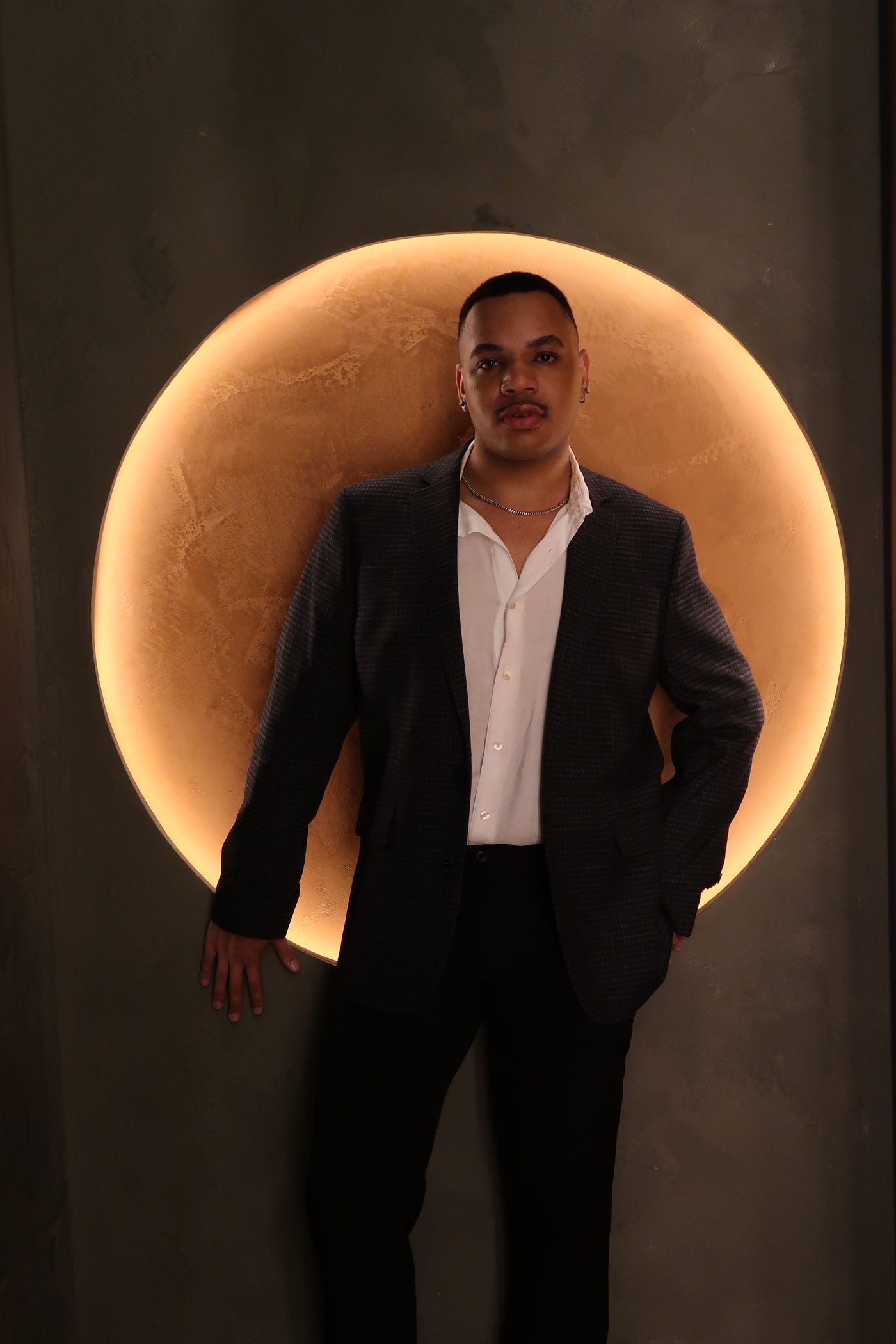
Cedric Burgan is the founder and CEO of Haus of CLB, a Houston-based creative marketing agency specializing in social media management, content production, influencer marketing, and digital growth for beauty, lifestyle, wellness, and consumer brands. With a background in influencer talent management and brand partnerships, he has managed high-value campaigns, developed digital strategies, and helped brands strengthen their online presence. After facing four months of unemployment and submitting more than 3,000 job applications, Burgan launched Haus of CLB in 2026, transforming his industry experience into a growing agency built around six specialized divisions.
Thank you so much for joining us in this interview series! What is your “backstory”?
Thank you for having me! My story is a little unconventional, but I think that’s what makes it special. I’m 25, originally from Pennsylvania, and I moved to Houston in May 2025 without knowing anyone. Before starting Haus of CLB, I spent nearly three years working in influencer talent management, representing creators, negotiating brand partnerships, and managing campaigns. I loved the industry, but I always felt myself gravitating toward the creative and marketing side of things. Then I found myself unemployed for four months. During that time, I applied to over 3,000 jobs. I had the experience, the skills, and the motivation, but I couldn’t seem to get someone to give me an opportunity. Eventually, I started asking myself why I was putting so much energy into convincing someone else to hire me when I already had the skills to build something of my own. I started creating brand content on my own, and that eventually turned into my first client. In March 2026, I officially launched Haus of CLB. I didn’t have investors, a huge network, or some perfectly mapped-out business plan. I started with what I knew, invested in myself, and figured things out as I went. Now I’m building an agency with six specialized divisions, working with businesses across different industries, and creating opportunities for other creatives. It’s still early, but I’m proud of how far I’ve come. Especially knowing where I started.
Can you share the funniest or most interesting story that happened to you since you started your company? What lessons or takeaways idd you take out of that story?
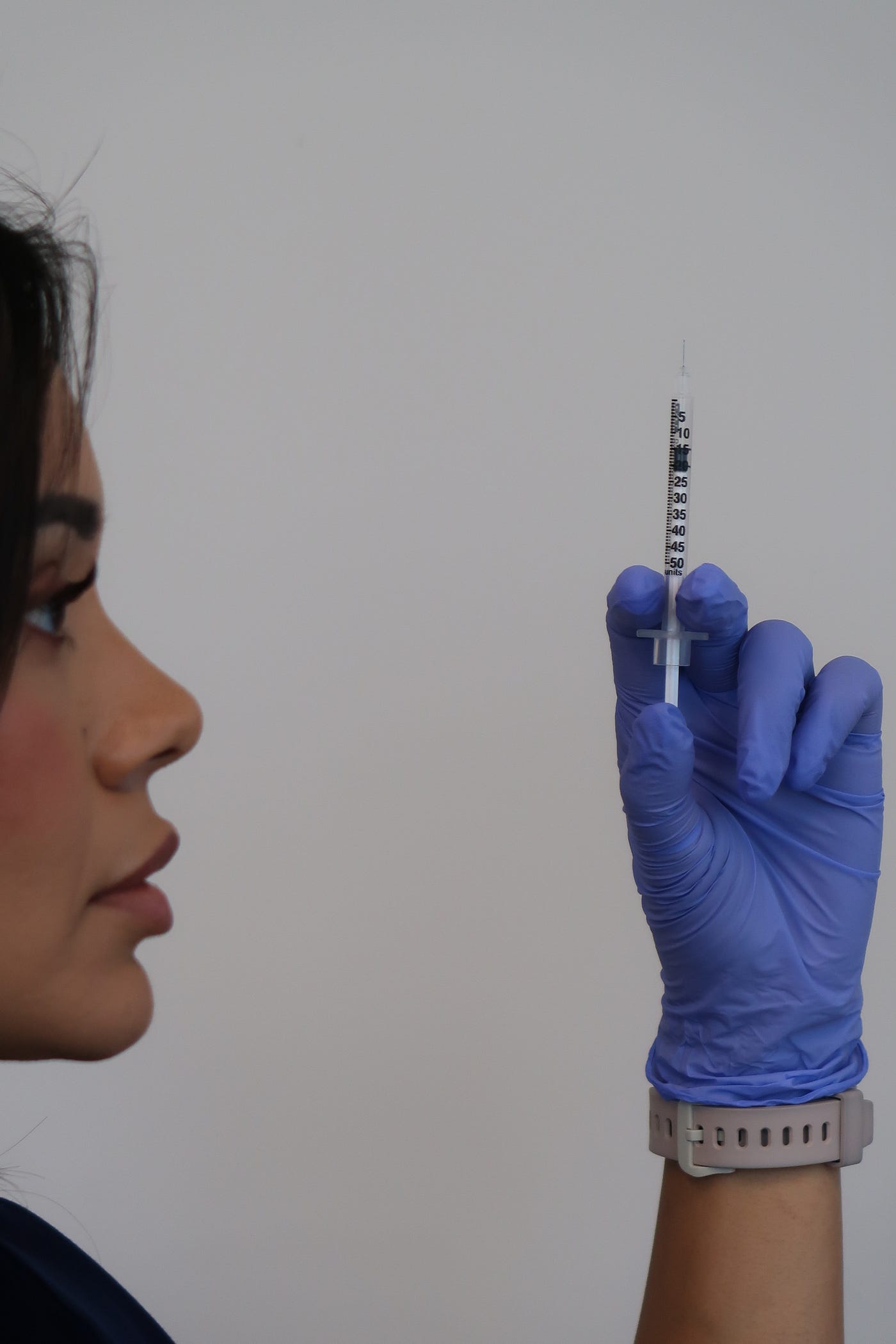
One of the funniest things about starting Haus of CLB is how much random information I’ve learned that I never thought I’d need. I started an agency because I loved marketing, branding, and creating content. Fast-forward a few months, and I’m having conversations about facelifts, anesthesia, Botox, and laser hair removal like I’ve been in the medical field for years. At one point, I was working on content for a plastic surgeon and planning a Halloween campaign called “Boo-tox” for a medspa. I remember thinking, if someone overheard these conversations without any context, they’d probably be concerned. I have a degree in communication. Nobody mentioned I’d need to develop a working vocabulary of cosmetic procedures. But I think that’s what makes this experience so interesting. Every business has its own world, and I’ve learned how important it is to understand the industry you’re working in rather than approaching every client the same way. I’ve also learned not to take myself too seriously. I love what I do, but some days are so random that all you can do is laugh and appreciate the fact that this is somehow your career.
What do you think makes your company stand out? Can you share a story?
I think what makes Haus of CLB different is how personal our approach is. I never wanted to build an agency that signs a client, posts a few times a week, sends an analytics report, and calls it a day. I want us to understand the people behind the business, what they’re passionate about, what makes their brand different, and what they’re trying to accomplish. One example is our work with Lift Plastic Surgery and Uplift Medspa. In aesthetics, it’s easy for social media to become a constant rotation of before-and-after photos, promotions, and treatment videos. We wanted to approach things differently. We started developing educational content that answered real patient questions, introduced the providers, and helped make topics like surgical procedures and aesthetic treatments feel more approachable. For me, that matters because marketing should help people feel comfortable with a brand before they ever walk through the door. I’ve also structured Haus of CLB into six divisions: Social Haus, Growth Haus, Creative Haus, Partner Haus, Creator Haus, and Kulture Haus. Each division focuses on a different part of a brand’s growth, but they all work toward the same goal. I want our clients to feel like they have a creative partner who cares about their business as much as they do.
None of us are able to achieve success without some help along the way. Is there a particular person who you are grateful towards who helped get you to where you are? Can you share a story?
I’m incredibly grateful for my friend Sarah who helped me get in the room for my second client. When I moved to Houston, I didn’t have an established professional network. I was starting over in a new city, trying to meet people, build relationships, and convince business owners to take a chance on someone who was also figuring things out. That friend believed in what I was building before there was much of a company to show for it. And that meant a lot to me. Sometimes people think support has to look like someone giving you money, making a huge investment, or having all the answers. But sometimes it’s someone mentioning your name in a room you’re not in. That one connection helped me build momentum at a time when I needed it. I’m also grateful for the people who’ve become part of Haus of CLB, including my team. Building a company has taught me how important it is to surround yourself with people who believe in the vision and bring their own ideas to the table. I never want to forget the people who supported me when everything was still an idea.
Are you working on any exciting projects now?
Yes, quite a few, actually! Right now, one of my biggest priorities is expanding Haus of CLB beyond Houston and building relationships with brands across the country. We’ve been growing our work in beauty, aesthetics, plastic surgery, and wellness, but I also want to expand further into fashion, hospitality, entertainment, lifestyle, and consumer brands. Another project I’m focused on is Kulture Haus, our influencer marketing division. Having spent nearly three years in talent management, I wanted to bring that experience into the agency and help brands create stronger, more intentional relationships with creators. We’re also developing Kulture Connect, a creator network designed to connect talent with brands and future partnership opportunities. On the agency side, I’m building out Partner Haus, which will allow us to collaborate with PR and communications agencies that need additional creative production and marketing support. Beyond the services, I’m focused on growing our team, developing our internal systems, and creating a company that gives talented people room to grow. My long-term goal is to build Haus of CLB into a nationally recognized creative agency. There’s still a lot of work ahead, but I’m enjoying the process.
How have you used your success to bring goodness to the world?
I still feel like I’m at the beginning of my career, so I wouldn’t say I’ve reached the level of success I’m working toward. But one thing that’s always mattered to me is helping other people grow. During my time in talent management, I had the opportunity to mentor four interns. I helped them understand the influencer industry, learn how brand partnerships work, and gain experience in a field that can be difficult to break into. Now, as a founder, I’m working toward creating those same opportunities through Haus of CLB. I know what it’s like to have experience and still struggle to find someone willing to give you a chance. That’s something I think about when hiring and building my team. I also love working with smaller businesses and helping founders bring their ideas to life. Sometimes they’re incredible at what they do, but they need someone to help communicate their story and reach more people. If I can help someone grow their business, create opportunities for creatives, or make somebody feel more confident about pursuing their goals, that’s meaningful to me. I want Haus of CLB to grow into a company known for the quality of its work and for how it treats people.
Do you have a favorite book that made a deep impact on your life? Can you share a story?
One book that’s had a big impact on me is How to Win Friends and Influence People by Dale Carnegie. I think one of the biggest things I’ve taken from the book is how important genuine relationships are, especially in business. People want to feel heard, understood, and appreciated, and I think sometimes we get so caught up in trying to impress people that we forget how important those little things are. When I started Haus of CLB, I didn’t have this huge network of business owners or industry connections in Houston. I had to put myself out there, introduce myself to people, and build relationships from scratch. The book helped shape how I approach those conversations. Instead of immediately trying to sell someone on my services, I focus on getting to know them, understanding their business, and finding ways to bring value to the relationship. One thing I’ve learned is that people remember how you make them feel. You could have the best pitch in the world, but if someone doesn’t feel like you genuinely care about them or their business, none of that matters. And I think that’s something I’ve carried into how I run my agency. I want our clients to feel like they’re working with people who are genuinely invested in their success, rather than another company trying to sell them something.
Can you share 5 of the most difficult and most rewarding parts of being a “TwentySomething founder”. Please share an example or story for each.
1. Learning to believe in yourself before everyone else does. I think one of the hardest parts about being a young founder is feeling like you constantly have to prove yourself. People see your age before they see your experience. Even though I had spent years managing creators, negotiating partnerships, and working with brands, starting my own company meant establishing credibility all over again. There were definitely moments when I questioned whether I was ready. But one of the most rewarding feelings has been seeing business owners trust me with their brands and knowing they’re choosing to work with a company I built myself. It’s helped me realize that confidence comes from doing the work, even when you’re still figuring things out.
2. Figuring out how to put a price on your work. This one was a huge adjustment. When I worked in talent management, I negotiated brand deals for other people all the time. I was comfortable discussing budgets, deliverables, contracts, and campaign expectations. Then I started Haus of CLB, and suddenly I was the person explaining why my own services were worth the investment. It’s funny how different those conversations feel when you’re advocating for yourself. I had to learn to stop looking at pricing as asking someone for money and start looking at the experience, time, strategy, and results behind the service. Now, one of the most rewarding parts is having clients invest in our work because they recognize the value we bring.
3. Realizing you can’t do everything yourself. When I first started, I was doing pretty much everything. Client outreach, content strategy, filming, editing, proposals, invoicing, social media management, website updates. You name it. And for a while, I thought being a good founder meant being able to handle all of those things on my own. Eventually, I realized that approach wasn’t sustainable if I wanted the company to grow. Hiring my first content coordinator was a huge milestone because it meant I was starting to build something bigger than myself. It’s also been one of the most rewarding parts of entrepreneurship, being able to collaborate with someone else, share ideas, and see work come together as a team.
4. Learning how to manage money and grow responsibly. Starting a company without investors or outside funding has definitely been challenging. There’s always something I want to invest in, whether it’s another camera, better equipment, software, hiring, or expanding our services. But I’ve had to learn how to prioritize what the business needs right now versus what I want for the future. Especially as a creative person, it’s easy to convince yourself that you need the newest equipment to produce better work. I’ve learned to focus on getting the most out of what I already have and making investments that support actual growth. The rewarding part is knowing that every piece of progress comes from something I’ve built through my own work.
5. Building something while you’re still figuring out your own life. I think people forget that your twenties are already such a transitional period. You’re figuring out your career, finances, relationships, who you are, and what you want your future to look like. Now add running a business to all of that. There are days when I’m managing client projects, coordinating shoots, reviewing content, answering emails, and trying to find time for myself. Learning how to balance those responsibilities has been difficult. But there’s something special about waking up and knowing you’re building something you genuinely care about. I get to be creative, meet people from different industries, work with brands I admire, and build a future that feels aligned with who I am. Even on difficult days, I wouldn’t trade that experience.
What are the main takeaways that you would advise a twenty year old who is looking to found a business?
First, I would tell them to stop waiting until they feel completely ready. I think we put so much pressure on ourselves to have the perfect business plan, website, branding, and financial situation before we even start. Of course, those things matter, but you learn so much more once you start putting your ideas into the world. I’d also encourage them to get experience in whatever industry they’re interested in. Work for someone, learn how businesses operate, build relationships, and pay attention to what works and what doesn’t. Nearly everything I learned in talent management has helped me in some way as a founder. Another thing is to get comfortable hearing no. Rejection is part of the process, whether you’re applying for jobs, pitching clients, or trying to build relationships. You have to learn not to take every no personally. And finally, don’t build a business because you think entrepreneurship looks cool on social media. Build something you genuinely care about, because there will be days when you’re tired, stressed, and questioning your decisions. You need a reason to keep showing up beyond wanting the title of founder.
We are very blessed that some of the biggest names in Business, VC funding, Sports, and Entertainment read this column. Is there a person in the world, or in the US whom you would love to have a private breakfast or lunch with, and why? He or she might see this. :-)
Ariana Grande, without a doubt. I’ve been a fan of hers for years, but what interests me most is how intentional she is about everything she creates. Her music, visuals, performances, brand partnerships, and businesses all feel connected to a larger vision. As someone building a creative agency, I find that incredibly inspiring. I’d love to understand how she approaches creative decisions, how she protects her vision while working with large teams, and how she knows when to take a risk. I’m also interested in how she’s built something with such a strong identity over such a long period of time. That’s something I think about with Haus of CLB. I want the company to grow, but I never want to lose the personality, creativity, and purpose behind why I started. Plus, I have about a million questions I’d love to ask her about the creative process.
What is the best way our readers can follow you on social media?
You can connect with me on LinkedIn at linkedin.com/in/cedricburgan, and follow Haus of CLB on Instagram, TikTok, and LinkedIn through linktr.ee/hausofclb. You can also visit www.hausofclb.com to learn more about the agency, explore our work, and see what we’re building. I’m always interested in connecting with other founders, creatives, and people who are passionate about what they do.
This was very inspiring. Thank you so much for joining us!