Early in my consulting career, I had the opportunity to develop a health systems strategy for a southern African government. The problem was a severe nursing shortage, and our goal was to understand its cause and to use that information to help train more non-physician health workers.
Wellness
Bryony Winn on Logistics, Empathy, and the Future of Global Healthcare
The President of Anthem Health Solutions shares her journey from the developing world to executive leadership, emphasizing empathy, grounded problem-solving, and thoughtful industry transformation.
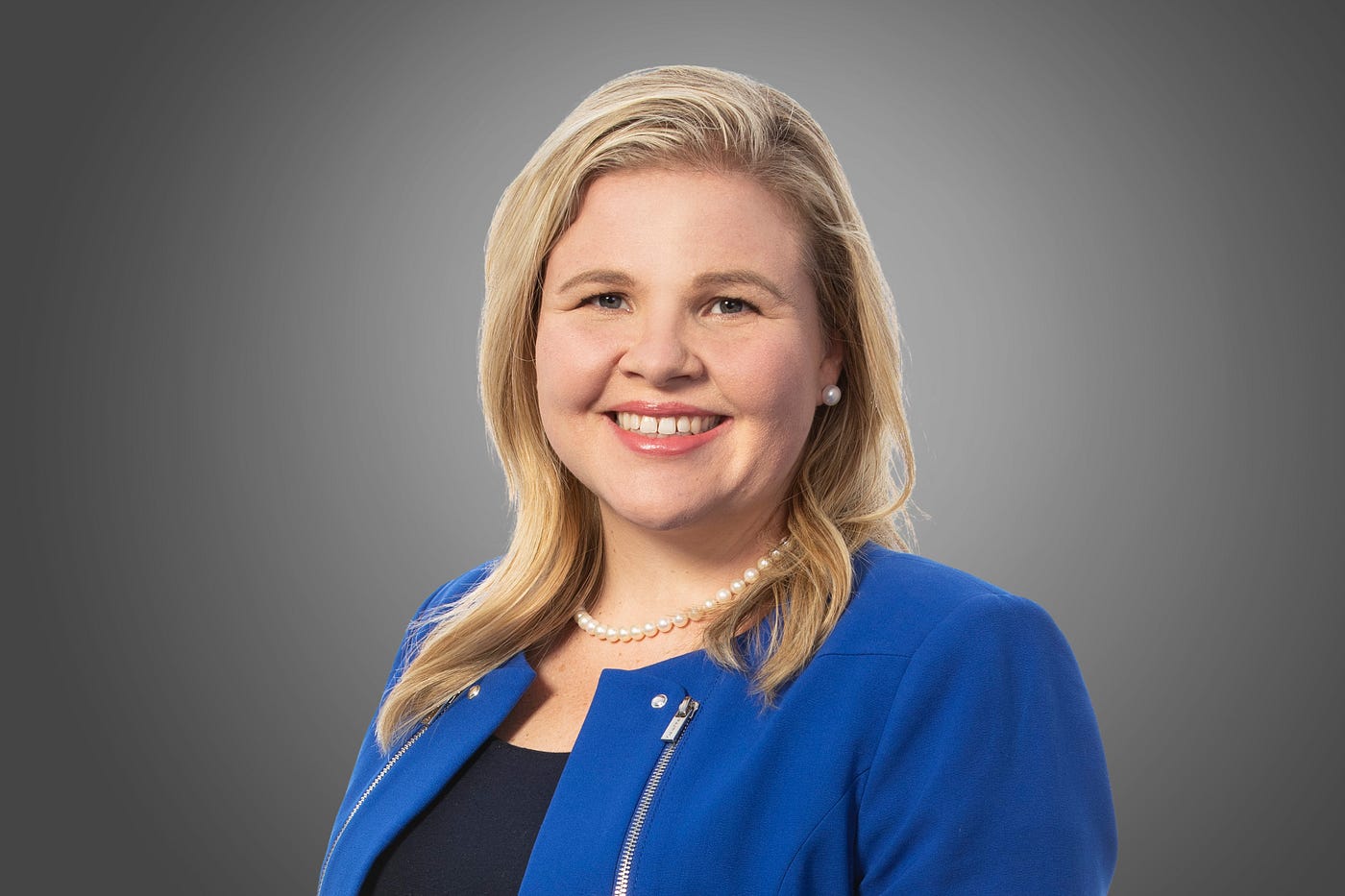
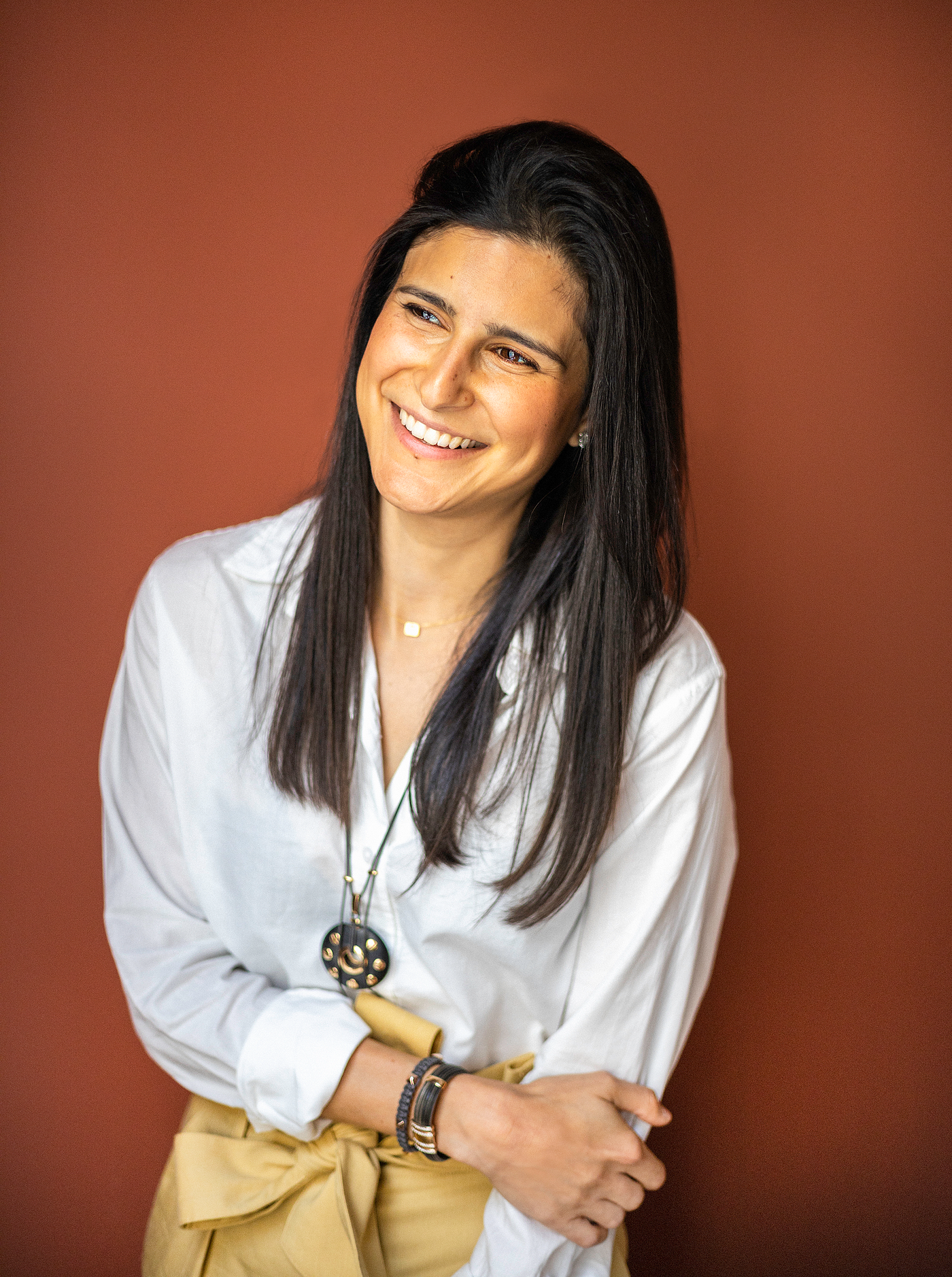
As a part of our interview series called “5 Things We Must Do To Improve the US Healthcare System”, I had the pleasure to interview Bryony Winn, President, Anthem Health Solutions at Anthem, Inc.
As President, Anthem Health Solutions, Bryony Winn is responsible for ensuring that the 42 million consumers in Anthem’s family of health plans have access to high quality, affordable care. She was one of Modern Healthcare’s Top 25 Emerging Leaders in 2019, one of 127 people in the world named to the Forum of Young Global Leaders by the World Economic Forum, and in 2021, she became a member of the Fast Company Impact Council and was named one of INSIDER’s 30 Under 40 Leaders Transforming Healthcare and one of Fortune’s 40 under 40. She is a wife in a dual-career household and mom to three young children.
Thank you so much for joining us in this interview series! Before we dive into our interview, our readers would like to get to know you a bit. Can you tell us a story about what brought you to this specific career path?
I’m Zimbabwean, and the impact of health on people’s lives has interested me from a young age. Growing up in the developing world, I saw the stark differences in health outcomes between those who had access to basic medical care and those that didn’t. For example, as COVID-19 has illuminated, access to vaccines can be the difference between life and death. Of course, this has been known for nearly 50 years when diseases like polio were nearly eradicated in the U.S. and other first world countries. But in Africa, where polio was eradicated much later in 2020, many people didn’t have access to such vaccines. There are so many basic things about healthcare that many Americans take for granted, but which are still very much a struggle for many, especially those in poverty — here and in the many other countries around the world. The exposure to this growing up fostered my interest in addressing inequities at scale, and health gave me a great place to start.
Can you share the most interesting story that happened to you since you began your career?
I’m not sure this is interesting, so much as informative. Early in my consulting career, I had the opportunity to develop a health systems strategy for a southern African government. The problem was a severe nursing shortage, and our goal was to understand its cause and to use that information to help train more non-physician health workers. Naturally, we went in with pre-existing notions relating to financial barriers — that the health system budget was not adequate to fund training, that the pay scale wasn’t good enough to attract candidates, and more. The answer we found was really quite surprising: the budget and interest was more than adequate, but there wasn’t enough physical space to house and train prospective nurses. Many of the hospitals had state of the art equipment and even hospital space, but their investment in housing was completely absent. Literally, there were not enough dormitory rooms for the trainee nurses! It was more of a logistical problem than a financial one. Ultimately, the resources needed to correct the problem were relatively uncomplicated. The solution involved building modest dorm rooms across five sites. Ultimately, this fix would grow the nursing population by 20–50% over the next 5–6 years. There are a few key learnings here. First, never come at a problem assuming you know the solution. Second, we found our answer by listening to nurses, not government officials or administrators. Make sure you talk to the people on the ground. Third, what’s interesting to fund isn’t necessarily what needs funding. Finally, in strategy we always talk about building blocks. In this case, the answer was literally that: building blocks of dorms. Sometimes the simplest answer is the right one.
Can you share a story about the funniest mistake you made when you were first starting? Can you tell us what lesson you learned from that?
No matter how smart you are or how great your ideas are or how impressive your degrees may be, there are practical things that can stand in the way of being taken seriously as a young professional. In my case, I was fresh out of Oxford and beginning a jet-setting international consulting career when I was forced into presenting to a group of seasoned executives in Switzerland while wearing a pair of worn-out tennis shoes. My heel had broken, and I had no spare! The lesson learned was always expect the unexpected when it comes to travel. You never know what luggage will arrive at your destination. So, plan ahead and pack your carry-on accordingly. And if you end up with an extra pair of boardroom-worthy shoes? So be it.
Can you please give us your favorite “Life Lesson Quote”? Can you share how that was relevant to you in your life?
Nelson Mandela said, “It always seems impossible until it’s done.” As is typical for anyone who comes from southern Africa, he’s a massive hero of mine. Mandela’s work is incredibly personal to me as well because I had the opportunity to work with The Mandela Rhodes Foundation. This quote speaks to me as an unapologetic optimist, but also, it’s a rallying cry for the concept: “If not us, then who?” There are challenges at such scale that become difficult to tackle unless there is a real belief that we can actually get somewhere and do it.
How would you define an “excellent healthcare provider”?
There are any number of directions I could go here, but ultimately, I think it comes down to one main thing: empathy. And excellence in the entire health ecosystem is defined by this, not only front-line care providers.
When it comes to empathy, excellent healthcare providers never forget their roots — the “big why” that led them to pursue a career in healthcare in the first place. It’s about keeping perspective and having a deep recognition for the unique role that care providers play in helping people address — and prevent — their health challenges. Excellent healthcare providers lead with empathy, and their ability to put themselves in their patients’ shoes.
What are your favorite books, podcasts, or resources that inspire you to be a better healthcare leader? Can you explain why you like them?
As someone pursuing a PhD, I get more than my share of inspirational academic texts that are worth recommending. But admittedly, I find Twitter an exceptionally helpful resource for two-way discussions about healthcare. You see a lot of disagreement there, of course, but I personally like that as long as it’s cordial and there is meaningful conversation. If you step back and think about it, never before has humanity had such immediate access to the opinions of the world’s greatest minds. Social media is undoubtedly a double-edged sword, but it can be an incredible “quick learning” tool.
Here are some of my favorite healthcare thought leaders to follow on Twitter:
- Sarah Kliff, a journalist at The New York Times covering investigations and health policy
- Dr. Jerome Adams, the 20th U.S. surgeon general (and based in Indiana!)
- Matthew Holt, the founder at The Health Care Blog basically coined the term ‘digital health’ and is hysterical
- Dr. Farzad Mostashari, the founder of Aledade, gives deep epidemiological information in a string of tweets
Are you working on any exciting new projects now? How do you think that will help people?
As a mother to three kids under seven years old, I find few issues more relatable (or important) than maternal health — an issue that Anthem has taken a leadership role on and which makes me immensely proud. For example, we are working with U.S. Rep. Lauren Underwood (Il-14) and a bipartisan group in Congress on legislation that focuses on expanding exceptional and equitable maternal care, specifically on changing the trajectory of care for moms in the U.S. of all minority races and ethnicities, including Black moms who are experiencing a maternal mortality rate that is more than double the national average. That is disgraceful in the world’s wealthiest nation. We should expect more.
In Indiana, where Anthem is headquartered, we have several initiatives to improve maternal health, including a partnership with the Indiana Minority Health Coalition (IMHC) and faith-based organizations to remove barriers to access, doula programs providing pregnancy support for Black women in Lake and Marion counties in partnership with IMHC, community health worker and high-risk obstetrician teams to connect and support members with care, a grant to address maternal opioid misuse, and a tobacco cessation program for pregnant women.
More broadly, Blue Cross and Blue Shield plans from across the country have come together to launch a multi-year national health equity strategy, starting with a focus on maternal health, where we will explore and scale best practices with a goal to reduce racial disparities in maternal health by 50% in five years. Everyone in America benefits from healthier Moms!
Ok, thank you for that. Let’s now jump to the main focus of our interview. According to this study cited by Newsweek, the US healthcare system is ranked as the worst among high income nations. This seems shocking. Can you share with us 3–5 reasons why you think the US is ranked so poorly?
This is indeed shocking. The first thing I’ll say is that I always hear skeptics debating over the methodology for these types of rankings, which I find pointless. Talk about missing the forest for the trees. At the end of the day, given $3.8 trillion spent on healthcare in the U.S. annually, combined with the world’s largest healthcare talent pool, we should rank number one on any scale. Anything less is not good enough. We should expect more.
Yet let’s dive into a few of the reasons why I believe the U.S. is ranked this way.
I believe health disparities and health inequities represent a public health crisis in the U.S. If we were to look at the experiences of people of color and Black Americans, those living with disabilities and the aging in isolation, I suspect our ranking would be even more disheartening. Beginning to remedy societal inequities and changing the way people across different demographics are treated when they engage with the healthcare system is needed. We all have a responsibility to address this.
We hear a whole lot more about cross-industry integration and partnership than we actually see. Granted, collaboration between payers, care providers, government agencies, and social services organizations is difficult — and knitting together the entire system is complicated — but possible.
As a nation we have a skewed notion of what health really means. It’s trite to say we have a “sick care” system. To move up in the rankings, rather than looking at healthcare and clinical medical care synonymously, we need to have a national discussion around true whole person health and take actions to improve health through that lens.
At the same time, healthcare costs continue to rise. In fact, healthcare costs per person each year have jumped 290 percent between 1980 and 2018, and when adjusted for 2018 dollars, that’s an increase of $8,300. Alone, these trends are unsustainable, and when coupled with the rankings, they are even more concerning.
As a “healthcare insider”, If you had the power to make a change, can you share 5 changes that need to be made to improve the overall US healthcare system? Please share a story or example for each.
We need to start with the fact that health is a fundamental part of the human condition, and as such, we need to approach healthcare with radical humanity. All of the changes that I propose are focused on this concept.
- We need to redefine health: And what I mean by this is that we need to help humans live their best lives. Let’s work with people to find out: What makes them feel fulfilled? How do they want to spend their days? What are the enablers to get them there? Do they have access to healthy food? How can they build community and combat isolation? To radically redefine health, we have to underpin our initiatives with efforts to support people’s health based on their definition of it, not our own preconceived notions.
- We need to consider the humanity of consumers. When we think about people as consumers, it’s not only about giving them choices, but also about advocating for them as humans in the system. We need to convene the system in a way that makes it easy and intuitive and speaks to needs that individual consumers have, moving from consumerism to advocacy. While digital innovations represent significant opportunities to improve our healthcare system, one priority for us is to ensure that we’re using these innovations — and the power of data — to personalize care even more and create tools that allow for the type of consumer advocacy that is necessary to respect the humanity of consumers. Data can also help us to identify disparities and work more directly to address them.
- We need to be better at incentivizing the positive behaviors that drive health. That means rewarding individuals for living healthy lifestyles. It means driving value in partnership with care providers — especially those doctors and nurses who commit their lives to primary care to prioritize whole health. And on the system level it means paying more for high-quality performance — just like we do in virtually every other sector.
- We need to be better at working together. As mentioned previously, government at all levels, payers, health systems of all shapes and sizes, start-ups, disruptors, non-profits, academics, think tanks — they all play a critical role to improve the U.S. health care system. We need to get past all the panel discussions and press releases and commit to the hard work of coming together in profoundly new ways. One example of what I mean is the way Anthem partnered with a provider called Aware Recovery Care, which offers an intensive integrated, multidisciplinary drug and alcohol addiction rehab program delivered in the home. We saw the success Aware was having in Connecticut, and worked to expand it, ultimately building treatment capacity, in New Hampshire and Maine.
- We need bold courageous leaders who are interested in changing the status quo to make this better for humanity. But at the same time, we need leaders who are humble. This is an incredibly complex industry. When people say we must change quickly, it gives me pause. Do we need rapid change so much as thoughtful, considered change? Leadership with big vision. Leaders who understand the past and take those learnings to inform the future.
What concrete steps would have to be done to actually manifest these changes? What can a) individuals, b) corporations, c) communities and d) leaders do to help?
Everyone has a stake in this game and like with above, everyone will need to play a role in enacting meaningful change. For starters, we need to:
- Expand access. Between extending expanded subsidies for coverage through the exchanges and Medicaid expansion under the ACA, we can cover most Americans.
- Embrace reimbursement based on quality of care provided, not quantity of services rendered — and scale it.
- Dramatically improve the nation’s broadband infrastructure and incentivize care providers for reaching out to underserved Americans in rural areas.
- Reward primary care providers. They are the glue holding our system together. For example, we see more and more independent physicians are vanishing. To address this, and ensure our communities have access to physicians they know and trust, we are investing in independent physicians to help them develop thriving practices in their communities. One of the ways we do this is through partners that provide the infrastructure and support these practices need to thrive, i.e., access to electronic medical records, people resources and more.
- Put data to work with the goal of forming a complete picture of the healthcare ecosystem. We need data in all its forms (medical, pharmacy, behavioral, social, etc.) to be truly integrated to make a real difference.
- Address rising healthcare costs. We need to look for opportunities to create new models that incentivize value and mutual benefits for both providers and people in the system.
The COVID-19 pandemic has put intense pressure on the American healthcare system, leaving some hospital systems at a complete loss as to how to handle this crisis. Can you share with us examples of where we’ve seen the U.S. healthcare system struggle? How do you think we can correct these issues moving forward?
COVID-19 has shown us nothing that we didn’t know, but it has illuminated the fractures in our system that we have a financial and moral imperative to address.
- We have a physical health crisis. Individuals with BMIs over 40 are nearly twice as likely to die of COVID-19. We need to understand how we can support people to lead healthy lifestyles.
- We have a behavioral health crisis. 1 in 5 adult Americans experienced a behavioral health episode in 2019. Before COVID-19, there was still a lot of stigma around behavioral health. I don’t want to suggest COVID-19 has a silver lining — the pandemic is the tragedy of our time — but it did make it more acceptable to talk about isolation, mental illness, and substance use disorder. And this openness to talk about and address behavioral health needs to continue. Additionally, flexibility around telehealth made it easier for people to initiate and maintain treatment, and this should continue.
- We have a crisis of racial inequity. Black Americans were 48% more likely to die than white Americans, after adjusting for other factors. We need to understand why this is and what can be done to address it. While these inequities are not unique to COVID, the pandemic brought them to the forefront.
- We have a lot to fix in terms of social determinants of health. Individuals living in areas with the highest levels of poverty had more than double the rate of COVID-19 mortality than those in the most affluent areas. Poverty is a major social determinant of health and contributes to poor outcomes across the healthcare system. This is an area where we have the opportunity to make a difference. While the pandemic has been — and remains — an incredible challenge, in terms of health, it is teaching us a lot. A major lesson learned from COVID is that we can really move quickly and thoughtfully when we want to — payers changed payment models, federal and state governments issued sweeping regulatory waivers and rule changes, consumers made massive changes in their behavior — for example, becoming more comfortable with a virtual and digital approach to receiving healthcare. As a collective, we made huge strides forward to build more equitable systems during the pandemic, and we need to harness the power of that momentum.
How do you think we can address the problem of physician shortages?
This is not my field of expertise, so I hesitate to speculate too much, beyond a few observations that follow.
While I don’t know the answer, the question is of extreme importance. Physicians — and more broadly health and healthcare workers, including the entire staff at hospitals across the globe — have exhibited real heroism over the past year and a half. And as new COVID-19 variants continue to pick up steam, these heroes are donning their capes again. We need them now more than ever.
I do think one key might be embracing telehealth as a rule, not an exception. Telehealth is not a one-off care modality. It can be an integrated way to access the system, helping provide more flexibility and freeing up individual and physician capacity. And during a time of highly contagious airborne diseases, it is of course much safer for both patient and provider.
Next, we need to talk about medical education and how we can help people to study medicine without having to start their careers with overbearing debt.
Finally, the pandemic showed us that value-based care is really good for the whole system when it works well. In areas with declined utilization, care providers enrolled in value-based care programs were still paid, and it was a sustainable income stream for them. In the world of value-based care, it’s much easier to pay physicians for the work they want to do while still being fair to consumers.
How do you think we can address the issue of physician diversity?
This question needs to be broader than about physicians. It is an industry-wide question, which is: “How do we value diversity more as a society and raise up role models with whom people can identify?” We need care teams that are as diverse as the people they serve.
Specific to physicians, and this is a whole other topic, we need to get more diverse people into medical school so that we can build diverse care teams, and we need to find ways to make the economics of medical school more manageable for people from different backgrounds.
I’m interested in the interplay between the general healthcare system and the mental health system. Right now, we have two parallel tracks, mental/behavioral health and general health. What are your thoughts about this status quo? What would you suggest to improve this?
This goes back to redefining health. It needs to be integrated, looking more deeply at the individual level across medical, pharmacy, behavioral and community care. We have seen increasing examples of real sophistication on the physical side — if someone has certain co-morbidities — the way we treat them (i.e., the mix of appropriate treatment and medications) is very thoughtful. We need to treat mental health in the same way.
Based on our experience at Anthem, a person with a behavioral health diagnosis (including anxiety, depression, and other mental and behavioral conditions) in addition to diabetes and hypertension has 39% higher healthcare costs (including both medical and Rx) than a person with diabetes and hypertension but no behavioral health diagnosis. Living with a behavioral health condition takes a toll on the consumer, and we also know that treating it could lead to better outcomes for both the consumer and the system.
In light of the pandemic, we’re also facing a crisis of loneliness due to social isolation, and loneliness has health impacts beyond loneliness itself. In fact, loneliness is a predictor of functional decline and mortality. One example of what we’re doing to address this in our population is with a program called Member Connect that is designed to re-engage people in healthcare, make connections to community-based organizations, and increase physical activity.
It has been only too recently that prioritizing mental health has been a revolution for the insurance industry, and we must catch up fast. At Anthem, the acquisition of Beacon Health Options is a big step forward in this direction.
You are a person of great influence. If you could inspire a movement that would bring the most amount of good to the most amount of people, what would that be? You never know what your idea can trigger. :-)
I want to bring this back to the concept of Anthem’s purpose, which I strongly believe in: “Improving the health of humanity.” Whether it’s system work, program work or individual interactions, we need to approach everything in health, and frankly in life, from a human perspective. COVID-19 has really beamed us into people’s personal lives in a way that’s never been before. I’ve been introduced to the partners, kids, cats, and dogs of my colleagues during the past year. I now know who drinks coffee, tea, or wine at 3 p.m. I am very excited to never go back to a professional status quo. I believe that some COVID-19-inspired changes are particularly good for women who in the interest of being professional have hid a lot of being their whole selves. More people are bringing more of their whole selves to work, and I love the radical humanity in that. We really get the most joy from being our whole selves and being wholly human. If we can keep that up at work and bring it forward to our healthcare system, great things will start happening.
How can our readers further follow your work online?
I tweet regular musings about the healthcare industry and my life as a working mom in a dual-career household at @BryonyWinn, and I share more of my Anthem-focused work on LinkedIn.
Thank you so much for these insights! This was very inspirational, and we wish you continued success in your great work.
LK
Written by
Luke Kervin, Co-Founder of Tebra
Columnist & ContributorAuthority Magazine Columnist & Contributor

Published inAuthority MagazineTop Lessons, Top Authorities · 42K Followers
Exclusive, curated interviews with the leaders and changemakers shaping tomorrow. Leadership lessons, industry deep dives, and executive profiles.