In the early days, I was customer service myself. I answered the phones and spoke one on one to customers, hearing firsthand what they loved and where we could improve.
What is it that makes certain leaders stand out and achieve extraordinary results? Beyond technical skills and strategic thinking, great leaders often possess hidden superpowers — those intangible traits that set them apart. These traits enable them to inspire others, foster trust, and drive innovation even in challenging environments.
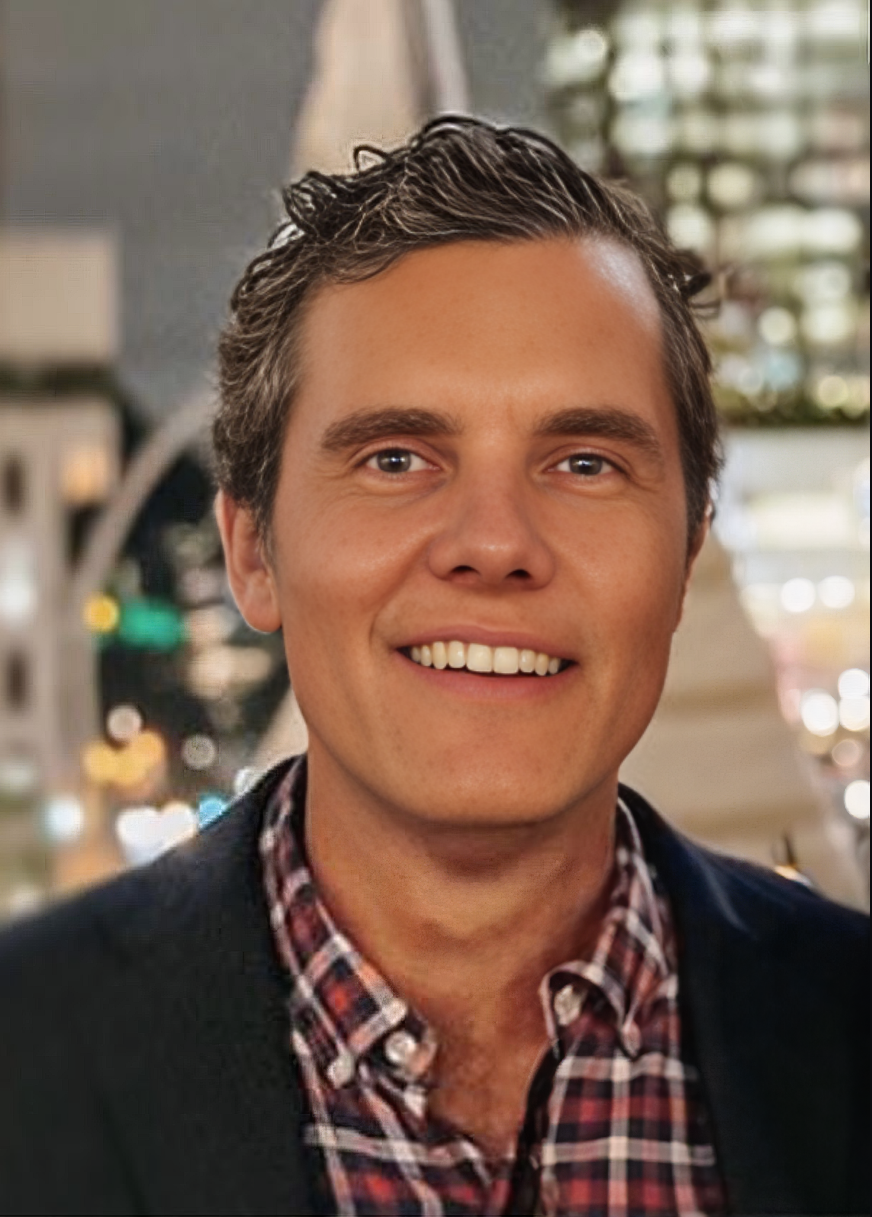
As a part of this series, we had the pleasure to interview Bob Monahan.
Bob Monahan is the CEO and Co-Founder of UPPAbaby, a luxury infant products company that was founded in 2006 with the aim of manufacturing quality and excellent designs of products that would assist modern families to embrace the role of parenthood in a stylistic manner. With over three decades of experience in the juvenile, sporting and automotive industries, Bob Monahan has a unique approach to product designing in the area of engineering, which is translated to the foundation UPPAbaby has today. Prior to joining UPPAbaby, Bob Monahan had held different executive positions in product development at companies like Safety 1st (Dorel Juvenile Group), Reebok International and Ford Motor Company. Through his commitment to quality products, UPPAbaby has emerged as a popular brand name due to industry-defining products and exemplary customer services.
Thank you so much for joining us in this interview series! Before we dive into our discussion, our readers would love to “get to know you” a bit better. Can you share with us the backstory about what brought you to your specific career path?
Thanks for having me! I’ve always enjoyed consumer products, so having both an MBA and an engineering degree eventually led me down this career path. I worked at Ford and Reebok, and when I was laid off from Reebok, I found interest and opportunity in the juvenile product industry, which is a significant industry here in New England. I was able to establish my network and eventually reached a point where I wanted to take what I learned and try it on my own. That experience ultimately led me to where I am today.
Can you share the most interesting story that happened to you since you started your career?
The most interesting story that has happened to me since I started my career was the start of UPPAbaby, and the way I approached it. I did it with minimal means and minimal investment. We relied on grassroots marketing, attended tradeshows, and started with a shipment of just 100 Vistas that we worked to sell ourselves. We didn’t have a huge budget or a big operation behind us. We simply believed in what we were building and focused on getting the product into the hands of the right people. The quote “If you build it, he will come” from Field of Dreams really captures the mindset I had when starting the company. We took a leap of faith that if we created the right product and stayed committed to it, people would respond.
What do you think makes your company stand out? Can you share a story?
UPPAbaby stands out because of how closely we stay connected to our consumers. That’s been a priority since the very beginning. With our headquarters here in the US, a dedicated Customer Experience team, and our Hub Service Center & Showrooms, we’re able to provide a level of personal care and support that I believe sets us apart. In the early days, I was customer service myself. I answered the phones and spoke one on one to customers, hearing firsthand what they loved and where we could improve. That connection has stayed with us as we’ve grown, we’ve always believed that building a great brand goes beyond building great products.
You are a successful business leader. Which three character traits do you think were most instrumental to your success? Can you please share a story or example for each?
Persistence: I’ve always believed that if I see something in a product or an idea that I think will resonate with consumers, it’s worth pursuing. If something doesn’t work right away, it doesn’t necessarily mean the idea was wrong. Sometimes you just need to adjust your approach. The Vista is a great example of this. When we started UPPAbaby, the idea of a stroller that could grow with your family wasn’t something that was widely available. We believed there was a real need for it and stayed committed to bringing that vision to life.
Adaptability: Business is constantly changing, whether it’s consumer preferences, how people shop, or the retail landscape. I was inspired by the 1998 book Who Moved My Cheese? By Spencer Johnson, which explores how to navigate change in both work and life and the importance of being open to new ways of thinking. At UPPAbaby, we work closely together as a team, we make decisions together, and we aren’t afraid to redirect or change our minds when necessary. Being willing, and able, to adapt is essential to staying relevant and continuing to grow as a company.
Curiosity: I’ve always believed in being willing to try things, even when there’s a chance they might fail. Curiosity pushes you to explore new ideas and challenge the old way of doing things. Not every idea will be successful, but there’s value in trying, learning, and continuing to grow.
Ok, thank you for that. Let’s now jump to the primary focus of our interview. What makes someone exceptional?
I would say attitude is the number one thing that makes someone exceptional. Working with someone who’s positive, hardworking, and always thinking of how to improve makes a huge difference versus working with someone who stays stagnant and who doesn’t want to be there. You can have all the experience in the world, but having the right attitude and willingness to keep learning and evolving is what sets people apart.
How do exceptional leaders leverage emotional intelligence to inspire and influence their teams?
Exceptional leaders acknowledge that they don’t need to be the one who has the best idea. It doesn’t matter who has it, or how we get there, we just have to get there and get the ball rolling. Ideas from everyone are valued when everyone has the same end goal in mind.
What role does humility play in the success of great leaders, and how is it demonstrated in their behavior?
Similar to the previous question, humility plays a huge role in the success of great leaders. They put their team first, give credit where deserved, and recognize that success is never achieved by only one person. They focus on what needs to get done, regardless of who gets the recognition.
How do exceptional leaders navigate difficult conversations and foster open communication in their organizations?
Simplicity and honesty are the best ways to navigate difficult conversations. Being direct and transparent helps ensure everyone is on the same page. Once you’re on the same page, things become much easier for all parties. Creating an environment where people feel comfortable being honest helps build trust and makes navigating any challenge easier.
What makes adaptability a superpower in leadership, and how do the best leaders exemplify it?
Adaptability is a superpower because change happens so frequently and so quickly these days, and those who adapt first are often the ones who turn change into opportunity. The best leaders stay open-minded, are willing to adjust their approach, and aren’t locked into their own preconceived plans. They understand that the path forward may look different than they originally envisioned, and they’re willing to pivot to find the best way forward.

Ok super. Here is the main question of our interview. What are your “Five Traits That Separate Good Leaders from Exceptional Ones”? If you can, please share a story or an example for each.
1. Humility
I think the best leaders recognize that there is always more to learn. Being willing to learn from the people around you, acknowledge when someone might have a better approach, and understand that success is never about one person alone. At the end of the day, it’s about what you accomplish together.
2. Adaptability
One of the biggest lessons in business is that what works today might not work tomorrow. We’ve seen the retail landscape and the way consumers shop change significantly over the years. You have to be willing to evolve alongside the consumers and the business. Exceptional leaders recognize when something needs to change and are willing to make those changes.
3. Honesty
Trust is built when people know they can count on you to tell them the truth. It’s important to set realistic expectations, be upfront when something isn’t working, and have the difficult conversations instead of ignoring them. That kind of transparency builds stronger relationships.
4. Attitude
A person’s attitude can be just as important as their experience. Skills can be developed, but finding someone who wants to be there and brings a positive energy to what they do is invaluable.
5. Curiosity
Exceptional leaders are willing to ask questions, explore new ideas, and try things that might not work the first time around. Throughout my career, I’ve been drawn to understanding how products work, finding what consumers need, and where there might be an opportunity to do something different. Curiosity keeps you from being complacent.
How do great leaders balance confidence with vulnerability to create stronger connections with their teams?
Great leaders understand that confidence doesn’t mean having all the answers. They value input from team members, especially those who have experienced challenges firsthand, because those perspectives can often lead to better solutions. Being willing to acknowledge what you might not know and learn from others builds trust and creates a stronger team.
What strategies do exceptional leaders use to consistently recognize and nurture talent within their organizations?
Exceptional leaders recognize talent by giving people ownership of their decisions and the outcomes. When you trust people to take ownership of their work, you give them the opportunity to grow, build confidence, and learn from their challenges and successes. It’s also important to celebrate successes as much as possible and recognize the contributions people made along the way.
You are a person of great influence. If you could start a movement that would bring the most amount of good to the most amount of people, what would that be? You never know what your idea can trigger. :-)
I would start a movement focused on bringing people back towards the middle and finding common ground. I think the United States would benefit from a third political party that is more central and less polarizing. We may not always agree on everything, but I believe there is a lot more common ground than we give ourselves credit for.
How can our readers further follow your work online?
You can follow along at uppababy.com, and follow UPPAbaby on Instagram, Facebook, and LinkedIn to stay up to date on our latest products, initiatives, and company news.
Thank you for the time you spent sharing these fantastic insights. We wish you only continued success in your great work!
About The Interviewer: Cynthia Corsetti is an esteemed executive coach with over two decades in corporate leadership and 11 years in executive coaching. Author of the upcoming book, “Dark Drivers,” she guides high-performing professionals and Fortune 500 firms to recognize and manage underlying influences affecting their leadership. Beyond individual coaching, Cynthia offers a 6-month executive transition program and partners with organizations to nurture the next wave of leadership excellence.