The biggest challenge I faced was self-doubt. I know it’s referred to as imposter syndrome and I understand why it is. But it’s fear, insecurity, self-doubt. I write because it’s who I am, I’ve always done so.
As part of my interview series on the five things you need to know to become a great author, I had the pleasure of interviewing Becky Flade.
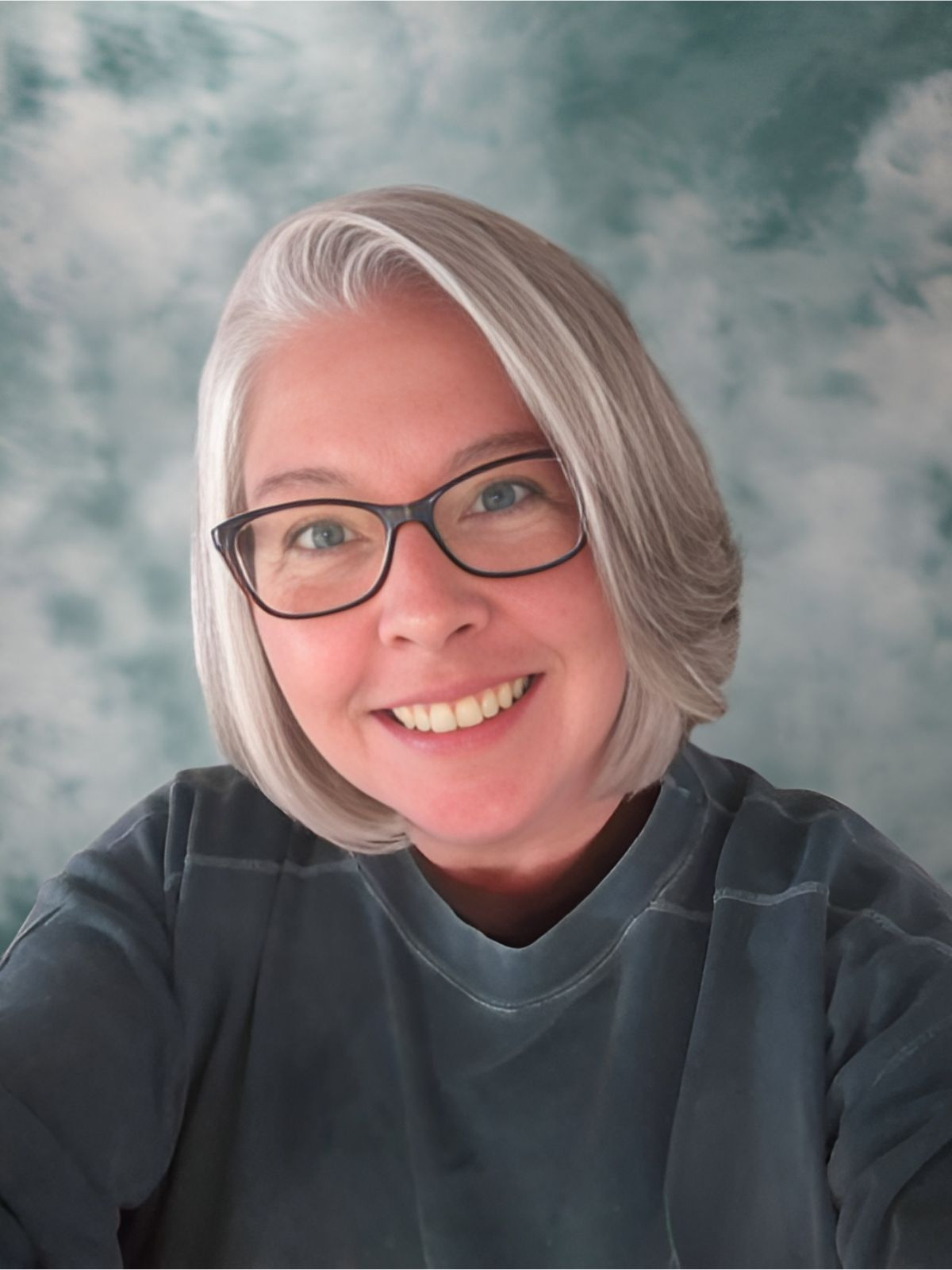
A mother and grandmother, award-winning author of the Philly Heat Series, Becky Flade wrote her first book in kindergarten. She’s been making her own dreams come true one happily ever after at a time since. A Philadelphia native, Becky relies on her twenty-five years of legal experience to create thrilling romantic suspense novels set in the City of Brotherly Love.
Thank you so much for joining us! Can you share a story about what brought you to this particular career path?
I was born this way. Of course, when I was small, I didn’t realize it was uncommon to have such a vivid and active imagination. For me it was just a constant stream of stories playing out like movies in my mind. My mom shared her love of books with me and my brothers. I don’t remember the precise moment I knew what I was meant to do with my stories but remember asking my kindergarten teacher to help me write a book. Two best friends, lost in Philly on their way to the store for milk. My mom has it, my first book, pressed between the pages of her family bible. Forty-three years later, I’m still writing suspenseful thrillers set in Philadelphia.
Can you share the most interesting story that occurred to you in the course of your career?
There are so many to choose from! It may not be the most interesting, but it is my favorite. My second Philly Heat Series won the RONE Award for best thriller/suspense. This was during the worst days of the pandemic therefore the award ceremony was streamed. I stood alone in my apartment, in the dark, with the television on, watching anxiously and recording the broadcast on my cell. There’s a terribly funny video of the moment my book was announced available on social media. There was a lot of jumping and squealing. I calmed down and called my mom: I WON! She went nuts as did my aunt who was with her at the time. Called my younger daughter at college: I WON! She nearly cried with me. Called my older daughter: I WON! She said, “Won what?”
What was the biggest challenge you faced in your journey to becoming an author? How did you overcome it? Can you share a story about that that other aspiring writers can learn from?
The biggest challenge I faced was self-doubt. I know it’s referred to as imposter syndrome and I understand why it is. But it’s fear, insecurity, self-doubt. I write because it’s who I am, I’ve always done so. But I was afraid to seek out publication, afraid I wasn’t good. A friend pushed me – hard – to try. I sent out a few queries, just to shut her up, silently suffering over the rejections. All my fears were confirmed. I went back to writing only for myself. Roughly two years later I heard from an editor at Harlequin. They wanted it. That was fourteen years ago. And I still struggle to believe in myself. Every new release is a mixed bag of joy and fear. Which is why I have an incredible team of family and friends to lean upon. They believe in me even when I don’t. And they will never let me give up on myself.
Can you share a story about the funniest mistake you made when you were first starting? Can you tell us what lesson you learned from that?
I’m a born and bred Philly-girl and we have a unique accent. In crafting the back cover description for one of my first books, I accidentally wrote: “next-store neighbor” instead of “next door” because that’s how we say it here. It was the first time I realized I had to keep an eye out for Philly slang in my text. My editor is aware, and she looks for it too. The lesson I learned? I shouldn’t type the way I talk. It isn’t professional. Although, since my books are set in Philadelphia, I can slide a little slang into the dialogue. It adds amazing realism to my characters. But when I go overboard my editor reins me in. Because not everyone who reads my books is from Philly and I write them for all to enjoy.
What are some of the most interesting or exciting projects you are working on now?
Usually, I only write one book at a time but right now I’m working on two different projects which is, for me, a trying experience. A Safe Place is the first time I’ve expanded a book to three different perspectives and I’m not sure if it works but it is necessary to the plot. The other book, The Only Witness, the heroine is a cat burglar, and the hero is the homicide detective investigating the murder he doesn’t know she witnessed. They’re very different and hopping back and forth from one world to the other is exciting but also confusing. I worry neither book is getting its best version. There is exciting news on my book-horizon I can’t tell you about yet or I’d have to kill you. But seriously, I can’t share it until my publisher gives me the all-clear to go wide with the information. I can guarantee I’ll be all over the socials and screaming from rooftops when they do. Keep your eyes and ears open.
Can you share the most interesting story that you shared in your book?
In the blizzard of ’96, the snow fall was taller than my dad’s dog, a small mutt named Champ. I had taken my toddler and the dog out into the yard and Champ, faced with an overwhelmingly whitewashed world lifted his leg next to the only non-snow-covered thing he could find - my leg. And I yelled at him, “We’re not friends anymore!” That moment is predominantly featured in my first book, Fated Souls. In fact, the memory inspired a short story which grew into a book, which then grew into a series, and launched my career.
What is the main empowering lesson you want your readers to take away after finishing your book?
As a kid, obsessed with books, romance, science fiction, women were described as either weaklings or villains. Damsels in distress or the evil queen with no in-between or combination thereof. We weren’t fully realized. In my books, women are the driving force. They are heroes in their own right. As capable of saving the day, and the hero, as they are saving themselves. But they’re not always virtuous. And just as capable of great evil.
Based on your experience, what are the “5 Things You Need to Know to Become a Great Author”? Please share a story or example for each.
1) Read. Read anything and everything in any format. Surround yourself with books, visit bookstores and libraries, make meaningful connections with the staff and volunteers at both. Let other authors inspire you. You’ll find your voice, your genre, your tribe.
2) Is a two-part answer: a) Ignore what’s popular. Trends are by definition short term. And it can take months to years to get published. By then, who knows what will be in vogue. A few years back it was dinosaur erotica. Thank goodness that passed. b) Do write for yourself. You will read your own book over and over again before it goes to print. And if you don’t write a book you’d want to read - you won’t love it. This journey is a labor of love.
3) Write what you know. I once thought this silly advice. But I was thinking too literally. A few years ago, I was having a hard time. Struggling with anxiety, panic attacks, insomnia, and so forth. I channeled those emotions into the heroine of my award-winning novel, Fall to Pieces. It was therapeutic for me. But Lexi became real, authentic, and relatable. Flawed yes, but fully realized. I wrote what I knew.
4) Imposter syndrome is real. There will come a moment when you doubt yourself. It’ll likely happen more than once. Surround yourself with positive people who believe in you. A small but loyal group of family and friends who won’t let you give up on your dream. They are how you overcome those moments. Writing is a solitary endeavor, but success is a team sport. Assemble yours early.
5) Market yourself. If, like many authors I know, including myself, you want your books to shine whilst avoiding the spotlight yourself. Unless you’re a super-star like Stephen King or Nora Roberts, you have zero name recognition. Before people can discover your books, they need to know you’re out there, writing, publishing. Social media is a tool. Use it. Connect with readers, talk about yourself, ask them to share, make them feel like they’re a part of your world and your passions.
The rest will follow.
What is the one habit you believe contributed the most to you becoming a great writer? (i.e. perseverance, discipline, play, craft study). Can you share a story or example?
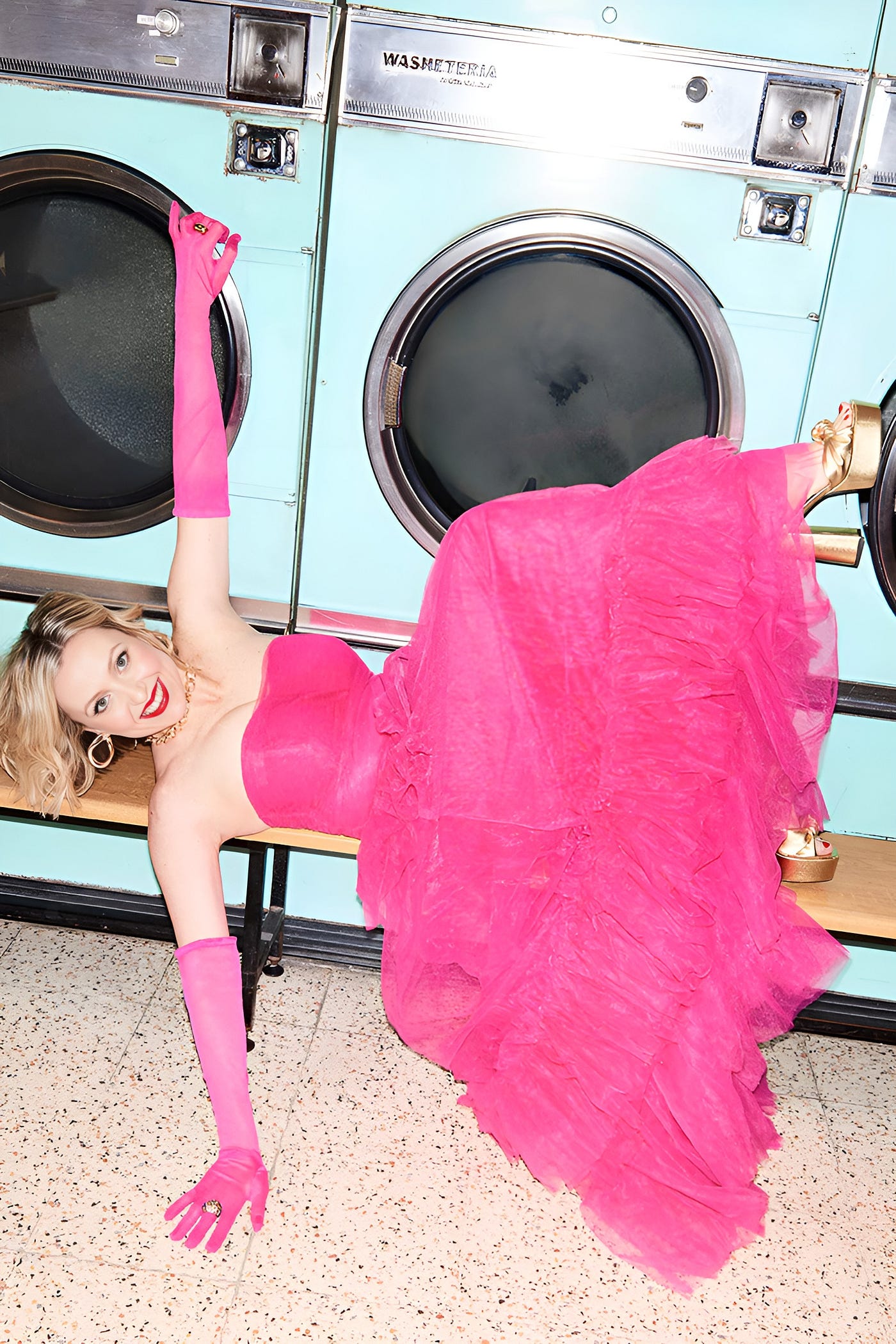
Courage. It’s a scary thing, putting such a big piece of yourself out there into the world for other people to read and to judge. Rejection and bad reviews can be emotionally crippling, but you keep going. I am a mess with every new release. Just a huge bundle of nervous insecurity. And I keep doing it. It isn’t bravery if you aren’t afraid. I’m terrified of heights but while on my honeymoon I took a running jump off a cliff in Jamaica. It wasn’t elegant (as the included photo demonstrates) but I did it. I think of that when I insecurity interferes with my journey. It doesn’t have to be elegant; I just need to do it.
Which literature do you draw inspiration from? Why?
I have an eclectic book collection, only shying away from westerns and non-fiction, but my favorites are the genre I write in – suspense. Agatha Christie, Mary Higgins Clark, Sidney Sheldon, Nora Roberts Patricia Cornwell, Tami Hoag, and, more recently, Melinda Leigh, have inspired and continue to inspire me. Their books make me strive to be a better writer.
You are a person of enormous influence. If you could start a movement that would bring the most amount of good to the most amount of people, what would that be? You never know what your idea can trigger. :-)
I said this in a different interview and I’m going to repeat it because I truly believe in it. Global Literacy. If you can read, you can do anything. Non-fiction educates the world. Fiction teaches us how to think and how to empathize. Both are essential and the very idea that in this day and age there are girls who are prevented from learning to read boggles the mind.
How can our readers follow you on social media?
I’m most active on Facebook with an Author Page and a Personal Profile where I talk about life, books, my coffee-addiction, and family. I also have profiles on Instagram, Twitter, Threads, and TikTok where I post far less often. My publisher’s website has a page dedicated to me and the books they’ve published. I have an author page on Amazon, BookBub, and Goodreads where all my books can be found and if you follow me at those locations, you’ll get alerts about new releases and sales with none of the personal stuff. Also, I have a quarterly newsletter.
Thank you so much for this. This was very inspiring!
Thank you! I had a great time.