Being represented in the media makes you feel seen. It tells you that there’s someone out there saying, ‘It’s okay to be who you are. You’re part of this world too.’ I think that feeling of needing to be seen is also at the heart of my short film ‘The Catcher’.
Pop Culture
Luka Galle of LUKASCOPE: The Creative Paradox That Turns Personal Vulnerability Into Global Cinematic Success
The award-winning director and founder of LUKASCOPE discusses his journey from home-video enthusiast to international filmmaker, and why authentic representation remains the most powerful tool for connecting with global audiences.
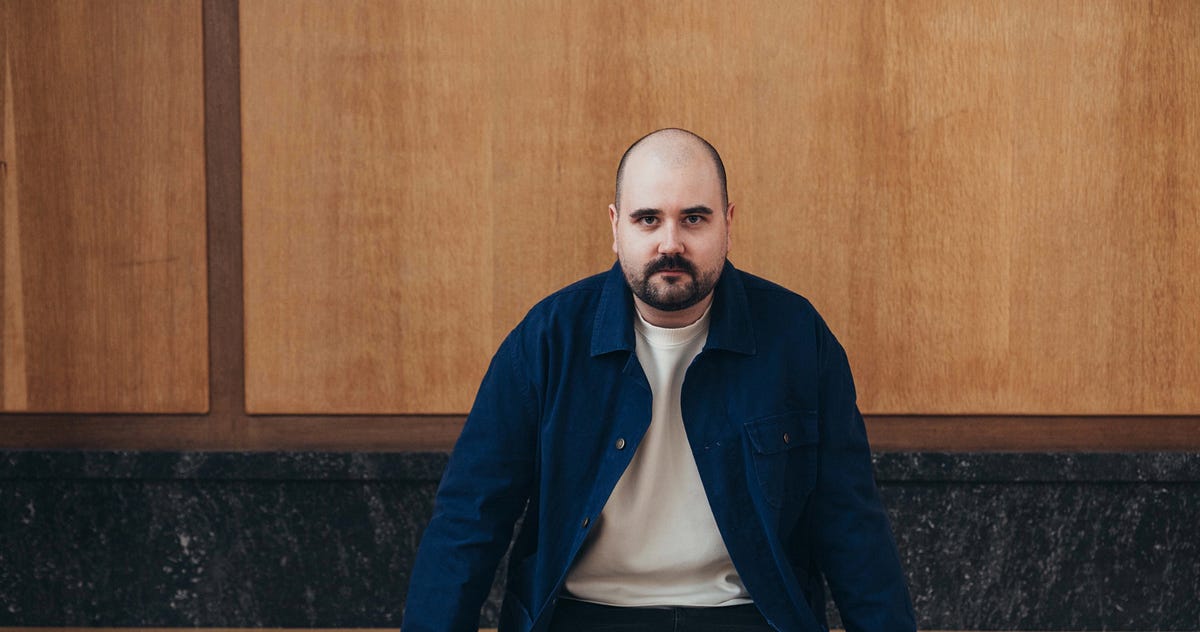
As a part of our series about pop culture’s rising stars, we had the pleasure to interview Luka Galle.
Director and cinematographer Luka Galle studied audiovisual arts at the Academy of Fine Arts in Bruges before initially moving away from filmmaking. During the pandemic, his passion for cinema returned and he founded production company LUKASCOPE. Since 2020, he has directed and shot more than 25 music videos while working as a cinematographer, editor and director on commercial productions. ‘The Catcher’, which Galle wrote, produced and directed, marks his first major step into narrative fiction. The film’s international festival run has already resulted in 11 awards from 23 festival appearances, including the Golden Hypatia Award for Best International Fiction Film at the Alexandria International Short Film Festival in Egypt, which secured its Academy Award qualification.
Thank you so much for joining us in this interview series! Can you tell us the story of how you grew up?
I grew up in a small town between Bruges and Ghent in Belgium. My dad was always filming our family with his camera, and I became fascinated by it from an early age. I would take the camera myself and start making my own little “films,” experimenting with stories, images, and whatever I could capture around me.
Looking back, those home videos were probably my first introduction to filmmaking. Before I really understood what filmmaking was, I was already drawn to the idea of using a camera to create my own world and tell stories. At that age, filmmaking wasn’t something I saw as a career, it was simply something I was naturally drawn to, something I did because I found it exciting.
Can you share a story with us about what brought you to this specific career path?
In high school, I went to Bruges to study analog photography and film. I wasn’t particularly interested in school in general, I actually hated it. So I wasn’t really aware that filmmaking was going to be part of the program as well. I thought I was signing up for a photography course, but I was surprised to discover that I was also going to learn how to read films, how to make them, how to shoot them, and how to edit them. Those years were when I learned the basics of filmmaking, and that’s really where my passion for film began.
Can you tell us the most interesting story that happened to you since you began your career?
After high school, I went on to study film at university, but I never really felt at home there, so I eventually quit. I also wasn’t in a very good state of mind at the time, so I started working as a graphic designer instead. After a few years, I felt I was done with that. Then, somehow, I stumbled across some old home videos my dad had filmed of me when I was younger. I started editing them together, and six months later I had made a full documentary about myself, my family, and what I was going through at the time.
I still had to come out to my family, and I decided to put that moment at the very end of the film. I gathered everyone together for a little “premiere” and simply showed it to them. It was probably one of the most nerve-racking moments of my life, but thankfully, their response was wonderful. That project made me realize that I wanted to go back to filmmaking. I had so much fun making that film, this little film that, ultimately, no one else in the world will ever see. I’ve locked it away somewhere very deep on an old hard drive. But it brought me back to filmmaking nonetheless.
It has been said that mistakes can be our greatest teachers. Can you share a story about the funniest mistake you made when you were first starting? Can you tell us what lesson you learned from that?
I think that, as a filmmaker, you make mistakes along the way. With every project you take on, you run into problems that teach you something and hopefully help you make the next project better. You learn from them, try to avoid making the same mistakes again, and I think it’s the same in life.
But a funny mistake? Maybe a small one: When I first started working on a big set, I was talking to the DP about the camera. I confidently assumed it was a RED, when in fact it was an ARRI. The look on his face was basically, “What on earth is this guy doing here?”
What are some of the most interesting or exciting projects you are working on now?
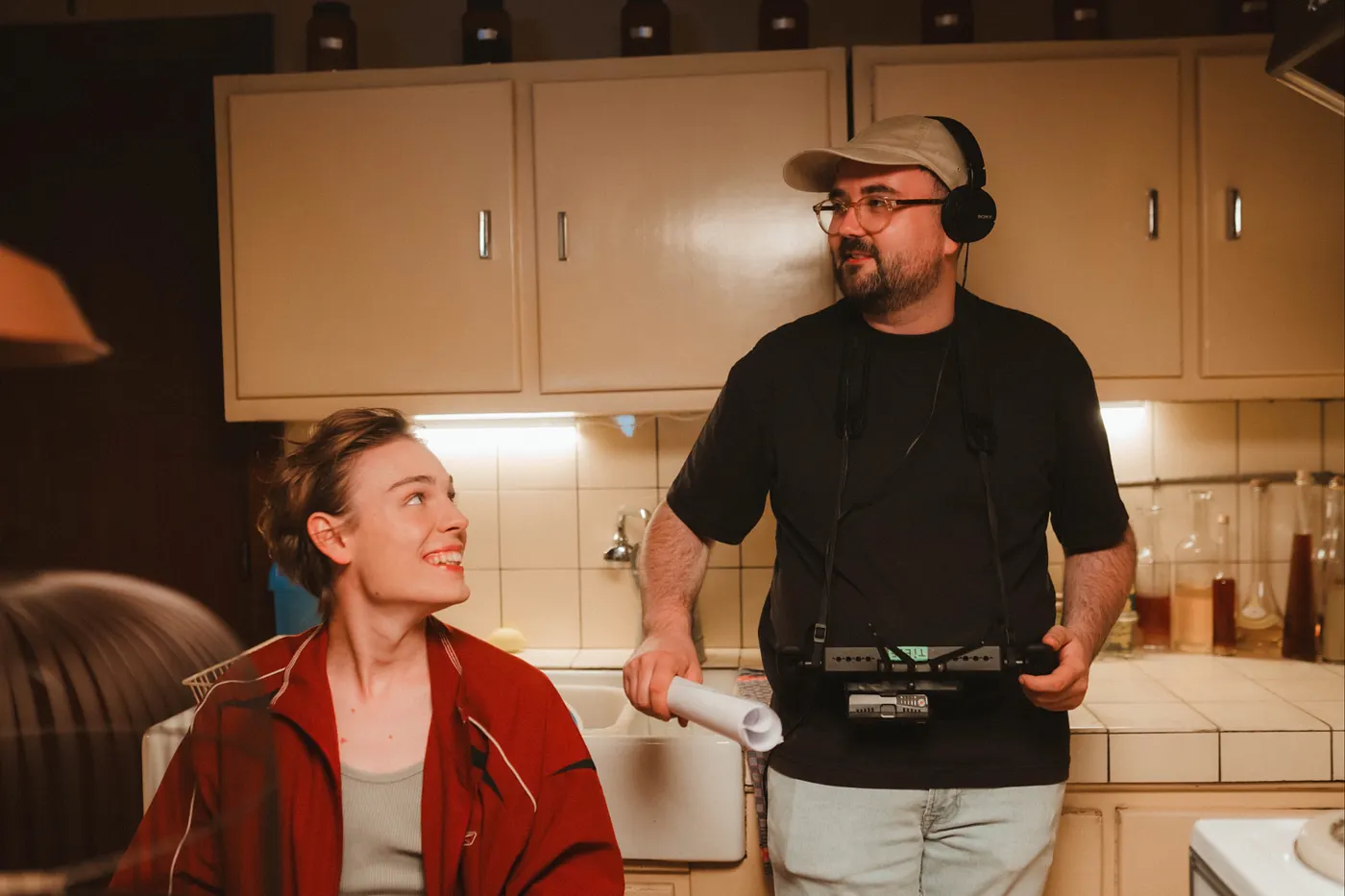
Last year, after working as a freelancer in music videos and commercials, I directed, wrote, and produced my debut short film, ‘The Catcher’. It’s about a lonely young man who works for the government as a catcher of invisible birds. In 2026, we started travelling around the world with the film, taking it to festivals, and we even made it onto the longlist for the Academy Awards. I never imagined the film would have this kind of success. I originally just made it together with my DP, Gilles, because we wanted to create something fun. It was a passion project. So I’m incredibly grateful that it has been received so warmly. Seeing this little film we made together travel around the world has been pretty amazing. I’ve also written a feature-length version of the story, which I plan to bring to life one day.
As a rising star, you’ve likely faced challenges along the way. How do you stay motivated and overcome obstacles in your career?
‘The Catcher’ was made over the course of nine months, which is relatively quick for a short film, but it was a tough ride. I was both the director and the producer, and taking on both roles was quite daunting, especially as the production grew much bigger than I had initially imagined. But filmmaking is my passion, and honestly, I don’t know what else I would want to do with my life.
So right now, I feel like there’s no other option than to keep pushing and try to make this work. Life as a filmmaker can be incredibly uncertain and filled with doubt, but I keep telling myself that going through all of that will pay off in the end. The success of ‘The Catcher’ has only strengthened that belief. It’s given me more confidence that maybe this way of thinking, just continuing to push forward, even when you’re unsure where it’s all going, can eventually get me where I want to be.
We are very interested in diversity in the entertainment industry. Can you share three reasons with our readers about why you think it’s important to have diversity represented in film and television? How can that potentially affect our culture?
Being a gay man, I feel it’s really important to have representation in the media, in whatever form that takes. When I was younger, I didn’t really have any role models in films, books, or television. When Netflix started booming around 2014, suddenly all these LGBTQ+ stories were being created, and I was finally able to watch things I actually wanted and needed to see when I was sixteen.
Being represented in the media makes you feel seen. It tells you that there’s someone out there saying, “It’s okay to be who you are. You’re part of this world too.” I think that feeling of needing to be seen is also at the heart of my short film ‘The Catcher’. It’s about our urge to connect with others, and ultimately to feel like our lives have meaning.
What are your “5 things I wish someone told me when I first started” and why? Please share a story or example for each.
1. Imposter syndrome is real, and I think everyone struggles with it at some point. Keep that in mind. You’ll always look at someone else’s work and think it’s better than yours. I think that’s a very natural thing to do, but don’t let it determine how you feel about yourself or your own work. There will always be someone who seems further ahead, more talented, or more successful. That doesn’t mean what you’re doing isn’t valuable. Try to focus on your own journey and keep making things.
2. Not everything you make is going to be successful, and that’s okay. Try to see each project as a learning experience. You’ll always learn something new, discover something about yourself, or meet new people who might become important later in your career. You never know where a project or a connection might lead.
3. Charge enough for your work. I used to struggle with this because I often felt like I wasn’t good enough, so I would work for lower rates because I didn’t think I was worth paying more for. I’ve learned that’s simply not true. You should value your own work and charge accordingly. And I’ve also realized that asking for the right price can actually give clients more confidence in you. It shows that you know what you’re doing, that you value your craft, and that you take your work seriously.
4. Take your time. Don’t rush things, it took me 6 years since I went back to filmmaking before my first fiction short was released. Everything will come at the right pace.
5. Don’t invest in too expensive cameras, they change so much every year. Better to invest in lighting gear and lenses. You can also rent these out when you don’t use them.
Which tips would you recommend to your colleagues in your industry to help them to thrive and not “burn out”?
I actually have to remind myself not to worry so much all the time. My lead actor in ‘The Catcher’, Emil Leysen, told me that every problem is temporary. Next week, you probably won’t be worrying about the things that are weighing you down today. I try to remind myself of that whenever things get tough. It helps me put things into perspective and keep going.
You are a person of enormous influence. If you could inspire a movement that would bring the most amount of good to the most amount of people, what would that be? You never know what your idea can trigger. :-)
I hope I can bring some comfort with my work to people who feel a little lost or out of place. I want my films to tell them, “I see you. You matter too.” I know that probably sounds very cheesy, but sometimes a film moves me so deeply that I feel seen by it. And I think that’s one of the most powerful things a film can do. If I can make someone else feel that way with my work, then that would mean a lot to me.
None of us are able to achieve success without some help along the way. Is there a particular person who you are grateful towards who helped get you to where you are? Can you share a story about that?
Yeah, Gilles Mosar, my DP, who joined me on this crazy ride of producing ‘The Catcher’. was a vital part of making the film happen. Without his support, his network, and everything he brought to the project, the film probably wouldn’t have been made at all. It’s a film that exists because of the both of us, not just me. You simply can’t make a film alone, and I’m incredibly grateful that Gilles was such a humble and supportive person to work with. He joined forces with me because he believed in the story, and together we were able to bring ‘The Catcher’ to life.
We didn’t know each other that well before we started. We had only worked together a few times on other sets, but somewhere along the way of making this film, we became really good friends. I think that’s one of the most beautiful things that came out of the whole experience, not only did we make a film together, we built a friendship along the way.
Can you please give us your favorite “Life Lesson Quote”? Can you share how that was relevant to you in your life?
I don’t really have a quote, but if there’s one thing I’ve learned, it’s: don’t sit at home and wait for things to happen. Get yourself out there and make things happen.
When I decided to go back to filmmaking, I worked on a lot of projects for free, simply so I could build a portfolio and have something to show potential clients what I was capable of. It wasn’t always easy, but those projects opened doors. If I hadn’t put myself out there and just started making things, I probably wouldn’t be where I am now.
Is there a person in the world, or in the US whom you would love to have a private breakfast or lunch with, and why? He or she might just see this, especially if we tag them. :-)
If you could tag Xavier Dolan, Sam Mendes, or Christopher Nolan, that would be absolutely splendid! I love their work, and they’ve inspired me so much over the years. While they’re eating lunch, I can just sit there and gush about how much I admire them.
How can our readers follow you online?
Best way to follow all of my endeavours are on instagram @lukascope.film or @thecather.film for everything related to the short film.
Thank you for these fantastic insights. We wish you only continued success in your work!
About The Interviewer: Tavares Beverly ( www.tavaresbeverly.com ) is the Founder and CEO of Beverly Boy Productions, a national video production company that has helped organizations tell their stories through video for more than two decades. Over the course of his career, he has worked with everyone from Fortune 500 executives and healthcare professionals to politicians, nonprofit leaders, educators, and artists, gaining a unique perspective on the role communication plays in leadership, business, and human connection. A frequent contributor on topics including communication, entrepreneurship, leadership, and personal development, Tavares believes that the ability to communicate effectively is one of the most valuable skills a person can develop. His work is driven by a passion for helping organizations connect with their audiences and helping individuals unlock their potential through mentorship, perseverance, and meaningful relationships. To learn more, connect with Tavares on LinkedIn or visit www.BeverlyBoy.com . If you’re interested in using the power of storytelling and communication to grow your organization, strengthen your brand, or inspire your audience, he welcomes the opportunity to connect.
TB
Written by
Tavares Beverly
Executive Contributor · Authority MagazineTavares Beverly is an executive interviewer and contributor covering leadership, culture, and business for Authority Magazine.

Published inAuthority MagazineTop Lessons, Top Authorities · 42K Followers
Exclusive, curated interviews with the leaders and changemakers shaping tomorrow. Leadership lessons, industry deep dives, and executive profiles.
More from Authority Magazine
See all stories →
A
Authority Magazine Editorial StaffJasmine Badie: Professional Success Requires Mastering The Discipline Of Being Unneeded
Pop Culture25 min read
Y
Yitzi WeinerGavin Goudey: Internal Vulnerability Is the Primary Engine of Authentic Performance
Pop Culture22 min read
Y
Yitzi WeinerNate Bynum: The Paradox of Authenticity That Unlocks Peak Performance
Pop Culture20 min read
Y
Yitzi WeinerSam Drysdale: Inside the DIY Architecture of Independent Music Sustainability
Pop Culture16 min read