The way we see and experience life is often influenced by things that have happened to us in the past.
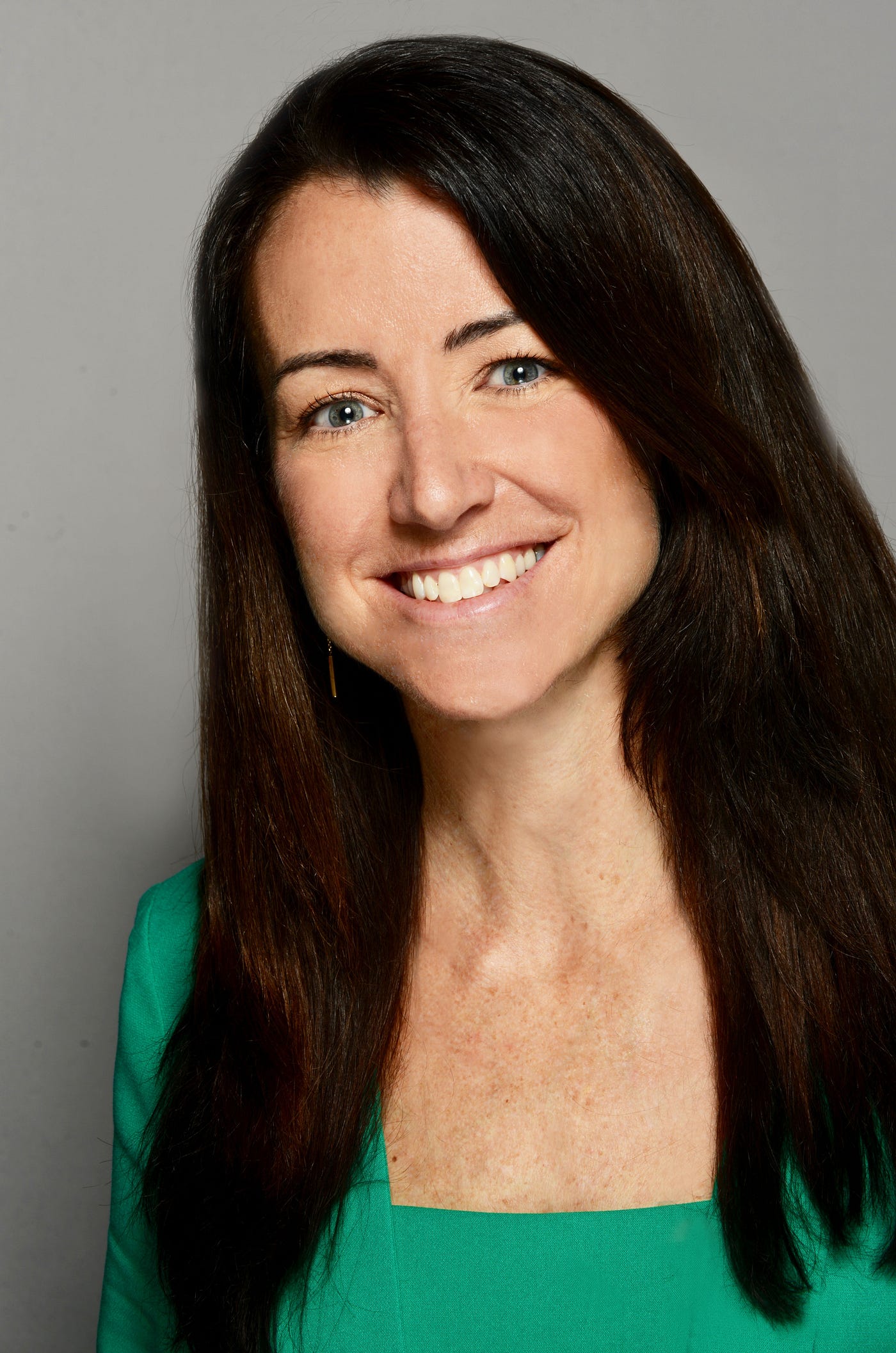
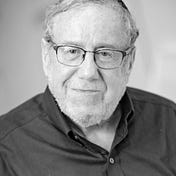
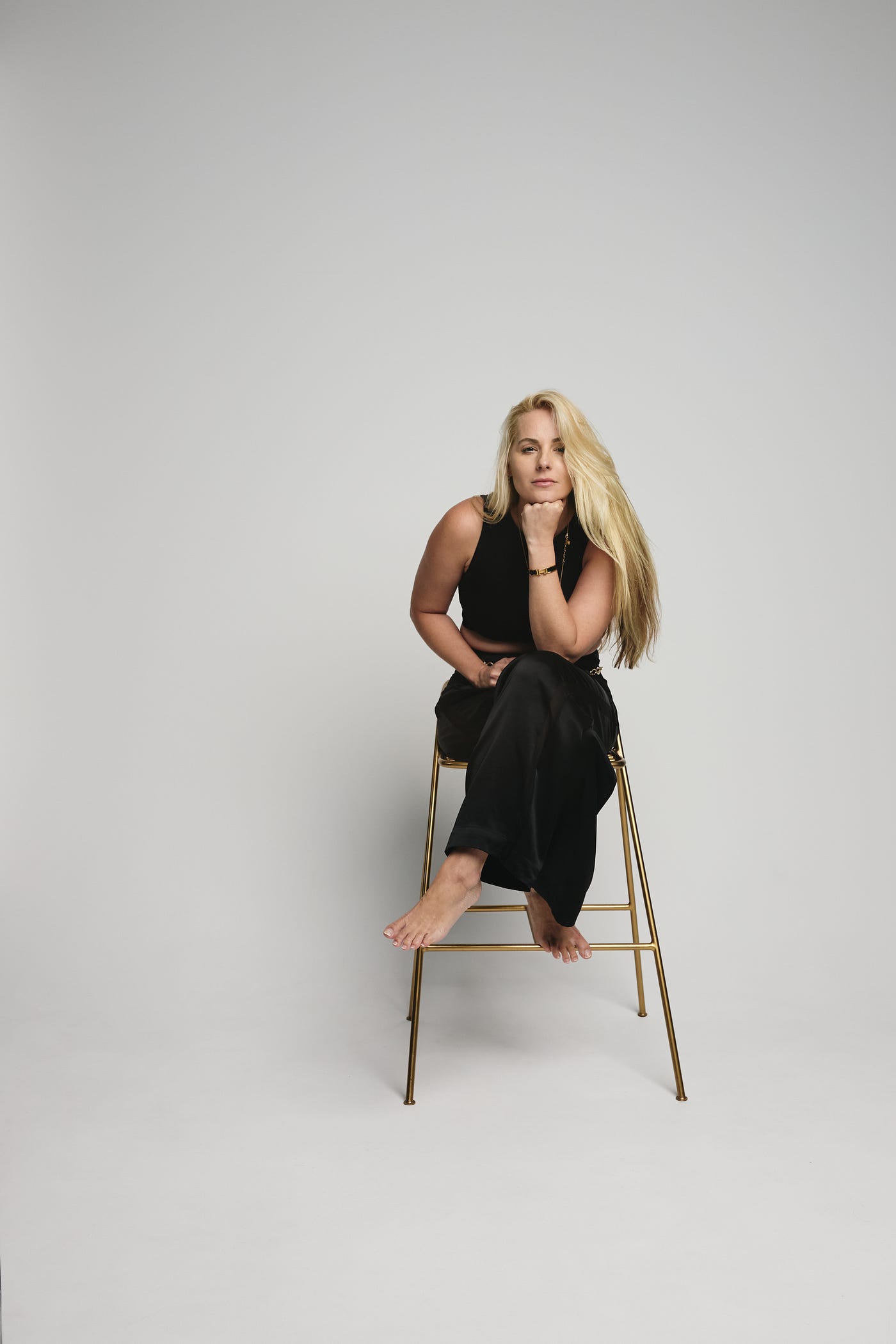
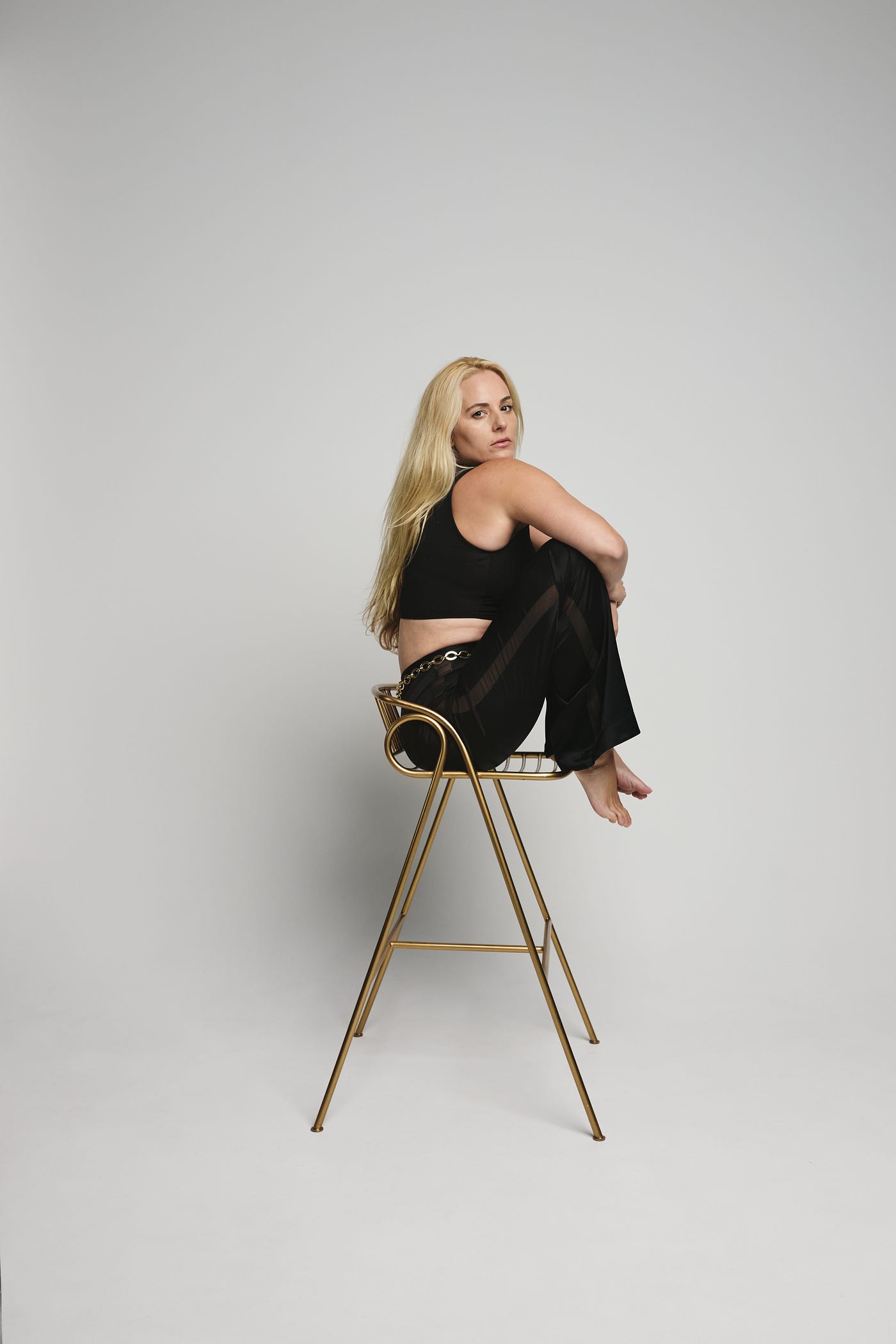
As a part of our series about “How We Can Cultivate Our Mental, Physical, Emotional, & Spiritual Wellbeing”, we had the pleasure of interviewing Barbra May.
Barbra May sees the world differently — quite literally. A holistic therapist, author and founder of a private clinic in London, UK, Barbra brings a distinctive perspective to human behaviour, wellbeing and what it means to live authentically. Drawing on Eastern and Western practices, she helps people recognise patterns, understand themselves more deeply and reconnect with who they really are. A lifelong synaesthete, Barbra experiences music through taste and sees numbers and days of the week in colour. She only discovered at 34 that this extraordinary way of experiencing the world had a name. Before entering the world of therapy, she worked in BBC television production and as an assistant director at Pinewood Studios, before building her own successful practice from scratch. Today, she works with business leaders, lawyers and athletes, helping them explore the patterns and beliefs that shape how they see themselves and experience life. Her book, Inauthenticity Will Kill You: You May Be Alive But Still Not Living, published in March 2027, explores how we can lose touch with who we really are, often without realising it, and what it takes to find our way back. Discover more at www.barbramay.com.
Thank you so much for joining us in this interview series! Before we dive into the main focus of our interview, our readers would love to “get to know you” a bit better. Can you tell us a bit about your childhood backstory?
From as far back as I can remember, I experienced the world differently. I was born with multiple forms of synaesthesia, which I later discovered I had inherited from my father, who interestingly is a very well-known artist. Sound has colour and taste, emotions have shapes or images, and numbers have letters as well as colours of their own. As a child, I had no idea there was a name for any of this. I didn’t quite belong. The world felt lonely.
Perhaps because I wanted to be understood that led me to become fascinated by human behaviour. I spent much of my childhood observing people. Trying to decode what lay beneath the surface: what they felt, what they weren’t saying, and why they behaved as they did. I wanted to understand why people were hurting and how I could help. I could predict a possible outcome before anyone else could. This wasn’t a psychic power, it was simple pattern recognition. I couldn’t understand why others couldn’t see what was so obvious to me. Looking back, I can see that the foundations of my life’s work were already there. I was always searching for patterns, trying to understand people and make sense of a world I experienced in my own way.
What or who inspired you to pursue your career? We’d love to hear the story.
My parents were the most important people in my life. They somehow knew me and fully understood me, I had freedom of expression, I was seen, heard, loved and accepted and protected. My parents always did their best to understand me. Their unique observation of the world was a huge inspiration. They were very strict on education, values and respect for others.
None of us can achieve success without some help along the way. Was there a particular person who you feel gave you the most help or encouragement to be who you are today? Can you share a story about that?
I see this question a little differently. I think there is a big difference between help and support. Help can show you what to do, but support gives you the space to discover who you are and become that person. I don’t think I was being helped by anyone but I can say that I was supported by many! For me, that support has come from my parents, my husband and my children, in many different and independent ways. My parents provided me with the foundations I needed in life. My children, my biggest teachers, taught me as much about myself as I could ever teach them. My husband has supported me in being who I am, allowing me the space to grow, explore and follow my own path with full acceptance, unconditional love with no shame and most importantly zero judgment. I don’t believe we become who we are simply because someone helps us along the way. I think the people who make the biggest difference are those who allow and support us to discover ourselves, even when that means changing, questioning things or going in a direction they might not have expected. And for that I feel very grateful.
Can you share the funniest or most interesting mistake that occurred to you in the course of your career? What lesson or take away did you learn from that?
I can’t think of a major mistake and I am not saying that there weren’t any, because they were. But there is one moment I can mention. At the beginning of my career, I was invited to host a motivational talk for a very small law firm in London. When I was introduced, the person read out a bio describing achievements, experience and education I didn’t have. I remember thinking, that’s quite a person they’re describing, but it’s definitely not me! Everyone was clapping and seemed so excited about my talk! I felt like I was in a comedy film and didn’t know how to react without upsetting the audience or the client who had hired me. When I think about that day now, the biggest realisation for me is: Never feel you have to live up to someone else’s description of you. My own bio had hardly anything in it at the time, I didn’t have a degree in psychology nor did I talk on international stages but I stood there in a room full of people being myself doing what I love and delivered the talk. Nobody would have known any different! My talk was well received, so I left happy and proud with who I was and what I had genuinely achieved. And of course I addressed the misunderstanding at the end of the talk.
Is there a particular book that made a significant impact on you? Can you share a story or explain why it resonated with you so much?
There are many books that have really interested me, but one that particularly stands out is Metaphysical Anatomy by Evette Rose. What fascinated me was the way it explores the connection between our emotions and our physical wellbeing, particularly how unprocessed emotions and experiences can continue to affect us. I was interested in the patterns and the specific connections explored in the book. I am also inspired by books such as The Body Keeps the Score by Bessel van der Kolk and The Book of Living and Dying by Sogyal Rinpoche. Most of the books I read are connected in some way to human behaviour, understanding and decoding. I’m always looking for a deeper understanding of why we think, feel and behave the way we do as well as I enjoy other people’s perspectives and observations.
Can you share your favorite “Life Lesson Quote”? Why does that resonate with you so much?
“Your perception will always create your reality.” For me, this is one of the most important lessons in life. I call it the knowledge of life because the way we look at things really does change how we experience them. It proves to us that we are always in charge and that creates a sense of safety that we as humans need deeply. It gives us a sense of control. There are so many different ways to look at a situation, and once we become aware of that, we have the power to change our perspective. Even when we cannot control what happens to us, we can choose how we look at it. I find that incredibly powerful. I also think it can be playful. We can look for the positives, find opportunities in difficult situations and use them to learn and grow. To me, this is the alchemy of life. It’s about realising that sometimes, by changing the way we see something, we can change what it means to us and how we experience it. It is beautiful.
What are some of the most interesting or exciting projects you are working on now? How do you think that might help people?
One of the projects I’m most excited about at the moment is my book, Inauthenticity Will Kill You, with the subtitle You Can Be Alive and Still Not Be Living. I consider myself fortunate because things in my life have aligned in a way I can’t quite explain. I can tell you how it happened, but I can’t explain exactly why. Somehow, everything has led me to writing this book. Throughout my life, I’ve always been interested in observing people without judgement and understanding their lives, their struggles, their reactions and their successes. Over time, I began to notice patterns appearing again and again. I started to see how people were losing touch with their authenticity, often without even realising it, and how this was showing up in their lives. Their beliefs about who they were and what they were capable of were often shaped by self-doubt, past experiences and the pressure to fit in. Sometimes these influences came from other people, sometimes from their environment. Gradually, people could find themselves living further and further away from who they really were. There is so much potential in the world, so much talent that never gets the chance to be expressed because people have lost touch with who they really are. I find that incredibly sad. My work has always been about helping people reconnect with their authenticity, and my heart genuinely sings when someone shares their story with me and begins to see things differently. This book is an extension of that work. Through the stories of the people I’ve written about, I hope readers will recognise something of themselves, understand themselves more deeply and recognise what they are truly capable of. Because when we start living authentically, we don’t just change our own lives. We also change how we relate to others, what we bring into the world and what we allow others to become. Imagine asking yourself one simple question: Who am I? And then, one day, being able to answer it honestly. Not with who you think you should be or who others expect you to be, but with who you really are. For me, that is where the true magic and transformation begins.
In this interview series we’d like to discuss cultivating wellness habits in four areas of our lives: Mental wellness, Physical wellness, Emotional wellness, & Spiritual wellness. Let’s dive deeper into these together. Based on your research or experience, can you share with our readers three good habits that can lead to optimum mental wellness? Please share a story or example for each.
1. Become aware of your thoughts and the patterns behind them.
The way we see and experience life is often influenced by things that have happened to us in the past. We can develop patterns of thinking and behaving without even realising it. Sometimes we react to a situation based on a previous experience rather than what is actually happening in front of us. This can affect our decisions and our relationships. Our perception shapes our reality, and our perception is influenced by our past experiences. I would ask people to become more aware of their thoughts and ask: Where is this coming from? Am I reacting to what’s happening now, or to something that happened to me before? Once people recognise these patterns, they often look at situations differently. They may not be able to change what’s happening, but they can change how they respond to it.
2. Make time to be still and listen to yourself.
We spend so much time thinking, doing things and responding to other people that we don’t always give ourselves time to stop and notice what’s going on inside! I encourage people to take a little time each day to notice what they’re thinking and feeling, and what’s happening in their body. There’s no need to judge it or try to change it. Just become aware of it. I’ve found that when we give ourselves that space, we can sometimes see things more clearly and find answers or solutions that we hadn’t considered before.
3. Make choices that are aligned with who you really are and I promise you that you will be rewarded.
I think one of the biggest things that affects our mental wellbeing is living a life that doesn’t feel like our own. We often adapt to other people’s expectations, try to keep everyone happy and lose sight of what we actually want. I worked with someone who seemed to have everything in place, but felt completely depleted and disconnected. He had spent so much of his life looking after others that he had stopped paying attention to himself. Once he began to recognise this, he was able to start making different choices. For me, it’s about recognising when we’re making decisions because we feel we should, rather than because they are right for us. We need to understand what matters to us and be honest with ourselves about how we want to live.
Do you have a specific type of meditation practice or Yoga practice that you have found helpful? We’d love to hear about it.
I particularly enjoy Yin yoga and recommend it to my clients. I like practices that help us become more aware of our bodies and what’s going on within us. Meditation doesn’t have to be complicated. It can simply be sitting quietly, paying attention to your breathing and noticing what’s happening in your body. I find Yin yoga helpful because it gives us time to slow down and become more aware of physical sensations and emotions we may not have paid attention to. It can also help with nervous system regulation. For me, it’s not about following a particular routine or meditating for a certain amount of time. It’s about making time to stop, notice what’s going on and become more aware of ourselves.
Can you share three good habits that can lead to optimum physical wellness? Please share a story or example for each.
The first habit is to become more aware of your body. Notice when you are tired, where you may have a tension or tightness, where you are holding your breath or something that feels odd. These things are information. Your body is always trying to talk to you. Place a hand on their chest and another on their stomach, breathe naturally and notice what is happening inside them. It sounds simple, but many people have spent years overriding those signals. The second is to make movement part of everyday life. Our bodies are designed to move, and movement is not just about fitness or appearance. It is also about expression and feeling alive. I have seen people who have spent years suppressing their needs and putting everyone else first. Sometimes they have also stopped doing the things that once pleased them. The third is to give the body proper time to recover. We have become very good at functioning, even when we are exhausted. But functioning is not the same as being well. I remember working with a woman who was experiencing profound exhaustion. As we explored what she was carrying emotionally, she recognised grief that she had thought she had already dealt with. When she finally allowed herself to feel it, something shifted. She described feeling lighter. It reminded me how important it is to pay attention to the whole person, rather than simply pushing through tiredness. I don’t see physical wellness as chasing perfection. I see it as building a relationship with your body and soul, respecting it and learning to listen before it has to shout. And learning to co-exist with love and acceptance. We have been living in those bodies for so long and we still don’t know them. Not knowing could also mean a disconnection.
Do you have any particular thoughts about healthy eating? We all know that it’s important to eat more vegetables, eat less sugar, etc. But while we know it intellectually, it’s often difficult to put it into practice and make it a part of our daily habits. In your opinion what are the main blockages that prevent us from taking the information that we all know, and integrating it into our lives?
I think most people already know, intellectually, what a healthy diet looks like. The difficulty is that knowing something and actually living it are two very different things. I believe one of the biggest problems is that we often try to change our behaviour without understanding what is driving it in the first place! We focus on the food, the sugar or the habit itself, but we don’t always look at what is really happening. There is time when you need meat, sugar, vegetables, etc. For some people, eating can become a way of managing emotions. It might provide comfort, distraction or a moment of relief. For others, it can be about control, self-image or the way they have learned to treat themselves. If we don’t understand the pattern, we can keep trying to change the behaviour without ever addressing what is driving it. It could be very exhausting. I know from my own work how powerful these underlying patterns can be. People can become so accustomed to overriding their own needs that they no longer recognise what they actually need. They may know what would be good for them, but struggle to put themselves first. I think the answer is to move away from judgement and towards understanding. Rather than asking, ‘Why can’t I stick to this?’, perhaps we should ask, ‘What is happening in me that makes this difficult?’ Healthy eating should not become another way of punishing ourselves or trying to meet an ideal. It should be part of caring for ourselves. And when we begin to understand ourselves better, making choices that support our wellbeing can become much more natural.
Can you share three good habits that can lead to optimum emotional wellness? Please share a story or example for each.
I think one of the most important habits we can develop is learning to listen to our bodies. We spend so much time listening to our minds, our responsibilities and the expectations of other people that we often stop noticing what our bodies are telling us. The first habit is to become more aware of your body. Notice when you are tired, when you are tense, when you are holding your breath or when something simply doesn’t feel right. These things are information. Pause, place a hand on their chest and another on their stomach, breathe naturally and notice what is happening inside them. It sounds simple, but many people have spent years overriding those signals. The second is to make movement part of everyday life. Movement is not just about fitness or appearance. It is also about expression and feeling alive. In my work, I have seen people who have spent years suppressing their needs and putting everyone else first. Sometimes they have also stopped doing the things that once brought them pleasure. I believe we need to give ourselves permission to move, to enjoy our bodies and to make space for activities that genuinely make us feel good. The third is to give the body proper time to rest and recover. We have become very good at functioning, even when we are exhausted. But functioning is not the same as being well. I remember working with a woman who was experiencing profound exhaustion. As we explored what she was carrying emotionally, she recognised grief that she had thought she had already dealt with. When she finally allowed herself to feel it, something shifted. She described feeling lighter. It reminded me how important it is to pay attention to the whole person, rather than simply pushing through tiredness. For me, physical wellness is not about chasing perfection. It is about building a relationship with your body, respecting it and learning to listen before it has to shout.
Do you have any particular thoughts about the power of smiling to improve emotional wellness? We’d love to hear it.
I think smiling can be incredibly powerful.. We often think of a smile as something that happens when we are happy, but it can also be a way of connecting with another person. And just a small tip: people who practice gratitude smile a lot more.
Finally, can you share three good habits that can lead to optimum spiritual wellness? Please share a story or example for each.
For me, spiritual wellness is about understanding that there is a difference between knowing something and actually understanding it. We live in a world where we have access to so much information. People read books, listen to podcasts and learn about all sorts of things, but how much of that knowledge do we really understand? And how much do we actually put into practice? I would suggest three habits. The first is to question what you know. Don’t just accept information because you have read it or heard it somewhere. Take the time to understand it and see how it relates to your own life. For example, many people know that their thoughts influence how they experience life, but that doesn’t necessarily mean they are aware of the thoughts behind their own decisions. There is a big difference between knowing something and recognising it in yourself. The second is to become more aware of your energy. I think this is something people don’t pay enough attention to. We often talk about what we want to attract into our lives, but how much thought do we give to the energy we are putting out? How we think, feel and behave affects the people around us and the situations we find ourselves in. If we are constantly frustrated, negative or expecting the worst, we need to look at what we are contributing to those experiences. Be strict with what you allow yourself to be exposed to. Be in charge of the algorithm. The third is to understand the idea that we attract what we are, not simply what we want. I find this particularly interesting. If we want more kindness in our lives, how kind are we being? If we want honesty from others, how honest are we with ourselves? If we want more peace, are we creating it in the way we live? I think we can spend a lot of time looking for things outside ourselves without recognising that we also need to become what we are looking for. For me, spiritual wellness isn’t about how much we know or how many spiritual practices we follow. It is about how well we understand what we know, becoming aware of the energy we bring into our lives and recognising that what we experience is often connected to what we put out. It’s one thing to know something, but quite another to understand it well enough to live it.
Do you have any particular thoughts about how being “in nature” can help us to cultivate spiritual wellness?
Nature can help us reconnect with ourselves, quiet our minds and become more aware of what’s around us. It takes us away from the distractions, slows us down and helps us be present. Nature also helps put things into perspective. We can become so caught up in our own thoughts, problems and responsibilities that we lose sight of the bigger picture. Being in nature can remind us that we’re part of something much bigger than ourselves. I think it’s also about learning to observe rather than constantly think or do. Whether it’s going for a walk, sitting in a garden or spending time in the countryside, taking the time to notice what’s around us can make a real difference.
Ok, we are nearly done. You are a person of great influence. If you could inspire a movement that would bring the most amount of good for the greatest number of people, what would that be? You never know what your idea can trigger.
I would want to inspire a movement that encourages people to return to authenticity. I believe so much of the suffering we see in the world comes from people losing touch with who they really are. We learn how to behave, how to fit in, how to please others and how to meet expectations. We become very good at playing the roles that are expected of us, but somewhere along the way we can lose sight of ourselves. Imagine what the world might look like if people understood themselves better. If they were less driven by fear, less caught up in comparison and less dependent on external approval. If they could recognise their own patterns, take responsibility for their choices and allow themselves to live more honestly. I believe we would see a very different world. Relationships would change. Families would change. The way we work, lead, educate and communicate would change. I would want this movement to begin with one simple idea: understand yourself before you try to change yourself. We don’t need to create more people who are trying to become something! Or someone! We need to help people recover what has always been there, beneath the conditioning and the expectations. I believe there is an extraordinary amount of untapped potential in people. My hope is that we can help them access it, not by telling them who to become, but by helping them remember who they are. That is what I want my book to contribute to. And if that message could reach more people and create a wider conversation, I would consider that incredibly meaningful.
We are very blessed that some of the biggest names in Business, VC funding, Sports, and Entertainment read this column. Is there a person in the world, or in the US, whom you would love to have a private breakfast or lunch with, and why? He or she might just see this, especially if we both tag them :-)
Dr Donny Epstein is someone I would particularly like to meet because of his work exploring the body and human potential. There are connections with aspects of my own work that I would love to discuss with him. I enjoy speaking to people who are willing to question what we think we know, look beyond the obvious and explore ideas from different perspectives. I would love to hear how they think, what has shaped their understanding and what questions they are still asking. The best conversations are the ones where you leave with even more questions than you arrived with.
How can our readers further follow your work online?
https://www.barbramay.com/ https://www.instagram.com/barbramay_/
Thank you for these really excellent insights, and we greatly appreciate the time you spent with this. We wish you continued success.