The 12 steps gave me a process for it, and I needed one. Left to myself, I would have either avoided it or drowned in it.
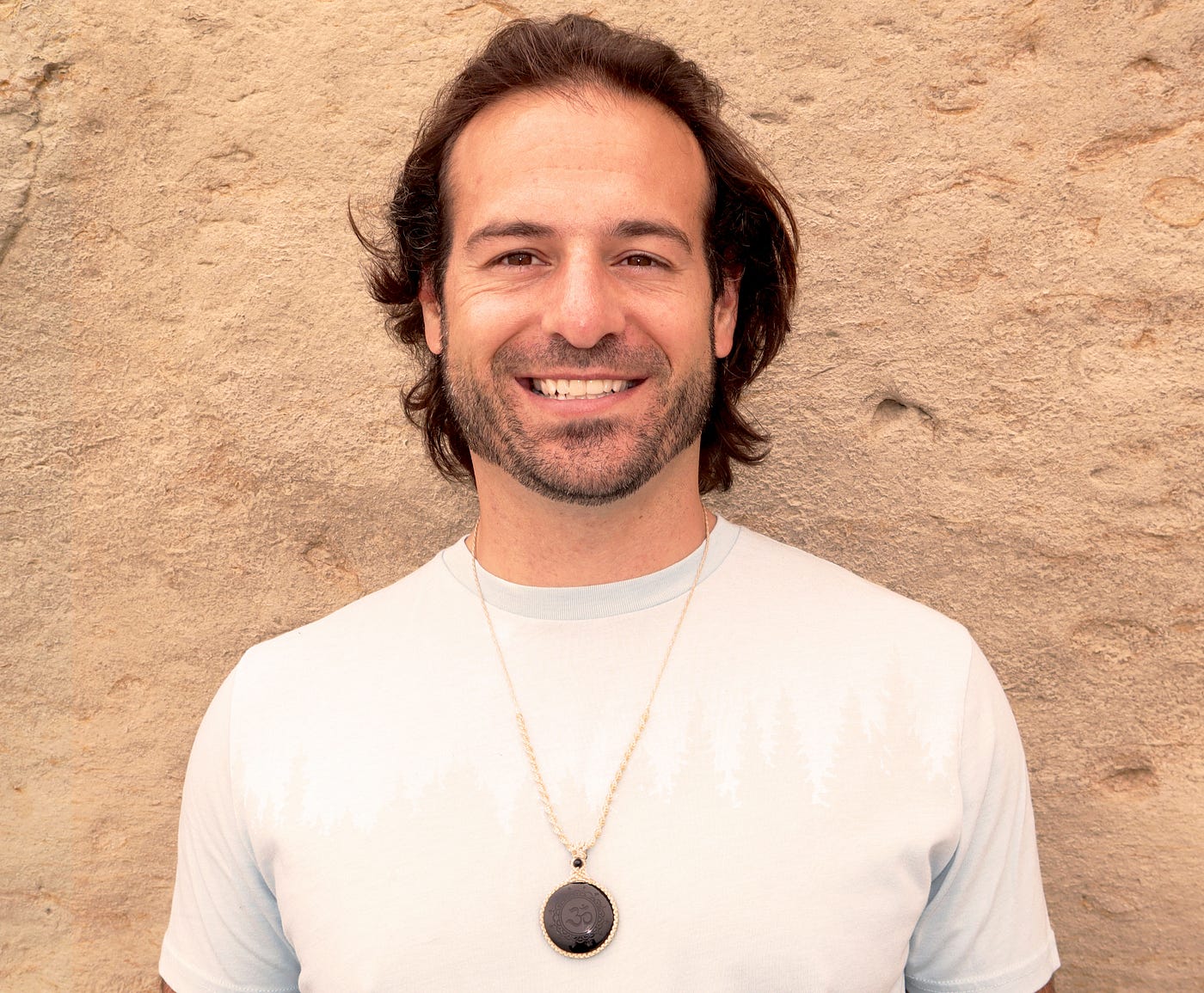
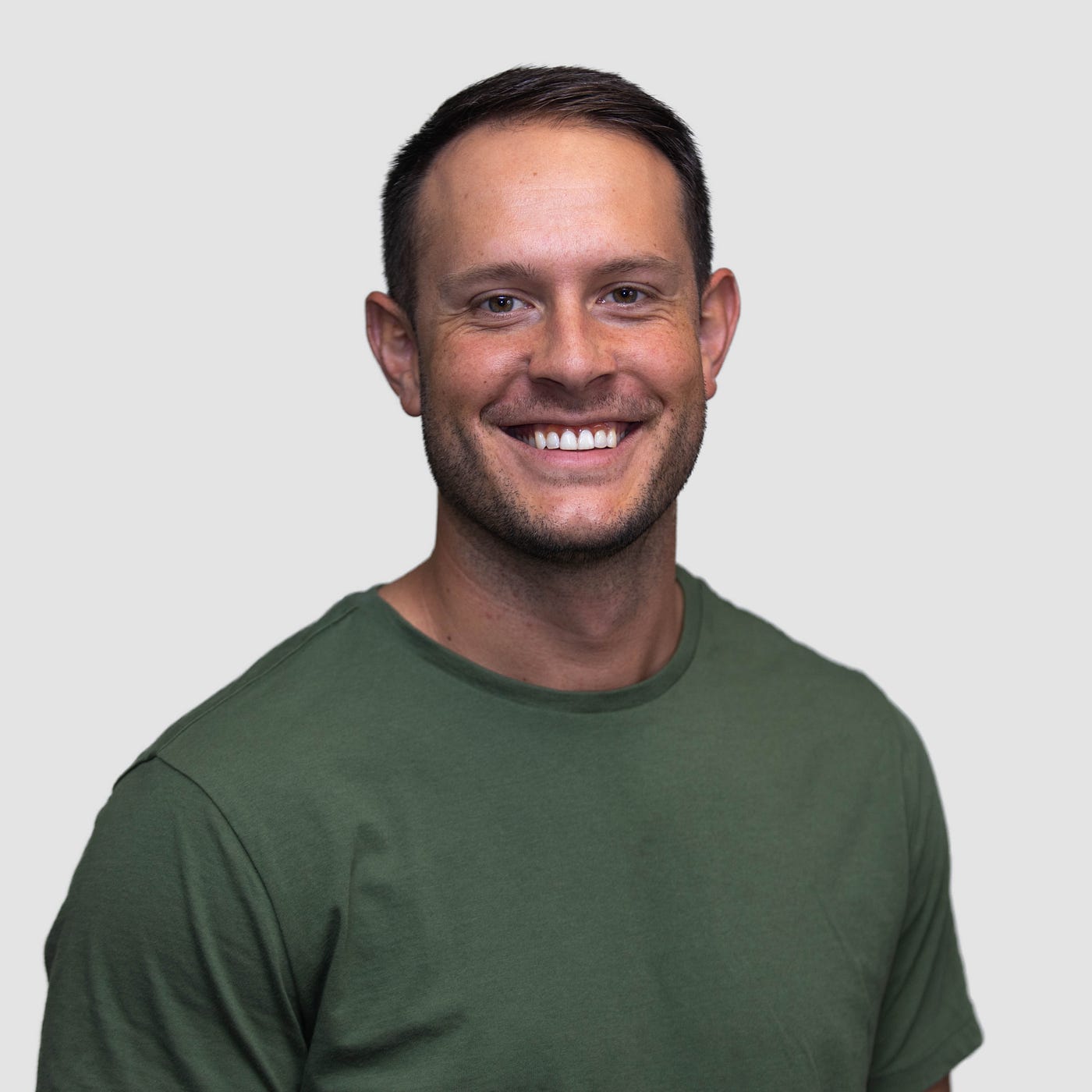
As a part of my series about people who made the journey from an addict to an entrepreneur, I had the pleasure to interview Christopher Reed.
Christopher Reed is the Founder and President of Northern Illinois Recovery Center (NIRC) and the Founder of Atlas Wellness Holdings and New Directions Addiction Recovery Services. Together, the organizations form a behavioral health system with more than 200 beds across Illinois, Kentucky and Texas, offering every level of addiction and mental health care in the Chicago area. Under Reed’s leadership, NIRC has been recognized by Newsweek as one of America’s Best Addiction Treatment Centers and has grown to more than 100 employees, with the same leadership team in place since it opened in 2019. Reed is also the creator of the Atlas model, an integrated care network that connects patients with medical, therapy and wellness providers long after formal treatment ends.
Thank you so much for joining us in this interview series! Can you describe your childhood for us?
It was pretty normal, and I always start there because families need to hear it. I grew up in Chicago’s northwest suburbs. My parents were together, and they still are. We took trips, we went to Disney World, I had friends, I played sports and I was an average student. There was no big traumatic event that set me up for a heroin addiction. People assume something must have gone wrong at home. It didn’t.
If anything stood out, it’s that I was a somewhat anxious kid. I could blend into pretty much any friend group, but I never stuck close to anyone. That stayed true until I started playing high school hockey.
Can you share with us how were you initially introduced to your addiction? What drew you to the addiction you had?
I started drinking at 13 with the older guys on my hockey team. The only thing I remember from that first night is deciding I was going to do it as often as I possibly could. I stopped worrying about what people thought of me, and I could talk to anyone. That led to pot, then psychedelics, then prescription drugs. Every experience was positive, which was the opposite of everything DARE told us. I built a whole identity around it.
What sped things up was breaking my leg playing hockey my junior year. I got my first OxyContin prescription a week before my family moved to Salt Lake City, and I left with a 90-day supply. Opioids are sold as pain medication, but they handle every kind of pain. They block everything out, and at some point that’s exactly what I was looking for. When we moved back to Chicagoland, pills were much easier to get, and I became dependent. Once you’ve been through opioid withdrawal, you’ll do almost anything not to go through it again. Heroin started to look like a reasonable option very quickly. That’s a really common story, and it’s not unique to me.
What do you think you were really masking or running from in the first place?
I don’t think it was one big thing. It was more a constant low-level discomfort: anxiety, worrying about what people thought, never feeling close to anyone. Alcohol took that away. Opioids took everything away. If you spend four months feeling like nothing bothers you, you get comfortable with that feeling. For a kid who’s a little anxious, it becomes a tool. For someone carrying real trauma, it becomes an amazing tool, because now they don’t have to think about the thing they think about every day. Most people find a solution like that long before they ever learn a healthy way to handle what’s underneath it.
Can you share what the lowest point in your addiction and life was?
By 19, I’d been injecting heroin for about two years. I never finished high school. My parents cut me off when I turned 18, and I was couch surfing, working part-time jobs, stealing and manipulating my way through life. I had six court cases in five counties and had spent time in Cook County Jail. My life was a disaster.
In the two weeks before I got sober in September 2009, I overdosed twice. Both times I woke up in the ambulance swearing I’d never touch anything again, and both times I went right back. Then I got caught stealing at a Walmart at 1 a.m., which meant another court case. All I could think about was using, and I remember thinking this just isn’t worth it. I didn’t want to die. I wanted a normal life, and it felt completely out of reach. I used more than I normally would, and I was okay with whatever happened. That was my third overdose in two weeks, and it put me in a psych ward. That’s where my recovery starts.
Can you tell us the story about how you were able to overcome your addiction?
There’s nothing magical about it. When I got out of the psych ward, I called a guy I’d met at an adolescent treatment center a few years earlier. He let me sleep on his couch, and we started going to meetings. I was broken enough to finally be willing to do whatever someone told me to do. I got a sponsor, worked the 12 steps and went to a meeting every day. My life got really good, really fast, and that surprised me more than anyone. I’ve been sober since September 20, 2009. What I tell people is that recovery isn’t a backstory. It’s a practice you keep doing.
How did you reconcile within yourself and to others the pain that addiction caused to you and them?
The 12 steps gave me a process for it, and I needed one. Left to myself, I would have either avoided it or drowned in it. You write down everyone you harmed, and then you go make it right wherever you can. For me that meant sitting down with my parents, facing six court cases in five counties and paying back people I’d stolen from.
What I learned is that an apology doesn’t mean much coming from someone who has lied to you for years. My parents had heard “I’m sorry” from me plenty of times. What they hadn’t seen was me showing up month after month and doing what I said I’d do. Trust came back slowly, and it came back on their timeline, not mine.
Reconciling it within myself took longer. I couldn’t undo any of it. What I could do was stop adding to the list and be useful to the next person walking in the door. That’s a big part of why I do this work. Making amends wasn’t something I finished. It’s how I try to live.
When you stopped your addiction, what did you do to fill in all the newfound time you had?
I went to work, and I surrounded myself with sober people. In early recovery I was in sales for a roofing company. I did well, and the owner never paid me what he owed me. So, mostly out of spite, I opened my own roofing company and hired other people in recovery. In the winter we did property maintenance on bank foreclosures, because it was 2009 and 2010 and the housing crisis was everywhere.
We had a warehouse for the equipment, and it turned into the hangout for people in recovery. It started with card games, then couches, then a bar with no alcohol in it, then AA meetings. Eventually we were throwing a sober party once a month, and 150 to 200 people would show up. I didn’t set out to build anything. I was just filling my time with people doing the same thing I was. That warehouse became the start of everything I’ve built since.
What positive habits have you incorporated into your life post addiction to keep you on the right path?
Family comes first. I have five kids, and the hard work of being a good dad and a good example for them gives me more purpose than anything else in my life. When I was using, I couldn’t show up for anyone. Now showing up is the whole point.
I also need time on the water. That could be fishing with friends in the Gulf, or wake surfing on the Fox River behind our house. Those are the moments I feel most connected to life, and I don’t take them for granted.
Then there are the daily practices. I keep a regular meditation and spiritual routine. I listen to worship music in the car on the way home from work. and I try to incorporate breath work sessions on a regular basis. None of those are complicated, but they’re tools I’ve picked up over the years, and they work when I actually do them.
One of the most important habits I learned in recovery is looking at my part first. When I end up somewhere I don’t want to be, the first question I ask is what I did to put myself there. It’s easy to blame a partner, an employee or the market. But I can’t change any of them. I can only change me, and that question gets me to the real problem faster than anything else.
I also lean on people who have already walked the path I’m on. I believe in “fake it till you make it,” but that only works if you’re learning from great people while you do it. I didn’t know how to stay sober, and I didn’t know how to run a treatment center. Both times I found someone who did, and I listened. Knowing when to shut up and listen has probably done more for me than anything I’ve ever said.
The last one is challenging myself. I like learning new things and taking on problems people say can’t be solved. Working out how to do something that looks impossible keeps my mind sharp, and it keeps me growing. In recovery, if you’re not growing, you’re sliding backward.
Can you tell us a story about how your entrepreneurial journey started?
It started with that roofing company I opened out of spite. Then the city of Crystal Lake shut our warehouse parties down because the building wasn’t safe or zoned for it, and fairly so. The mayor called and said they liked the idea. They walked me through the zoning process, and the city created a special zoning category for a nightclub without alcohol. But making the building compliant would have cost about $100,000, so we let it go.
Then a Chicago Tribune reporter called. The story ran on the front page of the Sunday paper, and it went everywhere: Oprah, Jimmy Kimmel’s monologue, HuffPost, even newspapers in Amsterdam. We raised $100,000 in two weeks. I didn’t even know I needed a tax ID to deposit the checks. That money started New Directions Addiction Recovery Services, our nonprofit, along with The Other Side, our sober bar, sober living homes and a 35-bed program for people without insurance.
Meanwhile I was still running the construction company and wasn’t paying attention to it. We botched a big tile installation on a hotel job, and I had to file for bankruptcy. I was 10 years sober, and I was asking myself what I was doing with my life. I called a friend who’d opened a treatment center on the West Coast, he helped me, and we opened Northern Illinois Recovery Center in 2019. Today we’re a behavioral health system with more than 200 beds across Illinois, Kentucky and Texas.
What character traits have you transferred from your addiction to your entrepreneurship. Please share both the positive and negative.
The negatives come from the same place. People in active addiction get very good at self-deception, and that doesn’t disappear just because you’re sober. It shows up in business too. My ego used to tell me I could do everything myself. I’d say yes to things without thinking them through. The bankruptcy happened because I stopped paying attention to a business I didn’t care about. So now I build guardrails around my own tendencies. I put money decisions through our CEO, and I keep honest people close.
The positive side is resourcefulness. When you’re in active addiction, you wake up every day with a problem and no obvious solution, and you find a way anyway. That instinct doesn’t go away. It just gets pointed somewhere better. When people tell me something can’t be done, I hear it as a challenge to figure out. We raised $100,000 in two weeks when I didn’t even know I needed a tax ID. I built a treatment center after a bankruptcy. That’s the same relentlessness, aimed at building something instead of destroying it.
Addiction also teaches you to read people, because you have to. In recovery, that turns into empathy. I can sit across from a scared family or a struggling employee and understand what’s really going on, because I’ve been there.
Why do you think this topic is not discussed enough?
A lot of today’s addictions are silent. If you drink, black out and act like a jerk, everyone knows. But if you’re quietly draining your bank account at night betting on football, nobody knows. Founders especially feel like they have to look like they have it all together. In my industry, people in recovery get welcomed as marketing stories but rarely get trusted to run the business. That sends a message that being open about recovery could cost you credibility. I think that’s backwards. The skills that keep me sober are the same skills that build a lasting company.
Can you share three pieces of advice that you would give to the entrepreneur who is struggling with some sort of addiction but ashamed to speak about it or get help?
1. Tell one person. You don’t have to make an announcement. Pick one person you trust and tell them the truth. Addiction lives in secrecy, and the moment one other person knows, it loses some of its power. That one conversation is usually the hardest step, and everything gets easier after it.
2. Getting help won’t cost you your business. Hiding it will. A lot of founders think treatment means walking away from everything. It doesn’t. There are outpatient options that let you keep working while you get well. What actually kills businesses is a leader who isn’t paying attention, making decisions from a bad place and lying to everyone around him. I know, because I filed for bankruptcy after neglecting a company, and I was sober at the time.
3. Treat your recovery the way you’d treat your business. You’d never run a company without structure, accountability and people who’ll tell you the truth. Recovery needs the same things. Get a sponsor or a therapist, build a routine and put honest people around you. The discipline you use to build a company is the same discipline that will keep you sober.
How can our readers follow you on social media?
You can find us on Instagram at @northernillinoisrecovery and at northernillinoisrecovery.com. If you or someone you love is struggling, you can take our free “Am I an Addict?” quiz at northernillinoisrecovery.com/am-i-an-addict-quiz.
Thank you so much for your insights. That was really inspiring!