Five years ago, I was giving a presentation and I noticed young professionals, specifically the female professionals, were moving to the front of the audience and had very attentive, shiny eyes full of hope.
Business
Angie Gomez of Rheem Manufacturing: Inside the Strategy to Rebuild Long-Term Business Credibility and Accelerate Growth Through Authentic Leadership
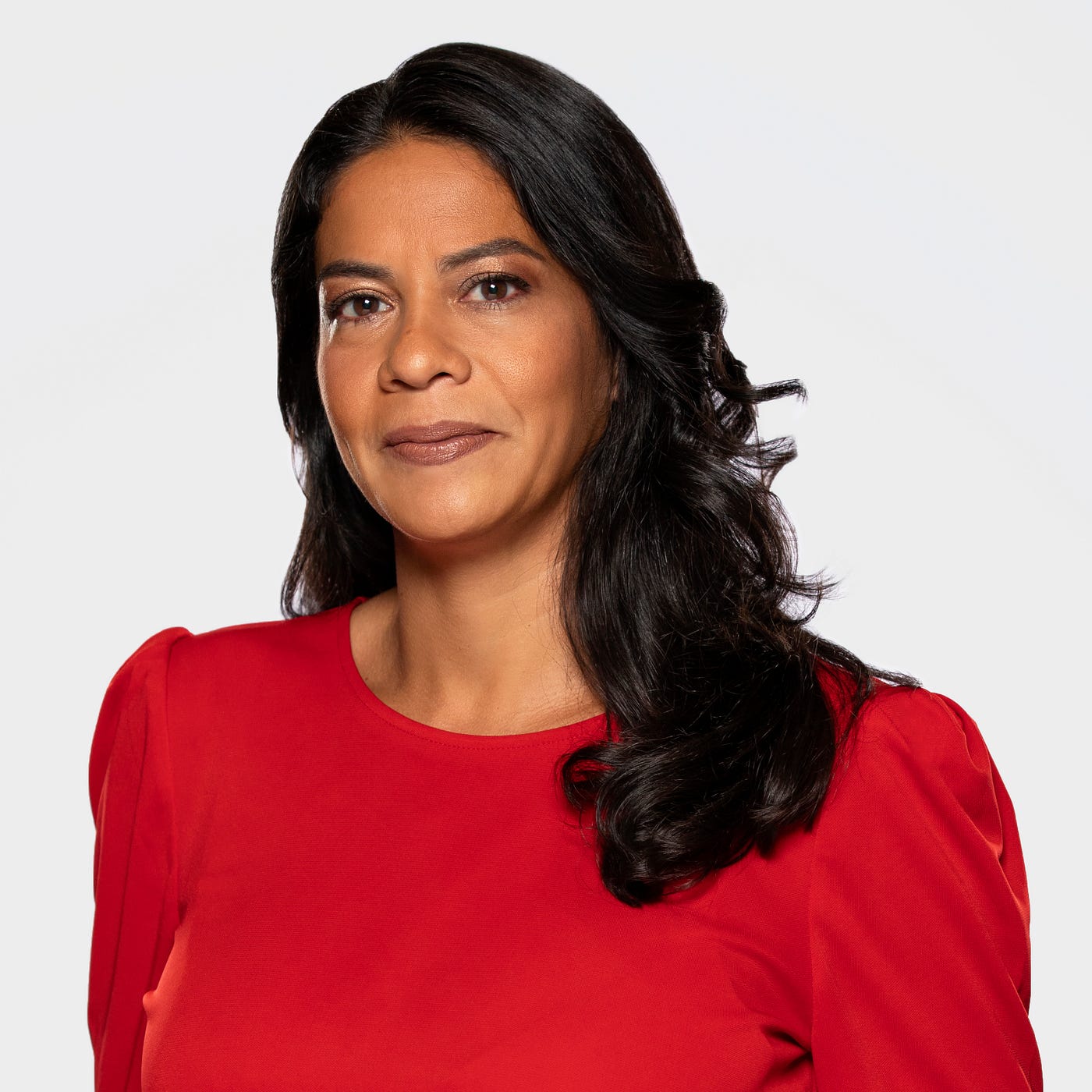
In today’s dynamic world, the concept of leadership is continuously evolving. While traditional leadership models have often been male-dominated, there is a growing recognition of the unique strengths and perspectives that women bring to these roles. This series aims to explore how women can become more effective leaders by authentically embracing their femininity and innate strengths, rather than conforming to traditional male leadership styles. In this series, we are talking to successful women leaders, coaches, authors, and experts who can provide insights and personal stories on how embracing their inherent feminine qualities has enhanced their leadership abilities. As part of this series, we had the pleasure of interviewing Angie Gomez.
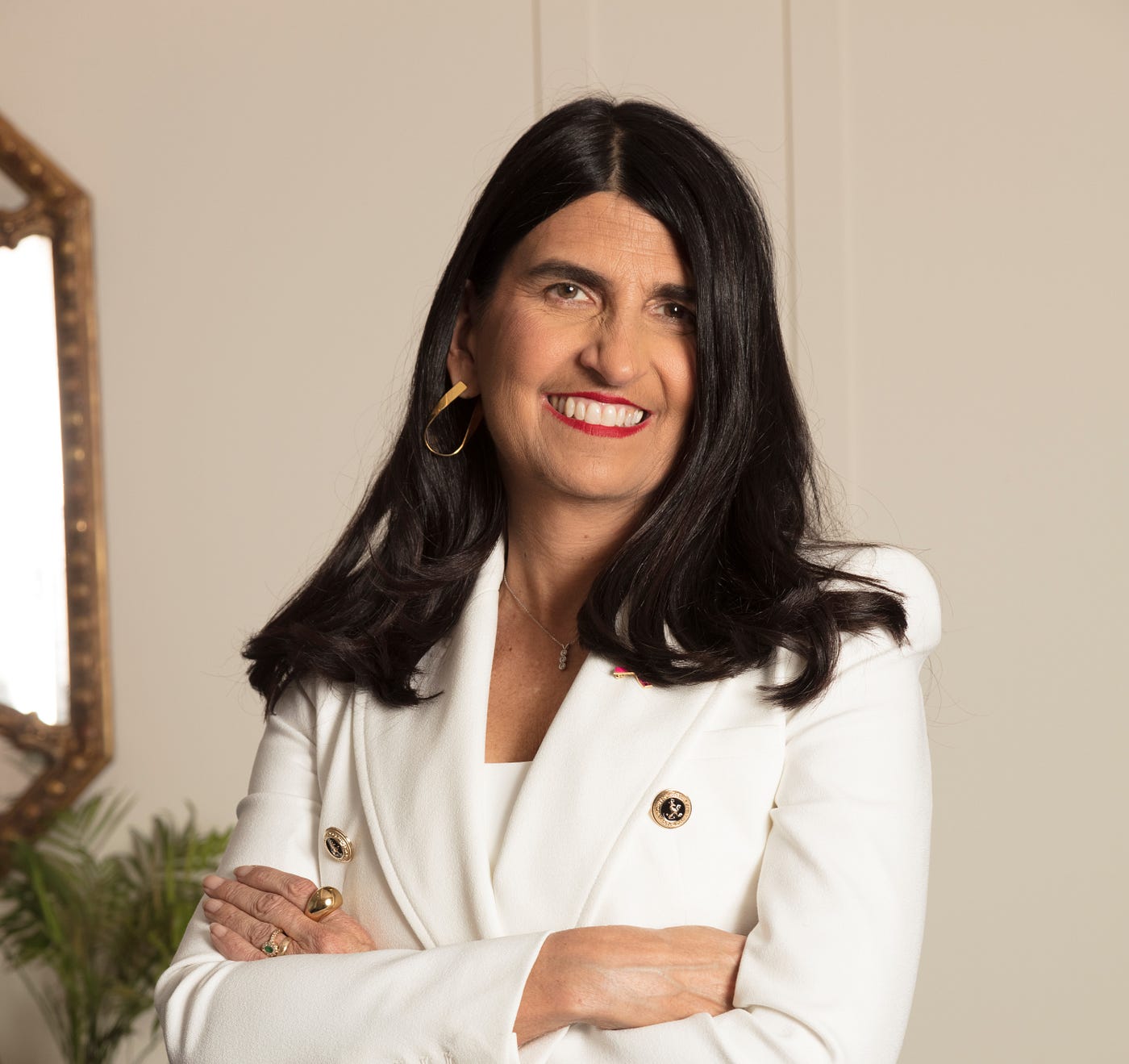
Angie Gomez is currently the Vice President and General Manager of Rheem Manufacturing’s Replacement Parts Division (RPD), with locations in Randleman, NC and West Valley, UT. As VP, Angie is responsible for ensuring customers have the necessary PROTECH® OEM Genuine Factory Authorized Parts™, and providing a one-stop shop for installation supplies and accessories for air and plumbing markets.
Angie joined Rheem in 2022, tasked with leading the division to obtain aggressive growth through building high performance teams, new product introductions, market expansion, and excellence in operations. She has a passion for building talented teams who can accelerate the desired objectives of the organization. Prior to Rheem, Angie worked for United Technologies’ Fire & Security Division and various General Electric (GE) business units, including Security, Plastics, Corporate and Capital. Throughout her 25 plus years of experience, she has held roles of increasing responsibility in Customer Service, Sales, Product Management, Quality and General Management/P&L ownership. Angie obtained a bachelor’s degree in history from Fordham University. She has a 13-year-old daughter who keeps her busy when not in the office and a fiancée Eric with whom she loves to travel, go for long walks and try out new restaurants.
Thank you so much for joining us in this interview series. Before we dive into our discussion about authentic, feminine leadership, our readers would love to “get to know you” a bit better. Can you share with us the backstory about what brought you to your specific career path?
You’re welcome! I’m happy to participate and thank you for the opportunity. I would have to say, good luck and hard work early on in my career have helped me to land where I am today.
In my family, I’m a first-generation college graduate. I was just thrilled to graduate and have a professional job. At that time, I had no end destination or pre-defined goal. I joined General Electric (GE) directly from college after the recruiter explained the boundless opportunities across so many industries, countries and the overall role. For someone who did not really know what they wanted to do, it sounded like the perfect job opportunity. Once I entered the corporate world, I worked hard to learn the role I was performing (I was a history major who was given a chance) and said “yes” to every opportunity I was offered. I became a generalist that everyone could count on. That took me across a variety of disciplines and opportunities from customer service, sales, product management and Lean Six Sigma. Ultimately, when you put it all together, it was a great base to be successful as a general manager where your focus is shifting daily.
Can you share the most interesting story that happened to you since you started your career?
An interesting thing that happened since I started my career was the overt consciousness of what my representation means to my employees and others. Five years ago, I was giving a presentation and I noticed young professionals, specifically the female professionals, were moving to the front of the audience and had very attentive, shiny eyes full of hope. After the presentation, the women attendees approached me and said, “now that I see you in your role, I feel like I can also make it!”
In another instance, after a presentation to a room full of male business owners, the men came up to me to share their appreciation and said, “finally, so exciting to hear another voice versus the same old status quo — next year, I’m bringing my daughter/sister/wife to meet you, so they know they can also be successful in this industry.”
After those two experiences, I recognized the importance of using my platform as a way to help inspire others to define their own success. I always thought I was just doing my job, and then I realized the importance of representation and now I am conscious of what it means.
What do you think makes your company stand out? Can you share a story?
Rheem stands out through its commitment to respect and intent. So many companies very effectively talk about their people and teamwork, but they don’t walk the walk. When I worked at other companies, this always felt like a PR campaign where they line the walls with posters but aren’t committed to seeing it through. Whereas Rheem is a company with a strong human culture. I remember during my interview process I was asked to meet with the majority of the leadership team that would eventually become my peers. It was a significant investment of time for me as a candidate and also for the company. Rheem did this very intentionally for two reasons. Firstly, as a way to give me insight into whom I would be working alongside and secondly, so I was invested as the new general manager coming into the business. On day one, I already felt like I was part of the team and was familiar with faces and names.
You are a successful business leader. Which three character traits do you think were most instrumental to your success?
Authenticity: be you, it’s always the best option!
Humility: It’s okay to say I don’t know the answer, but I will always work to help find it.
Results orientation/resilience: Always focus on how you can make it better than it was before, and that’s often my measure of success.
Leadership often entails making difficult decisions or hard choices between two apparently good paths. Can you share a story with us about a hard decision or choice you had to make as a leader? I’m curious to understand how these challenges have shaped your leadership.
In a previous role/company, a tough decision had been made to alter the current go-to-market model that was only beneficial in the short term (consistent large orders, high levels of service to channel). At the end of the day, it was detrimental to the business from a profitability standpoint and our commitment to the customer. When I joined the team as GM, there was a high level of awareness that this had not been the right decision, but the situation had gotten so broad, large, and risky in terms of change. With my team, I made the difficult decision to look at the long-term success of the business. As a result, we had to rebuild credibility with the channel and internal stakeholders and go back to fulfilling the original value proposition we had in place for many years prior to this change. I learned doing the right thing, while difficult, is always the most gratifying. The team will rise to the service levels required to win, and being decisive and trusting your gut is a must. Our whole team had to level up and find ways to best serve our customers. And yes, there was a significant revenue loss at first, and many explanations were required, but the business recovered and continued to experience strong double-digit growth and customer satisfaction.
Let’s now jump to the primary focus of our interview. Can you share a personal experience where embracing your unique leadership style, which might not align with traditional expectations, led to a significant positive impact in your organization or team?
An example that comes to mind is the first large customer engagement I had in a previous GM role at another company. I recall the warm reception and energy created when I walked between each row of seated participants (there were more than 300 customers). I introduced myself and shook everyone’s hand that I could before the conference began. After the presentation, I walked around and introduced myself to the rest of the attendees and those I didn’t have time to meet prior to my speaking role. I received repeated comments from the business managers about what a remarkable difference that had been to the previous meetings they had attended with the company. They shared, “it’s so nice to see you’re a relatable human and consider us one too; we never got this kind of engagement from the company leaders.” That set the tone for a tremendous amount of open dialogue, direct feedback, and working through challenging situations in a collaborative format. I kept that going for every customer meeting in that role for the next three years. At that point they were used to it and handshakes turned to high fives or hugs.
In your journey as a leader, how have you balanced demonstrating resilience , often seen as a masculine trait, with showing vulnerability, which is equally powerful, but typically feminine? Can you give an example where this balance created a meaningful difference? Great opportunity to mention your approach that is both “nurturing and tough.”
I’ve been able to find the balance by recognizing the task at hand and learning how to act in each unique situation. Sometimes it’s a matter of pushing through a difficult obstacle or having to make a taxing decision. In those moments, I’m almost always at the front of the line, persevering, unwavering and motivated to achieve the desired goal. When it’s a situation where more humanity is required, for example changing culture, trying new ways to market, then I allow more of the human to show through without losing sight of the objectives. It can mean taking a few extra turns, encouraging team members to make mistakes, and celebrating those moments because now we know what not to do. It’s important to let the entire team know that I don’t have all the answers, or that I recognize we have more questions than answers at this point, but we will figure it out together. And we usually do. I think when the team sees when a leader doesn’t know an answer, it creates an environment for them to experiment more freely, offer suggestions, and try different things without fear of being judged or wrong. That’s where the real magic happens!
As a woman in leadership, how have you navigated and challenged gender stereotypes, especially in situations where traditional male-dominated approaches are the norm? What strategies have you employed to remain authentic to your style?
My approach is to not spend too much of my time actively challenging the stereotypes, but instead accept and embrace my differences, as there is nothing I can do to hide or change them. And what I mean by this is, I have always owned who I am as a woman, as a person of color, and I choose to not let that define my leadership style. As an example, it is clear I am not a man, so I don’t try to look or act like one. Everything that is different about me is physically and visibly obvious, so I focus my energy in being 100% myself and adding value to the task at hand.
I do that by providing my perspective to the situation. I ask questions, I make suggestions for a different approach, and I raise my hand to take ownership on a project. After many years, I’ve stopped noticing the countless tradeshows, conferences, and meetings where I’ve been the only woman, or in some cases person of color sitting at the table or in the room. My strategy in the workplace is to not place too much focus on my gender or race. Rather, my approach is to focus on how do I contribute to solving the problem or supporting the opportunity? I am extremely proud of who I am, and I am confident my experiences as a woman have defined me and are present in my point of view. I simply choose to lead with authenticity first, and the rest follows.
How do you utilize emotional intelligence and active listening to create an inclusive environment in your team or organization? Could you share a specific instance where these qualities particularly enhanced team dynamics or performance?”
My approach is always to spend a lot of time listening to my employees, even more so than listening to my peers. It’s about letting my teams know they have a voice that is valued, and their experiences outside of their current role make them a unique asset to our team.
There are things we know we need to do as leaders, the “what” and “why,” and I usually try to fill in the blanks on the “how” through the voice of my employee population. To do this, I do a couple of things. First, I take all new, salaried hires to an informal welcome lunch. I thank them for choosing to join our team, I get to know them as a person — we talk about their hobbies, passions, what they did before this role or joining this company. We also talk about what they hope to accomplish or learn in this role, and I share background on the opportunity they have been hired to tackle. I also encourage them to challenge us, including myself, to raise the bar and to help us create a new level of excellence.
Another technique I also employ is to host “skip levels” twice a year with the entire workforce. The agenda is always the same and we cover the following topics: How are you enjoying your role? What could I do to make your individual work experience / team / or business better? And finally, are there any topics you would like to talk about or suggestions you might have for me? These sessions generate a healthy and consistent dialogue on opportunities for anything from interdepartmental communication gaps, clarity on purpose or direction of the business and a validation of what initiatives or actions are resonating and what needs work.
What role has mentorship played in developing your authentic leadership style, and how do you communicate authentically to inspire and empower both your mentors and mentees?
While I admittedly don’t have a ton of direct mentorship experience as it relates to leadership, in terms of communicating authentically to inspire, I try to always be truthful on good or bad topics. It’s about being 100% authentic and truthful where I can. Sometimes it’s hard to address the gaps or share constructive feedback, but I’ve always vowed to be upfront on the positives and negatives, and my team has learned to expect nothing less. I also always try to come from a place of empathy and shared experience, finding examples of where I have had similar experiences, gaps, challenges and discuss what I learned and how I overcame. We continue to work through any issues, and my team knows it’s an open dialogue.
Ok super. Here is the main question of our interview. Based on your experience and research, can you please share “5 Ways Leading Authentically As A Woman Will Affect Your Leadership”?
Every day I come to work; I show up being myself. Taking the liberty that authenticity affords one, especially in a corporate environment, has allowed me to demonstrate attributes which may not always be seen in executive levels of companies. I think being authentic as a woman, one who was a “first” for many milestones within my family, propels that even further. I always reflect on how I felt when I was in their roles, what would I have wanted to know or have access to earlier in my career? The answer to these questions formed the tenets I live by:
Never ask anyone to do anything you would not be willing to do yourself!
Always be honest and transparent — even if that means delivering a tough message. Emerging leaders need to be praised when they do amazing things, and also re-directed when they are missing the mark.
Treat everyone with respect and as an equal — the role or title of yourself, or others is not a measure of a person’s value.
Provide a stretch assignment or development opportunity for everyone — not just the officially ranked “top talent.” If we don’t provide a chance to others, how will they ever learn/grow?
Always say thank you — never take for granted employee participation, contributions, quality of work or stretch assignments.
In my experience, leading authentically as a woman will allow you to bring out the best in your team because they will have trust in your leadership. If the team feels you are real, including visibility into the gaps and developmental opportunities we all possess, they will gain confidence in you. In turn they make themselves available for the journey you are about to embark on together.
Are there potential pitfalls or challenges associated with being an empathetic leader? How can these be addressed?
One pitfall I’ve encountered could be team members erroneously thinking of ways to abuse your compassion and try to manipulate the situation. At the end of the day, yes, I’m nice, but we still have a job to do, and we need to focus on the results.
I try to address every situation from a lens of consistency. Would you handle the situation the same for anyone else? Are we going to reach our goals at this pace, with the current output? If the answer is no, then action has to be taken.
Consistency, focusing on results and eliminating favoritism are ways to mitigate these pitfalls.
You are a person of great influence. If you could start a movement that would bring the most amount of good to the most amount of people, what would that be? You never know what your idea can trigger. :-)
I love the idea of creating a platform that would provide quick conversations or trainings on difficult situations that would be free to young women. They could see and learn from successful people in any number of disciplines and hopefully from a diverse set of presenters — those who are self-made, pedigreed, entry level managers, executives, and both men and women. It would be a chance to really see leaders who look like them, or have shared experiences, and were able to become successful in their field.
How can our readers further follow you online?
I am on LinkedIn, Angie Gomez | LinkedIn
Thank you for the time you spent sharing these fantastic insights. We wish you only continued success in your great work!
About The Interviewer: Pirie is a TedX speaker, author and a Life Empowerment Coach. She is a co-host of Own your Throne podcast, inspiring women in the 2nd chapter of their lives. With over 20 years in front of the camera, Pirie Grossman understands the power of storytelling. After success in commercials and acting. She spent 10 years reporting for E! Entertainment Television, Entertainment Tonight, also hosted ABC’s “Every Woman”. Her work off-camera capitalizes on her strength, producing, bringing people together for unique experiences. She produced a Children’s Day of Compassion during the Dalai Lama’s visit here in 2005. 10,000 children attended, sharing ideas about compassion with His Holiness. From 2006–2009, Pirie Co-chaired the Special Olympics World Winter Games, in Idaho, welcoming 3,000 athletes from over 150 countries. She founded Destiny Productions to create Wellness Festivals and is an Advisory Board member of the Sun Valley Wellness Board.In February 2017, Pirie produced, “Love is Louder”, a Brain Health Summit, bringing in Kevin Hines, noted suicide survivor to Sun Valley who spoke to school kids about suicide. Sun Valley is in the top 5% highest suicide rate per capita in the Northwest, prompting a community initiative with St. Luke’s and other stake holders, to begin healing. She lives in Sun Valley with her two children, serves on the Board of Community School. She has her Master’s degree in Spiritual Psychology from the University of Santa Monica and is an Executive Life Empowerment Coach, where she helps people meet their dreams and goals! The difference between a dream and a goal is that a goal is a dream with a date on it!
PJ
Written by
Pirie Jones Grossman
Editor & Journalist · Authority MagazinePirie Jones Grossman is a senior columnist at Authority Magazine covering Tech and Business, conducting primary-source Q&A interviews with founders, executives, and industry leaders.

Published inAuthority MagazineTop Lessons, Top Authorities · 42K Followers
Exclusive, curated interviews with the leaders and changemakers shaping tomorrow. Leadership lessons, industry deep dives, and executive profiles.