When we decided to start this business, we gave up the jobs we had and, in doing so, gave up our stable and predictable lives. But we were ok with losing that stability — the risk of not taking the chance and living with regret was greater than the risk of facing uncertainty.
Business
Tyler McNie: Inside the Architecture to Scale Hawaiian Bros Island Grill Without Venture Capital
The co-founder of Hawaiian Bros Island Grill shares how bootstrapping, risk tolerance, and a commitment to culture built a thriving food brand.
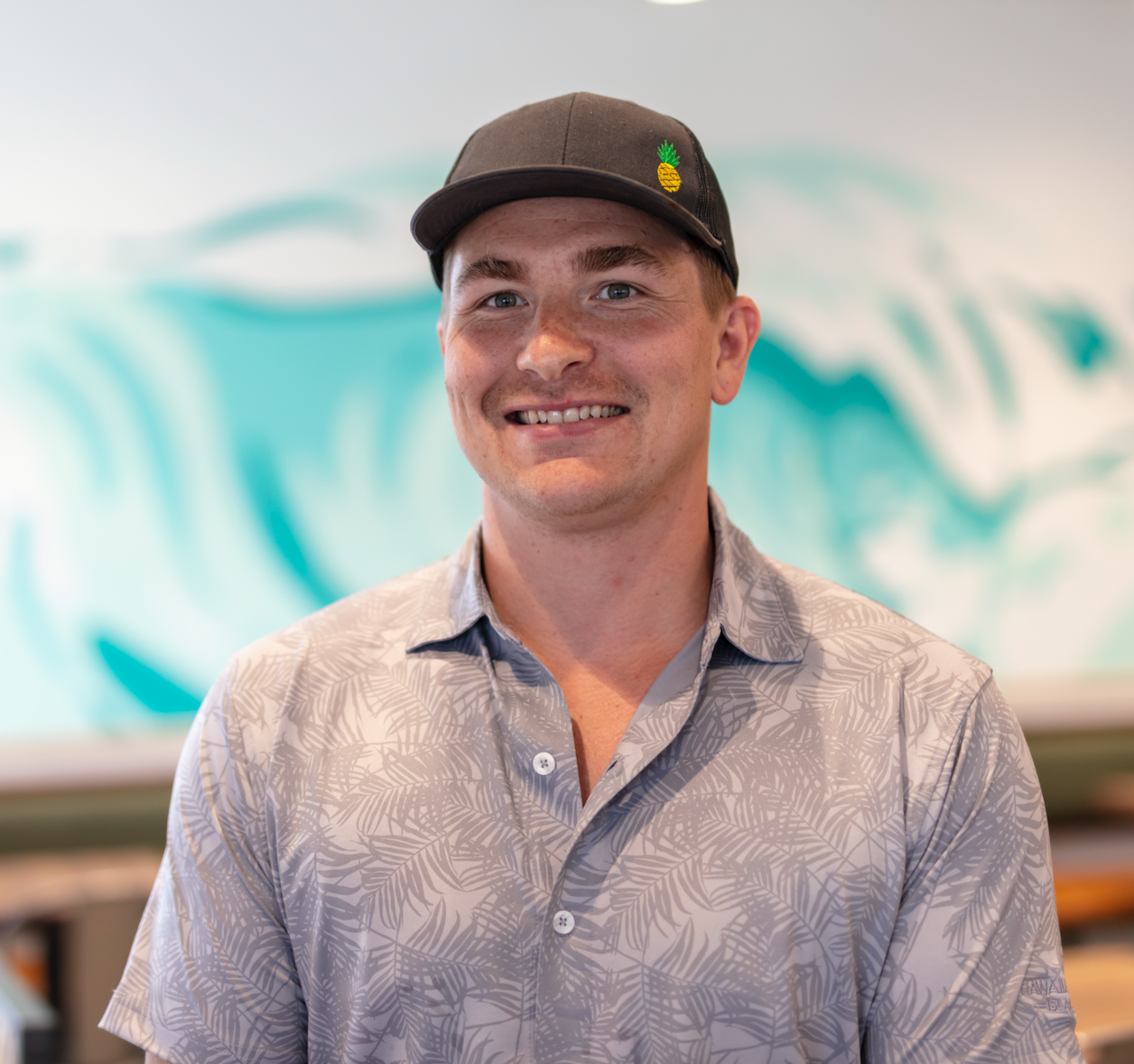
As a part of our series called “5 Things You Need To Create a Successful Food Brand”, I had the pleasure of interviewing Tyler McNie.
Tyler grew up in Eugene, OR and moved his family to Kansas City, MO in 2017 to start Hawaiian Bros Island Grill. He is married with two young children, likes fly fishing, mountain biking and going on adventures with his wife and kids.
Thank you so much for doing this with us! Before we dive in, our readers would love to learn a bit more about you. Can you tell us a bit about your “childhood backstory”?
I grew up in Oregon as the second oldest of 11 kids. When I was a teenager, my parents bought a Hawaiian restaurant from a local family — we’d all eaten at their restaurant and loved it, and they no longer wanted to run it (if you can believe it, we actually bought it at a garage sale).
At the time, my older brother Cameron and I were going to school and working random jobs, so we all decided to start working at this Hawaiian restaurant. Once the business was up and running, my brother and I worked consistently during the summers, and we even recruited some of our friends to work there. I really learned about my passion for the restaurant industry. From creating the recipes and learning about running a business in a pretty tough industry, it lit a fire in me and Cameron.
Eventually, that fire led us to create Hawaiian Bros, with a dream of bringing the island-inspired plate lunches to more areas of the country than the few locations we managed in our family restaurant.
Can you share with us the story of the “ah ha” moment that led to the creation of Hawaiian Bros?
My parents reached a certain level of success and decided they weren’t interested in growing the business anymore. At 15, I knew this could be a massive brand because the food was simple, and the people loved it. My brother Cameron and I had a similar vision and took what we had learned working at our family’s business and turned it into our own concept alongside two lifelong friends of ours who brought us out to Kansas City.
Let’s imagine that someone reading this interview has an idea for a product that they would like to produce. What are the first few steps that you would recommend that they take?
My initial thoughts are to make sure people like what you’re trying to make. You have to ask yourself: Is there a market for this? You can have a great idea that solves a problem in your life or the lives of a few people you know, but you don’t want to get ahead of yourself and invest a lot of effort into something that plenty of other people won’t like or need.
The second step is understanding what level of commitment and risk comes from what you’re creating. You have to go all-in on ideas to be successful; however, you may not be successful right away, and unfortunately, not every idea leads to long-term success, but there is a way to deal with that risk and stress gracefully without affecting the morale of your company.
Many people have good ideas all the time. But some people seem to struggle in taking a good idea and translating it into an actual business. How would you encourage someone to overcome this hurdle?
It goes back to whether you are willing to take the risk. When we decided to start this business, we gave up the jobs we had and, in doing so, gave up our stable and predictable lives. But we were ok with losing that stability — the risk of not taking the chance and living with regret was greater than the risk of facing uncertainty.
We realized if we wanted to make something great, we would have to put everything into it. I would tell people working to overcome this hurdle that there will be times when they feel like they are failing, and it is a difficult and emotional rollercoaster no matter what, but keep putting all you have into it.
I can’t say it’ll always work out, but I can say if you give it your all and take that risk, you’re going to learn tons about yourself, and your perspective on life will change. The comforts in life you thought you needed will no longer serve you. Although it may be a little crazy, committing to your vision and making it happen is ultimately the best thing you can do.
What are your thoughts about bootstrapping vs looking for venture capital? What is the best way to decide if you should do either one?
For me, when you are starting on your own, you want to control how you operate and treat your employees and bootstrapping gives you that complete control. Taking outside capital limits your vision for your culture, and that is something we were extremely passionate about having authority over and making our business a place where people truly wanted to work. Not taking outside capital was key for us at the start because we were able to take on quality people that we believed in and who believed in us.
Here is the main question of our discussion. What are your “5 Things You Need To Create a Successful Food Brand” and why? (Please share a story or example for each.)
- Create Food Customers Like: Creating food that people love and are passionate about is the backbone of success. We carefully crafted some of the recipes we use every day at Hawaiian Bros and tested a variety of options to choose the ones the customers would love the most that still stayed true to the flavors of the islands.
- Risk Tolerance: You have to be unafraid to take risks and be committed to your goals. The restaurant and food industry is EXTREMELY competitive, and there are different market pressures and competitors. In the beginning, you may feel like you don’t know if you’ll make it, but you have to be able to deal with the stress while maintaining good decisions and keeping your team calm.
- Hard Work: Business owners, in general, have glamorized what a great life they have, but it’s actually a lot of work. We opened the first Hawaiian Bros location a week after my first daughter was born, and at that time, I was working 70–80 hours a week. When I was home, I’d hold the baby while my wife slept and then have to go back to work. It was a difficult time, but I stuck with it and was hopeful that all the hard work would pay off.
- Good Vision for Culture: When starting a business, you have to ask yourself up front: How do you want to mold and craft the culture of your business? This question is vital for hiring purposes because you want to create a perception of the brand that people want to be a part of. It’s much easier to start on this foot than backtracking and fixing an already broken culture.
- Strong Company Values: Just like the culture of your business, you have to identify the company’s values upfront. First, brainstorm what the company will be about and your purpose, mission, and values. I found it helpful to make a good list and then break it down into 5 or 6 core values and lean on those when making the big decisions.
Can you share your ideas about how to create a product that people really love and are ‘crazy about’?
For someone to buy into a product, the founders have to be fully emersed in it. If the founders are genuine and believe in what they are doing, it makes it easy for people to connect with your brand and easy for them to trust the company.
How have you used your success to make the world a better place?
I’d say this is always a work in progress, but personally, the growth over the last five years has allowed me to be a better dad and husband. Making a change and being the best version of yourself starts at home and trickles out from there.
From a business perspective, as we continue to grow into new communities, we are able to impact our employees with the Aloha Spirit and give back to each community we are a part of. As a startup, it takes a little time to get to the point you can give back but giving to different causes in cities around the country is very important to me and the impact we are trying to make here at Hawaiian Bros.
Thank you for these fantastic insights. We greatly appreciate the time you spent on this.
AM
Written by
Authority Magazine Editorial Staff
Editorial Desk · Authority MagazineThe Authority Magazine Editorial Desk produces, verifies, and edits long-form primary-source interviews with executives, innovators, clinicians, creators, and social impact leaders across Business, Tech, Pop Culture, Wellness, and Social Impact.

Published inAuthority MagazineTop Lessons, Top Authorities · 42K Followers
Exclusive, curated interviews with the leaders and changemakers shaping tomorrow. Leadership lessons, industry deep dives, and executive profiles.