If I found certain roadblocks were limiting my ability to achieve any type of success, I would just find a way to work around them.
INTERVIEW QUESTIONS.
(If you are unable to download it, please click File-Download)
Please answer the questions, and leave the questions formatted as they are in the document. We may schedule a follow-up call or skype to round things out.
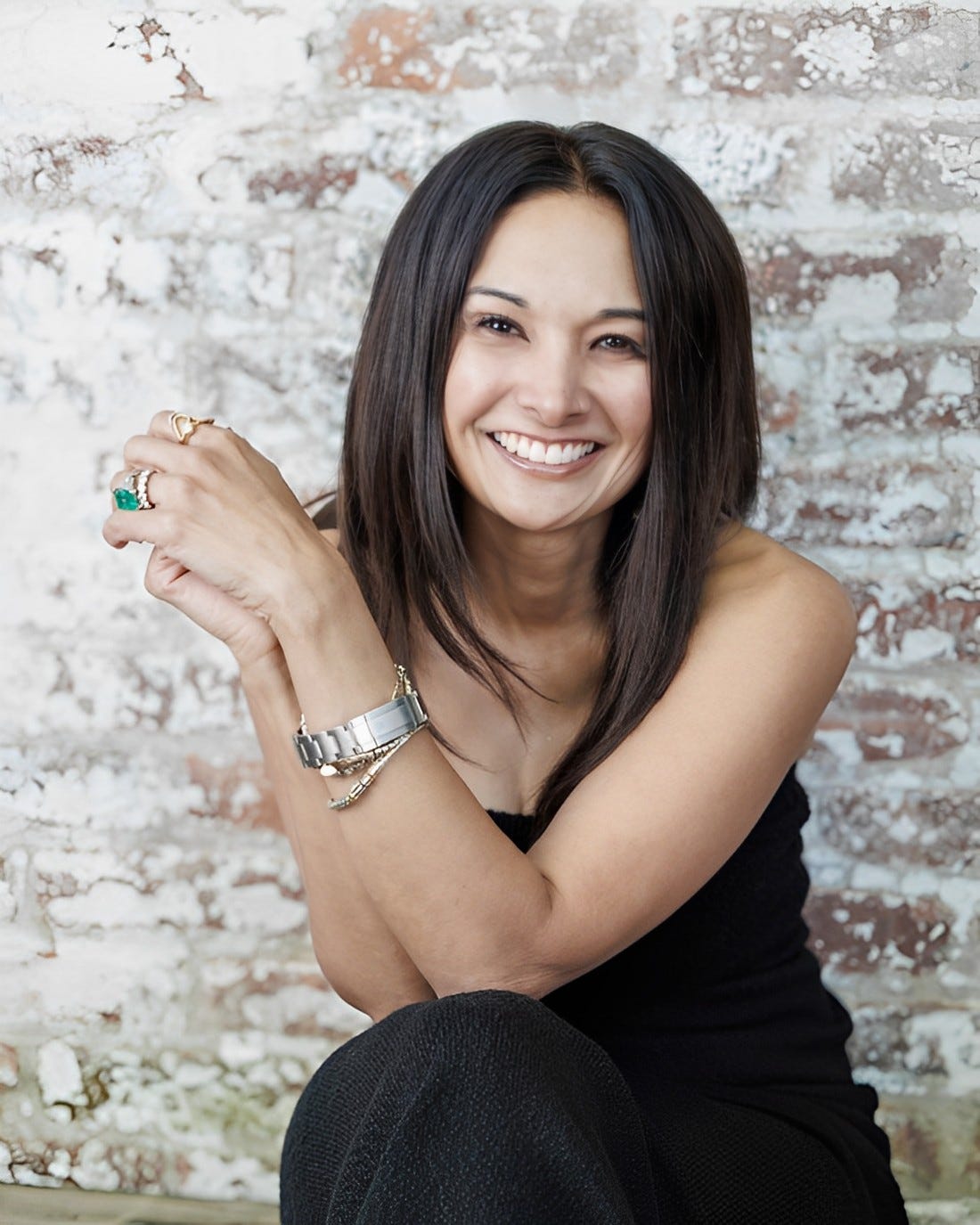
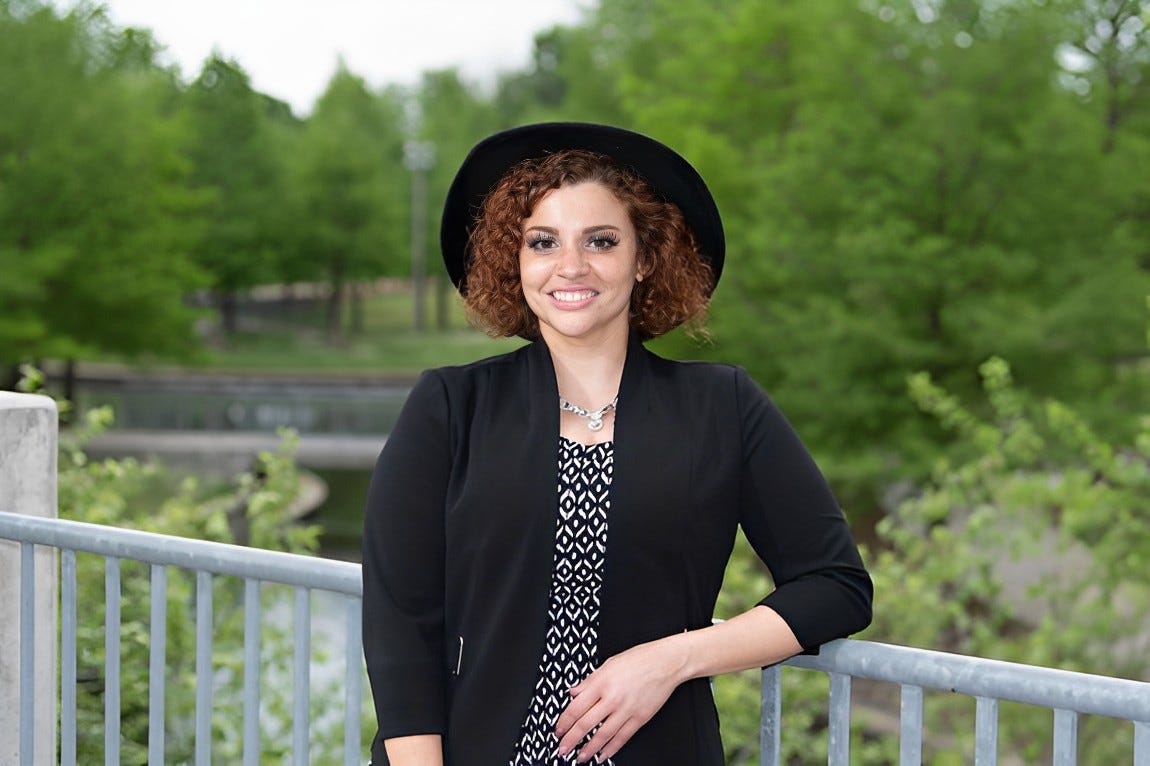
As a part of our “Unstoppable” series, we had the pleasure of interviewing Dr. Angel K. Durr
(Kindly insert your three-sentence bio, written in the third person, here. The rest of the interview should be in the first person)
Dr. Angel Durr obtained her Ph.D. in Information Systems from the University of North Texas in 2018 at the age of 31 years old while obtaining an Autism diagnosis. Angel is a mother of one and the owner of DataReady DFW, a nonprofit organization focused on using strategic data, AI, and RPA tech to serve the needs of marginalized populations she also currently serves as a Lecturer at the University of Nevada in the Analytics Online MBA Program. In addition to being an Autistic first-generation college student, she raised most of her siblings while earning her advanced education due to her mother's frequent incarcerations and subsequent currently unsolved murder.
Thank you so much for doing this with us! It is an honor. Our readers would love to get to know you a bit better. Can you share your "backstory" with us?
My name is Dr. Angel K. Durr. I am a Global Keynote Speaker, DEI Leader, Responsible Entrepreneur, Ethical Tech Strategist, Mom of 1, Disabled Creative, & Ph.D. Academic Researcher. I was diagnosed with Autism at 30 and ADHD at 25 and at 35 I was also diagnosed with PTSD after my mother was murdered in April of 2021. I am the oldest of 6 children and I was born in Connecticut to a racially mixed family. I grew up as an energetic and outgoing child who was also labeled shy from a young age. My parents were in an abusive relationship and there were a lot of drugs in the home. Both of my parents sold and did drugs with that in mind so I saw a lot of stuff early on that many children don’t get exposed to and did my best to keep my siblings away from this reality. My also disabled mother and father both were incarcerated at different points in their lives and dropped out of HS, but both ended up getting involved in entrepreneurship later in life. However, I lit up when I first got introduced to entertainment at a young age so I found my home on the stage early. It helped me come out of my shell. I was also a big computer geek and gamer from a young age, so I simultaneously naturally fell into a career in technology early on. I was also interested in entrepreneurship at a very young age. I started my first business at school in elementary school. I sold my Halloween candy to my friends and from there I was hooked on making my own money. I was always finding unique ways to do things because certain parts of life were naturally harder for me so the last piece of my skillset, strategy, came naturally from my need to be strategic to accomplish things that other people seemed to understand easily. I had my first job at 16 and started my first nonprofit at 14. I started driving at 19 because it was a little harder for me to get the hang of it. I also didn’t start dating until I was 17 but I was later married at 25 and divorced by 29. I have one daughter who is 9 years old.
Do you feel comfortable sharing with us the story surrounding how you became disabled or became ill?
I wasn’t diagnosed as Autistic until I was 30 years old. It was a date that prompted me to start the process of getting tested. The person I went out with asked me if I was on the spectrum on our first date and I thought it was strange at first but after understanding more about what Autism was it made perfect sense. I was diagnosed with learning disabilities like Dyslexia very young as well. I also had an accident when I was very young that was probably the earliest sign something about me was different. I fell off playground equipment at school and busted my head open and yet I calmly walked over to a teacher (with blood gushing from my head) and said “I think I need a doctor.” That was the first time anyone felt like something might be different about me but my parents refused to pursue any testing for me and instead insisted that the school was trying to label me. I think this is a common response for many parents when first confronted with the possibility that their child might be different, so I don’t think my parents were bad for not pursuing further testing, I just think they didn’t understand that Autism isn’t a death sentence.
What mental shift did you make to not let that “stop you”?
I decided that no matter what happened I would not let obstacles stop me. If I found certain roadblocks were limiting my ability to achieve any type of success, I would just find a way to work around them. When a certain road is hard to travel on there is always a back road or alternative route you can take to still end up at your destination. Some things took me longer and were more challenging, but I didn’t take no for an answer. I decided that I wouldn’t compare my journey to anyone else’s or let other people’s opinions of me keep me from pushing toward what I wanted from life. I think the best thing that ever happened in my life was not fitting in early on because I wasn’t ever tied to public perception and acceptance to continue on my journey. I learned early to be comfortable in my solitude and reflection instead of feeling bad about not fitting in. I realized people that aren’t scared to stand out are the most willing to take risks that other people aren’t and that can be the difference between a lifetime of being like everyone else and accomplishing tremendous things.
Can you tell our readers about the accomplishments you have been able to make despite your disability or illness?
I obtained my Ph.D. in Information Systems from the University of North Texas in 2018 at the age of 31 years old. I got married (and divorced) and became a mother of one and started my own nonprofit. I am the owner of DataReady DFW, a nonprofit organization focused on using strategic data, AI, and RPA tech to serve the needs of marginalized populations, government contracting, and other non-profits. I currently serve as a Lecturer in the University of Nevada Analytics Online MBA Program but I have taught at other Universities as well including the University of North Texas and Southern Methodist University. I am a first-generation college student and an Afro-Latina. I raised most of my siblings while earning my advanced education due to my mother's frequent incarcerations and subsequent unsolved murder (which remains unsolved even now). I also am involved in entertainment as a writer, creative, and consultant. I have consulted with huge entertainment organizations with a focus on DEI and also pitched and was featured in an episode of TLC’s Extreme Cheapskates which used humor to drive social commentary around poverty in the Millennial generation. I grew up doing musical theater, acting, singing, and modeling as well as entering pageants. I worked on the Obama Campaign as a campaign strategy intern. I also served the Biden White House Administration on the Data Strategy Task Force through my non-profit organization mentioned above. I became a homeowner at 25 as well. I also get opportunities to speak all over the world as a Keynote Speaker, my most recent one being an event in Sweden at the Women in Tech Annual Conference. Through my professional consulting work, I have also worked with fortune 100 brands as well as led teams as large as 200 people at one time. I also conduct research as a Ph.D. with my most recent interest focusing on Neurodiversity/Autism and Entrepreneurship in hopes of better understanding how to successfully lead more of us into entrepreneurship and leadership roles via a proposed potential partnership with Vanderbilt University and the Kaufman Foundation. I believe there aren’t enough efforts to lead disabled folks into entrepreneurship period and that needs to change. It will be much easier for us to be accepted into the working world when we can prove our value externally, so I think shifting our focus to entrepreneurship instead of encouraging us to work for other organizations is the key to our long-term success as professionals. Far too many disabled, neurodiverse, and autistic folks are unemployed because they are waiting for the working world to accept them and that isn’t going to change anytime soon.
What advice would you give to other people who have disabilities or limitations?
My advice for other disabled folks is to “just keep swimming.” Life is a constant uphill battle. If you spend all your time focused on the difficulty of the climb, you won’t get to enjoy the beautiful view from the hike. It is easy to get consumed by the pain and suffering of life but if you let it drive you to keep moving you will see yourself experiencing a very different reality.
None of us can achieve success without some help along the way. Is there a particular person whom you are grateful for who helped get you to where you are?
I am grateful for my family, especially my mother and twin siblings Michael and Myah. They have driven me to keep fighting even when I felt like throwing in the towel. I don’t know where I would have ended up without them. I am also extremely grateful to my ancestors who came before me and paved the way for me to end up where I am today. I come from a long line of academics, military strategists, and entrepreneurs and I don’t know if I would come by these skills as naturally as I do without having the lineage I have. I am also grateful to all the educators who have been patient enough to help me succeed over the years.
How have you used your success to bring goodness to the world?
I have used my platform to elevate the conversation around disabled inclusion by openly sharing my status as a disabled person in hopes of changing the public perception of what it means to not only have a disability but to thrive despite it. I use my skillset in data to provide concrete measurement on topics that have far too long only been discussed from an emotionally driven angle. I also use automation to make the lives of people like myself easier in hopes it will allow us to have more opportunities to showcase our unique gifts and talents. I also started my non-profit organization in hopes of helping others understand the value of diverse leadership and entrepreneurship. I speak all over the world about the importance of DEI including intersectional voices to expand our understanding of creating inclusive environments. I also teach in a way that allows students of all abilities to succeed. Finally, I continue this effort by using what I have learned to drive research and data to change the narrative around what is possible for disabled leaders.
Can you share "5 things I wish people understood or knew about people with physical limitations" and why.
1 . I wish people understood that disabled individuals can be amazingly empathetic leaders if given the opportunity and proper support based on their individual needs.
2 . I wish people were willing to look beyond labels and see each person as a unique individual with talents and abilities.
3 . I wish people didn’t infantilize adult disabled people.
4 . I wish people didn’t generalize people with disabilities. If you have met someone with a certain disability, you shouldn’t compare everyone you meet with that same disability to that person.
5 . I wish people understood privilege is still very much an issue in the disabled community. Some of us don’t have the luxury of getting to live at home with our parents for our entire lives and some of us were diagnosed later in life and lacked the early accommodations many folks are given.
Can you please give us your favorite "Life Lesson Quote"?
You have to take risks. We will only understand the miracle of life fully when we allow the unexpected to happen. – Paulo Coelho
We are very blessed that some of the biggest names in Business, VC funding, Sports, and Entertainment read this column. Is there a person in the world, or in the US whom you would love to have a private breakfast or lunch with, and why? He or she might just see this :-)
I would love to get to sit down with Dan Aykroyd or Temple Grandin and better understand how they were able to pivot their Autism diagnosis into successful careers as I also hope to be able to do the same.
Thank you so much for the time you spent on this interview. We wish you continued success and good health!
About The Interviewer: Kelly Reeves is a published writer, copy editor, speaker, and certified entrepreneurship and personal growth coach. She is passionate about working with entrepreneurs and executives over 50 to help them discover their life’s purpose, unlock their full potential, and thrive in the second half of life. As an award-winning public relations professional with multi-industry knowledge Kelly worked with global brands, startups, and media personalities including the Tony Hawk Foundation, Barrett-Jackson, Targus, Kingston, WD, and Howard Stern. Kelly successfully launched a variety of consumer electronics and B2B brands and executed highly successful PR and social media campaigns. With an average track record of generating more than 50 million media impressions every month, she placed clients in leading media outlets such as InStyle, the Wall Street Journal, USA Today, CNet, TechCrunch, AllThingsD, and Mashable; and landed spots on high profile programs such as Extra, the Today Show, ABC News, CNN and Good Morning America. She also played an integral role in helping clients increase sales revenue by over 350%. Her community service includes mentoring students in the Masters of Entrepreneurship Program at the Paul Merage School of Business at the University of California, Irvine. She also mentors students in the College of Communications at California State University, Fullerton. Kelly serves as the Co-Founder and President of Paw Prints in the Sand Animal Rescue, a 501c3 animal welfare organization where she oversees the operations, donor relations, and marketing and PR strategy.