Motivation isn’t what gets things done. Self-discipline is. This is applicable to all facets of life—building a business, parenting, exercise. If we wait to be motivated, we won’t accomplish all that we need or want to.
Most leaders don’t see how to employ HR as a strategic pillar of the business and this leaves a lot of professionals feeling somewhat frustrated. In this interview series, we talk to HR professionals, business leaders, and anyone who is an authority on HR who can share what companies can gain by having HR in the boardroom and why and how HR should help drive company decisions. This time we had the pleasure of interviewing .
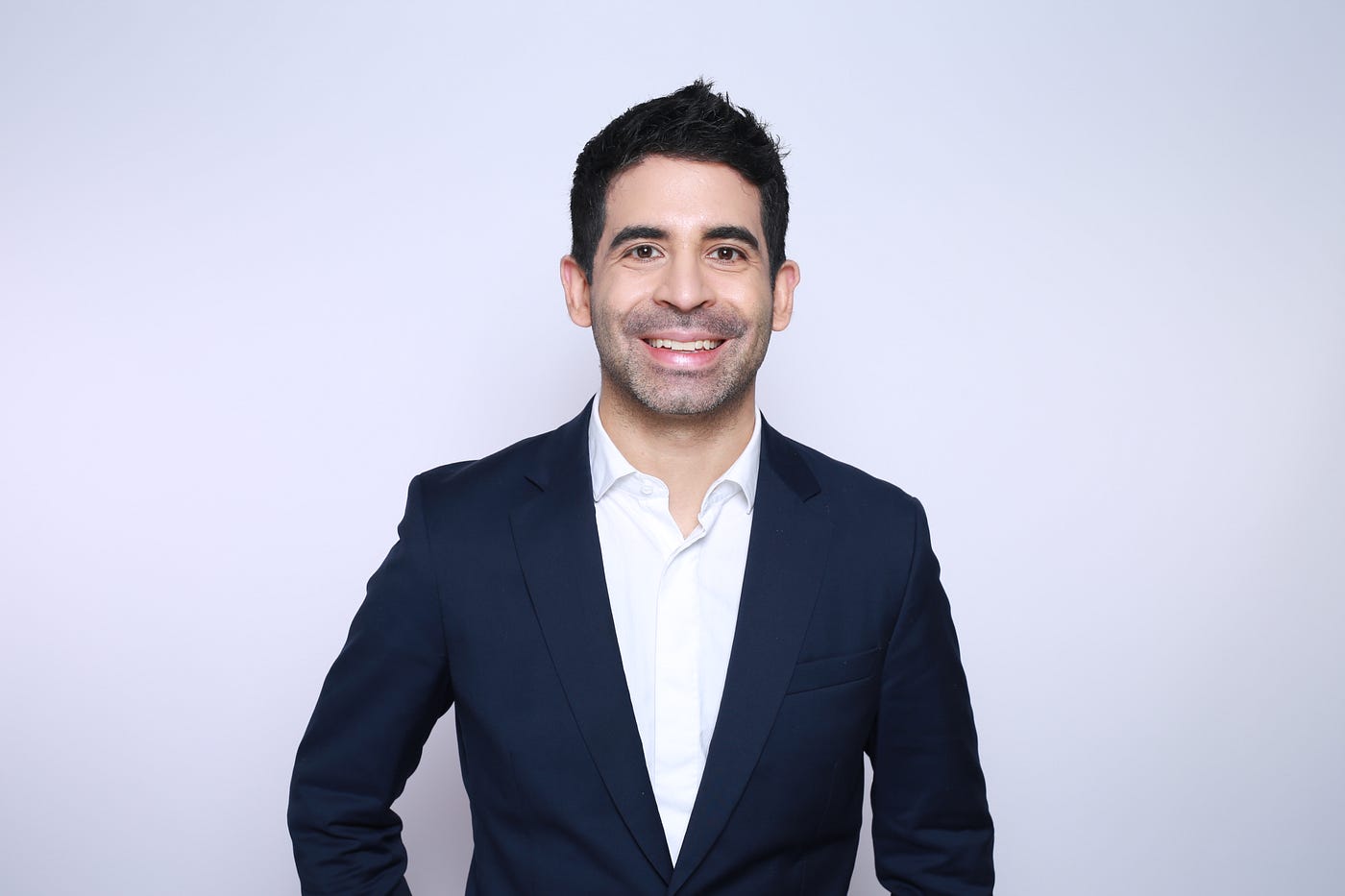
Co-founder and CFO of Joy of Pursuit, Amanda J. Painter is an author and Human Resource consultant. She is a four-time published author with an entire series for small businesses. The Team Solution Series: HR Coaching to Grow Teams and Profit provides more than ideas—the books are full implementation plans to guide you and your team through the employee journey. The content blends Amanda’s unparalleled organizational skills with her knowledge of HR practices; highlighting her exceptional ability to improve efficiency and processes while building a culture of worth in organizations.
Thank you so much for your time! I know that you are a very busy person. Before we drive in, our readers would love to “get to know you” a bit better. Can you tell us a bit about your ‘backstory’ and how you got started?
I began my career as a finance manager for a small consulting firm. Smaller businesses often can't afford designated specialists for certain roles, so I also found myself taking on human resources responsibilities as well as managing their finances. I continued to focus my work on metrics and finances in the small business realm throughout my career. But I also continued to have HR responsibilities given to me as a part of my consulting work. This became a consistent trend and the pattern highlighted the significant opportunity to assist small businesses with setting up and optimizing their HR processes. I developed and strengthened my HR skills and discovered a passion for the people-side of business. The gap between Small Business and HR inspired my company, Joy of Pursuit, and an HR-focused book series, The Team Solution Series.
It has been said that our mistakes can be our greatest teachers. Can you share a story about the funniest mistake you made when you were first starting? Can you tell us what lesson you learned from that?
I shifted from traditional in-person work to a remote career long before it was common or forced via the pandemic. Best practices on how to enforce boundaries electronically weren’t yet common knowledge. I performed contract work for a company that was 100% online and interacted with all clients via email. It was a small entrepreneurial business, and I overhauled its finance and billing department and implemented a better structure (in addition to HR processes). Somehow a client complaint was elevated to me. After a few back-and-forth emails with the client, I called to speak to her on the phone, after which she connected with me on social media. Then she proceeded to contact me frequently through my personal social media account. I eventually set the boundary that all business questions, complaints, etc. needed to go through proper company channels and not come to me via private message on social media. I quickly learned a lesson on boundaries—not allowing professional work conversations to be conducted outside of work channels—that I now share with others.
None of us are able to achieve success without some help along the way. Is there a particular person who you are grateful for who helped get you to where you are? Can you share a story?
I wouldn’t be where I am without my business partner and coauthor, Brenda Haire. With her guidance, coaching, and motivation, I gained the confidence to put my knowledge into a book, that then became our four-part book series and course.
Can you please give us your favorite “Life Lesson Quote”? Can you share how that was relevant to you in your life?
“Motivation isn’t what gets things done. Self-discipline is.” This is applicable to all facets of life—building a business, parenting, exercise. If we wait to be motivated, we won’t accomplish all that we need or want to. Self-discipline is getting it done even when not motivated. That’s the actual key to success.
Thinking back on your own career, what would you tell your younger self?
Experience, not age, is what gives you wisdom. Don’t be afraid to speak up just because you’re the youngest or newest at the table. Your knowledge is valuable.
Let’s now move to the central part of our interview about HR. Why do you think HR deserves a place in the boardroom and in high-level decision-making? Can you help articulate how a company will gain from that?
HR is more than an administrative department and can play a significant role in company success. The HR department has expert knowledge of people. While a company may have impressive business plans, top-of-the-line technology, innovative products…all of this is useless without people to implement and execute. Therefore, HR should have a place in the board room to keep the human component front of mind when company leaders are making decisions. People are what make a company successful.
A company's team is its most valuable asset; when a leader invests in cultivating a culture of worth, team members will be motivated to invest in the company's success, which will lead to a positive financial impact on the bottom line. While it's true that investing in people can be intangible and difficult to assign a monetary value to, it's important to keep in mind that these efforts will pay off. Investing in your people and creating a healthy culture will result in real and lasting change. Companies will thrive when it puts their people first.
From your experience, how can HR people and culture professionals ensure they’re involved in strategic planning processes?
Speak up. Be visible and vocal. Don’t wait to be asked for your opinion. If you don’t have a seat at the table, ask for one. If that request isn’t granted, provide your insight anyway. Take the initiative to set up a private meeting with key decision makers or provide a written statement to provide your insight on the issue, decision, or topic.
A lot of folks believe that CHROs would make great CEOs, but often they’re overlooked. Why do you think that is?
There is a misnomer that those in the HR field are “soft” or that their purpose is just to enforce rules, and they lack strategic leadership skills. Also, HR has traditionally been a female-dominated field, and the more powerful company roles, like CEO, are traditionally male. While we are making progress toward changing this harmful and inaccurate stereotype, it can take decades to fully overcome it.
What skills can HR folks work on to become more effective business partners?
Finance and analytics. The ability to present data-driven evidence to support HR initiatives where the outcomes are often difficult to measure can support the case for why such initiatives are worthwhile.
Here is the primary question of our discussion. Based on your experience and success, what are the five most important ways that HR can help drive company decisions? Please share a story or an example for each.
1 . Leverage data. With HR representing the human component of the workplace, sometimes suggestions or initiatives are looked at as “fluffy” and intangible. Counter this by sharing the tangible whenever possible. This can be facts, statistics, performance data, or a correlation between initiatives and company achievements. Being data-driven can boost the validity and effectiveness of including HR in company decisions.
2 . Listen and observe. Instead of waiting for personnel problems to come to you, take the initiative and let your presence be felt. Observe team meetings, actively listen, and engage in discussions. Don’t miss the opportunity to spot trends and take action before issues arise; be proactive, not reactive. This observation will allow for informed input when it comes to significant company decisions. For example, company leadership is deciding when to implement a new internal communications platform. HR has observed that many middle managers are hesitant to get on board with technology and currently don’t utilize other software because they don’t understand how to use it. With this knowledge, HR can suggest a slower roll-out timeline and additional training to ensure that everyone has the time and resources to accurately and effectively use the new system.
3 . Ensure company alignment around mission and core values. For any business to thrive, everyone within the organization must align their work to the mission and prioritize the core values. This requires clear direction from leadership surrounding company goals and how the mission and core values are incorporated. It’s the responsibility of HR to hold the rest of the leadership team accountable for prioritizing these components, communicating them effectively, and embodying them in their day-to-day work.
4 . Balance ambition with realism. Sometimes HR drives company decisions by being the voice of reason in the room and saying “that’s an incredible idea, but it’s not realistic.” Some may look at this as HR being the roadblock to new ventures, but a realistic view is needed when it comes to large-scale company decisions. This is a vital role that the HR department plays in the overall success of a company. HR keeps sustainability in mind when strategizing new ideas.
5 . Anticipating needs. HR provides guidance to leaders on how to consider the people component when strategizing. HR professionals have an exceptional ability to think ahead of the curve and plan for unique needs that could arise as a result of strategic decisions. For example, if a new large-scale marketing campaign is being developed, HR can advise on how it will impact the departments that deliver the goods or services being marketed (and sold). A successful marketing campaign can actually be a detriment to the company if there isn’t the workforce to sustain an increase in demand. HR’s critical role in this is to know what resources the company has, how to leverage them best, and what additional needs may arise.
Can you share 3 or 4 of the most common mistakes you have seen businesses make when faced with hard decisions? What should one keep in mind to avoid that?
Failing to consider the human element. How their decisions will affect employees and customers must always be top of mind. By understanding the potential impacts on the people, business leaders can make informed choices that benefit everyone.
Ignoring company mission and core values when making decisions. New innovation and opportunity, especially with the potential to be lucrative, can be tempting. But if this decision is not in alignment with the company’s overall mission and values, it can be detrimental to culture and ultimately cause the businesses to fail. It’s imperative that business leaders pause and reflect on their core and run decisions through the filter of the company mission.
Not researching all the options. Tough decisions should never be made without all the details. There are typically multiple potential solutions and all must be considered. Gather data, ask for input from others, and explore non-traditional alternatives. To ensure success, a comprehensive evaluation of available options is critical.
We are very blessed to have some of the biggest names in Business, VC funding, Sports, and Entertainment read this column. Is there a person in the world whom you would love to have a private lunch with, and why? He or she might just see this.
Robin Arzon—author, Peloton instructor, and entrepreneur. As a Peloton enthusiast, Robin is my go-to instructor but it is about much more than riding a bike. Her enthusiasm for life is infectious and her passion for self-improvement inspiring. She’s an advocate for how self-care is necessary in order to serve our families and communities better.
How can our readers further follow your work?
For those interested in my books, The Team Solution Series is available on Amazon and other book retailers: https://amzn.to/3yYp0jb
I actively share content for business builders on LinkedIn, including a bi-weekly blog: https://www.linkedin.com/in/amandajpainter
For more information on how I work with Business Builders: https://www.thejoyofpursuit.com/business-builders-page
Thank you so much for sharing these important insights. We wish you continued success and good health!